When to visit Ouadane? Complete Travel Guide

Between golden dunes and a thousand-year-old city, Ouadane reveals its secrets to the traveler who chooses the right time to venture there.

  • 0.004 M population
  • Hassaniya Arabic, French language
  • 6 days rainy days/year
  • November to February best time to visit
  • 2 to 4 days recommended stay

Weather and climate trends in Ouadane

Understanding the Saharan desert climate of Ouadane

Ouadane is subject to a hot desert climate (BWh) according to the Köppen classification, typical of the heart of the Mauritanian Sahara. Nestled in the Adrar region, more than 400 km (249 miles) northeast of Nouakchott, this ancient caravan city experiences scorching summers exceeding 45°C / 113°F and mild, bright winters, with almost zero rainfall throughout the year.

MonthMin Temp (°C / °F)Max Temp (°C / °F)Precip. (mm)Sunshine (h/day)CrowdsRecommended Activities
January5°C / 41°F22°C / 72°F19★★★★☆Visiting the ksar, dune hiking
February8°C / 46°F26°C / 79°F19★★★★☆Exploring ruins, camel excursions
March13°C / 55°F31°C / 88°F110★★★☆☆Sunrise walks, photography
April18°C / 64°F36°C / 97°F110★★☆☆☆Morning UNESCO site visits, cultural exchanges
May23°C / 73°F40°C / 104°F111★☆☆☆☆Very short stays, dawn visits only
June26°C / 79°F43°C / 109°F111★☆☆☆☆Not recommended, extreme heat
July27°C / 81°F42°C / 108°F310★☆☆☆☆Not recommended, heat season
August27°C / 81°F41°C / 106°F510★☆☆☆☆Occasional observation of rare rains
September25°C / 77°F40°C / 104°F310★☆☆☆☆Transition, still very hot
October19°C / 66°F35°C / 95°F110★★☆☆☆Gradual return of visits in the late afternoon
November12°C / 54°F28°C / 82°F09★★★★☆Hiking, camping, discovering the ksar
December6°C / 43°F22°C / 72°F09★★★★★Desert tourism, photography, stargazing

The seasons in Ouadane

Must-sees according to the weather

In Ouadane, each site is visited differently depending on the season. Summer heat imposes rigorous organization, while winter offers total freedom of exploration. Here is how to make the most of your stay according to weather conditions.

☔ In cloudy or windy weather

Shelters and indoor heritage

On days of sandstorms or surprising coolness, the covered spaces of Ouadane offer a precious and protected cultural immersion.

  • 🕌 The great ancient mosque — 30 min guided tour, free entry by invitation, all year
  • 🏚️ The fortress-houses of the old ksar — 1h commented exploration, free entry, November to March
  • 📖 Manuscripts kept by scholarly families — by arrangement with a local guide, all year
  • 🍵 Tea ceremonies with locals — 1h cultural immersion, by invitation via guesthouse, all year
  • 🎭 Meetings with local artisans — jewelers, weavers, no cost, all year

Practical tip: Use a licensed local guide to access private spaces and manuscripts. Book as soon as you arrive at the guesthouse.
Tip: Combine the visit to the ruins with that of the still-inhabited houses for a complete experience of Ouadane's living heritage.
☀️ In good weather

Optimal outdoor exploration

Under a generous but bearable sun (November to March), Ouadane reveals all the splendor of its desert environment and open-air heritage.

  • 🏜️ The dunes of Ouadane — 2-3h hike, sunrise recommended, free
  • 🏰 The UNESCO medieval ksar ruins — 2h free exploration, guide recommended, free
  • 🐪 Camel excursion — half-day to full-day, price to negotiate (15-30 € / $16-$32)
  • 📸 Panorama from the rocky plateau — golden hour at sunset, 30 min, free
  • 🌌 Nocturnal astronomical observation — sky among the purest in Africa, after 9 PM, free

Best time of day: Sunrise (7 AM-9 AM) and golden hour (4 PM-6 PM) for photography.
Seasonal tip: November to February for ideal conditions. Avoid all outdoor outings between 11 AM and 4 PM from March to October.

🌤️ Versatile in any weather

Flexible sites in any season

Some experiences in Ouadane adapt to current conditions, between human exchanges and sheltered discovery.

  • 🤝 Meetings with the local community — flexible, indoors in heat or wind
  • 📷 Architectural photography of ksar facades — early morning or evening
  • 🛒 Weekly market — Sunday morning, mixed indoor/outdoor, free

Weather tip: In case of sandstorms, focus on oral testimonies and meetings with locals rather than open-air sites.
Typical itinerary: 7 AM — dunes at sunrise → 9 AM — visit to the ksar → 11 AM — tea and manuscripts with a scholar → 4 PM — market and artisans → 6 PM — sunset on the ruins → 9 PM — stargazing.

💰 Free or no cost

Ouadane without spending

Almost all of Ouadane's heritage is accessible freely or at a symbolic cost.

  • 🏰 Medieval ksar ruins — free access, all year
  • 🌅 Panoramas on the plateau and dunes — free access, free
  • 🌌 Saharan starry sky — the most beautiful free show in the city, every clear night
  • 🕌 Walk in the alleys of the old town — free access, free

Budget tips: The local guide, although paid (10-20 € / $11-$22 per half-day), is an investment that opens doors otherwise inaccessible. Guesthouses often include breakfast in their rates.

Practical Guide

Traveling to Ouadane requires meticulous preparation: infrastructure is very limited, distances are immense, and the climate is one of the most demanding in Africa. Each season imposes its own rules. Whether you come in winter for comfortable exploration or in spring for adventure, anticipate accommodation, water, food, and transport well before your departure.

👕 Seasonal packing

November to February (Winter):
• Light clothing for the day (breathable cotton)
• Warm sweater and jacket for evenings and nights (5-10°C / 41-50°F)
• Shemagh or turban to protect against wind and sand
• Comfortable, closed-toe walking shoes
• Sunglasses with full UV protection
• Lightweight backpack with at least a 2L / 0.5 gal water bottle

March to May (Spring):
• Lightweight, covering clothing (sun and heat protection)
• 50+ SPF sunscreen mandatory
• Wide-brimmed hat or shemagh
• Lightweight but closed-toe shoes
• 3L / 0.8 gal water bottle minimum, bring purification tablets

June to October (Summer/Autumn):
• Very light but covering clothing (extreme UV protection)
• Full anti-sand equipment
• Continuous rehydration essential (minimum 4L / 1 gal per day in summer)
• Do not plan outdoor outings between 9 AM and 5 PM in summer

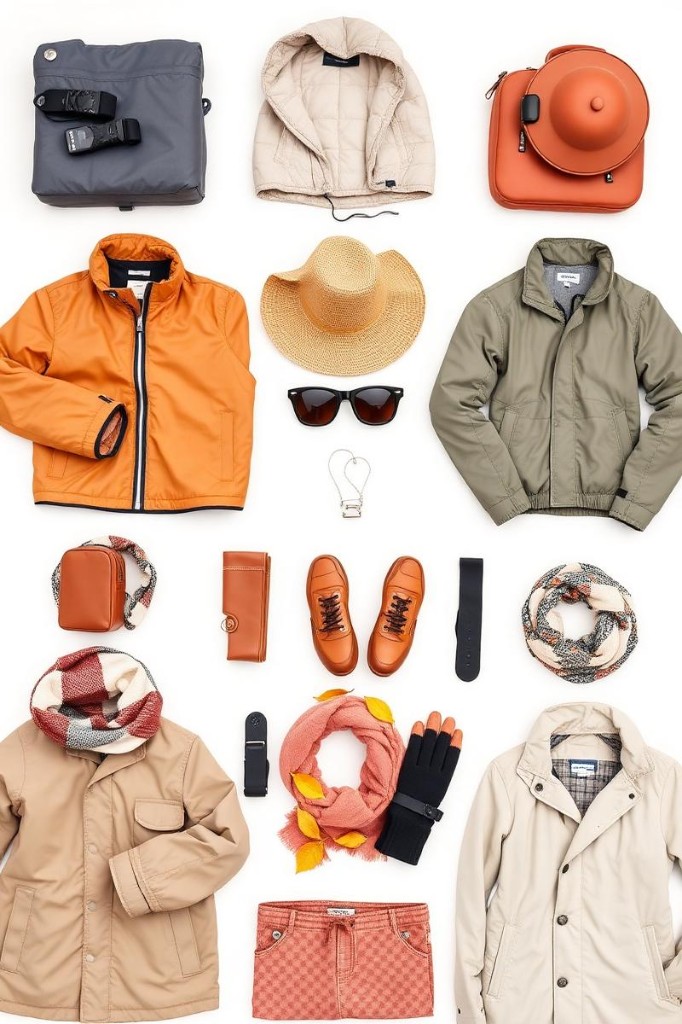
Travel clothing and gear by season

💰 Seasonal budget

PeriodAccommodation (€/night)Transport (€/day)Meals (€/day)Activities (€)Crowds
December - January20-455-158-1510-30★★★★★
November - February15-405-158-1510-30★★★★☆
March12-305-106-125-20★★★☆☆
April - May10-205-105-105-15★★☆☆☆
June - September8-155-105-105-10★☆☆☆☆
October10-255-106-125-20★★☆☆☆

💡 Money-saving tips

  • Always negotiate the price of the guide and camel caravan directly upon arrival at your guesthouse: rates are not fixed.
  • Opt for full board at your guesthouse, as restaurants are extremely rare in Ouadane — this simplifies logistics and reduces costs.
  • Share 4x4 excursions with other travelers at your accommodation: the cost is fixed per vehicle, not per person.
  • Bring non-perishable provisions from Atar or Nouakchott — goods in Ouadane are limited and more expensive.
  • Bring cash in Mauritanian ouguiyas: card payments are impossible in Ouadane.

🏥 Health and precautions

  • Hydration: Drink at least 2-3L / 0.5-0.8 gal of water per day in winter, 4-5L / 1-1.3 gal in summer — the danger of dehydration is underestimated even in cool weather.
  • Sun protection: 50+ SPF sunscreen, UV glasses, covering clothing — Saharan UV radiation is extreme all year round.
  • Sandstorm (harmattan): Prepare an FFP2 mask or a shemagh to protect respiratory tracts and eyes.
  • Pharmacy: Bring a complete kit from Atar or Nouakchott — no functional pharmacy in Ouadane.
  • Vaccinations: Check official recommendations from the Pasteur Institute (Hepatitis A, typhoid, meningitis recommended for Mauritania).
  • Repatriation insurance: Essential given the extreme geographical isolation of the city.

Events and culture

Calendar of highlights to experience in Ouadane

Ouadane is not a city of large-scale festivals, but its discreet cultural gatherings and community celebrations offer an authentic immersion into Saharan life, far from crowds and artifice.

🏛️ UNESCO World Heritage Day — April

Every year in April, educational activities and special guided tours highlight Ouadane's status as one of the ancient cities of Mauritania inscribed as a UNESCO World Heritage site since 1996. Local scholars exceptionally open their manuscript archives to visitors.

Location: Medieval Ksar and ancient mosque of Ouadane
Highlight: Exceptional access to private collections of medieval Islamic manuscripts
Impact: Slight increase in visitors, studious and respectful atmosphere
Transport: 4x4 only from Atar (3-4 hours of off-road driving) — arrange transport in advance
Tip: Contact a local guesthouse several weeks ahead, as spaces are very limited

🐪 Eid al-Fitr / Eid al-Adha — Variable date (lunar calendar)

One of the most significant celebrations in Ouadane. The entire community gathers for collective prayers, shared meals, and traditional Hassaniya dances. Travelers present are often invited to participate in family festivities, an experience of incomparable human richness.

Location: Central square and local family homes
Highlight: Total immersion in deep Mauritanian culture, far beyond tourism
Impact: Some tourist services may be closed — plan for food autonomy
Transport: Off-road track from Atar, check road conditions before departure
Tip: Check the lunar date before booking and inform your host of your presence

🌙 Ramadan in Ouadane — Variable date (March to April depending on the year)

The holy month profoundly transforms the rhythm of life in Ouadane. The day is silent and contemplative, but the nights come alive with prayers, storytelling, and community sharing. For the respectful traveler, it is a unique dive into Saharan spirituality.

Location: Ancient mosque and community spaces
Highlight: Unique nocturnal atmosphere, shared iftar possible by invitation
Impact: Site access hours disrupted during the day, no restaurants open until sunset
Transport: Limited movement during the day — plan travel for the morning or evening
Tip: Adopt a discreet and respectful attitude; do not eat or drink in public during the day

Seasonal events

Winter (November - February):
• Tourist caravan season — many groups of Saharan explorers (November to January)
• Nocturnal bivouacs organized in the dunes (December - January)
• Nighttime astronomical observation organized by some guesthouses (all season)

Spring (March - May):
• UNESCO Heritage Day (April)
• Sunday weekly markets — artisanal products and cultural exchanges
• Ramadan possible depending on the year — intense spiritual atmosphere

Summer (June - August):
• Eid al-Fitr (end of Ramadan) — major community celebration depending on the lunar calendar
• Eid al-Adha (July-August depending on the year) — family and community celebration

Autumn (September - October):
• Gradual resumption of tourist activities (October)
• Outdoor markets and crafts in the cool of the evenings

Traveling responsibly in Ouadane

Ouadane is an extremely fragile human and heritage ecosystem. With a population of a few thousand inhabitants and a thousand-year-old heritage exposed to the elements, every visitor bears a special responsibility in the preservation of this unique Saharan treasure.

The impact of the visitor in Ouadane is disproportionate to the size of the community. Choosing local accommodation, consuming from families rather than outside operators, scrupulously respecting archaeological sites, and minimizing waste (which cannot be treated on-site) are essential and non-optional gestures in this isolated desert context.

🌱 Low-season advantages

Traveling in October or early November allows you to support the local economy outside the peaks of December-January, reduce pressure on rare accommodations, and live a much more intimate experience with the Ouadane community, respecting its natural rhythm.

♻️ Sustainable travel tips

  • Choose exclusively guesthouses run by local families rather than operators from outside the city.
  • Take all your non-organic waste with you: Ouadane has no waste collection or treatment system.
  • Never touch, climb, or move stones or elements of UNESCO-listed ruins — their fragility is extreme.
  • Mandatorily hire a licensed local guide: this directly supports the community and enriches your experience.
  • Limit your water consumption to what is strictly necessary — water is a rare and precious resource in this region.
  • Always ask for permission before photographing residents, especially women.

🏙️ Local sustainable initiatives

Several families in Ouadane are involved in the conservation of medieval manuscripts with the support of international organizations. Local guesthouses participate in heritage education programs for younger generations. The local guide association promotes ethical tourism that respects the Saharan environment and the Hassani way of life.

Our recommendations

Personalized recommendations for your trip to Ouadane

Ouadane is not an ordinary destination: it is a journey through time as much as through space. To get the most out of it, the choice of period is absolutely crucial. The Saharan climate leaves no room for improvisation. The ideal window is narrow — from November to February — but in exchange, it offers extraordinary exploration conditions, sublime photographic light, and starry nights that are among the most beautiful on the planet. If you are still hesitating on the date, let the weather decide for you: December and January are simply irreplaceable for experiencing Ouadane in all its splendor.

🌟 Optimal Period: December to February

Recommended Months: December, January, February

  • Ideal temperatures for walking and exploration (15-25°C / 59-77°F during the day)
  • Cool nights and skies of absolute clarity for astronomy
  • Golden, low-angle light, perfect for heritage photography
  • Most secure period in terms of health and logistics
  • Maximum activity for Ouadane's tourist season

Key events: Organized bivouacs, caravan excursions, openings of private manuscript collections
Disadvantages: Guesthouses fill up quickly — book 2 to 3 months in advance; some rare very cold nights (below 5°C / 41°F)
Ideal profile: Adventurers, UNESCO heritage lovers, photographers, travelers seeking absolute authenticity
Stay duration: 2 to 4 days on-site, integrating Ouadane into a wider Mauritania circuit (Atar, Chinguetti)

🌤️ Interesting Alternative: November or March

Alternative Months: November, March

November announces the return of pleasant temperatures without the high crowds of December-January, while March still offers mild mornings before the heat rises. These transition periods allow you to enjoy more easily available accommodation and reduced rates, while benefiting from reasonable exploration conditions.

Specific advantages: Fewer tourists, prices 20-30% lower than high season, more intimate atmosphere
For whom: Flexible travelers, budget travelers, photographers seeking solitude, experienced travelers wishing to avoid the relative crowds of high season

👥 Tips for your travel style

🎒 Adventurer/Explorer: December-January in a bivouac under the stars, multi-day camel excursion from Ouadane to the surrounding ergs, local guide essential, plan for at least 3-4 days.

📸 Photographer: November or January for the low-angle winter light, sunrise over the dunes and sunset over the ksar ruins, full day for architectural details, wide-angle lens and polarizing filter essential.

🏛️ Heritage enthusiast: January-February to explore the UNESCO ksar in the best conditions, contact a local scholar in advance to access manuscripts, plan 2 full days of guided tours.

👨‍👩‍👧 Family: December only, with children over 10 capable of walking on sandy terrain, accommodation in a guesthouse with full board, adapted activities (camel, astronomy, local cuisine).

🌍 First trip to Mauritania: Integrate Ouadane into an organized circuit including Atar and Chinguetti, travel with an agency specializing in Saharan tourism, never improvise alone in this isolated region.

⚠️ Periods to avoid: June to September

Months not recommended: June, July, August, September

Reasons: Extreme heat (41-43°C / 106-109°F and above), major health risks (dehydration, heatstroke), frequent and intense sandstorms, near-absence of tourist services, reinforced isolation in case of medical emergency.
Nuance: Very experienced desert travelers, perfectly equipped and accompanied by a local guide, may consider an ultra-short visit in May or October for an authentic field experience — but this remains discouraged for 95% of travelers.

Villes du même pays

All cities

Frequently Asked Questions

Planning your trip to Ouadane and have practical questions? Here are the answers to the most common queries from travelers preparing to discover this legendary city of the Mauritanian Sahara.

What is the best month to visit Ouadane?

December and January are unanimously recognized as the best months to visit Ouadane. Daytime temperatures range between 15°C / 59°F and 22°C / 72°F, nights are cool and starry, and conditions for walking on archaeological sites are optimal. November and February are excellent alternatives with slightly fewer crowds. According to meteorological data from the National Meteorological Office of Mauritania and the WorldClim climate database, these months concentrate almost all the near-zero rainfall and the most favorable temperatures for exploring Saharan heritage.

How many days should I plan for Ouadane?

Plan for 2 to 4 days on-site for a complete discovery of Ouadane. One day is enough to see the essentials of the ksar and the mosque, but two days allow for adding a dune excursion and a night of camping under the stars. Four days will offer you a deep immersion: visiting private manuscripts, camel riding, exploring the surrounding rocky plateaus, and interacting with the local community. Ouadane fits ideally into an 8-12 day circuit in Mauritania including Atar, Chinguetti, and Terjit.

What to do in Ouadane in case of a sandstorm?

Sandstorms (harmattan) can arise at any time, especially from March to May. In the event of a sandstorm, retreat to your guesthouse and stay indoors. It is the perfect time to ask your host to introduce you to the Mauritanian tea ceremony, to view reproductions of medieval manuscripts, to discuss the city's history with locals, or to read up on the heritage with available guides. Always carry a shemagh (headscarf) to protect your face and respiratory tract when you go out.

Which events should not be missed in Ouadane?

Ouadane lives to the rhythm of the Islamic calendar and the Saharan tourist season. Do not miss the Eid al-Adha ceremonies (variable date, lunar calendar) which transform the city into a space of sharing and community celebration. If you visit in April, inquire about activities related to the UNESCO classification of ancient cities. In December-January, nocturnal bivouacs and astronomical observation nights organized by local guesthouses are absolutely unforgettable moments. The Sunday morning market is also a weekly cultural appointment not to be missed under any circumstances.

What budget should I plan for Ouadane depending on the period?

The budget in Ouadane remains modest compared to classic tourist destinations, but must include transport costs from Atar (4x4 mandatory, 30-60 € / $32-$65 per trip). In high season (December-January), expect 20-45 € / $22-$48 per night in a guesthouse with board, 10-30 € / $11-$32 for guided excursions. In low season, these rates drop by 30-40%. You must bring cash in Mauritanian ouguiyas (no ATMs or card payments in Ouadane). Recommended total budget for 3 days on-site: 150-250 € / $160-$270 excluding transport from Nouakchott or Atar.