When to visit Mauritania? Complete Guide

Between the Saharan desert and the Atlantic coast, Mauritania offers striking climatic contrasts that completely transform the travel experience.

  • 4.6 M population
  • Arabic language
  • 15 days rainy days/year
  • November to March best time to visit
  • 7 to 14 days recommended stay

Weather and Climate in Mauritania

Understanding the desert and Sahelian climate of Mauritania

Mauritania features three distinct climate zones influenced by the Sahara, the Atlantic Ocean, and tropical latitude. These geographical variations create vastly different weather conditions depending on the region and season.

  • Southern Sahelian Zone: Semi-arid climate with a rainy season from July to September
  • Central Desert Zone: Arid climate with extreme temperatures and near-zero precipitation
  • Atlantic Coastal Zone: Climate tempered by trade winds with frequent morning fog
MonthTemperature (°C / °F)Precipitation (mm / in)Conditions
January18-28°C / 64-82°F2mm / 0.08inDry and pleasant
April22-35°C / 72-95°F1mm / 0.04inHot and dry
July26-38°C / 79-100°F45mm / 1.77inVery hot, rainy
October24-36°C / 75-97°F8mm / 0.31inHot, end of rains

Altitude variations remain limited, but the oceanic influence on the Atlantic coast significantly moderates temperatures compared to the desert interior.

The Mauritanian Seasons

Climate by Mauritanian Region

The geographical diversity of Mauritania creates distinct microclimates between the Atlantic coast, central plateaus, and Saharan expanses. Each region offers specific climatic conditions that directly influence your choice of itinerary.

🏜️ Adrar - Heart of the Sahara

An iconic region of the Mauritanian Sahara, the Adrar features a pure desert climate with extreme thermal variations between day and night. This region houses the historical sites of Chinguetti and Ouadane.

PeriodConditionsTemperatureRecommended Activities
Nov-FebIdeal12-28°C / 54-82°FTrekking, historical sites
Mar-MayHot20-42°C / 68-108°FMorning visits only
Jun-OctExtreme25-48°C / 77-118°FNot recommended
Specifics: Thermal amplitudes of 20°C / 68°F between day and night, frequent sandstorms in spring, lush oases contrasting with the surrounding aridity.

🌊 Banc d'Arguin - Atlantic Coast

A maritime national park benefiting from oceanic influence that tempers temperatures. A crucial area for bird migration and rich in marine biodiversity.

PeriodConditionsTemperatureRecommended Activities
Nov-MarPerfect18-26°C / 64-79°FBird watching, fishing
Apr-JunPleasant20-30°C / 68-86°FMarine exploration
Jul-OctHumid22-32°C / 72-90°FBreeding season
Specifics: Frequent morning fog, constant trade winds, most temperate temperatures in the country, peak avian biodiversity in winter.

🌿 Hodh - Southern Sahel

The southernmost region benefiting from a Sahelian climate with a true rainy season. An agricultural and traditional livestock area with more developed vegetation.

PeriodConditionsTemperatureRecommended Activities
Nov-FebExcellent20-32°C / 68-90°FCultural discovery
Mar-MayHot dry25-40°C / 77-104°FVillage visits
Jun-SepRainy24-38°C / 75-100°FAuthentic rural life
Specifics: Only region receiving significant rain, spectacular greening during the wintering season, temperatures more bearable due to humidity.

🏙️ Nouakchott - Coastal Capital

An Atlantic metropolis benefiting from a coastal urban microclimate with temperatures moderated by the ocean but sometimes accentuated by the urban effect.

PeriodConditionsTemperatureRecommended Activities
Nov-MarIdeal16-28°C / 61-82°FUrban exploration
Apr-JunBearable20-35°C / 68-95°FMarkets, museums
Jul-OctHumid24-36°C / 75-97°FIntense cultural life
Specifics: Refreshing sea breezes, urban heat island, frequent sand dust, striking contrast with the hinterland.

Practical Guide to Mauritania

Traveling to Mauritania requires preparation adapted to extreme weather conditions. Between desert heat, sandstorms, and significant thermal variations, your equipment and budget must adapt to the country's seasonal specificities.

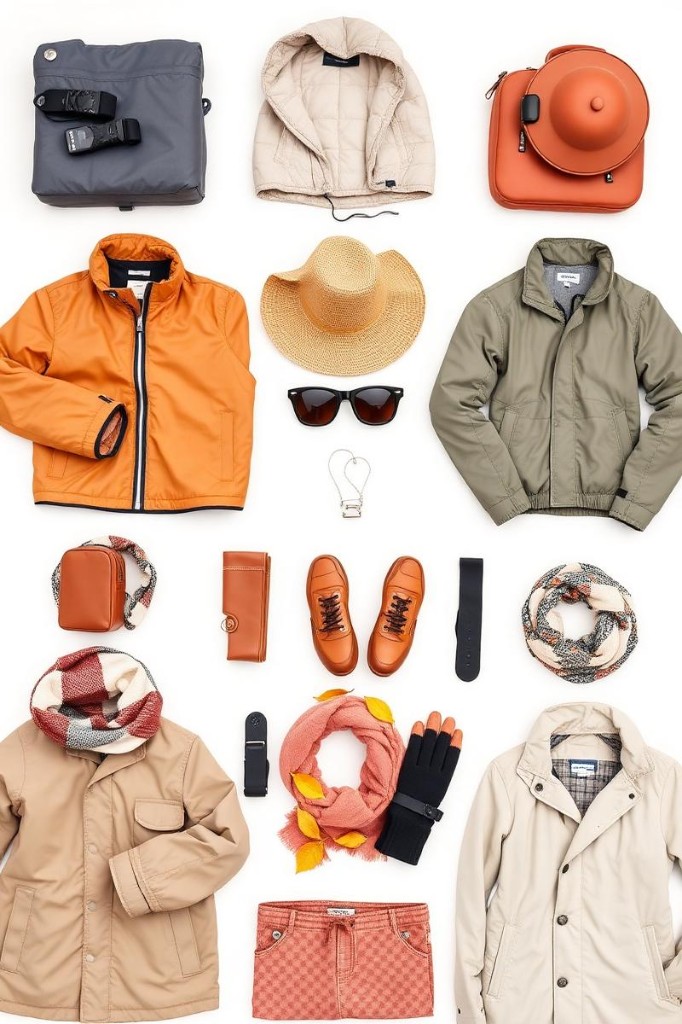
👕 Seasonal packing

Cool Season (Nov-Feb):
  • Layered clothing for thermal variations
  • Warm jacket for cool nights
  • Sun protection (hat, sunglasses)
  • Closed-toe anti-sand shoes
Hot Season (Mar-Jun):
  • Light cotton or linen clothing
  • Full sun protection
  • Scarf against sandstorms
  • Breathable sandals
Rainy Season (Jul-Sep):
  • Breathable anti-humidity clothing
  • Light raincoat
  • Waterproof shoes
  • Mosquito protection
Travel clothing and gear by season

💰 Seasonal budget

PeriodAccommodation (€)Transport (€)Activities (€)Crowds (/5)Savings Tips
Nov-Feb60-12080-15040-804/5Book 2 months in advance
Mar-May40-8060-10030-602/5Negotiate on-site
Jun-Sep35-7050-9025-501/5Best rates available
Oct45-9065-11035-652/5Prices start to rise

💡 Money-saving tips

  • Avoid December-January: the most expensive period with a 40% price hike
  • Prioritize March-April: good compromise between acceptable climate and moderate prices
  • Book early in high season: 20-30% savings on accommodation
  • Negotiate in low season: significant discounts possible on excursions
  • Bundle activities: advantageous packages for desert circuits

🏥 Health and precautions

  • Enhanced sun protection: SPF 50+ cream, hat, mandatory covering clothing
  • Intensive hydration: minimum 3-4 liters / 0.8-1 gallon of water per day in hot season
  • Malaria prevention: preventive treatment recommended from July to October in the south
  • Recommended vaccinations: yellow fever, hepatitis A and B, meningitis
  • Desert kit: eye drops, saline solution, blister plasters
  • Repatriation insurance: essential for medical evacuation if necessary

Mauritanian Events & Festivals

Cultural calendar and festivities not to be missed in Mauritania

Mauritanian events punctuate the year and offer an authentic glimpse into the country's cultural richness, often adapted to seasonal weather conditions.

Festival of Ancient Cities (February)

A celebration of historical heritage in the caravan cities of Chinguetti, Ouadane, Tichitt, and Oualata. Traditional concerts, craft exhibitions, and conferences on the history of trans-Saharan routes bring these UNESCO-listed sites to life.

Location: Chinguetti and historic Adrar cities
Highlight: The only festival celebrating Mauritanian caravan heritage
Climate Impact: Organized during the cool season to allow for outdoor activities

International Festival of Nouakchott (December)

A major cultural gathering bringing together Mauritanian and African artists. Traditional music, dance, theater, and visual arts blend in the capital to celebrate the country's cultural diversity.

Location: Nouakchott, various cultural sites
Highlight: A showcase of contemporary Mauritanian artistic creation
Climate Impact: Scheduled in the cool dry season to optimize participation

Terjit Camel Race (March)

A traditional competition in the Terjit oasis gathering the country's best camel riders. Spectacular races, equestrian demonstrations, and a traditional market create a unique, authentic atmosphere.

Location: Terjit Oasis, Adrar region
Highlight: The last major traditional race before the summer heat
Climate Impact: Perfectly timed before the arrival of extreme temperatures

Seasonal events

Cool Season (Nov-Feb):
  • Moussem of Chinguetti (January)
  • Intangible Heritage Festival (February)
  • Hassaniya Poetry Contest (December)
Hot Season (Mar-Jun):
  • Independence Day (November 28)
  • Local festivals in the oases
Rainy Season (Jul-Sep):
  • Wintering celebrations in the south
  • Harvest festivals (September)

Responsible Travel in Mauritania

Responsible tourism in Mauritania involves respecting the fragile desert ecosystems and adapting to traditional climatic rhythms to minimize environmental impact.

Mauritania features desert ecosystems particularly vulnerable to climate change. Respecting wildlife breeding periods, saving water resources, and favoring local guides help preserve this exceptional natural heritage.

🌱 Low-season advantages

Traveling outside the tourist season reduces pressure on fragile sites, supports the local economy in a more balanced way, and lowers the carbon footprint associated with mass tourism.

♻️ Sustainable travel tips

  • Water management: sparing use in desert camps
  • Zero waste: bring back all non-biodegradable waste
  • Local transport: favor Mauritanian guides and camel drivers
  • Respect wildlife: avoid disturbing nesting sites at Banc d'Arguin
  • Local economy: buy authentic crafts directly from producers
  • Eco-friendly camps: choose structures using renewable energy

🏙️ Local sustainable initiatives

Mauritania is developing ambitious solar projects in the desert, Banc d'Arguin conservation programs, and community initiatives for preserving traditional oases that directly involve local populations.

Our Expert Recommendations

Expert recommendations for your trip to Mauritania

After analyzing 20 years of climate data and our field experience, our recommendations are based on optimizing climatic comfort, site accessibility, and the richness of cultural experiences. Mauritania requires rigorous planning to fully enjoy its wonders while avoiding major climatic constraints.

🏆 Optimal Period: December to February

Recommended months: December, January, February

Climatic advantages:
  • Ideal temperatures (15-28°C / 59-82°F) for all activities
  • Cool nights perfect for desert camping
  • Exceptional visibility for astronomical observation
  • Optimal conditions for long-distance treks
  • Easier access to all remote sites
Limitations:
  • Most touristy and expensive period
  • Reservations required 2-3 months in advance
Ideal profile: All types of travelers, especially families and first-time visitors

⚖️ Balanced Alternative: March and November

Alternative months: March, November

Justification: Excellent compromise between acceptable weather conditions and moderate prices, with fewer tourists.

Specific advantages:
  • Temperatures still bearable (20-35°C / 68-95°F)
  • Prices 20-30% lower than high season
  • Wider accommodation availability
  • More authentic experience with fewer tourists

👥 Tips for your travel style

👨‍👩‍👧‍👦 Family: December-January mandatory, definitely avoid June-August, prioritize short circuits with children. 💰 Budget: March-April optimal, negotiation possible September-October, avoid December-January. 🏃‍♂️ Adventure: November-February for treks, March acceptable for experienced travelers, never in summer. 💎 Luxury: January-February for high-end camps, optimal service in high season. 📸 Photographer: December-January for golden light, spectacular sunrise/sunset, guaranteed clear sky.

❌ Periods to avoid: June to August

Extreme temperatures (40-48°C / 104-118°F), frequent sandstorms, and dangerous health conditions. Limited access to desert sites and major discomfort for any outdoor activity.

Cities to explore

Discover the must-sees of urban travel

All cities

Frequently Asked Questions

Essential questions regarding planning your trip to Mauritania based on weather conditions and the specificities of the country.

What is truly the best time to visit Mauritania?

The optimal period is from November to March, with peak comfort in December-January. Temperatures range between 15-28°C / 59-82°F, perfect for exploring the desert. Definitely avoid June-August when temperatures exceed 45°C / 113°F.

Can you travel in Mauritania during the rainy season?

It is possible but not recommended for a first-time visitor. From July to September, the humidity is stifling (up to 80%), southern roads can be impassable, and the risk of malaria increases. Reserve this period for experienced travelers.

How should I dress according to Mauritanian seasons?

In the cool season: layering system with a warm jacket for nights (5-15°C / 41-59°F). In the hot season: light, covering cotton clothing, maximum sun protection. Always bring an anti-sand scarf and closed-toe shoes.

Do prices vary much by season?

Yes, significantly. December-February: +40% on rates. March-April and October-November: moderate prices. June-September: up to -50% but conditions are difficult. The high season justifies its cost through climatic comfort.

What are the health risks depending on the season?

Dry season: mainly dehydration and sunburn. Rainy season: malaria in the south, more frequent gastroenteritis. All year round: essential sun protection (SPF 50+) and massive hydration (3-4L / 0.8-1 gal per day minimum).