When to visit Paramaribo? City-Trip Guide

Discover the Surinamese capital according to its tropical seasons and the unique colonial atmosphere of its historic neighborhoods.

  • 0.24 M population
  • Dutch (official), Sranan Tongo, Hindi, Javanese language
  • 180 days rainy days/year
  • February to April and August to November best time to visit
  • 3 to 5 days recommended stay

Tropical Climate of Paramaribo

Understanding the humid equatorial climate of Paramaribo

Paramaribo enjoys a humid tropical climate influenced by its proximity to the equator and the Atlantic Ocean. The urban heat island effect is moderated by the city's numerous canals and lush vegetation.

  • Historic Center: Warmer zone with moderate urban effect and numerous shaded areas
  • Residential Neighborhoods: Cooler temperatures due to abundant vegetation
  • Port Area: Maritime influence with refreshing breezes and higher humidity
MonthMin Temp (°C / °F)Max Temp (°C / °F)Precipitation (mm)Sunshine (h/day)Tourist TrafficRecommended Activities
January23°C / 73°F29°C / 84°F1906⭐⭐Museums, shopping malls
February23°C / 73°F30°C / 86°F1207⭐⭐⭐Visit historic center
March23°C / 73°F31°C / 88°F1007⭐⭐⭐Walks, markets
April24°C / 75°F31°C / 88°F1406⭐⭐⭐Parks, terraces
May24°C / 75°F31°C / 88°F2805⭐⭐Indoor activities
June24°C / 75°F31°C / 88°F3205Museums, galleries
July24°C / 75°F31°C / 88°F2805Shopping, restaurants
August24°C / 75°F32°C / 90°F2006⭐⭐Neighborhood exploration
September24°C / 75°F32°C / 90°F1207⭐⭐⭐Walks, heritage
October24°C / 75°F32°C / 90°F1407⭐⭐⭐Excursions, nature
November24°C / 75°F31°C / 88°F1806⭐⭐Festivals, events
December23°C / 73°F30°C / 86°F2206⭐⭐Christmas markets

Altitude variations are negligible in Paramaribo (average altitude of 5 meters / 16 feet), but the proximity of the Suriname and Commewijne rivers influences ambient humidity and creates cooler microclimates along the banks.

The Seasons

Must-sees by Weather

Optimize your discovery of Paramaribo by adapting your visits to weather conditions. The architectural and cultural richness allows for rewarding experiences in any weather.

☔ In overcast/rainy weather

Indoor & Protected

Perfect cultural refuges for rainy days, showcasing exceptional Surinamese heritage.

Must-see sites:
🏛️ Suriname Museum - 2h visit - 8€ - Open year-round
🏛️ Fort Zeelandia - 1h30 - 5€ - Fascinating colonial history
🛍️ Hermitage Mall - Shopping and dining - Free
Saint Peter and Paul Cathedral - 45min - Free - Largest wooden cathedral in the world
🎭 Thalia Theater - Shows and exhibitions - 15-25€
🏛️ Presidential Palace - 1h guided tour - 10€
📚 National Library - Remarkable architecture - Free

Practical Tip: Online booking recommended for Fort Zeelandia, cultural pass available

Additional Tip: Logical sequence in the historic center, all sites accessible on foot

☀️ In good weather

Optimal Outdoors

Enjoy the tropical sun to explore the unique colonial architecture and lush green spaces of the capital.

Outdoor sites:
🏛️ UNESCO Historic Center - 3h walk - Free - Exceptional colonial architecture
🌳 Cultuurtuin Park - 1h30 - Free - Urban botanical garden
🏛️ Independence Square - 45min - Free - Historic heart
🌊 Waterkant - River promenade - 2h - Free - Sunsets
🏛️ Combé Neighborhood - Creole architecture - 2h - Free
🌳 Botanical Garden - 2h - 3€ - Tropical biodiversity

Best time of day: Sunrise at Waterkant (6:30 AM), golden hour at Independence Square (5:30 PM)

Season Tip: February-April and September-October are optimal; avoid 12 PM - 3 PM in the dry season

🌤️ Versatile for any weather

Flexible

Adaptable to conditions thanks to their mixed indoor-outdoor configuration.

Combined sites:
🏪 Central Market - Covered and outdoor - 2h - Free
🏛️ Synagogue + Mosque - Religious tolerance - 1h30 - Donation
🍽️ Domineestraat Restaurants - Covered terraces - Variable

Weather Tip: Start outdoors if the weather is nice, then move to refuges if it rains

Example itinerary: Morning at the central market, lunch at a covered restaurant, afternoon at museums depending on the weather

💰 Free or economical

No cost

Authentic discovery of Paramaribo without budget impact.

Free sites:
🏛️ UNESCO Historic Center - Free walk
🌊 Waterkant - River promenade
⛪ Places of worship - Religious diversity
🏪 Local markets - Cultural immersion

Free days: Sunday morning municipal museums, heritage days in September

Budget tips: Free panoramas from bridges, economical food markets, authentic neighborhoods

Practical Guide

Prepare your city trip to Paramaribo by considering the tropical climate specifics and urban peculiarities of this unique South American multicultural capital.

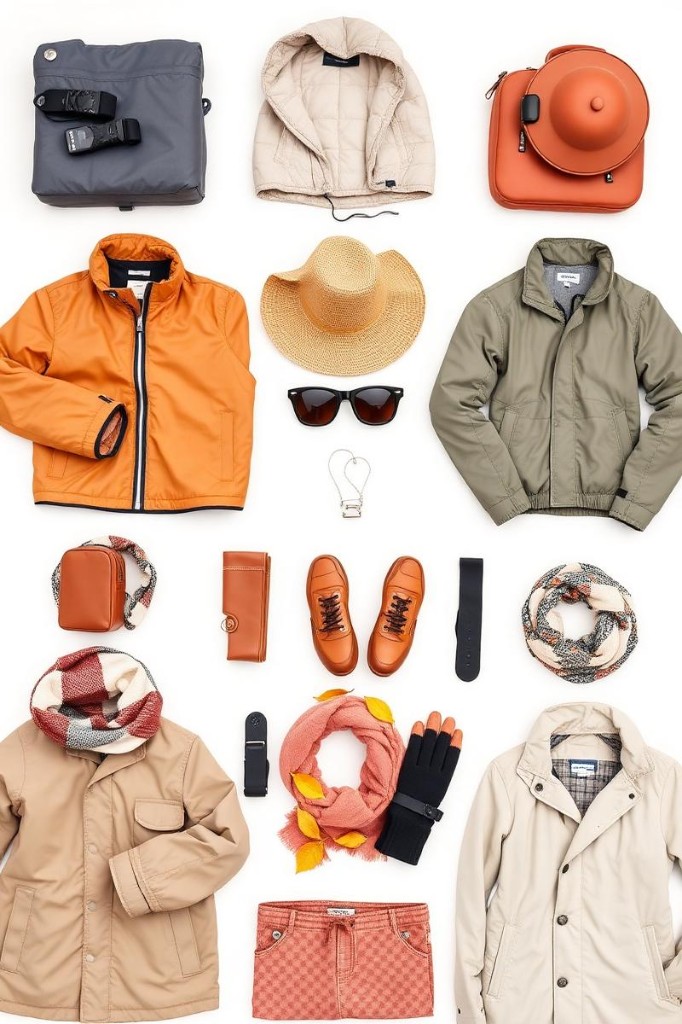
👕 Seasonal packing

Dry Season (Feb-Apr, Aug-Nov): • Breathable, non-slip walking shoes • Hat and sunglasses • Lightweight cotton clothing • Light jacket for air conditioning • Sun protection is essential

Wet Season (May-Jul, Dec-Jan): • Compact raincoat and umbrella • Waterproof but breathable shoes • Quick-dry clothing • Waterproof bag for electronics • Extra changes of clothes
Travel clothing and gear by season

💰 Seasonal budget

PeriodCenter Accommodation (€/night)Transport (€/day)Restaurants (€/day)Attractions (€)Crowds
Dry Season45-808-1525-405-15⭐⭐⭐
Wet Season35-658-1520-355-15⭐⭐
Festivals (Nov)55-9010-1830-4510-25⭐⭐⭐⭐

💡 Money-saving tips

Cultural City Pass: cost-effective from 3 sites (25€ vs 35€ separately) • Local lunch restaurants: menus 8-12€ vs 20-30€ for dinner • Blauwgrond neighborhood accommodation: 30% cheaper than the center • Local markets: authentic meals 3-5€ • Bicycle transport: daily rental 8€ vs taxi 15€/ride

🏥 Health and precautions

Increased hydration: demanding humid tropical climate • Mosquito protection: tropical repellent is essential • High SPF sunscreen: reflection on canals • 24h pharmacies: Centrum and Tourtonne • Drinking water: prefer bottled or filtered • Travel insurance: recommended for medical care

Urban Events

Essential event calendar for Paramaribo

The multicultural festivities of Paramaribo reflect the unique ethnic richness of Suriname, transforming the urban atmosphere and creating unforgettable experiences.

🎭 Surifesta Festival (November)

The largest cultural festival in Suriname transforms Paramaribo into a giant stage. World music, traditional dances, and multicultural gastronomy fill the historic center for an entire week.

Location: UNESCO Historic Center and Palmentuin

Highlight: Unique fusion of Javanese, Hindustani, Creole, and Amerindian cultures

Climate Impact: Start of the dry season, peak attendance, bookings essential 2 months in advance

Transport Access: Free shuttles from the airport, pedestrian city center

Planning Tip: City center accommodation fills up; consider residential neighborhoods

🕯️ Divali - Festival of Lights (October-November)

Spectacular Hindu celebration illuminating the entire city with thousands of diyas (oil lamps). Temples and homes are adorned with festive lights, creating a magical atmosphere in multicultural neighborhoods.

Location: Arya Dewaker Temple and residential areas

Highlight: Largest Divali celebration in South America

Climate Impact: Ideal dry season, cool evenings perfect for strolling

Transport Access: Special buses to main temples

Planning Tip: Respect temple dress codes; photos allowed outdoors

🎪 Paramaribo Carnival (February-March)

Explosion of Creole colors in the streets of the historic center. Costumed parades, street bands, and traditional Kaseko dances create a unique festive atmosphere blending African and European influences.

Location: Grote Combéweg and historic center

Highlight: Kaseko-Calypso musical fusion unique in the world

Climate Impact: Optimal dry season, pleasant temperatures for nighttime festivities

Transport Access: Reinforced metro-bus, peripheral parking

Planning Tip: Local costume rentals available; increased security in festive zones

Seasonal events

Dry Season: • Keti Koti - Abolition of Slavery (July) • Jazz Festival (September) • UNESCO Heritage Days (October) • Eid al-Fitr celebrations (variable dates)

Wet Season: • Chinese New Year (January-February) • Holi - Festival of Colors (March) • Phagwa celebrations (March) • Multicultural Christmas (December) with special markets and administrative closures Dec 24-26

Responsible City-Trip

Paramaribo, a fragile UNESCO city, requires respectful tourism for its unique architectural heritage and multicultural communities. Your seasonal choices directly impact urban preservation.

The Surinamese capital favors sustainable tourism development: soft mobility in the pedestrian historic center, support for local multicultural artisans, ecological management of urban canals, respect for diverse religious traditions, and limiting overtourism in authentic residential neighborhoods.

🌱 Low-season advantages

Visiting during the wet season reduces tourist pressure on fragile colonial architecture, allows for authentic exchanges with local communities, lowers the urban carbon footprint, and supports the local economy during the off-season.

♻️ Sustainable travel tips

Urban bikes: Paramaribo Bike network 5€/day vs polluting taxis • Local family restaurants: community economy vs chains • Eco-certified accommodation: local guesthouses preferred • Plastic reduction: filtered water bottles, reusable market bags • Walking priority: compact 2km² center, exceptional transport • Alternative circuits: authentic residential neighborhoods vs over-touristed areas

🏙️ Local sustainable initiatives

Notable sustainable initiatives: Paramaribo Green self-service bikes, progressive pedestrianization of the UNESCO center, urban canal greening, reinforced tourist waste recycling, local organic markets in Palmentuin, community ecotourism labels in multicultural neighborhoods.

Our Recommendations

Recommendations for your city trip to Paramaribo

Our in-depth climate analysis and local expertise reveal the optimal periods to discover Paramaribo. Between the tropical climate, fragile UNESCO heritage, multicultural festivities, and price variations, timing significantly influences your experience in this unique South American capital where Dutch, Creole, Hindu, and Javanese influences blend harmoniously.

🌟 Optimal Period

Months: February to April and September to October

Advantages:
• Perfect weather conditions for urban exploration
• UNESCO heritage in optimal visiting conditions
• Major cultural festivals (Carnival, Divali, Surifesta)
• Dynamic urban atmosphere and lively terraces
• Architectural photography in ideal light

Key Events: Creole Carnival (Feb-Mar), Surifesta Festival (Nov), spectacular Divali (Oct)

Disadvantages: Increased tourist traffic, accommodation rates 20-30% higher

Ideal Profile: First-time visitors, heritage enthusiasts, photographers, festival lovers

Stay Duration: 4-5 days recommended

⚖️ Interesting Alternative

Months: August and December-January

Description: Perfect balance between acceptable weather conditions and an authentic experience. Fewer crowds allow for a deeper immersion into the local multicultural culture.

Specific Advantages: Attractive rates (-25%), privileged local interactions, intimate heritage discovery, authentic community events

For Whom: Cultural travelers, budget travelers, romantic getaways, atmosphere photographers

👥 Tips for your travel style

Family: Blauwgrond neighborhoods + Cultuurtuin activities + February-March + city bus + family guesthouses

Budget: Combé accommodations + local markets + May-July + bike rental + family restaurants

Culture: UNESCO center + museums + September-October + walking + historic hotels

Romantic: Waterkant + Domineestraat restaurants + December-January + taxi + boutique hotels

Weekend: Compact center + major sites + year-round + walking + central hotels

First Trip: Classic circuit + local guides + February-April + mixed transport + center accommodation

⚠️ Periods to Avoid

Months: May to July

Reasons: Intense tropical rains limiting outdoor exploration, uncomfortable high humidity, architectural heritage less photogenic, urban transport complicated by occasional flooding

Nuances: Acceptable for cultural travelers prioritizing museums and indoor heritage, very tight budgets

Villes du même pays

All cities

Frequently Asked Questions

Essential answers to plan your city trip to Paramaribo based on tropical climate and cultural specifics.

What is the best month to visit Paramaribo?

February to April offers optimal conditions with a dry climate, pleasant temperatures (23-31°C / 73-88°F), and a vibrant urban atmosphere. It is the season for the Creole Carnival and the best conditions for exploring UNESCO heritage. September-October is an excellent alternative with the Divali festival and fewer tourists, while still benefiting from favorable weather for urban discovery.

How many days should I plan for Paramaribo?

3 to 5 days allow for a complete discovery of the Surinamese capital. 3 days are enough for essential UNESCO historic center sites and main museums. 4-5 days allow for exploring multicultural neighborhoods, participating in local festivities, and excursions to colonial plantations. Architecture and culture enthusiasts may plan up to a week for an in-depth immersion.

What to do in Paramaribo when it rains?

Paramaribo excels with its exceptional indoor alternatives: the Suriname Museum and Fort Zeelandia for colonial history, Saint Peter and Paul Cathedral (largest wooden cathedral in the world), Hermitage Mall for shopping and dining, contemporary art galleries, and authentic multicultural restaurants. The historic center offers many covered passages and colonial buildings with remarkable architecture.

Which events should not be missed in Paramaribo?

The Creole Carnival (February-March) with its unique Kaseko parades, Divali (October-November) illuminating the city, and Surifesta (November) celebrating Surinamese cultural diversity. Keti Koti (July 1st) commemorates the abolition of slavery with moving ceremonies. These events reflect the unique multicultural richness of this capital where Creole, Hindu, Javanese, and Amerindian cultures coexist harmoniously.

What budget should I expect depending on the season?

Dry season (February-April): 80-120€/day all-inclusive with city center accommodation (45-80€/night), local dining (25-40€/day), and urban transport (8-15€/day). Wet season: 60-90€/day with reduced rates (-25% on accommodation). Festival periods: 30-50% surcharge on accommodation, booking essential. Moderate attraction budget (5-15€/site), many free activities in the UNESCO center.