When to visit the Brownsberg Plateau? Nature Guide

Explore this natural jewel of Suriname according to the rhythms of the tropical forest and its climatic variations.

  • 0.6 M population
  • Dutch, Sranan Tongo language
  • 180 days rainy days/year
  • February to April and August to November best time to visit
  • 3 to 5 days recommended stay

Tropical Climate of the Plateau

Understanding the equatorial climate of the Brownsberg Plateau

The Brownsberg Plateau enjoys a tropical equatorial climate characterized by constant temperatures and a marked alternation between dry and wet seasons. The altitude of 500 meters / 1,640 feet provides a welcome coolness compared to the coastal plains.

  • Central Plateau: High-altitude zone with cooler temperatures and morning fog
  • Forested Slopes: Humid microclimates with dense vegetation and waterfalls
  • Canopy: Unique conditions at height with variable wind and sun exposure
MonthMin Temp. (°C / °F)Max Temp. (°C / °F)Precipitation (mm / in)Sunshine (h/day)Tourist TrafficRecommended Activities
January21 / 7027 / 81190 / 7.56⭐⭐⭐Wildlife observation, short hikes
February21 / 7028 / 82120 / 4.77⭐⭐⭐⭐Trekking, waterfalls, photography
March22 / 7229 / 84100 / 3.98⭐⭐⭐⭐⭐Long hikes, camping
April22 / 7229 / 84140 / 5.57⭐⭐⭐⭐Bird watching, nature
May22 / 7228 / 82280 / 11.05⭐⭐Shelters, tropical rain observation
June21 / 7027 / 81320 / 12.64⭐⭐Indoor ecotourism, visitor centers
July21 / 7027 / 81250 / 9.85⭐⭐Nocturnal wildlife observation
August21 / 7028 / 82180 / 7.16⭐⭐⭐Moderate hikes, waterfalls
September22 / 7229 / 84120 / 4.77⭐⭐⭐⭐Trekking, nature photography
October22 / 7229 / 84110 / 4.38⭐⭐⭐⭐⭐Full exploration, camping
November22 / 7228 / 82150 / 5.97⭐⭐⭐⭐Wildlife observation, hiking
December21 / 7027 / 81220 / 8.76⭐⭐⭐Ecotourism, visitor centers

The plateau's altitude (500m / 1,640ft) generates notable thermal variations with cooler nights (20-22°C / 68-72°F) and temperate days (26-28°C / 79-82°F). Morning fog is frequent, creating a mystical atmosphere particularly appreciated by photographers and naturalists.

Natural Seasons

Sites by Conditions

Optimize your discovery of the Brownsberg Plateau by adapting your activities to weather conditions for a maximum nature experience.

🌧️ In rainy weather

Shelters and indoor observation

Tropical showers transform the experience into a fascinating natural spectacle.

Sites and activities:
🏠 Visitor center and exhibition (2h, free, year-round)
🦜 Covered bird observatories (1-3h, guides 25€, morning optimal)
🌿 Short canopy trails (30min-1h, natural protection)
💧 Observation of swollen waterfalls (spectacular but use caution)
🔬 Indoor nature workshops (by reservation)
📚 Documentation and planning at the center

Practical Tip: Take advantage of rain breaks for travel, stay flexible with the schedule

Tip: The sounds of the forest in the rain offer a unique sensory experience
☀️ In dry and sunny weather

Full exploration of the plateau

Dry conditions allow safe access to all the plateau's treasures.

Sites and activities:
🥾 Main plateau trail (3-5h, medium difficulty)
🏔️ Panoramic viewpoints (optimal sunrise/sunset)
💧 Irene Waterfall and swimming pools (2-3h, refreshing)
🦋 Butterfly trail and wildlife observation (1-2h, morning ideal)
🏕️ Camping and picnic areas (full day)
📸 Iconic photo spots (golden hour 6am-7am and 5pm-6pm)

Best time: Early morning departure (6am) to avoid mid-day heat

Seasonal Tip: February-April and September-November for optimal conditions

🌤️ Mixed conditions

Flexible activities

Adapt your program to frequent tropical weather variations.

Versatile sites:
🌳 Short trails adjustable according to weather
🦜 Wildlife observation (active in all weather)
📱 Guided tours with real-time adaptation

Weather Tip: Start with outdoor activities, retreat to cover if necessary

Example itinerary: Morning wildlife observation, afternoon visitor center if it rains

🎒 Budget ecotourism

Accessible nature

Free sites:
🌿 Freely accessible trails
💧 Natural waterfalls and water points
🏔️ Viewpoints and panoramas
🦜 Independent wildlife observation

Budget access: Camping allowed (personal equipment), local community guides

Budget tips: Picnics, refillable water bottles, cheaper local naturalist guides

Nature Practical Guide

Prepare your ecotourism adventure at the Brownsberg Plateau with our recommendations adapted to the specifics of the high-altitude tropical forest and equatorial climate variations.

👕 Seasonal packing

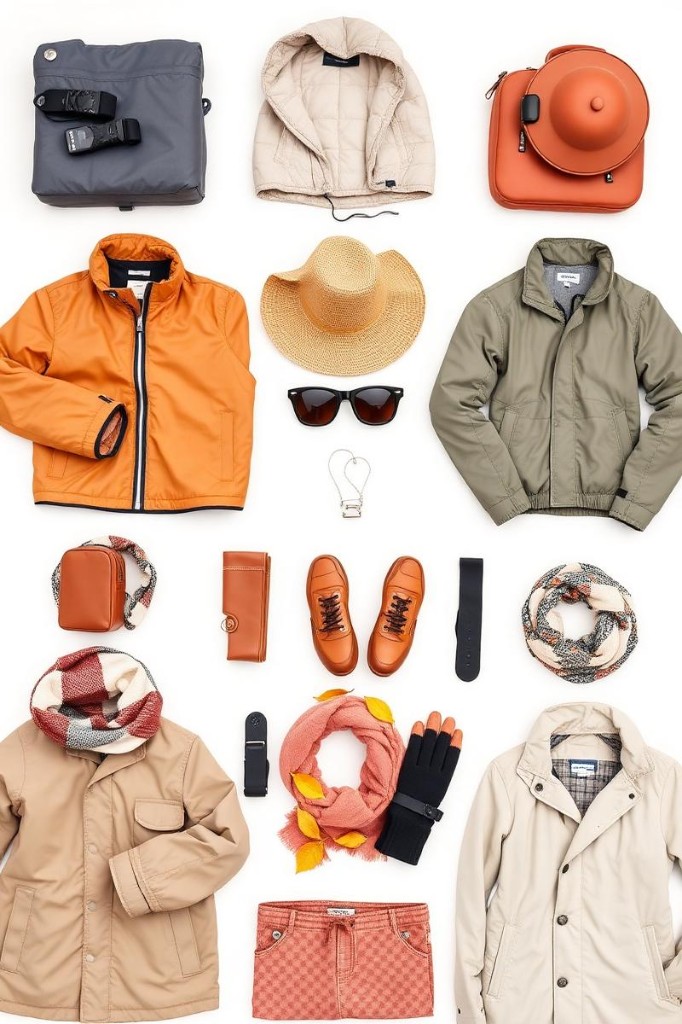
Dry Season: • Non-slip hiking boots • Long-sleeved breathable clothing • Hat and sunglasses • Lightweight poncho (showers possible)

Wet Season: • High waterproof boots • Quick-dry clothing • Quality full-coverage poncho • Waterproof gear bags • Change of clothes

All Seasons: • Tropical mosquito repellent • High-protection sunscreen • Headlamp • 2L / 68oz water bottle minimum

Travel clothing and gear by season

💰 Seasonal budget

PeriodLodge Accommodation (€/night)Transport (€/day)Nature Guides (€/day)Equipment (€)Attendance
Optimal Dry Season45-6525-3540-6030-50⭐⭐⭐⭐⭐
Wet Season30-4520-3030-4540-70⭐⭐
Shoulder Seasons35-5522-3235-5035-55⭐⭐⭐

💡 Money-saving tips

Local Guides: Prioritize community guides (30-40% cheaper) • Accommodation: Camping allowed with equipment (60-70% savings) • Transport: Shared groups from Paramaribo • Equipment: On-site rental available for specialized gear • Meals: Prepared picnics, camping cooking allowed

🏥 Health and precautions

Hydration: 3-4L / 100-135oz per day minimum, natural water purification • Insect Protection: 30% DEET repellent, covering clothing • Altitude: Gradual adaptation, frequent rest • Injuries: First aid kit, immediate disinfection • Emergencies: Radio link at visitor center, helicopter evacuation possible

Nature Events

Ecotourism event calendar for the Brownsberg Plateau

Participate in nature events that punctuate life on the plateau and enrich the ecotourism experience through authentic encounters.

🦜 Ornithological Observation Festival (March)

A flagship event gathering international ornithologists and enthusiasts to observe the 400 bird species of the plateau. Workshops on identification, guided night and day outings, and specialized conferences.

Location: Visitor center and main trails

Feature: Observation of rare migratory species, professional optical equipment provided

Climate Impact: Optimal dry period, maximum attendance, reservations required 2 months in advance

Access: Shuttles organized from Paramaribo, dedicated accommodation

Tip: Early registration mandatory, spots limited to 50 participants

🌿 Biodiversity Week (October)

Scientific and educational program celebrating the ecological richness of the plateau with botanists, biologists, and local communities. Participatory inventories, discovery of medicinal plants, nature photo workshops.

Location: Entire plateau, focus on the botanical trail

Feature: Participation in scientific research, possible discovery of new species

Climate Impact: Ideal dry season, optimal observation conditions, moderate attendance

Access: Organized group transport, camping preferred

Tip: Bring a notebook, participation is free but registration is required

🏕️ Tropical Stargazing Night (August)

Participatory astronomy event taking advantage of the plateau's lack of light pollution. Observation of the southern sky, astrophotography workshops, and traditional storytelling under the stars with local communities.

Location: High-altitude clearings, panoramic viewpoints

Feature: Exceptional sky, professional telescopes, astronomer guides

Climate Impact: Dry season guarantees clear skies, pleasant cool nights

Access: Guided night hike, camping equipment provided

Tip: Reservation 1 month in advance, warm clothing is essential

Seasonal events

Dry Season: • Themed guided hikes (February-April) • Waterfall photography workshops (March-April) • Family nature camps (September-November)

Wet Season: • Nocturnal amphibian observation (May-July) • Forest sound workshops (June-August) • Gentle survival courses (July-August)

Year-round: • Weekly birdwatching outings • Monthly medicinal plant workshops • Local community encounters

Responsible Ecotourism

Practice exemplary ecotourism at the Brownsberg Plateau by respecting this fragile ecosystem and supporting the local communities who are guardians of the forest.

The Brownsberg Plateau represents a biodiversity sanctuary requiring a respectful approach: limiting groups, marked trails only, zero waste, wildlife observation without disturbance, supporting the local economy, and preserving sacred community sites.

🌱 Low-season advantages

Visiting in the wet season reduces tourist pressure, allows for observation of natural wildlife behaviors, supports local guides year-round, preserves fragile trails, and offers an authentic tropical forest experience.

♻️ Sustainable travel tips

Zero Waste: Pack everything out, no disposable plastic • Water: Natural purification, no bottled water purchases • Wildlife: Silent observation, respected distance • Flora: No picking, trails only • Local Guides: Prioritize communities, fair compensation • Accommodation: Certified ecological structures

🏙️ Local sustainable initiatives

The plateau develops sustainable programs: training community guides, renewable energy for visitor centers, participatory scientific research, replanting endemic species, comprehensive waste management, and tourism that directly benefits Amerindian and Bushinengue communities.

Our Expert Recommendations

Recommendations for your nature adventure at the Brownsberg Plateau

After analyzing climatic conditions, seasonal biodiversity, and the ecotourism impact, our recommendations guide you toward the optimal experience according to your profile and expectations. The plateau reveals its secrets differently depending on the season, offering complementary experiences between the accessibility of the dry season and the raw spectacle of the wet season.

🏆 Optimal Period: September-November

Recommended Months: September, October, November

Advantages:
• Ideal weather conditions (little rain, pleasant temperatures)
• Trails perfectly accessible for all levels
• Wildlife very active after the wet season
• Waterfalls still well-fed
• Moderate attendance, preserved nature

Key Events: Biodiversity Week in October, bird migration observation

Disadvantages: Reservations recommended, some showers possible

Ideal Profile: All profiles, families, first-time visitors, photographers

Stay Duration: 3-5 days for complete discovery

🌿 Interesting Alternative: February-March

Alternative Months: February, March

Description: Small dry season offering an excellent compromise between favorable conditions and natural spectacle, with powerful waterfalls and lush vegetation at the end of the wet season.

Specific Advantages: Ornithological festival, nature at its peak beauty, optimal temperatures

For Whom: Nature lovers, photographers, birdwatchers, experienced trekkers

👥 Tips for your travel style

Families: September-November, short trails, visitor center, child-specialized guides, lodge accommodation

Budget: Wet season (reduced prices), camping, local guides, shared transport, rental equipment

Nature Enthusiasts: Any season depending on interests, February-March optimal, specialized events, scientific guides

Adventurers: Wet season acceptable, professional equipment, self-sufficiency experience, wild camping

First Trip: September-October mandatory, mandatory guides, comfortable accommodation, 3 days maximum duration

⚠️ Periods to Avoid: May-July

Discouraged Months: May, June, July

Reasons: Intense daily rain, dangerous muddy trails, limited access to waterfalls, specialized equipment essential, difficult conditions for beginners

Nuances: Acceptable for experienced naturalists seeking an authentic tropical forest experience

Villes du même pays

All cities

Frequently Asked Questions

Answers to essential questions for planning your discovery of the Brownsberg Plateau under optimal natural conditions.

What is the best month to visit the Brownsberg Plateau?

October is the optimal month, combining ideal weather, active wildlife, accessible trails, and moderate crowds. September and November also offer excellent conditions. Avoid May-July (intense wet season) unless you are looking for a raw nature experience with appropriate gear.

How many days should I plan for the Brownsberg Plateau?

3 to 4 days allow for a complete discovery: day 1 acclimatization and short trails, day 2 main hike and waterfalls, day 3 wildlife observation and viewpoints, day 4 optional for specialized activities. Nature enthusiasts can extend to 5-7 days for in-depth exploration.

What to do at the Brownsberg Plateau when it rains?

Tropical rain offers unique spectacles: observation of swollen waterfalls (use caution), wildlife observation shelters, visitor center with exhibits, indoor nature workshops, and amplified forest sounds. Showers are often short, allowing for outings between rainy episodes.

What events should not be missed at the Brownsberg Plateau?

Ornithological Festival (March) for bird lovers, Biodiversity Week (October) for scientific discovery, Stargazing Night (August) for astronomy. Seasonal events: themed hikes in the dry season, amphibian observation in the wet season, and community workshops year-round.

What budget should I plan according to the season?

Dry season budget (September-November): 80-120€/day all-inclusive with lodge accommodation. Wet season: 50-80€/day (reduced prices but specialized equipment required). Savings possible: camping (30-40€/day), local guides, shared transport. Plan for a 20-30% supplement for specialized tropical equipment.