When to visit Puerto Natales? City-Trip Guide

Between Patagonian winds, polar lights, and contrasting seasons, Puerto Natales offers a unique atmosphere at every time of the year.

  • 0.02 M population
  • Spanish language
  • 150 days rainy days/year
  • November to March best time to visit
  • 3 to 5 days recommended stay

Climate of Puerto Natales

Understanding the subpolar oceanic climate of Puerto Natales

Puerto Natales, nestled at 51° south latitude on the edge of the Última Esperanza fjord, experiences a subpolar oceanic climate (Köppen Cfc) characterized by powerful winds and frequent precipitation. The proximity of the Andes and glaciers accentuates the coolness throughout the year. Short, mild summers remain the ideal window for exploring this gateway to Patagonia.

  • Coastal zone: Maritime influence with strong winds and frequent precipitation
  • Interior steppes: Drier but windy climate, more contrasting temperatures
  • Andes Mountains: Alpine zone with eternal snow and glaciers
MonthMin. Temp. (°C / °F)Max. Temp. (°C / °F)Precipitation (mm / in)Sunshine (h/day)Tourist TrafficRecommended Activities
January8°C / 46°F17°C / 63°F30 mm / 1.2 in7★★★★★Trekking, glacier excursions, costanera
February8°C / 46°F17°C / 63°F25 mm / 1.0 in7★★★★★Hiking, fjord cruises, kayaking
March5°C / 41°F14°C / 57°F30 mm / 1.2 in5★★★★Autumn photography, museums, local gastronomy
April3°C / 37°F11°C / 52°F35 mm / 1.4 in4★★★Cultural visits, light hiking
May1°C / 34°F8°C / 46°F40 mm / 1.6 in3★★Milodón Cave, restaurants, local life
June-1°C / 30°F5°C / 41°F35 mm / 1.4 in2Southern winter tourism, authentic atmosphere
July-2°C / 28°F5°C / 41°F30 mm / 1.2 in2Local atmosphere, gastronomy, relaxation
August-1°C / 30°F7°C / 45°F30 mm / 1.2 in3Early spring, Patagonian wildlife
September1°C / 34°F9°C / 48°F25 mm / 1.0 in4★★Start of trekking season, fewer crowds
October3°C / 37°F12°C / 54°F30 mm / 1.2 in5★★★Spring flora, excursions, hiking
November5°C / 41°F14°C / 57°F25 mm / 1.0 in6★★★★Trekking, cruises, coastal walks
December7°C / 45°F16°C / 61°F30 mm / 1.2 in7★★★★★Peak southern summer, all outdoor activities

Altitude variations between sea level and the Andean peaks (up to 3,000m / 9,843ft) create distinct microclimates. The temperature drops by approximately 6°C / 10.8°F per 1,000m / 3,281ft of altitude, directly influencing hiking conditions toward Torres del Paine.

Seasons in Puerto Natales

Must-sees according to the weather

Puerto Natales offers varied attractions, adapted to the whims of Patagonian weather. Whether the sky is overcast or the sun illuminates the Última Esperanza fjord, there is always something unforgettable to explore in this city and its immediate surroundings.

☔ In overcast or rainy weather

Indoor & protected sites

When the Patagonian wind blows and rain arrives, Puerto Natales offers warm cultural refuges that are well worth the visit.

  • 🏛️ Museo Histórico Municipal — History of colonization and indigenous peoples. Duration: 1h. Price: free. Open all year.
  • 🦥 Cueva del Milodón (24 km / 15 miles away) — Prehistoric cave housing a replica of the famous giant sloth. Duration: 2h. Price: ~5,000 CLP. Open all year.
  • Cafes and restaurants on Baquedano Street — Local atmosphere, Patagonian lamb, hot chocolate. Ideal in the rain.
  • 🛍️ Covered craft market — Wools, leathers, and regional souvenirs. Duration: 1h.
  • 📚 Library and cultural center — Temporary exhibitions on Magellanic wildlife and culture.

Practical tip: Sites like the Cueva del Milodón are less crowded outside of high season; take advantage of this to avoid groups.

Tip: Combine the museum visit in the morning with lunch in a traditional restaurant offering centolla (local king crab).
☀️ In good weather

Optimal outdoors

When the sun breaks through and the wind calms down, Puerto Natales reveals breathtaking wild beauty. The fjord, snow-capped mountains, and Patagonian steppe compose an exceptional scene.

  • 🌊 Costanera (fjord promenade) — Panoramic view of the Seno Última Esperanza and Andean peaks. Best time: sunrise or sunset.
  • 🦜 Magallanes National Reserve — Hiking in the lenga forest, wildlife observation. Duration: 2 to 4h.
  • Cruise to Balmaceda and Serrano glaciers — Full-day excursion on the fjord. Book in advance. Duration: 8h.
  • 🦙 Guanaco observation — On the outskirts of the city on the road to Torres del Paine.
  • 🚴 Cycling on the scenic road — Rentals available in the city, ideal in calm weather.

Best time: In summer (December-February), the sun can set after 10:00 PM, offering magical golden light over the fjord.

Seasonal tip: November and March offer exceptional photographic light quality with fewer crowds than in mid-summer.

🌤️ Versatile for all weather

Sites flexible for all weather

Certain places in Puerto Natales adapt perfectly to all conditions, whether it is windy, raining, or sunny.

  • 🏘️ Historic center and Baquedano Street — Shops, cafes, galleries; a pleasant circuit in any weather.
  • 🌿 Dorotea Viewpoint — Short hike (3h round trip) with panoramic view; doable even with partially overcast skies.
  • 🍽️ Local gastronomic scene — King crab, Patagonian lamb, restaurants open all year round.

Weather tip: Start the day at the viewpoint if the sky is clear in the morning, then retreat to the city center and its cafes if clouds arrive in the afternoon.

Itinerary example: 8:30 AM – departure for Dorotea viewpoint → 12:00 PM – return to city and local lunch → 2:00 PM – museum or Cueva del Milodón → 5:00 PM – costanera walk with fjord view.

💰 Free or economical

Visits at no cost

  • 🌅 Costanera and waterfront — Free access, stunning view of the Última Esperanza fjord, free.
  • 🏛️ Museo Histórico Municipal — Free admission, rich in Patagonian history.
  • 🦙 Wildlife observation — Guanacos, condors, and flamingos freely observable on the outskirts of the city.
  • 🚶 Walks in historic districts — Typical colorful wooden architecture, totally free.

Free days: The municipal museum is free all year round. Some community events (local festivals) also have free access.

Budget tips: Local markets offer regional products at low prices; the panoramas from the costanera are among the most beautiful in Patagonia, and entirely free.

Practical Guide

Patagonia imposes its own rules: in Puerto Natales, the weather can change several times a day. Plan for equipment adapted to all conditions, regardless of the season, and anticipate your bookings in high season to avoid unpleasant surprises.

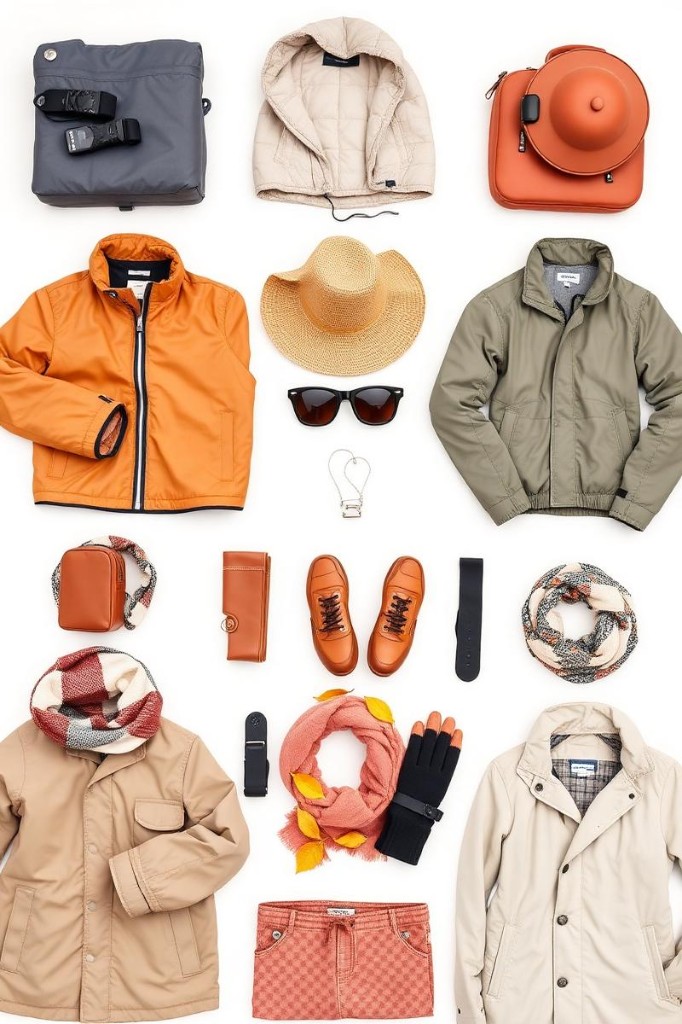
👕 Seasonal packing

Southern Summer (December-February): • Layerable clothing (multi-layer system) • Essential waterproof windbreaker • Waterproof walking shoes • Sunglasses and high-SPF sunscreen • Light beanie and gloves for evenings

Southern Autumn (March-May): • Warm fleece • Robust raincoat • Lightweight hiking shoes • Scarf and beanie • Waterproof bag for camera equipment

Southern Winter (June-August): • Thick down jacket or technical coat • Thermal underwear • Lined hiking boots • Beanie, warm gloves, and neck warmer • Light crampons if planning outings

Southern Spring (September-November): • Waterproof windbreaker • Fleece mid-layers • Waterproof shoes • Sun protection (intense UV in Patagonia) • Light beanie and gloves

Travel clothing and gear by season

💰 Seasonal budget

PeriodAccommodation (€/night)Transport (€/day)Restaurants (€/day)Attractions (€)Traffic
Dec – Feb (high season)80 – 18015 – 3030 – 6020 – 80★★★★★
November60 – 13012 – 2525 – 5015 – 60★★★★
March – April45 – 10010 – 2020 – 4010 – 40★★★
May – August (winter)25 – 608 – 1515 – 305 – 20
September – October40 – 9010 – 2020 – 4010 – 40★★

💡 Money-saving tips

Book your excursions well in advance: cruises to the glaciers and Torres del Paine circuits are fully booked as early as October for the high season.

Prioritize lunch menus (colaciones) in local restaurants: better value for money than in the evening.

Rent a bike rather than a taxi for getting around the city and immediate surroundings.

Stay in a hospedaje-style hostel for an authentic local experience at a reduced price.

Visit in November or March to enjoy an excellent quality-weather-price ratio before or after the high season.

🏥 Health and precautions

  • Very intense UV in southern summer despite cool temperatures: SPF 50+ sunscreen essential
  • Violent wind can cause hypothermia even in summer: windproof equipment mandatory
  • Hydration: dry air and wind dehydrate you quickly during hikes
  • Pharmacy: Puerto Natales has several pharmacies open during the day; bring a complete first-aid kit for excursions
  • Altitude: some nearby trails reach 1,000m / 3,281ft; gradual acclimatization recommended

Events in Puerto Natales

Calendar of must-see events in Puerto Natales

The festivals and festivities of Puerto Natales immerse visitors in the heart of Patagonian culture, significantly enriching the urban experience and the general atmosphere of the city depending on the time of year.

🐟 Festival de la Pesca y el Mar — January/February

The Fishing and Sea Festival celebrates Puerto Natales' ancestral connection to the southern Pacific every year. Tasting of local seafood, concerts, folk dances, and craft exhibitions enliven the waterfront for several days, creating a festive and popular atmosphere throughout the city.

Location: Costanera and Plaza de Armas, city center.

Highlight: Free tasting of king crab (centolla) and Patagonian mussels with local fishermen.

Weather impact: Coincides with the peak southern summer; the city is at its busiest. Book your accommodation 3 to 6 months in advance.

Access: Walking distance from all points in the city center. Free festival access.

Planning tip: City center accommodations are fully booked by October for this period.

🏙️ Aniversario de Puerto Natales — July

The city celebrates its founding anniversary every year in July with official parades, traditional dances, and craft markets, giving Puerto Natales an unexpected festive and warm atmosphere in the heart of the southern winter. It is one of the few opportunities to experience the city in a purely local version.

Location: Plaza de Armas and pedestrian streets of the historic center.

Highlight: Chilean folk music concerts and regional gastronomy contests.

Weather impact: Harsh southern winter but warm indoor festivities. Low tourist traffic; very attractive prices.

Access: Walking distance in the city center, free public events.

Planning tip: Accommodation is easy to find in July; ideal for an affordable last-minute trip.

🌿 Torres del Paine Season Opening — October/November

The official opening of the Torres del Paine park season in October-November transforms Puerto Natales into a lively base camp for thousands of hikers from around the world. Trekking agencies reopen, outfitters restock, and restaurants return to their full pace. The atmosphere is filled with anticipation and adventure.

Location: Puerto Natales (logistics base) and Torres del Paine National Park (90 km / 56 miles).

Highlight: Organization of conferences on the Patagonian environment and trekking preparation workshops.

Weather impact: Spring transition with unstable weather; crowds increase gradually. Book early for November.

Access: Regular shuttles from Puerto Natales to the park during the season.

Planning tip: Refuges on the W circuit and the full circuit are fully booked by May-June for the following season.

Seasonal events

Southern Summer (December-February):

• Festival de la Pesca y el Mar (January-February, costanera, cultural/gastronomic) • Summer craft markets (December-February, city center, weekly) • Folk evenings in restaurants and bars (all season, city center)

Southern Autumn (March-May):

• End of fjord cruise season (March) • Easter festivities with processions (April, variable) • Local market for regional products (April-May, plaza)

Southern Winter (June-August):

• Aniversario de Puerto Natales (July, plaza, official/festive) • Chilean Fiestas Patrias (September 18-19, near autumn, parades and cuecas)

Southern Spring (September-November):

• Reopening of trekking and cruise season (October) • Local spring festivals (November, central plaza) • Environment and Patagonian wildlife week (October-November)

Responsible tourism in Puerto Natales

Visiting Puerto Natales means committing to an ecosystem among the most fragile on the planet. Your travel choices — season, accommodation, transportation — have a direct impact on Patagonian biodiversity and the quality of life of the inhabitants.

Puerto Natales focuses on sustainable tourism that respects its natural wealth. Favor certified local operators, family-run accommodations (hospedajes) over large chains, and collective transport over individual vehicles. Waste management in natural environments is a shared responsibility: leave nothing in the parks or on the trails.

🌱 Low-season advantages

Traveling between April and October helps to reduce pressure on sensitive ecosystems, obtain fairer prices for local providers, and live an authentic experience far from the tourist flows that saturate Torres del Paine in high season.

♻️ Sustainable travel tips

Collective transport: use collective shuttles rather than taxis or rental cars to reach Torres del Paine.

Local restaurants: prefer family-run establishments that cook regional products (lamb, king crab) over standardized tourist addresses.

Certified accommodations: choose hospedajes and lodges displaying environmental practices (waste sorting, local wood heating, water recovery).

Reduce plastic: bring a filtered water bottle; tap water is of high quality in Patagonia.

Walking in the city: Puerto Natales is a human-sized city, entirely explorable on foot.

Alternative circuits: do not limit your stay to Torres del Paine; explore the less frequented surroundings (Eberhard fjord, Sofia lagoon).

🏙️ Local sustainable initiatives

Puerto Natales is gradually committing to greener tourism: reduction of plastic bags in local commerce, development of marked trails to limit erosion, community cleanup initiatives on the fjord shores, and environmental education programs in schools in the Magallanes region.

Our recommendations

Recommendations for your stay in Puerto Natales according to your preferences

Puerto Natales shines primarily during the southern summer (November to March), when weather conditions allow you to fully enjoy the fjord, hiking, and boat excursions. November and March offer a perfect balance between favorable weather, moderate crowds, and still reasonable prices. Travelers looking for authenticity and low prices will benefit from coming in winter, while lovers of autumn landscapes will find their happiness in April. Regardless of the period, anticipate your bookings: accommodations and excursions sell out quickly in high season.

Optimal period: November and December

Recommended months: November, December, January, February

  • Long days with up to 17-18 hours of natural light
  • Mild temperatures and favorable outdoor conditions
  • All operators, restaurants, and accommodations open
  • Optimal access to glaciers, hiking, and fjord cruises
  • Festive international atmosphere on the costanera

Key events: Festival de la Pesca y el Mar (January-February), peak Torres del Paine season.

Disadvantages: High crowds and high prices; bookings essential several months in advance.

Ideal profile: Hikers, families, first-time travelers, outdoor activity enthusiasts.

Recommended duration: 3 to 5 days in the city, to be combined with Torres del Paine.

Interesting alternative: November and March

Alternative months: November, March, October

November and March represent the best alternatives to the high season: the weather remains favorable, crowds decrease significantly, and accommodation prices drop by 20 to 40%. The autumn landscapes of March are also among the most photogenic in all of Patagonia.

Specific advantages: Shorter queues for excursions, warmer contacts with locals, better photographic light quality in March.

For whom: Photographers, independent travelers, couples, lovers of authentic nature.

👥 Tips for your travel style

🏔️ Hikers/Adventurers: December-January • Torres del Paine excursions, glacier cruises • Refugio or adventure hostel accommodations • Collective shuttles to the park.

👨‍👩‍👧 Families: December-January • Costanera, Cueva del Milodón, wildlife observation • Family-run hospedajes in the city center • Half-day activities adapted for children.

📸 Photographers: March (autumn light) or November (spring light) • Dorotea viewpoint, costanera, fjord • Sunrise and sunset over Última Esperanza • Accommodations with fjord views.

💑 Couples/Romantic: November or February • Dinners facing the fjord, private glacier cruise • Small boutique hospedaje in the historic center.

💰 Small budgets: September-October or April • Local hospedajes at 25-50 €/night • Lunch menus, markets, free activities • Collective shuttles for excursions.

🌍 First trip to Patagonia: December-January • Organize a circuit from Puerto Natales including Torres del Paine • Local agency recommended for excursions • Plan for at least 5 to 7 days including the national park.

Periods to avoid: June, July, August

Not recommended months: June, July, August

Reasons: Temperatures near freezing, violent winds, numerous operator and accommodation closures, access to national parks very limited or impossible, very short days (less than 8 hours of light).

Nuances: Winter remains interesting for intrepid travelers wanting an authentic and economical experience. The city anniversary in July offers a unique cultural glimpse. Quality accommodations remain open all year round.

Villes du même pays

All cities

Frequently Asked Questions

Here are the answers to essential questions to plan your stay in Puerto Natales with peace of mind, taking into account the Patagonian climate and local specifics.

What is the best month to visit Puerto Natales?

The best time to visit Puerto Natales is between November and March, with a marked preference for November and December-January. These months offer the longest days of the year (up to 18 hours of light in the peak southern summer), the mildest temperatures (8 to 17°C / 46 to 63°F), and access to all activities: hiking, fjord cruises, and glacier excursions. November and March offer an optimal balance between pleasant weather, moderate crowds, and still accessible prices, unlike the high season of January-February where everything is fully booked.

How many days should I plan for Puerto Natales?

Plan for 3 to 5 days to explore Puerto Natales and its immediate surroundings (Cueva del Milodón, Magallanes Reserve, Última Esperanza fjord). If you plan to combine it with Torres del Paine — which most travelers do — plan for 7 to 10 days in total. For the park's W circuit, you must add 4 to 5 days of trekking. Puerto Natales serves as an ideal logistics base: one night upon arrival to get equipped, and one night upon return to recover before flying out from Punta Arenas.

What to do in Puerto Natales if it rains?

Rain is part of Patagonian life and should not stop your trip! In case of bad weather, head to the Museo Histórico Municipal to dive into the history of colonization, then head to the Cueva del Milodón (partially covered), a fascinating prehistoric site 24 km / 15 miles away. The cafes and restaurants on Baquedano Street invite you for long gastronomic breaks over a mate or a meal of king crab. Local craft shops offer traditional woolens and leathers. Rain in Puerto Natales is also an opportunity to chat with locals and experience the city at their pace.

What events should not be missed in Puerto Natales?

The Festival de la Pesca y el Mar (January-February) is the city's iconic event, with seafood tastings, concerts, and folk dances on the costanera. In July, the Aniversario de Puerto Natales offers an authentic cultural glimpse in the middle of the southern winter. In October-November, the opening of the Torres del Paine season transforms the city into a lively adventure base. The Chilean Fiestas Patrias (September 18-19) bring their share of cuecas and community barbecues. Check the local calendar before your departure so you don't miss anything.

What budget should I plan for Puerto Natales depending on the period?

In high season (December-February), plan for 130 to 270 €/day (city accommodation 80-180 €, restaurants 30-60 €, excursions 20-80 €). In the shoulder season (November, March), the budget drops to 85-200 €/day with an almost identical quality of experience. In the low season (winter, June-August), the stay becomes very accessible: 50-110 €/day, but with very limited outdoor activities. Glacier excursions represent the largest expense (50 to 80 € per person); book directly with local operators to avoid intermediaries and benefit from better rates.