When to visit Chile? Complete Guide

From the Atacama Desert to Patagonian glaciers, discover the climatic secrets of the longest country in the world.

  • 19.6 M population
  • Spanish language
  • 45 days rainy days/year
  • October to April best time to visit
  • 10 to 21 days recommended stay

Weather and Climate in Chile

Understanding the varied climate of the Chilean territory

Chile stretches over 4,300 km / 2,672 miles from north to south, creating five distinct climatic zones. This unique geographical diversity offers completely different weather experiences depending on the region visited.

  • Desert North: Arid climate with very little rainfall, constant sunshine
  • Mediterranean Center: Dry and hot summers, mild and humid winters
  • Temperate South: Oceanic climate with regular rainfall throughout the year
  • Patagonia: Cold and windy climate with extreme variations
  • Andes: Mountain climate with eternal snow and altitudinal variations
MonthNorthCenterSouthPatagonia
Jan-Feb25-30°C / 77-86°F28-32°C / 82-90°F18-22°C / 64-72°F12-16°C / 54-61°F
Mar-May20-25°C / 68-77°F20-25°C / 68-77°F15-18°C / 59-64°F8-12°C / 46-54°F
Jun-Aug15-20°C / 59-68°F12-16°C / 54-61°F8-12°C / 46-54°F2-6°C / 36-43°F
Sep-Nov20-25°C / 68-77°F18-22°C / 64-72°F12-16°C / 54-61°F6-10°C / 43-50°F
Dec25-30°C / 77-86°F25-30°C / 77-86°F16-20°C / 61-68°F10-14°C / 50-57°F

Altitude plays a crucial role in Chilean climate variations. From the Pacific coast to the Andean peaks reaching over 6,000 meters / 19,685 feet, each altitudinal level offers specific weather conditions that directly influence the travel experience.

Chilean Seasons

Climate by Chilean Region

Chile's exceptional geography creates unique microclimates. From the most arid desert in the world to Patagonian glaciers, each region offers specific climatic conditions that directly influence your travel experience.

🏜️ Desert North (Atacama)

The Atacama Desert offers an extreme desert climate with over 300 days of sunshine per year. This unique region presents significant temperature variations between day and night, creating perfect conditions for astronomical observation.

PeriodWeatherTemperatureActivities
Dec-FebPermanent sun25-30°C / 77-86°F / 5-10°C / 41-50°FGeysers, lagoons, hiking
Mar-MayIdeal conditions20-25°C / 68-77°F / 0-5°C / 32-41°FStargazing, flowering desert
Jun-AugCool but sunny15-20°C / 59-68°F / -5-0°C / 23-32°FAstronomy, hot springs, culture
Sep-NovDesert spring20-25°C / 68-77°F / 0-5°C / 32-41°FFlowering, trekking, photo

Specifics: Extreme thermal amplitude (up to 25°C / 45°F day/night difference), very dry air, intense UV at altitude, desert flowering phenomenon every 5-7 years.

🍇 Mediterranean Center (Santiago, Valparaíso)

The central region enjoys a Mediterranean climate with dry, hot summers and mild, humid winters. It is the economic and cultural heart of Chile, housing the majority of the population and famous vineyards.

PeriodWeatherTemperatureActivities
Dec-FebDry and hot28-32°C / 82-90°F / 12-15°C / 54-59°FBeaches, vineyards, mountains
Mar-MayMild autumn20-25°C / 68-77°F / 8-12°C / 46-54°FHarvest, hiking, culture
Jun-AugHumid winter12-16°C / 54-61°F / 3-6°C / 37-43°FSkiing, hot springs, museums
Sep-NovPleasant spring18-22°C / 64-72°F / 6-10°C / 43-50°FGardens, trekking, festivals

Specifics: Smog possible in Santiago in winter, oceanic influence on the coast, wine microclimates, urban air pollution, refreshing sea breezes.

🌲 Temperate South (Lake District)

The temperate south presents an oceanic climate with rainfall distributed throughout the year. This lush region is home to lakes, volcanoes, and ancient forests, creating landscapes of striking beauty.

PeriodWeatherTemperatureActivities
Dec-FebMild and humid18-22°C / 64-72°F / 8-12°C / 46-54°FLakes, volcanoes, hot springs
Mar-MayColorful autumn15-18°C / 59-64°F / 5-8°C / 41-46°FForests, photography, fishing
Jun-AugRainy winter8-12°C / 46-54°F / 2-5°C / 36-41°FSkiing, Mapuche culture, gastronomy
Sep-NovGreen spring12-16°C / 54-61°F / 4-8°C / 39-46°FHiking, wildlife observation

Specifics: Significant rainfall (1,500-3,000mm / 59-118in per year), temperate rainforests, volcanic activity, strong oceanic influence, lake microclimates.

🏔️ Chilean Patagonia

Chilean Patagonia offers a subantarctic climate with violent winds and extreme conditions. This wild region is home to glaciers, fjords, and unique wildlife in breathtaking landscapes.

PeriodWeatherTemperatureActivities
Dec-FebAustral summer12-16°C / 54-61°F / 4-8°C / 39-46°FTrekking, glaciers, navigation
Mar-MayWindy autumn8-12°C / 46-54°F / 2-6°C / 36-43°FPhotography, marine wildlife
Jun-AugHarsh winter2-6°C / 36-43°F / -2-2°C / 28-36°FAurora observation, culture
Sep-NovUnstable spring6-10°C / 43-50°F / 0-4°C / 32-39°FSeason prep, acclimatization

Specifics: Violent winds (up to 120 km/h / 75 mph), rapid weather changes, moving glaciers, deep fjords, endemic wildlife adapted to extreme conditions.

Practical Guide for Chile

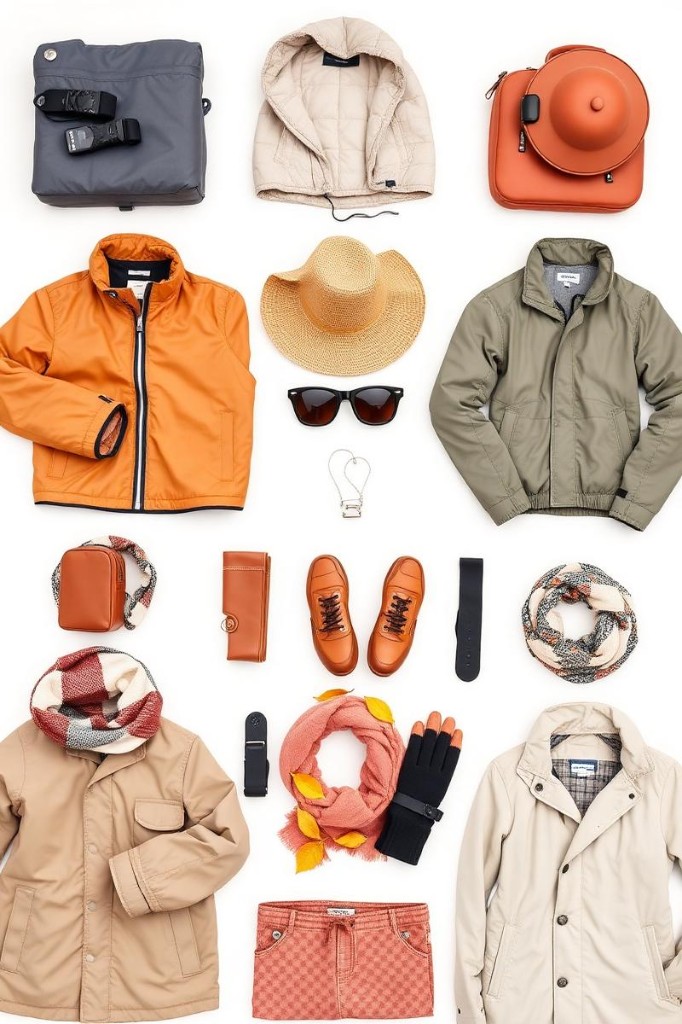
Traveling to Chile requires appropriate preparation for the country's exceptional climatic diversity. From technical equipment for Patagonia to sun protection for the Atacama, each region requires a specific approach to fully enjoy your stay.

👕 Seasonal packing

Summer (Dec-Feb):

  • Light and breathable clothing
  • Sun protection (hat, sunglasses, SPF50+ cream)
  • Fleece for evenings at altitude
  • Hiking shoes
  • Windbreaker for Patagonia

Autumn (Mar-May):

  • Layering system
  • Waterproof jacket
  • Long pants
  • Beanie and gloves for altitude

Winter (Jun-Aug):

  • Extreme cold gear for the south
  • Ski clothing for the Andes
  • Quality raincoats
  • Thermal underwear

Spring (Sep-Nov):

  • Mid-season clothing
  • Wind protection
  • Hiking gear
  • Fleece jacket
Travel clothing and gear by season

💰 Seasonal budget

PeriodAccommodation (€)Transport (€)Activities (€)Crowds (/5)Budget Tips
Summer (Dec-Feb)80-200150-300100-2505/5Book 6 months in advance
Autumn (Mar-May)60-150120-25080-2003/5Negotiate group rates
Winter (Jun-Aug)40-10080-18060-1502/5Take advantage of last-minute deals
Spring (Sep-Nov)50-130100-22070-1803/5Avoid long weekends

💡 Money-saving tips

  • Avoid high season: Traveling in autumn or spring saves 30-40% on accommodation
  • Book in advance: Flights and accommodation in Patagonia should be booked 4-6 months ahead
  • Take advantage of low-season promotions: Winter offers reduced rates of up to 50% in some regions
  • Compare seasonal prices: Outdoor activities are cheaper outside the summer season
  • Prioritize local transport: Long-distance buses are very economical and comfortable

🏥 Health and precautions

Seasonal precautions:

  • Sun protection: Extreme UV at altitude and in the desert (SPF 50+ mandatory)
  • Altitude sickness: Gradual acclimatization above 3,500m / 11,483ft in the Atacama
  • Hydration: Drink 3-4L / 100-135oz of water per day in the desert; very dry air
  • Rainy season: Risk of landslides in the center during winter
  • Hypothermia: Appropriate equipment mandatory in Patagonia
  • Vaccinations: No specific vaccinations required; DTP update recommended
  • Insurance: Coverage for outdoor activities and medical evacuation is essential

Chilean Events & Festivals

Cultural calendar and festivities not to be missed in Chile

Chilean seasonal events pace the country's cultural life and offer an authentic immersion into local and contemporary traditions.

Viña del Mar Festival (February)

The largest music festival in Latin America transforms the seaside resort into a continental musical capital. International concerts, competitions, and a unique festive atmosphere on the Pacific coast.

Location: Viña del Mar, Quinta Vergara

Highlight: Broadcast throughout Latin America, international artists

Climate impact: Ideal austral summer, mild temperatures and pleasant evenings

Fiestas Patrias (September 18-19)

The Chilean national holiday celebrates independence with culinary traditions, folk dances, and rodeos. The entire country lives to the rhythm of patriotic celebrations in a friendly atmosphere.

Location: Nationwide

Highlight: Traditional empanadas, cueca, chicha, and terremotos

Climate impact: Pleasant spring, perfect conditions for outdoor festivities

Desert Festival (January)

A unique musical event organized in the Atacama Desert. Concerts under the stars in an exceptional natural setting, mixing electronic music and lunar landscapes.

Location: Atacama Desert, near San Pedro

Highlight: Exceptional natural acoustics, astronomical observation

Climate impact: Ideal cool nights, permanent clear skies

Seasonal events

Summer (Dec-Feb): Viña del Mar Festival (February), Desert Festival (January), Northern Carnivals (February)

Autumn (Mar-May): Harvest Festival (March-April), Providencia Jazz Festival (May), Book Fair (April)

Winter (Jun-Aug): Santiago Film Festival (August), La Tirana Festival (July), Mapuche New Year (June)

Spring (Sep-Nov): Fiestas Patrias (September), Valparaíso Festival (October), Art Week (November)

Responsible Travel in Chile

Chile offers unique opportunities for sustainable tourism in harmony with its fragile ecosystems and local communities, particularly sensitive to seasonal climate variations.

Chilean climatic diversity is home to fragile ecosystems from the Atacama Desert to temperate forests. Respecting wildlife breeding seasons, minimizing impact on Patagonian glaciers, and supporting local communities are essential for responsible travel.

🌱 Low-season advantages

Traveling outside the summer season significantly reduces your carbon footprint while supporting the local economy in a more balanced way and preserving fragile natural sites.

♻️ Sustainable travel tips

  • Water management: Save water in the Atacama Desert, the most arid region in the world
  • Waste: Respect the 'Leave No Trace' principle in Patagonia
  • Transport: Prioritize long-distance buses; the network is excellent and eco-friendly
  • Biodiversity: Observe wildlife from a respectful distance, especially during nesting periods
  • Communities: Support Mapuche crafts and local guides
  • Energy: Choose accommodations using renewable energy

🏙️ Local sustainable initiatives

Chile is developing innovative projects: wind farms in Patagonia, solar observatories in the Atacama, glacier conservation programs, and Mapuche community tourism initiatives that respect ancestral traditions.

Our Expert Recommendations

Expert recommendations for your trip to Chile

After analyzing climatic data and our field expertise, we offer personalized recommendations based on your traveler profile. Chile's climatic diversity allows you to perfectly adapt your stay to your expectations and seasonal constraints.

Optimal Period: December - February

Recommended months: December, January, February

Advantages:

  • Optimal access to all regions
  • Perfect conditions for Patagonia
  • Long sunny days
  • Possible flowering of the Atacama Desert
  • Pleasant temperatures everywhere

Disadvantages: High tourist season, high prices

Ideal profile: Families, first-time visitors, nature lovers

Balanced Alternative: March - April

Alternative months: March, April

Description: Excellent compromise between favorable weather conditions and moderate crowds

Specific advantages: Magnificent autumn colors, harvest period, more affordable prices, still very pleasant climate

👥 Tips for your travel style

Family with children: December-February, prioritize the center and north, avoid windy Patagonia

Tight budget: March-May or September-November, avoid December-January, negotiate in low season

Extreme adventure: December-February for Patagonia, optimal conditions for trekking and glaciers

Luxury travel: January-February, premium season with high-end services available

Photographer: March-April for autumn colors, exceptional golden light

Period to avoid: June - August

The austral winter limits access to Patagonia and brings difficult conditions in the south. However, it is the ideal period for skiing in the Andes and exploring the Atacama Desert.

Cities to explore

Discover the must-sees of urban travel

All cities

Frequently Asked Questions

Find answers to essential questions to plan your trip to Chile according to optimal climatic conditions.

What is the best time to visit Chilean Patagonia?

The best time for Patagonia is from December to February (austral summer). Temperatures are milder (10-16°C / 50-61°F), days are long (up to 17 hours of daylight), and access to national parks is optimal. Avoid the austral winter (June-August) when conditions are extreme.

Can the Atacama Desert be visited all year round?

Yes, the Atacama can be visited all year round thanks to its stable desert climate. The day/night temperature range is significant (up to 25°C / 45°F difference). Summer (December-February) offers the best conditions, but winter remains very pleasant with constant sunshine and fewer crowds.

When can you observe the flowering of the Atacama Desert?

The flowering of the desert is an exceptional phenomenon that occurs every 5-7 years between September and November, after unusual rainfall. The next major flowering is unpredictable, but partial blooms can occur in some years during spring.

What budget should I plan according to the season?

Prices vary significantly: high season (December-February) is +40-60% compared to low season. Expect 150-300€ / $160-$320 per day in summer versus 80-180€ / $85-$190 per day in winter. Autumn and spring offer the best value for money with still favorable weather conditions.

How should I dress for a trip to Chile?

Adopt the layering system, which is essential for dealing with climate variations. Bring technical clothing for Patagonia, reinforced sun protection for the Atacama (SPF50+), and mountain gear for the Andes. The day/night temperature range always requires a warm layer.