When to visit Queen Elizabeth National Park? Safari Guide

Discover the best times to observe exceptional wildlife in one of the most diverse parks in East Africa.

  • Protected wildlife population
  • English, Luganda language
  • 120 days rainy days/year
  • June to September best time to visit
  • 3 to 5 days recommended stay

Climate of Queen Elizabeth Park

Understanding the equatorial tropical climate of Queen Elizabeth Park

Queen Elizabeth National Park enjoys an equatorial tropical climate influenced by its proximity to the equator and Lake Edward. Variations in altitude create microclimates that support exceptional biodiversity, optimizing conditions for wildlife viewing.

  • Plains zone: Warmer and drier climate, ideal for spotting large mammals
  • Mountainous zone: Cooler temperatures with higher rainfall, habitat for primates
MonthMin Temp (°C / °F)Max Temp (°C / °F)Precipitation (mm)Sunshine (h/day)Tourist TrafficWildlife Viewing
January18°C / 64°F28°C / 82°F408★★★★☆Excellent
February18°C / 64°F29°C / 84°F608★★★★☆Very Good
March18°C / 64°F28°C / 82°F1007★★★☆☆Good
April18°C / 64°F27°C / 81°F1506★★☆☆☆Difficult
May18°C / 64°F27°C / 81°F1206★★☆☆☆Difficult
June17°C / 63°F27°C / 81°F707★★★★★Excellent
July17°C / 63°F27°C / 81°F507★★★★★Excellent
August17°C / 63°F28°C / 82°F607★★★★★Excellent
September17°C / 63°F28°C / 82°F707★★★★☆Excellent
October18°C / 64°F28°C / 82°F907★★★☆☆Good
November18°C / 64°F27°C / 81°F1106★★☆☆☆Average
December18°C / 64°F28°C / 82°F807★★★☆☆Good

Altitude varies from 910 to 1,390 meters / 2,986 to 4,560 feet, creating diverse ecosystems: savannas, tropical forests, and wetlands around Lakes Edward and George.

The Seasons

Sectors based on weather conditions

Optimize your safari by choosing park sectors adapted to climatic conditions to maximize your wildlife sightings.

☀️ Optimal Dry Weather

Open savanna sectors

Justification: Open plains offer maximum visibility when vegetation is dry and animals are concentrated.

Recommended sites:
🦁 Kasenyi Sector - Lions and antelopes (3-4h) - Entrance $40 - June to September
🐘 Mweya Plains - Elephants and buffaloes (2-3h) - Optimal morning viewing - All dry season
🦛 Kazinga Channel - Hippos and crocodiles (2h) - Cruise $30 - Best visibility in dry season
🦌 Ishasha Sector - Tree-climbing lions (4-5h) - Unique phenomenon - July-August optimal
🦅 Lake George - Water birds (1-2h) - Free - Maximum concentration in dry season

Practical advice: Morning safari booking recommended, local guide essential for Ishasha

Additional tip: Combine Kazinga cruise with land safari, 3-day pass is cost-effective for multi-sector visits
🌧️ Humid Conditions

Forested and protected zones

Justification: Wooded sectors remain passable and offer unique sightings during the rainy season.

Recommended sites:
🐒 Kyambura Gorge - Chimpanzees (3-4h) - Tracking $50 - Optimal in rainy season
🌳 Maramagambo Forest - Primates and bats (2-3h) - Entrance $15 - Accessible all seasons
🦆 Lake Katwe - Flamingos (1-2h) - Free - Spectacular in rainy season
🐾 Mweya Nature Trails - Forest wildlife (1-2h) - Guided $20 - Ideal in overcast weather
🏞️ Katwe Crater - Geology and birds (2h) - Entrance $10 - Less crowded in rainy season

Best time of day: Morning for chimpanzees (6 AM-10 AM), afternoon for water birds

Season tip: March-May optimal for active chimpanzees, avoid tracking during heavy rain

🌤️ All-Weather Versatile

Adaptable sites

Justification: Sectors offering indoor/outdoor alternatives depending on weather conditions.

Recommended sites:
🏛️ Mweya Information Center - Wildlife exhibit (1h) - Free - Refuge in bad weather
🌋 Explosive Craters - Accessible geology (2-3h) - Variable depending on weather
🦎 Mweya Short Trails - Quick observation (30min-1h) - Adaptable to conditions

Weather tip: Start with indoor sites if the sky is threatening, adjust itinerary based on weather evolution

Example itinerary: Morning information center + short trail, afternoon long safari if weather improves

💰 Budget Options

Budget-friendly activities

Free/Economical sites:
🎯 Mweya Viewpoints - Free panoramas - Lake Edward and Rwenzori Mountains
🌅 Kasenyi Sunrise - Free viewing from campsites - Authentic atmosphere
🏕️ Camping Trails - Free access for residents - Nocturnal wildlife possible

Advantageous days: Reduced accommodation rates in rainy season, guide negotiation possible in low season

Budget tips: Economical public camping, self-catering allowed, share guide costs between travelers

Practical Guide

Prepare your safari in Queen Elizabeth Park with our practical recommendations adapted to the climatic variations and specificities of this exceptional Ugandan park.

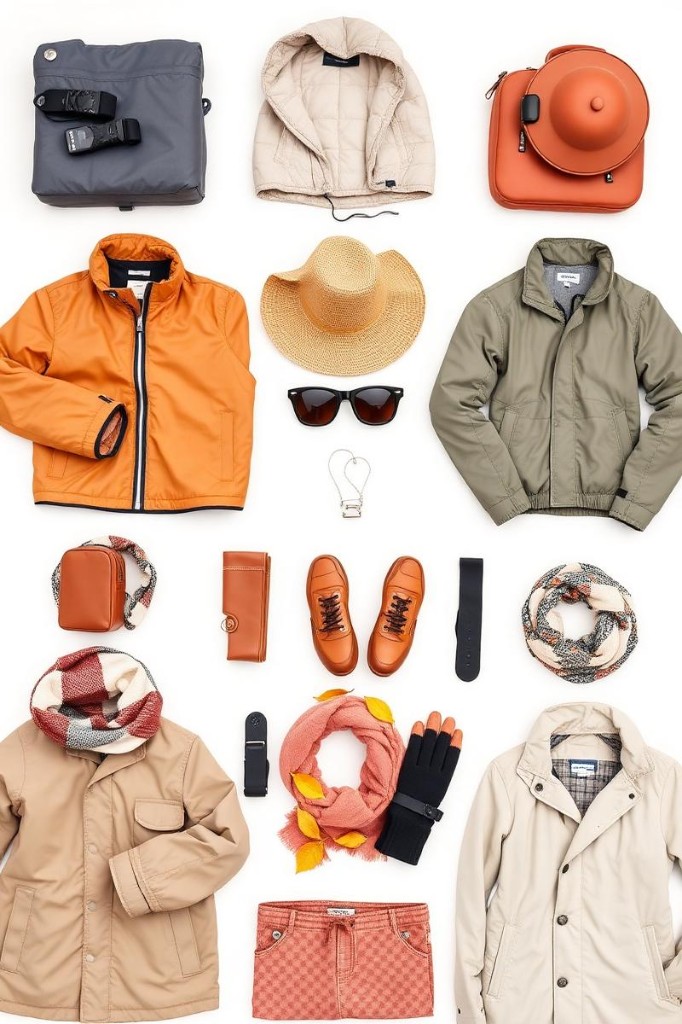
👕 Seasonal packing

Dry Season (June-September): • Sturdy non-slip walking shoes • Lightweight neutral-colored clothing • Hat and sunglasses • Light jacket for cool evenings • Mosquito repellent

Rainy Season (March-May, Oct-Nov): • Waterproof boots or gaiters • Compact rain poncho • Quick-dry clothing • Waterproof equipment bags • Layered clothing for variable temperatures
Travel clothing and gear by season

💰 Seasonal budget

PeriodLodge Accommodation ($/night)Guided Safaris ($/day)Meals ($/day)Park Entrance ($)Traffic
Dry Season (June-Sept)150-40080-15025-4040★★★★★
Rainy Season (March-May)100-25060-12020-3540★★☆☆☆
Transition (Oct-Nov)120-30070-13022-3840★★★☆☆
High Season (Dec-Feb)180-45090-16030-4540★★★★☆

💡 Money-saving tips

Multi-day pass: 3 consecutive days is more economical than individual days • Group accommodation: Camping and shared bandas significantly reduce costs • Local guides: Negotiation possible in low season, share costs between travelers • Self-catering: Cooking allowed in campsites, local Kasese markets are economical • Public transport: Matatus from Kasese are cheaper than private transfers

🏥 Health and precautions

Malaria: Prophylaxis mandatory, mosquito nets and repellents essential in wetlands • Vaccinations: Yellow fever mandatory, Hepatitis A/B recommended • Drinking water: Systematic purification, avoid ice cubes and raw vegetables • Altitude: Gradual acclimatization if sensitive, increased hydration • Wildlife: Respect safety distance, never exit vehicle in unauthorized areas • Pharmacy: Antiseptics, anti-diarrheals, high-SPF sunscreen

Natural Events

Calendar of exceptional natural phenomena in Queen Elizabeth Park

Queen Elizabeth Park offers unique natural spectacles depending on the season, turning every visit into an unforgettable experience.

🦁 Ishasha Lion Concentration (July-August)

Description: A world-unique phenomenon where lions climb fig trees to escape heat and insects. This period offers the best sightings of this exceptional behavior in the southern sector of the park.

Location: Ishasha Sector, southern plains

Special feature: Only 2 places in the world exhibit this feline behavior

Climate impact: Optimal dry season, high volume of wildlife photographers, Ishasha guide booking essential

Transport access: 4x4 mandatory, 2.5 hours from Mweya, tracks can be difficult

Advance planning: Book Ishasha lodge 6 months in advance, specialized guide recommended

🦅 Palearctic Bird Migration (November-March)

Description: Spectacular arrival of millions of migratory birds from Europe, turning the park into an ornithological paradise. Over 600 species recorded create an exceptional natural festival on the banks of the Kazinga Channel.

Location: Kazinga Channel, Lake George, wetlands

Special feature: Largest concentration of birds in East Africa

Climate impact: Ideal post-rain period, mild temperatures, optimal viewing from boats

Transport access: Daily Kazinga cruises from Mweya, binoculars essential

Advance planning: Book morning cruises, ornithologist guide recommended for identification

🐘 Elephant Gathering (June-September)

Description: Exceptional concentration of elephant herds around permanent water sources. Families regroup, creating unforgettable scenes with sometimes over 100 individuals observable simultaneously.

Location: Kasenyi Plains, Kazinga Channel surroundings

Special feature: Complex social interactions between herds observable

Climate impact: Dry season concentrates animals, maximum visibility, optimal morning safaris

Transport access: Accessible by standard vehicles, main Kasenyi tracks

Advance planning: Very early morning safaris (6 AM) to avoid heat and crowds

Seasonal events

Dry Season (June-September): • Maximum wildlife concentration at water points • Lion and leopard breeding • Acacia flowering attracting herbivores

Rainy Season (March-May): • Antelope and buffalo births • Insect explosion feeding birds • Spectacular greening of landscapes

Transition (October-November): • Arrival of first migrants • Wild fruits attracting primates • Dramatic cloud formations for photography

Responsible Safari

Practice responsible wildlife tourism in Queen Elizabeth Park by respecting the fragile ecosystem and supporting local Ugandan communities.

Responsible safari implies strict respect for wildlife, support for certified local guides, limiting environmental impact, and direct contribution to conservation. Prioritize eco-certified accommodation and avoid disturbing animals for photographs.

🌱 Low-season advantages

Visiting in the rainy season reduces tourist pressure on fragile ecosystems, supports the local economy during the off-season, and offers a more authentic experience with minimal environmental impact.

♻️ Sustainable travel tips

Certified local guides: Support community economy and authentic expertise • Eco-friendly accommodation: Solar-powered lodges and waste management • Wildlife safety distances: 25m minimum, turn off engines during sightings • Zero waste: Carry out all trash, reusable bottles • Ethical photography: No flash, respect natural behaviors • Local purchases: Handicrafts from communities around the park

🏙️ Local sustainable initiatives

The park develops community programs: local guide training, beekeeping projects on the periphery, revenue sharing for conservation with villages, wildlife corridors reducing human-elephant conflicts, and school awareness programs on biodiversity protection.

Our Recommendations

Recommendations for your safari in Queen Elizabeth National Park

After analyzing climatic conditions, animal migrations, and tourist traffic, our recommendations optimize your safari experience. The chosen period determines the quality of sightings, sector accessibility, and overall budget. Prioritize the dry season for a first safari, and the rainy season for an in-depth naturalist experience.

🏆 Optimal Period: June to September

Recommended months: June, July, August, September

Advantages:
• Maximum wildlife visibility with sparse vegetation
• Passable roads in all sectors including Ishasha
• Stable weather conditions for extended safaris
• Optimal viewing of tree-climbing lions
• Kazinga cruises in ideal conditions

Key events: Elephant concentration, Ishasha lions, big cat breeding

Disadvantages: Maximum crowds in July-August, high accommodation rates

Ideal profile: Families, wildlife photographers, first-time Africa safari travelers

Stay duration: 3 to 5 days recommended

🌿 Interesting Alternative: December to February

Alternative months: December, January, February

Description: Ideal compromise between favorable weather conditions and moderate crowds. Landscapes are still green post-rains with excellent wildlife visibility and more accessible rates than in the high dry season.

Specific advantages: Less dust, migratory birds present, intermediate accommodation prices, pleasant weather

For whom: Flexible travelers, birdwatchers, intermediate budgets, avoiding crowds

👥 Tips for your travel style

Family with children: June-August, secure Mweya lodges, short safaris, educational activities at the information center

Tight budget: October-November, public campsites, shared guides, self-catering, avoid July-August

Wildlife photographers: July-August Ishasha, telephoto lens equipment, very early morning safaris, specialized guides

Birdwatchers: November-March migration, high-quality binoculars, Kazinga cruises, ornithologist guides

First safari: June-September, experienced guides, all-inclusive lodges, easy Kasenyi-Mweya sectors

❌ Periods to avoid: April-May

Discouraged months: April, May (peak rainy season)

Reasons: Intense rains making tracks impassable, reduced wildlife visibility due to dense vegetation, safaris frequently canceled, difficult access to Ishasha

Nuances: Acceptable for experienced birdwatchers and very tight budgets with total flexibility

Villes du même pays

All cities

Frequently Asked Questions

Answers to essential questions for planning your safari at Queen Elizabeth Park based on optimal climatic conditions.

What is the best time to visit Queen Elizabeth Park?

The dry season from June to September offers optimal conditions with excellent wildlife visibility, passable roads, and stable weather. July-August are particularly recommended for observing the famous tree-climbing lions of Ishasha. December-February is an interesting alternative with fewer crowds and the presence of migratory birds, while maintaining good viewing conditions.

How many days should I plan for Queen Elizabeth Park?

A stay of 3 to 5 days allows you to discover the main sectors without rushing. 3 days minimum for Mweya-Kasenyi and the Kazinga Channel, 4-5 days to include Ishasha and the Kyambura chimpanzee tracking. Bird enthusiasts may want to plan for 6-7 days to explore all ecosystems. A 2-day weekend is possible but limits sightings to one sector.

What to do in Queen Elizabeth Park when it rains?

Indoor activities include the Mweya Information Center with wildlife exhibits, chimpanzee tracking in the Kyambura forest (practicable in light rain), and exploring the Maramagambo bat caves. Lodges often offer naturalist talks. Tropical rain is usually brief, so patience often allows safaris to resume in the afternoon with a refreshed atmosphere and more active animals.

Which natural events should not be missed at Queen Elizabeth Park?

The tree-climbing lions of Ishasha (July-August) are the most unique phenomenon in the world. The Palearctic bird migration (November-March) turns the park into an ornithological paradise with over 600 species. Elephant gatherings in the dry season offer fascinating social spectacles. Antelope and buffalo births (March-May) delight naturalists despite more difficult viewing conditions.

What budget should I expect depending on the season at Queen Elizabeth Park?

In high dry season (July-August), expect $300-600/day all-inclusive per person in a lodge, $150-250 in a serviced campsite. The rainy season (March-May) reduces costs by 30-40% with lodges at $200-400/day. Fixed park entrance fees are $40/day, guided safaris $80-150/day depending on the season. A minimum budget of $100/day is possible when camping with a shared guide; optimal comfort is $400-500/day in a premium lodge with a private guide.