When to visit Uganda? Complete Guide

Between golden savannas, misty tropical forests, and shimmering lakes, Uganda offers climatic experiences as varied as they are unforgettable.

  • 48.6 M population
  • English, Swahili language
  • 120 days rainy days/year
  • June to September best time to visit
  • 10 to 15 days recommended stay

Weather and Climate in Uganda

Understanding Uganda's tropical equatorial climate

Straddling the equator, Uganda enjoys a humid tropical climate tempered by its altitude. The country is divided into several climatic zones influenced by Lake Victoria, the Rwenzori Mountains, and the northern plateaus. This geographical diversity creates microclimates that significantly enrich the travel experience.

  • Southern equatorial zone: Influenced by Lake Victoria, very humid with two distinct rainy seasons and stable temperatures around 22-25°C / 72-77°F
  • Western mountainous zone: Around the Rwenzori and Bwindi areas, frequent mist, cool temperatures between 15-20°C / 59-68°F, and abundant rainfall year-round
  • Northern semi-arid zone: Near South Sudan, one rainy season, with more intense heat that can exceed 35°C / 95°F during the day
  • Eastern savanna zone: Around Kidepo National Park, drier and more varied, ideal for safaris during the dry season
MonthTemperaturePrecipitationConditions
Jan-Feb22-28°C / 72-82°FLowDry season
Mar-May21-27°C / 70-81°FHighRainy season
Jun-Sep20-26°C / 68-79°FVery lowOptimal dry season
Oct-Dec22-28°C / 72-82°FModerateShort rainy season

The altitude (1,000-1,500m / 3,280-4,921ft) moderates equatorial temperatures, creating a pleasant climate with limited thermal variations between 20°C / 68°F and 28°C / 82°F depending on the region.

Seasons in Uganda

Climate by region in Uganda

Uganda has remarkable regional climatic diversity, shaped by terrain, proximity to Lake Victoria, and latitude. From the arid north to the mountainous west and the green south, each region offers a unique climatic experience that guides your travel choices.

🌊 South and Lake Victoria region

The southern region, under the direct influence of Lake Victoria, enjoys a particularly stable humid tropical climate. Kampala, the capital, perfectly illustrates this microclimate: temperatures fluctuate between 20°C / 68°F and 27°C / 81°F year-round, with two well-marked rainy seasons. Ambient humidity can be high, especially between March and May. This region concentrates a large part of the country's tourist and cultural activity, with Murchison Falls accessible from Kampala, as well as the shores of the lake, which are ideal for birdwatching cruises.

PeriodWeatherTemperatureRecommended activities
June – AugustSunny, dry22 – 27°C / 72 – 81°FLake cruises, Kampala cultural tours
March – MayFrequent rain20 – 25°C / 68 – 77°FBirdwatching, Entebbe Botanical Gardens
Dec. – Feb.Dry to slightly cloudy21 – 28°C / 70 – 82°FCity tours, Ngamba Island excursions

Specifics: Lake Victoria generates violent but brief local storms, often in the evening, which do not affect morning activities.

🦍 Mountainous West – Bwindi and Rwenzori

Western Uganda is the realm of mysterious mists and impenetrable forests. Bwindi Impenetrable National Park, a UNESCO World Heritage site, and the Rwenzori Mountains — the 'Mountains of the Moon' — experience a cool and humid climate almost year-round. Temperatures regularly drop below 15°C / 59°F at altitude, and it is advisable to bring warm clothing even in the dry season. Rainfall fuels ecosystems of exceptional biological richness, the habitat of the last mountain gorillas.

PeriodWeatherTemperatureRecommended activities
June – AugustRelatively dry, morning mist12 – 20°C / 54 – 68°FGorilla trekking, Rwenzori hiking
Dec. – Feb.Dry, sunny at altitude13 – 21°C / 55 – 70°FGorilla trekking, forest hikes
March – MayVery humid, daily rain11 – 17°C / 52 – 63°FWildlife observation (not recommended for trekking)

Specifics: Bwindi receives up to 2,000 mm / 79 in of rain per year; gorilla treks are possible year-round but much more pleasant in the dry season.

🌿 North – Kidepo Park and savanna

Northern Uganda, on the borders of South Sudan and Kenya, is distinguished by its semi-arid character and 'end of the world' atmosphere. Kidepo Valley National Park, often called 'the hidden gem of Africa,' experiences one long rainy season from May to October, followed by an intense dry season. Daytime temperatures can exceed 35°C / 95°F, but nights remain cool. Wildlife, less densely concentrated than elsewhere, can be observed in absolutely stunning burnt savanna landscapes.

PeriodWeatherTemperatureRecommended activities
Nov. – Apr.Dry, sunny, dusty22 – 36°C / 72 – 97°FSavanna safari, meeting Karamojong communities
May – Oct.Rainy, green20 – 30°C / 68 – 86°FBirdwatching, green landscapes

Specifics: Kidepo is one of the least visited parks in East Africa, offering an exclusive and authentic safari experience even in high season.

🏔️ East – Mount Elgon and plains

The eastern region of Uganda is dominated by the volcanic massif of Mount Elgon, whose summit exceeds 4,321 meters / 14,176 feet. The climate is cool and mountainous, with regular rainfall that maintains dense vegetation and spectacular waterfalls. The surrounding plains, which are drier, host intense agricultural activities. Mbale, the main city in the region, has a pleasant climate with temperate temperatures between 18°C / 64°F and 25°C / 77°F. The region also houses remarkable caves and hot springs.

PeriodWeatherTemperatureRecommended activities
June – AugustCool and dry at altitude15 – 25°C / 59 – 77°FMount Elgon hiking, Sipi Falls
Oct. – Nov.Light rain, lush landscapes17 – 24°C / 63 – 75°FWaterfall photography, cultural tours
Dec. – Feb.Dry, good weather18 – 27°C / 64 – 81°FTrekking, exploring Mount Elgon caves

Specifics: Sipi Falls, accessible from Mbale, are particularly spectacular at the end of the rainy season due to the maximum flow of the rivers.

Uganda Practical Guide

Preparing for a trip to Uganda requires taking seasonal climatic variations into account to pack the right equipment and optimize your budget. Whether you are traveling in the dry season for safaris or in the wet season to take advantage of reduced rates, some essential precautions are necessary to travel comfortably and safely in this magnificent equatorial African country.

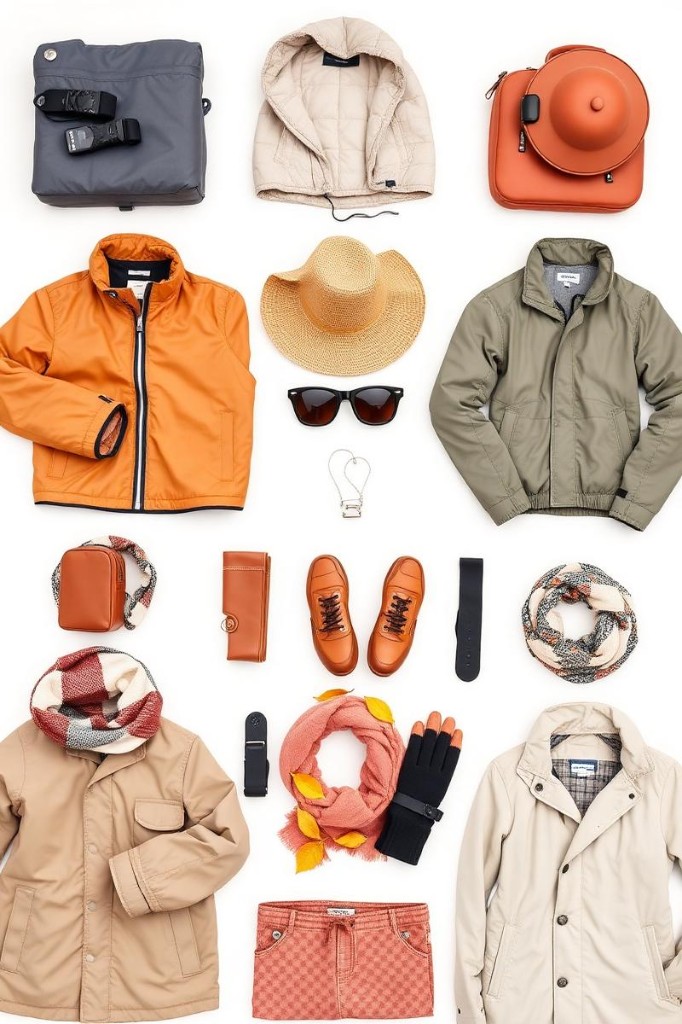
👕 Seasonal packing

Dry season (June–August and Dec.–Feb.):

  • Light cotton t-shirts or breathable fabrics
  • Light pants for evenings and bush outings
  • Fleece or light jacket for high-altitude areas (Bwindi, Rwenzori)
  • Waterproof hiking boots
  • Wide-brimmed hat and SPF 50+ sunscreen
  • Neutral-colored clothing (khaki, beige) for safaris

Rainy season (March–May and Oct.–Nov.):

  • Light raincoat or compact poncho
  • Gaiters and trekking shoes with deep treads
  • Quick-drying clothing
  • Waterproof bag or rain cover for your backpack
  • High-concentration mosquito repellent (DEET 30%+)
Travel clothing and gear by season

💰 Seasonal budget

PeriodAccommodation (EUR/night)Transport (EUR/day)Activities (EUR/day)Crowds (/5)Budget Tip
June – August80 – 40030 – 8050 – 600⭐⭐⭐⭐⭐Book gorilla permits 6 months in advance
Dec. – Feb.60 – 30025 – 6040 – 600⭐⭐⭐⭐Avoid Christmas/New Year week for prices
Oct. – Nov.50 – 20020 – 5035 – 600⭐⭐⭐Good time to negotiate accommodation
March – May40 – 15015 – 4030 – 600⭐⭐Maximum low-season rates, some lodges closed

💡 Money-saving tips

  • The gorilla trekking permit costs 700 USD/person and must be booked through the Uganda Wildlife Authority: book at least 6 months in advance during high season
  • Traveling in the rainy season (March-May) can significantly reduce accommodation costs with discounts of up to 40%
  • Using shared minibuses (matatu) instead of private vehicles can cut transport costs by two-thirds on intercity routes
  • Some lodges offer resident rates or combined safari + accommodation packages that are more advantageous when booked directly
  • Plan a budget for tips (guides, porters at Rwenzori) of about 10 to 15 USD per day per service

🏥 Health and precautions

  • Malaria: Risk present year-round throughout the country — antimalarial prophylaxis is mandatory, repellents and mosquito nets are essential
  • Recommended vaccinations: Yellow fever (mandatory for entry), hepatitis A and B, typhoid, meningitis, rabies if in contact with wildlife
  • Altitude: If trekking in the Rwenzori or Mount Elgon, gradual acclimatization is advised — risk of acute mountain sickness above 3,000m / 9,842ft
  • Water: Never drink tap water — prefer bottled water or water treated with filtering tablets
  • Rainy season: Increased risk of diarrheal diseases and cholera — strict food hygiene is imperative
  • Travel insurance: Purchase insurance covering medical repatriation, as specialized hospitals are mainly located in Kampala

Events & Festivals in Uganda

Cultural calendar and festivities not to be missed in Uganda

Throughout the year, Uganda celebrates events that reflect the cultural richness and vitality of its people, ranging from ancestral rituals to contemporary international celebrations.

Nyege Nyege Festival (September – October) 🎶

The Nyege Nyege Festival has quickly become one of the most popular music events in East Africa. Over four days on the banks of the Nile in Jinja, it brings together electronic, traditional, and Afrobeat artists from around the world. The atmosphere is festive, colorful, and deeply inclusive, reflecting the bubbling creativity of Ugandan youth.

Location: Jinja, on the banks of the White Nile

Highlight: Multicultural festival blending traditional African music and contemporary electronic music in an open-air setting

Climatic impact: Takes place at the beginning of the short rains — bring a light raincoat; evenings remain warm and pleasant

Imbalu – Bagisu Initiation Ceremony (August, even years) 🥁

Imbalu is one of the most spectacular and significant traditional ceremonies in Uganda. This circumcision ritual of the Bagisu people takes place every two years (even years) in the Mount Elgon region. Accompanied by ancestral songs, dances, and rituals, it marks the transition to adulthood for young men and attracts thousands of participants and observers.

Location: Mbale region and Mount Elgon

Highlight: A living cultural event still practiced faithfully to tradition — unique in East Africa

Climatic impact: August corresponds to the main dry season, ideal weather conditions for participating in outdoor festivities

Pearl of Africa Tourism Expo – POATE (November) 🦅

The Pearl of Africa Tourism Expo is the largest tourism trade show in Uganda, organized by the Uganda Tourism Board. It brings together tour operators, hoteliers, travel agencies, and travelers from all over the world in Kampala. It is the perfect opportunity to discover sustainable tourism trends, new destinations, and meet key players in the sector in a professional and festive atmosphere.

Location: Kampala, Uganda International Conference Centre

Highlight: Combines professional conferences, cultural exhibitions, and traditional Ugandan cooking demonstrations

Climatic impact: November marks the short rains — the event is held mainly indoors, so showers do not affect participation

Seasonal events

Main dry season (June – August):

  • Imbalu – Bagisu ceremony (August, even years) — Mbale
  • Kampala City Festival (approaching October) — parades and concerts in the capital
  • Source of the Nile Marathon (August) — Jinja, iconic race along the Nile

Short dry season (December – February):

  • End-of-year celebrations and New Year's Eve on the shores of Lake Victoria
  • Kampala Carnival (December) — local music, dance, and gastronomy

Rainy season (March – May):

  • Easter celebrations in Christian communities — processions and markets
  • Coffee harvest period — plantation visits possible in April-May

Short rains (October – November):

  • Nyege Nyege Festival (September-October) — Jinja
  • Pearl of Africa Tourism Expo (November) — Kampala
  • Uganda Cranes Football — national team matches, electric atmosphere

Responsible Travel in Uganda

Uganda is one of the most committed African countries to the preservation of its unique natural ecosystems. Traveling responsibly here is of paramount importance to protect the exceptional biodiversity that constitutes the heart of its tourist appeal.

Uganda is home to 10% of the world's bird species and more than half of the remaining mountain gorillas. Eco-responsible tourism is a necessity here: revenue from trekking permits directly funds conservation. By choosing certified accommodation and local operators, you contribute concretely to the preservation of these fragile ecosystems for future generations.

🌱 Low-season advantages

Traveling in the low season (March–May) helps reduce tourist pressure on natural sites, supports local communities during off-peak periods, and limits your carbon footprint by avoiding flights overloaded during the high season.

♻️ Sustainable travel tips

  • Choose eco-labeled lodges or community-based accommodation that donates a portion of profits to surrounding villages
  • Respect strict rules during gorilla treks: minimum distance of 7 meters / 23 feet, mask recommended, duration limited to 1 hour, no flash photography
  • Reduce your consumption of single-use plastic — bring a filtering water bottle suitable for tropical countries
  • Support local products in markets: support crafts, local cuisine, and agricultural cooperatives
  • Use public transport (matatu) on possible routes rather than systematically renting an individual 4x4 vehicle
  • Never feed, touch, or disturb wildlife, even during vehicle safaris or treks

🏙️ Local sustainable initiatives

The Uganda Wildlife Authority manages 10 national parks and 12 reserves with a program for sharing tourism revenue with riverside communities. Projects like the IGCP (Great Ape Conservation Program) and reforestation initiatives in the Lake Victoria basin show Uganda's growing commitment to sustainable and regenerative tourism.

Our Recommendations

Expert recommendations for your trip to Uganda

After analyzing climatic data and the specificities of each region, it is clear that June to August represents the ideal window to visit Uganda as a whole. Dry conditions favor both safaris and mountain treks, and the weather cooperates for unforgettable photographic experiences. The December-February period is an excellent, less crowded alternative. If you are on a tight budget or are a birdwatching enthusiast, do not rule out the rainy season, which holds real surprises for those who know how to adapt.

Optimal period: June – August

Recommended months: June, July, August

  • Confirmed dry season in all regions of the country
  • National park tracks are safely passable
  • Less dense vegetation, ideal for observing the Big Five
  • Perfect conditions for mountain gorilla trekking in Bwindi
  • Golden light and clear skies for wildlife photography
  • High season means high crowds and high prices
  • Gorilla permit bookings should be anticipated at least 6 months in advance

Ideal profile: Wildlife photographers, safari enthusiasts, trekkers, experienced travelers in Africa

Balanced alternative: December – January

Alternative months: December, January, February

The short dry season offers conditions almost as favorable as June-August, with a major advantage: significantly lower tourist numbers (excluding end-of-year holidays). Accommodation prices drop by about 20 to 30%, and the atmosphere in the parks is more relaxed. It is also the perfect time to combine safari and cultural tourism in Kampala, thanks to generous sunshine and passable roads.

  • More affordable rates than in the summer high season
  • Less crowded in national parks — more intimate experience
  • Possible combination of safari + culture + Lake Victoria beaches

👥 Tips for your travel style

Family: Choose December-January to combine school holidays with pleasant weather conditions. Family lodges near Lake Victoria offer optimal safety and comfort for children.

Tight budget: Aim for March-April (main rainy season) for reduced rates of up to 40%. Gorilla permits remain fixed, but accommodation and transport are much more accessible.

Adventure and trekking: June-August is your reference season for climbing the Rwenzori. Plan for 7 to 8 days of trekking and good physical condition.

Luxury: July-August in premium lodges in Queen Elizabeth or Kidepo parks for an exclusive and refined safari experience.

Photographer: June-August for the golden light of the savanna and gorilla observation; October-November for contrasting green landscapes and thousands of migratory birds.

Avoid the main rainy season (March to May) unless you are an experienced traveler looking for very advantageous rates and willing to accept weather constraints.

Cities to explore

Discover the must-sees of urban travel

All cities

Frequently Asked Questions

Still have questions about planning your trip to Uganda? Here are the answers to the most common questions from our travelers to help you prepare for your adventure with peace of mind.

What is the best time to see gorillas in Uganda?

The best time for gorilla trekking in Bwindi Impenetrable National Park is during the dry seasons, from June to August and December to February. During these months, trails are less muddy, vegetation is easier to navigate, and the physical conditions of the trek are more comfortable. However, trekking is possible year-round: even in the rainy season, gorillas remain accessible, but slippery trails make the experience more demanding. The trekking permit costs 700 USD per person and must be booked well in advance through the Uganda Wildlife Authority.

Do I need a visa to enter Uganda?

Yes, most international travelers need a visa to enter Uganda. It can be obtained online via the official e-visa portal (visas.immigration.go.ug) before departure, or upon arrival at Entebbe International Airport. The standard tourist visa is valid for 90 days and costs 50 USD. It is recommended to apply online at least 2 weeks before the trip to avoid queues upon arrival. A passport valid for at least 6 months after the return date is required.

Is Uganda dangerous to visit?

Uganda is generally considered one of the safest countries in East Africa for tourists. Kampala, like any large African capital, requires standard precautions (do not display valuables, avoid isolated night outings). Tourist areas and national parks are well-secured. The border region with the Congo (DRC) in the southwest requires more vigilance. Always consult your government's travel advisories before departure and purchase travel insurance covering medical repatriation.

What budget should I plan for a two-week trip to Uganda?

For a two-week trip to Uganda, expect to spend between 2,500 and 6,000 EUR per person depending on your travel style (excluding international flights). The main expense is the gorilla trekking permit (700 USD, mandatory if you wish to see them). A 'backpacker' traveler can manage with 80 to 120 EUR/day (simple accommodation, matatu, local food). A comfort traveler should plan for 200 to 400 EUR/day with quality lodges, private vehicle, and activities included. In high season (June-August), expect a slightly higher budget.

Can you travel to Uganda during the rainy season?

Absolutely, and it even has significant advantages! Traveling during the rainy season (mainly March-May) allows you to benefit from reduced rates on accommodation, enjoy lush landscapes of rare beauty, and observe exceptionally rich birdlife — Uganda is one of the best birdwatching spots in the world. The downsides are muddy tracks that limit access to certain areas and sometimes reduced visibility for observing large mammals. Gorilla trekking is technically possible but physically more challenging on soaked trails. With the right equipment and a flexible attitude, the rainy season can be a true revelation.