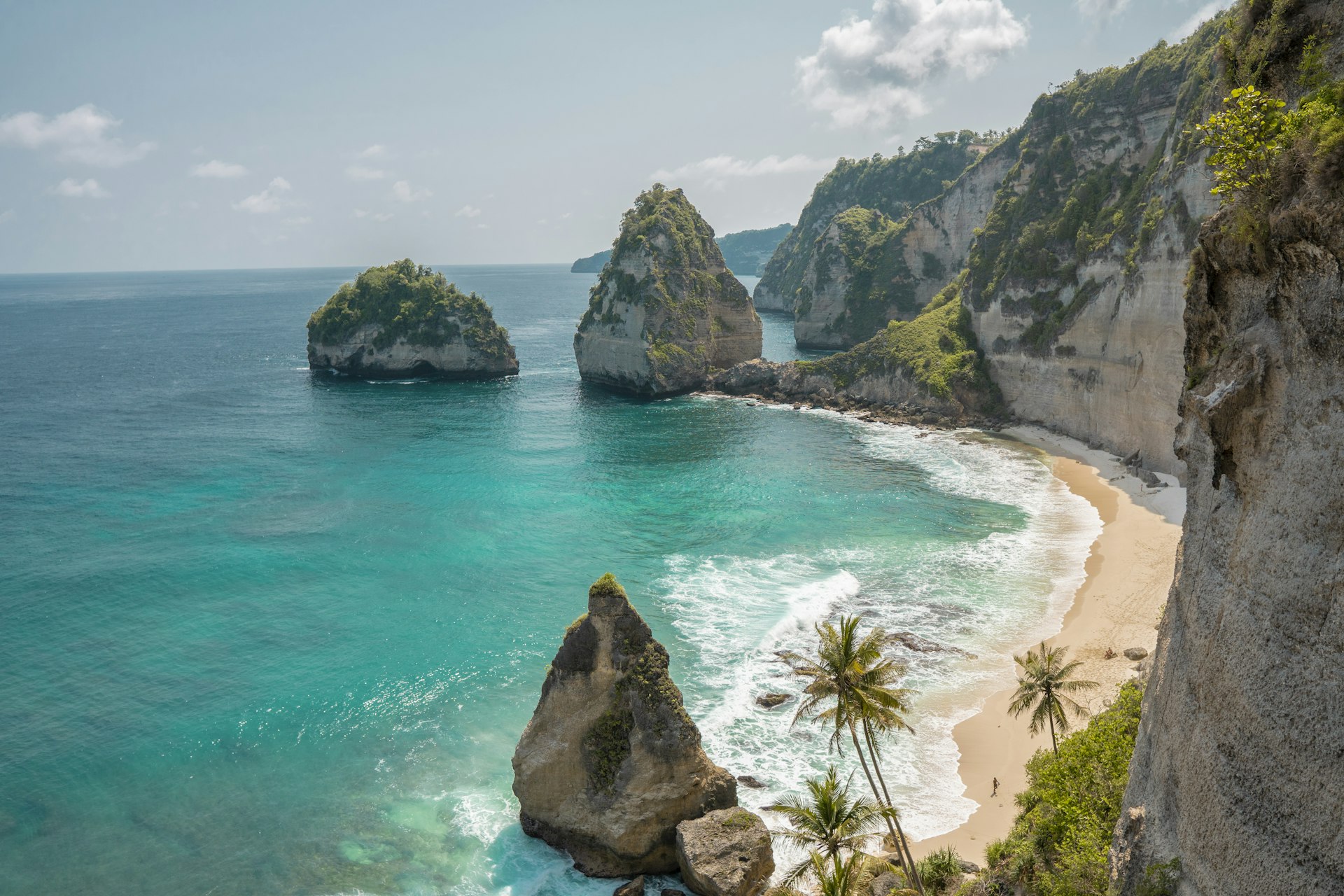
When to visit the Mamanuca Islands? Paradise Guide

Discover the Fijian tropical paradise where every season reveals unique charms between turquoise waters and eternal sun.

  • 3,000 inhabitants population
  • Fijian, Hindi, English language
  • 120 days rainy days/year
  • May to October best time to visit
  • 5 to 10 days recommended stay

Tropical Climate of the Mamanuca Islands

Understanding the tropical maritime climate of the Mamanuca Islands

The Mamanuca Islands enjoy a tropical maritime climate characterized by consistent temperatures year-round. Located in the South Pacific, they are influenced by trade winds and monsoon patterns, creating two distinct seasons for your idyllic getaway.

  • Coastal Zone: Climate moderated by sea breezes with stable temperatures
  • Coral Islets: Direct exposure to prevailing winds, providing natural cooling
  • Sheltered Lagoons: Calmer waters and slightly higher temperatures
MonthMin Temp (°C / °F)Max Temp (°C / °F)Precipitation (mm / in)Sunshine (h/day)Tourist TrafficRecommended Activities
January24°C / 75°F30°C / 86°F280mm / 11in6★★★★Snorkeling, diving
February24°C / 75°F30°C / 86°F260mm / 10.2in6★★★★Water sports
March24°C / 75°F30°C / 86°F340mm / 13.4in7★★★★Big game fishing
April23°C / 73°F29°C / 84°F200mm / 7.9in7★★★Hiking, kayaking
May22°C / 72°F28°C / 82°F120mm / 4.7in8★★★★★Diving, sailing
June21°C / 70°F27°C / 81°F80mm / 3.1in8★★★★★Coral observation
July20°C / 68°F26°C / 79°F60mm / 2.4in8★★★★★Island excursions
August20°C / 68°F26°C / 79°F70mm / 2.8in8★★★★★Windsurfing, kitesurfing
September21°C / 70°F27°C / 81°F90mm / 3.5in8★★★★Underwater photography
October22°C / 72°F28°C / 82°F140mm / 5.5in7★★★★Lagoon cruises
November23°C / 73°F29°C / 84°F180mm / 7.1in7★★★Fishing, beach relaxation
December24°C / 75°F30°C / 86°F240mm / 9.4in6★★★★Traditional festivities

Altitude variations are minimal on these low-lying islands; the primary influences are exposure to sea winds and proximity to coral reefs, which modulate local weather conditions.

Tropical Seasons

Activities by Weather

Optimize your stay in the Mamanuca Islands by adapting your activities to weather conditions to fully enjoy this tropical paradise.

☔ In rainy/windy weather

🏨 Protected Activities

Tropical showers are generally short but intense. Use the time to discover Fijian culture.

Recommended activities:
🏛️ Local cultural centers and museums (2h, free-20 FJD)
🍽️ Traditional Fijian cooking classes (3h, 80-120 FJD)
💆 Spas with traditional treatments (1-2h, 150-300 FJD)
🎨 Local craft workshops (tapa, carving, 2h, 50 FJD)
🏪 Souvenir shopping in covered boutiques
📚 Libraries and marine information centers

Practical tip: Book cultural activities online; often included in resort packages

Tip: Showers create magical atmospheres for photography

☀️ In good weather

🌊 Aquatic Paradise

The sun reveals the full splendor of the crystal-clear waters and surrounding coral reefs.

Must-do activities:
🤿 Scuba diving at renowned sites (half-day, 150-250 FJD)
🏊 Snorkeling on coral reefs (2-3h, 50-80 FJD)
🛥️ Boat excursions to neighboring islands (full-day, 200-350 FJD)
🏄 Water sports: kayaking, paddleboarding (1-2h, 30-60 FJD)
🎣 Deep-sea fishing (half-day, 400-600 FJD)
🏖️ Relaxation on white sand beaches
📸 Underwater photo sessions

Best time: Sunrise for diving, golden hour for photos

Seasonal tip: May to September offer the best visibility conditions

🌤️ Variable weather

🔄 Flexible Activities

Alternate between land and sea activities depending on the sunshine.

Versatile options:
🥾 Short hikes with panoramic viewpoints
🚁 Helicopter tours (weather permitting, 30min, 300-500 FJD)
🛶 Mangrove exploration by kayak
🌺 Visits to botanical gardens and pearl farms
🏝️ Island hopping with flexible return

Weather tip: Check marine forecasts in the morning to plan your day

Example itinerary: Snorkeling in the morning if seas are calm, culture in the afternoon if there are showers

💰 Budget activities

🆓 Free Pleasures

Experiences at no cost:
🏖️ Beautiful public beaches
🌅 Sunrise/sunset watching
🚶 Marked hiking trails
🐠 Snorkeling from the beach
🎪 Cultural shows on certain evenings

Special days: Free festivals during the wet season

Budget tips: Picnics on isolated beaches, shared local transport, negotiating group excursions

Practical Guide

Prepare for your tropical stay in the Mamanuca Islands with our practical tips adapted to the climate and logistics of this paradise archipelago in the South Pacific.

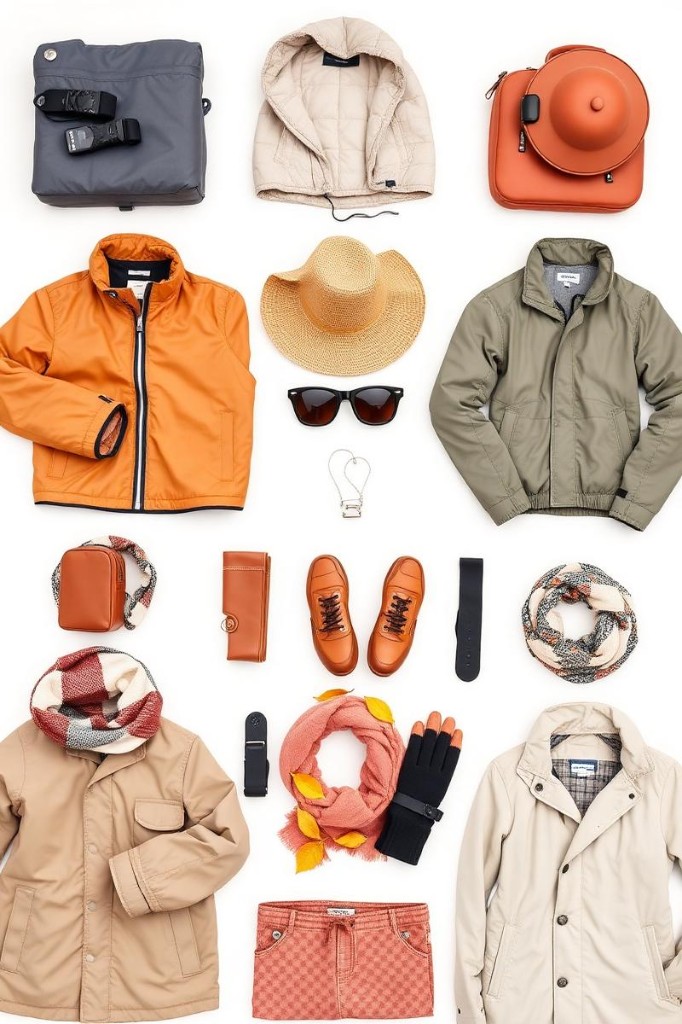
👕 Seasonal packing

Dry Season (May-October): • Multiple swimsuits • Lightweight cotton clothing • Light windbreaker for evenings • Non-slip water shoes • Hat and sunglasses

Wet Season (November-April): • Quick-dry clothing • Compact raincoat • Waterproof sandals • Dry bag for electronics • Extra changes of clothes

Year-round: • High protection sunscreen (SPF 50+) • Mosquito repellent • Personal mask and snorkel • Basic first aid kit

Travel clothing and gear by season

💰 Seasonal budget

PeriodResort (€/night)Island Transport (€/day)Dining (€/day)Activities (€)Traffic
Dry Season (May-Oct)400-80050-8080-150100-300★★★★★
Wet Season (Nov-Apr)250-50040-6060-12080-250★★★
Peak Season (Jul-Aug)600-120060-100100-200150-400★★★★★
Shoulder Season (Apr-May)300-60045-7070-13090-280★★★★

💡 Money-saving tips

All-inclusive packages are often more economical for stays of 5+ days • Early bookings (6 months) for the best dry season rates • Group activities reduce excursion costs by 20-30% • Wet season offers reduced rates of up to 40% • Shared transport between islands divides costs by 2-3

🏥 Health and precautions

Enhanced sun protection: reflection from water and sand • Constant hydration in the humid tropical climate • Mosquito repellent, especially during the wet season • Water shoes for protection against coral and sea urchins • Basic kit: antiseptic, waterproof bandages • Travel insurance covering water sports • Nearest pharmacy: Nadi (45min by boat)

Cultural Events

Calendar of traditional Fijian festivities in the Mamanucas

Immerse yourself in authentic Fijian culture through the festivals and celebrations that define life in the archipelago.

🎭 Bose Levu Festival (July-August)

A major Fijian cultural festival celebrating ancestral traditions with meke dances, polyphonic singing, and kava ceremonies. Villages organize traditional dance competitions and craft demonstrations.

Location: Main island of Malolo, traditional villages

Highlight: Interactive visitor participation in ceremonies

Climate Impact: Ideal dry season, peak attendance, bookings essential 3 months in advance

Access: Special shuttles from Denarau Marina

Tip: Accommodation fills up by April for this period

🐋 Whale Season (July-October)

Spectacular migration of humpback whales in the waters of the Mamanucas. Observation excursions with naturalist guides, marine conservation awareness, and whale song listening experiences.

Location: Deep waters around the archipelago

Highlight: 95% sighting rate in August-September

Climate Impact: Calm seas during dry season, optimal visibility, high demand for excursions

Access: Daily departures from all resorts

Tip: Book excursions upon arrival; spots are limited

🌺 Fijian New Year - Diwali (October-November)

A colorful celebration marking the end of the Fijian year with traditional illuminations, floral offerings, and community feasts. A unique fusion of Fijian and Indo-Fijian traditions creating a magical atmosphere.

Location: All resorts and villages, night illuminations

Highlight: Floating lanterns on the lagoons at sunset

Climate Impact: Beginning of the wet season, short showers, ideal temperature of 27°C / 81°F

Access: Events accessible from all accommodations

Tip: Price transition period, excellent value for money

Seasonal events

Dry Season (May-October): • International Diving Festival (June) • Traditional Sailing Competitions (August) • Big Game Fishing Tournaments (September)

Wet Season (November-April): • Western New Year celebrations (December-January) • Tropical Fruit Festival (February) • Pre-Easter Fijian Carnival (March-April)

Monthly Events: Local craft markets every first Saturday, weekly cultural evenings at resorts, traditional kava ceremonies upon request. Note that Fijian public holidays may impact inter-island transport.

Responsible Tourism

Preserve the fragile beauty of the Mamanuca Islands by adopting travel practices that respect the marine environment and Fijian culture.

The Mamanuca Islands are a fragile coral ecosystem requiring a sustainable tourism approach. Prioritize eco-certified operators, respect marine protected areas, use reef-safe sunscreen, and support the local economy by choosing Fijian artisanal products and community restaurants.

🌱 Low-season advantages

Traveling in the wet season reduces pressure on coral reefs, allows for a more authentic experience with local communities, lowers the carbon footprint of transport, and offers fair rates for local service providers.

♻️ Sustainable travel tips

Biodegradable sunscreens without oxybenzone or octinoxate • Reusable bottles: refill stations in all resorts • Eco-certified excursions respecting marine life • Local artisanal souvenirs vs imports • Group transport for inter-island excursions • Local consumption: sustainably caught fish, seasonal fruits

🏙️ Local sustainable initiatives

The Mamanuca Islands are developing marine conservation programs: coral restoration, protected breeding zones, and sustainable fisheries management. Resorts invest in solar energy, ecological desalination, greywater recycling, and eco-guide training for local communities.

Our Recommendations

Personalized recommendations for your stay in the Mamanuca Islands

After analyzing weather conditions, tourist traffic, and cultural events, we offer recommendations tailored to your expectations for discovering this Fijian tropical paradise. Our advice integrates seasonal variations, marine life observation opportunities, local festivals, and price trends to optimize your experience in the Mamanucas.

🌟 Optimal Period: May to September

Recommended months: May, June, July, August, September

Advantages:
• Ideal weather conditions: clear skies, calm seas
• Exceptional underwater visibility (30-40m / 98-131ft)
• Humpback whale season (July-September)
• Refreshing trade winds, low humidity
• Optimal period for water sports and diving

Key events: Bose Levu Festival, whale watching season, traditional sailing competitions

Disadvantages: Most crowded period, high rates in July-August

Ideal profile: Divers, honeymooners, families with children, water sports enthusiasts

Stay duration: 7 to 10 days recommended

⚖️ Interesting Alternative: October-November

Alternative months: October, November

Description: A transition period offering an excellent compromise between favorable weather conditions and more accessible rates, with the start of end-of-year festivities.

Specific advantages: Rates reduced by 20-30%, fewer crowds, ideal water temperature, Diwali festivals, weather still stable

For whom: Budget-conscious travelers, local culture enthusiasts, photographers, couples seeking privacy

👥 Tips for your travel style

Family: May-June or September, Malolo Island family resorts, safe snorkeling activities, kids clubs

Budget: November-April, backpacker accommodations, local transport, group excursions

Diving: June-September, PADI-certified centers, Supermarket and Gotham City sites

Romantic: May or September, adults-only resorts, private beach dinners, sunset excursions

Long Weekend: Possible year-round, direct flights to Nadi, 3-4 day packages

First Trip: May-October, all-inclusive packages, English-speaking guides, comprehensive travel insurance

⚠️ Periods to avoid: January-March

Months not recommended: January, February, March

Reasons: Active cyclone season, significant rainfall (260-340mm / 10.2-13.4in), high humidity (80-90%), rough seas limiting water activities, risk of excursion cancellations

Nuances: Acceptable for flexible travelers seeking very advantageous rates and an authentic, off-the-beaten-path experience

Villes du même pays

All cities

Frequently Asked Questions

Answers to essential questions to help you plan your tropical stay in the Mamanuca Islands based on weather conditions.

What is the best month to visit the Mamanuca Islands?

May to September offers optimal conditions with a dry climate, calm seas, and excellent underwater visibility. July-August is the peak tourist season with the highest rates. For an excellent balance of quality and price, choose May-June or September: ideal weather, fewer crowds, and more accessible rates. The whale season (July-October) adds an exceptional dimension to your stay.

How many days should I plan for the Mamanuca Islands?

A stay of 5 to 7 days minimum allows you to fully enjoy the island rhythm and water activities. For a complete experience including diving, inter-island excursions, and relaxation, plan for 7 to 10 days. Travelers in a hurry can discover the essentials in 3-4 days, but the charm of the Mamanucas lies in total disconnection. Add 2-3 extra days if you are visiting during whale season.

What is there to do in the Mamanuca Islands when it rains?

Tropical showers are generally short but intense (1-2 hours maximum). Use the time to discover Fijian culture: traditional cooking classes, local craft workshops (tapa, carving), spa treatments using ancestral techniques, or photo sessions of dramatic landscapes under the storm. Most resorts offer indoor activities: libraries, cultural centers, and relaxation areas. Showers often create spectacular sunsets.

Which events should not be missed in the Mamanuca Islands?

The Bose Levu Festival (July-August) offers an authentic immersion into Fijian culture with meke dances and kava ceremonies. The whale season (July-October) guarantees exceptional sightings with a 95% success rate. Diwali celebrations (October-November) illuminate the lagoons with floating lanterns. In the wet season, tropical fruit festivals and the Fijian carnival reveal the local festive spirit. Each resort organizes weekly cultural evenings.

What budget should I plan for depending on the season?

In the dry season (May-October), expect 150-300€ / $160-$320 per day/person all-inclusive in a mid-range resort, and 300-500€ / $320-$530 for luxury. The wet season (November-April) reduces costs by 30-40%: 100-200€ / $105-$215 per day in a standard resort. The peak season (July-August) can reach 400-600€ / $430-$640 per day. Add 50-100€ / $55-$105 per day for excursions (diving, neighboring islands). 5+ day all-inclusive packages offer the best value. Nadi-Mamanuca transport: 80-150€ / $85-$160 round trip depending on the season.