When to visit Fiji? Complete Guide

Between the idyllic dry season and the lush wet period, Fiji reveals fascinating climatic faces depending on the month.

  • 0.9 M population
  • Fijian, Hindi, English language
  • 180 days rainy days/year
  • May to October best time to visit
  • 7 to 14 days recommended stay

Weather and Climate in Fiji

Understanding the tropical maritime climate of Fiji

Beautiful white sand beach in Fiji bordered by crystal clear blue water and lush green vegetation by Max on Unsplash

Fiji enjoys a tropical maritime climate influenced by southeast trade winds and its geographical position in the South Pacific. Two distinct climatic zones create varied weather experiences depending on the islands and elevation.

  • Coastal zone: Tropical humid climate with stable temperatures between 23°C / 73°F and 30°C / 86°F year-round
  • Mountainous zone: Cooler temperatures and increased rainfall on the slopes of the larger islands
MonthTemperature (°C / °F)Precipitation (mm / in)Humidity (%)Sun Hours
January26-31°C / 79-88°F280mm / 11in856
February26-31°C / 79-88°F260mm / 10.2in856
March25-30°C / 77-86°F340mm / 13.4in856
April24-29°C / 75-84°F200mm / 7.9in807
May22-28°C / 72-82°F120mm / 4.7in758
June21-26°C / 70-79°F80mm / 3.1in708
July20-25°C / 68-77°F60mm / 2.4in708
August20-26°C / 68-79°F70mm / 2.8in708
September21-27°C / 70-81°F90mm / 3.5in758
October23-28°C / 73-82°F140mm / 5.5in757
November24-30°C / 75-86°F180mm / 7.1in807
December25-31°C / 77-88°F240mm / 9.4in856

Altitude variations on Viti Levu and Vanua Levu create microclimates with temperatures that can drop by 5°C / 9°F at higher elevations and double the rainfall on windward slopes.

The Seasons in Fiji

Climate by Region in Fiji

The Fijian archipelago presents notable climatic variations among its 330 islands. Mountainous terrain creates rain shadow effects, while exposure to trade winds influences temperature and rainfall depending on the coast.

🏝️ Viti Levu (Main Island)

Viti Levu, the largest island, concentrates 75% of the Fijian population and presents the greatest climatic diversity. The west coast around Nadi enjoys a drier climate thanks to the shadow effect of the central mountains. Suva, on the east coast, receives twice as much rainfall.

📊 Monthly table - Nadi (West Coast)
PeriodWeatherTemperatureActivities
May-OctDry and sunny21-27°C / 70-81°FBeaches, golf, excursions
Nov-AprHumid, showers25-30°C / 77-86°FSpas, culture, markets

Specifics: 100% rainfall difference between west and east coasts, mountain microclimates with temperatures 5°C / 9°F cooler at altitude.

🌺 Vanua Levu (Second Island)

Vanua Levu offers a slightly more humid climate than Viti Levu, with rainfall better distributed throughout the year. The island is renowned for its lush gardens and dense tropical vegetation. Savusavu, nicknamed the 'hidden pearl', enjoys a particularly pleasant microclimate.

📊 Monthly table - Savusavu
PeriodWeatherTemperatureActivities
May-OctDry, sea breezes20-26°C / 68-79°FDiving, sailing, hiking
Nov-AprTropical humid24-29°C / 75-84°FHot springs, gardens

Specifics: Natural hot springs active year-round, coral reefs protected from prevailing winds, exceptional marine biodiversity.

🏖️ Mamanuca and Yasawa Islands

These paradise archipelagos enjoy the driest climate in Fiji due to their geographical position. Protected by Viti Levu from humid winds, they offer optimal sunshine and reduced rainfall, even in the wet season.

📊 Monthly table - Mamanuca Islands
PeriodWeatherTemperatureActivities
May-OctPerfect, dry22-27°C / 72-81°FDiving, snorkeling, lounging
Nov-AprHot, short showers26-30°C / 79-86°FWater sports, fishing

Specifics: Rainfall 30% lower than the national average, lagoons with crystal clear waters, constant winds ideal for sailing.

🌿 Outer Islands (Kadavu, Taveuni)

The outer islands present a wilder climate with increased rainfall favoring exceptional biodiversity. Taveuni, the 'garden island', crosses the international date line and offers preserved tropical landscapes.

📊 Monthly table - Taveuni
PeriodWeatherTemperatureActivities
May-OctCool and humid19-25°C / 66-77°FHiking, wildlife watching
Nov-AprTropical intense23-28°C / 73-82°FWaterfalls, botanical gardens

Specifics: Primary tropical forest, spectacular waterfalls, endemic biodiversity, diving in pristine waters.

Practical Guide for Fiji

Preparing for a trip to Fiji requires adapting to tropical conditions and seasonal variations. From light clothing to health precautions, every detail counts to fully enjoy your stay in this island paradise.

👕 Seasonal packing

Dry Season (May-October):

  • Light cotton or linen clothing
  • Light fleece for evenings
  • Breathable walking shoes
  • Hat and sunglasses
  • Multiple swimsuits

Wet Season (November-April):

  • Quick-drying clothing
  • Light raincoat or poncho
  • Waterproof shoes
  • Extra changes of clothing
  • Mosquito repellent
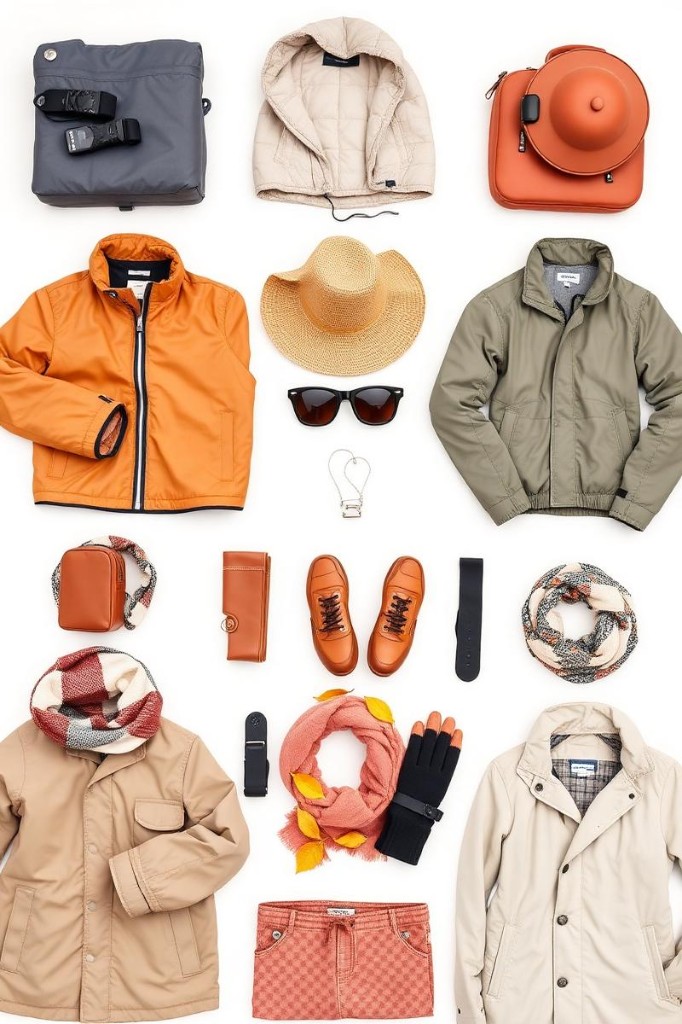
Travel clothing and gear by season

💰 Seasonal budget

PeriodAccommodation (€)Transport (€)Activities (€)Crowds (/5)Budget Tips
May-July200-400150-25080-1504/5Book 6 months in advance
August-October250-500180-300100-1805/5Avoid Australian school holidays
November-January150-300120-20060-1202/5Negotiate rates on-site
February-April120-250100-18050-1001/5Advantageous all-inclusive packages

💡 Money-saving tips

  • Avoid July-August: Peak Australian and New Zealand tourism with prices marked up by 40%
  • Prioritize April-May: Seasonal transition with intermediate rates and favorable weather
  • Book in advance: Savings of 20-30% on accommodation by booking 4-6 months ahead
  • Low season packages: Very advantageous all-inclusive offers from November to March
  • Local transport: Public buses are economical; car rentals are more affordable off-season

🏥 Health and precautions

General precautions:

  • Strong sun protection (SPF 50+ minimum)
  • Constant hydration (minimum 3L / 100oz per day)
  • Mosquito repellent (dengue risk exists)
  • Waterproof first aid kit
  • Travel insurance including water sports

Seasonal specifics:

  • Wet season: Beware of mosquitoes, disinfect wounds, wear closed shoes
  • Dry season: Enhanced UV protection, increased hydration

Events & Festivals in Fiji

Cultural calendar and festivities not to be missed in Fiji

Fijian festivities punctuate the year and enrich the travel experience by revealing the authentic Melanesian and Indo-Fijian culture of the archipelago.

🎭 Bose ni Vakaturaga Festival (July)

The most important traditional cultural festival in Fiji celebrates the Melanesian heritage with warrior dances, kava ceremonies, and local crafts. This authentic event brings together traditional chiefs from across the archipelago in a unique solemn and festive atmosphere.

Location: Suva, Presidential Palace and cultural sites

Highlight: The only occasion to witness traditional ceremonies that are restricted to non-Fijians the rest of the year

Climate impact: Dry season ideal for outdoor ceremonies and inter-island travel

🌺 Hibiscus Festival (August)

A popular festival blending Fijian traditions and modern influences, featuring the Miss Hibiscus pageant, concerts, dance, and local gastronomy. This colorful event attracts local and international visitors in a relaxed and joyful Fijian atmosphere.

Location: Suva, Albert Park and city center

Highlight: The oldest festival in the South Pacific, showcasing Fiji's cultural diversity

Climate impact: Dry season ensures the smooth running of outdoor activities and open-air concerts

🕯️ Diwali - Festival of Lights (October-November)

A major celebration of the Indo-Fijian community that transforms cities into luminous wonderlands. Hindu temples, homes, and businesses light up while families share traditional sweets and fireworks in a magical and spiritual atmosphere.

Location: Nadi, Suva, Lautoka - temples and Indo-Fijian neighborhoods

Highlight: The largest Hindu celebration in the Pacific, a unique fusion of Indian traditions and local culture

Climate impact: Seasonal transition with mild evenings perfect for nighttime strolls

Seasonal events

Dry Season (May-October):

  • Port Denarau Jazz Festival (June)
  • Regatta Week - international sailing (September)
  • Pacific Arts Festival (even years, September)

Wet Season (November-April):

  • Fijian New Year - local celebrations (January)
  • Mango Festival (February)
  • Holi - Indo-Fijian Festival of Colors (March)

Responsible Travel in Fiji

Fiji, an island nation vulnerable to climate change, calls for tourism that respects its fragile ecosystems and ancestral traditions deeply linked to natural cycles.

The Fijian archipelago faces major environmental challenges: rising sea levels, coral bleaching, and coastal erosion. Traveling responsibly means respecting marine breeding seasons, supporting the local economy, and minimizing your carbon footprint.

🌱 Low-season advantages

Traveling in the low season (November-April) reduces tourist pressure on fragile ecosystems, supports local employment year-round, and decreases the carbon footprint of oversized infrastructure.

♻️ Sustainable travel tips

  • Marine protection: Biodegradable sunscreen, respect turtle nesting areas
  • Local economy: Prioritize local guides and traditional crafts
  • Waste management: Avoid single-use plastic, participate in beach cleanups
  • Transport: Favor group travel and local transport
  • Accommodation: Choose certified eco-lodges and sustainable practices
  • Activities: Responsible diving, marked trails only

🏙️ Local sustainable initiatives

Fiji is developing innovative programs: marine protected areas managed by local communities, a carbon neutrality project by 2050, mangrove reforestation initiatives, and the promotion of renewable energy in the tourism sector.

Our Expert Recommendations

Expert recommendations for your trip to Fiji

After analyzing 20 years of weather data and field feedback from our experts, our recommendations adapt to your travel priorities. Fiji offers different experiences depending on the season: optimal comfort in the dry season or tropical authenticity in the wet season. Each period reveals a unique face of the archipelago.

🏆 Optimal period: May to October

Recommended months: June, July, August, September

Advantages:

  • Ideal and predictable weather conditions
  • Calm sea perfect for diving and snorkeling
  • Refreshing trade winds tempering the heat
  • Almost zero cyclone risk
  • Exceptional underwater visibility (30-40m / 98-131ft)

Disadvantages:

  • High season rates (+40% compared to low season)
  • Maximum tourist crowds

Ideal profile: Honeymooners, families with children, diving enthusiasts, first-time travelers

⚖️ Balanced alternative: April - May and October - November

Alternative months: April, May, October, November

Description: Transition periods offering an optimal compromise between favorable weather conditions and moderate rates

Specific advantages:

  • Intermediate rates (-20% vs. high season)
  • Weather still favorable with some refreshing showers
  • Fewer tourist crowds
  • Lush vegetation post-wet season

👥 Tips for your travel style

👨‍👩‍👧‍👦 Family: June-September, child-friendly resorts, safe activities. Avoid January-March (cyclones).

💰 Budget: February-April for reduced rates, all-inclusive packages, on-site negotiation possible.

🎒 Adventure: May-October for hiking, April-May for spectacular waterfalls, optimal water sports.

💎 Luxury: July-August for premium service, September-October for privacy, less crowded exclusive resorts.

📸 Photographer: June-August perfect light, April-May striking contrasts, November for lush vegetation.

⚠️ Periods to avoid: December to March

Cyclone season with high weather risks, excessive humidity, and significant rainfall that can disrupt activities and inter-island transport. Reserved for experienced and flexible travelers.

Cities to explore

Discover the must-sees of urban travel

All cities

Frequently Asked Questions

Find answers to essential questions to plan your trip to Fiji according to climatic and seasonal conditions.

What is the best time to visit Fiji?

The optimal period is from May to October (dry season) with pleasant temperatures (20-28°C / 68-82°F), low rainfall, and no cyclone risk. June to September offer the most stable conditions for all activities. For a good balance between price and weather, consider May and October.

Can you visit Fiji during the cyclone season?

The cyclone season (November-April) is viable but requires flexibility. Major cyclones are rare (2-3 per decade) and tourist infrastructure is well-prepared. Advantages: reduced rates (-40%), fewer tourists, lush vegetation. Disadvantages: frequent showers, high humidity, possible activity cancellations.

What are the climatic differences between the Fijian islands?

Variations are significant: the Mamanuca/Yasawa islands enjoy the driest climate, Nadi (west coast of Viti Levu) receives half the rain of Suva (east coast). Outer islands like Taveuni are wetter but offer exceptional biodiversity. Altitude creates microclimates that are 5°C / 9°F cooler.

How should I dress according to the season in Fiji?

Dry season: light cotton/linen clothing, a fleece for evenings, breathable footwear. Wet season: prioritize quick-drying fabrics, a light raincoat, waterproof shoes, and extra changes of clothing. Year-round: maximum sun protection, multiple swimsuits, and a hat are mandatory.

Do prices really vary by season in Fiji?

Differences are considerable: +40% in high season (July-August) vs. low season (January-March). Accommodation: €120-250 in low season vs. €250-500 in high season. Airfare: variations of €200-400 depending on the period. Booking 4-6 months in advance can save 20-30% even in high season.