When to visit Volcanoes National Park? Nature Guide

Explore the magic of Rwandan volcanoes and meet the gorillas according to optimal seasons.

  • Kinyarwanda, French, English language
  • 180 days rainy days/year
  • June to September best time to visit
  • 3 to 5 days recommended stay

Climate of Volcanoes National Park

Understanding the tropical high-altitude climate of Volcanoes National Park

The park enjoys a tropical high-altitude climate influenced by its high elevation (2,400-4,507m / 7,874-14,787ft). Temperatures remain cool year-round with two distinct seasons that directly impact gorilla trekking and volcanic hiking.

  • Lower zone (2,400-3,000m / 7,874-9,843ft): Bamboo forest, milder and more humid climate
  • Upper zone (3,000-4,507m / 9,843-14,787ft): Alpine vegetation, cool temperatures and strong winds
MonthMin Temp (°C / °F)Max Temp (°C / °F)Precipitation (mm / in)Sunshine (h/day)Tourist TrafficRecommended Activities
January8°C / 46°F18°C / 64°F95mm / 3.7in6★★★★Gorillas, hiking
February8°C / 46°F19°C / 66°F105mm / 4.1in6★★★★Wildlife observation
March9°C / 48°F19°C / 66°F140mm / 5.5in5★★★Start of rainy season
April10°C / 50°F18°C / 64°F180mm / 7.1in4★★Lush vegetation
May10°C / 50°F18°C / 64°F95mm / 3.7in5★★End of rainy season
June8°C / 46°F19°C / 66°F25mm / 1.0in7★★★★★Optimal conditions
July7°C / 45°F19°C / 66°F15mm / 0.6in7★★★★★Ideal dry season
August8°C / 46°F20°C / 68°F35mm / 1.4in7★★★★★Volcano trekking
September9°C / 48°F20°C / 68°F75mm / 3.0in6★★★★Excellent for gorillas
October10°C / 50°F19°C / 66°F115mm / 4.5in5★★★Seasonal transition
November10°C / 50°F18°C / 64°F125mm / 4.9in5★★Short rainy season
December9°C / 48°F18°C / 64°F85mm / 3.3in6★★★★End-of-year festivities

Altitude causes significant climatic variations: temperatures decrease by 6°C / 10.8°F for every 1,000m / 3,281ft of elevation, frequent fog above 3,000m / 9,843ft, and higher rainfall on western slopes exposed to prevailing winds.

The Seasons

Activities by Weather

Optimize your stay by choosing activities adapted to the current climatic conditions for a memorable experience.

☔ In rainy weather

Protected activities

Justification: Rainy days offer enriching alternatives to discover local culture and prepare for treks.

Recommended activities:
🏛️ Dian Fossey Interpretation Centre (2h, $15, year-round)
🎭 Iby'iwacu cultural shows (1h30, $20, by reservation)
🛍️ Local crafts in Kinigi (free, permanent)
🍯 Beekeeping cooperative visit (1h, $10, morning)
📚 Musanze Ethnographic Museum (1h, $8, closed Monday)
🏠 Meeting local families (2h, $25, afternoon)

Practical tip: Online reservations recommended, avoid long trips in bad weather

Additional tip: Combine several cultural activities, plan for covered transport

☀️ In good weather

Optimal outdoor activities

Justification: Dry and sunny conditions are perfect for the park's flagship activities and exceptional panoramas.

Recommended activities:
🦍 Mountain gorilla trekking (4-8h, $1500, 8h departure)
🏔️ Bisoke volcano climb (6-8h, $75, 7h departure)
🐒 Golden monkey tracking (3-4h, $100, 8h-14h)
🥾 Bisoke crater hike (day, included, guide mandatory)
📸 Panoramic viewpoints (2-3h, free, sunrise/sunset)
🌺 Rugezi nature trail (1-2h, $10, afternoon)

Best time of day: Early morning departure (7h-8h) to avoid afternoon clouds, golden hour 17h-18h

Seasonal tip: June-September optimal, avoid midday in dry season

🌤️ Versatile activities

Flexible according to weather

Justification: These activities adapt to the changing conditions typical of the mountain climate.

Adaptable activities:
🚶 Short trails around Kinigi (1-2h, free)
🏞️ Twin Lakes Burera-Ruhondo (half-day, $30)
🌿 Community village walk (2-3h, $20)

Weather tip: Bring rain gear, flexible departure according to morning conditions

Itinerary example: Culture in the morning if rainy, nature in the afternoon if sunny

💰 Economic activities

Budget options

Free/economic activities:
🚶 Free nature trails around Kinigi
🏞️ Viewpoints accessible on foot
🛍️ Musanze local markets (free)
🎨 Community craft workshops ($5-$15)

Advantageous days: Group rates for cultural activities, negotiation with local guides

Budget tips: Combine activities, shared transport, homestay accommodation

Practical Guide

Prepare your expedition to Volcanoes National Park with our practical tips adapted to high-altitude climatic conditions and the specifics of trekking in a tropical mountain environment for an optimal experience.

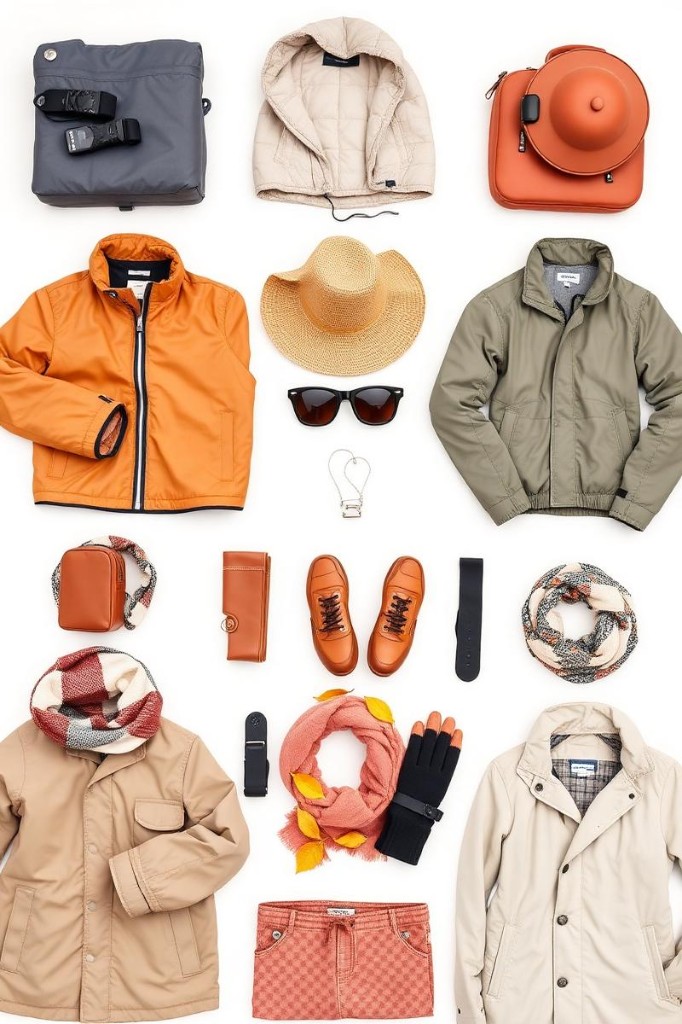
👕 Seasonal packing

Dry season (June-September): • Mandatory waterproof trekking shoes • Fleece jacket for altitude • Long anti-thorn pants • Gardening gloves for vegetation • Hat and sunscreen • Waterproof backpack

Rainy season (March-May): • Full rain poncho • Waterproof gaiters • Non-slip shoes • Quick-dry clothing • Waterproof over-pants • Plastic bags for equipment

Year-round: • Multiple layers for temperature variations • Spare socks • Headlamp • First aid kit
Travel clothing and gear by season

💰 Seasonal budget

PeriodLodge ($/night)Transport ($/day)Meals ($/day)Activities ($)Traffic
June-Sept200-80080-12040-801500-1700★★★★★
Dec-Feb150-60060-10035-701500-1600★★★★
Oct-Nov120-45050-8030-601500-1550★★★
Mar-May100-40040-7025-501500★★

💡 Money-saving tips

Book gorilla permits 6 months in advance (fixed price $1,500). Choose community accommodation to save ($50-$100/night). Share transport and guides for secondary activities. Avoid high season for accommodation (-40%). Prepare picnics rather than tourist restaurants.

🏥 Health and precautions

Altitude: progressive acclimatization, increased hydration • Malaria: prophylaxis recommended, mosquito net • Vaccinations: yellow fever mandatory, hepatitis advised • Physical effort: physical condition required, warm-up • First aid: complete kit, personal medications • Insurance: medical evacuation covered

Natural Events

Calendar of remarkable natural phenomena in Volcanoes National Park

The park offers exceptional seasonal natural spectacles that enrich the visitor experience depending on the climatic period.

🌸 Giant Lobelia Bloom (January-March)

Description: A unique spectacle of giant lobelia blooming on the slopes of Karisimbi, creating a magical high-altitude landscape with these endemic plants that can reach 8 meters / 26 feet.

Location: Karisimbi and Muhabura slopes (3,000-4,000m / 9,843-13,123ft altitude)

Special feature: Rare natural phenomenon visible only at high altitude

Climate impact: Best visibility during the short dry season, easier access, optimal photography

Access: Specialized trekking with an experienced guide, 6-8 hours of walking

Planning tip: Book a specialized botanical guide; excellent physical condition is required

🦍 Gorilla Birth Season (August-October)

Description: A prime period to observe young gorillas and intense family interactions within groups, a time of maximum social activity.

Location: All gorilla families in the park

Special feature: Unique behaviors, learning by the young, strengthened family bonds

Climate impact: Coincides with the end of the dry season, excellent observation conditions, less stress for animals

Access: Standard trekking permit, all families included

Planning tip: Book well in advance, bring extra patience for observing behaviors

🌊 Waterfalls at Full Power (April-May)

Description: The park's waterfalls reach their maximum flow during the rainy season, offering an impressive aquatic spectacle in a setting of lush greenery.

Location: Musanze Waterfalls, secondary falls on volcanic slopes

Special feature: Tenfold flow, frequent rainbows, exuberant tropical vegetation

Climate impact: Difficult access but guaranteed spectacle, waterproof equipment is essential

Access: Muddy trails, local guide recommended, 2-4 hours depending on the waterfall

Planning tip: Full waterproof gear, grippy shoes, flexible schedule

Seasonal events

Dry season: • Migratory bird migration (July-August) • Optimal volcano visibility (June-September) • Maximum gorilla activity (August-September)

Rainy season: • Endemic butterfly hatching (April-May) • Wild orchid blooming (March-April) • Intensified bird songs (April-June)

Transitions: • Spectacular morning fog (October-November) • Dramatic clearings (February-March)

Responsible Ecotourism

Practice sustainable tourism that respects the fragile ecosystem of the volcanoes and local Rwandan communities.

Volcanoes National Park focuses on conservation ecotourism: gorilla revenue funds protection, local jobs are prioritized, strict habitat preservation rules, visitor awareness, supported scientific research, and integrated community development.

🌱 Low-season advantages

Visiting in the rainy season reduces tourist pressure on gorillas, allows for more advantageous local rates for communities, decreases trail erosion, and offers a more authentic experience with less-solicited guides.

♻️ Sustainable travel tips

Respect the 7-meter / 23-foot distance from gorillas, use local guides and porters, buy community crafts, avoid single-use plastics, follow marked trails only, limit noise and flash photography, and offset your flight carbon footprint.

🏙️ Local sustainable initiatives

Rwanda develops exemplary community projects: beekeeping cooperatives, village ecotourism, participatory reforestation, local guide training, shared conservation revenue, environmental education, and sustainable agriculture on the park periphery.

Our Recommendations

Recommendations for your adventure in Volcanoes National Park

Our climate analysis and field feedback converge on personalized recommendations according to your priorities. The optimal period combines favorable weather conditions, trail accessibility, animal behavior, and budget impact for a memorable experience in this mountain gorilla sanctuary.

🌟 Optimal Period: June-September

Advantages:
• Dry and accessible trails for safe trekking
• Excellent visibility for gorilla observation
• Perfect conditions for volcano climbing
• Stable and predictable weather
• Optimal photography with ideal lighting

Key events: Gorilla birth season (August-September), bird migration, maximum volcano visibility

Disadvantages: Maximum traffic, accommodation rates +50%, bookings 6 months in advance

Ideal profile: First visit, confirmed trekkers, nature photographers, comfortable budget

Stay duration: 4-6 days recommended

🌤️ Interesting Alternative: December-February

Months: December, January, February

Description: Excellent compromise between favorable weather conditions and moderate traffic, with attractive intermediate rates and a more intimate experience.

Specific advantages: Fewer tourists for gorilla observation, accommodation rates -30%, generally good conditions, giant lobelia blooming

For whom: Flexible travelers, couples seeking intimacy, intermediate budgets, avoiding crowds

👥 Tips for your travel style

Family with children (+12 years): December-February, Kinigi family accommodation, alternative cultural activities, family-experienced guides

Tight budget: March-May or October-November, community accommodation, shared transport, prioritized free activities

Nature photographers: June-September for gorillas, March-May for vegetation, rain protection equipment, specialized guides

First visit: July-August optimal, very early bookings, experienced guides, comfortable accommodation, 5-6 days duration

⚠️ Periods to avoid: March-May

Months: March, April, May (long rainy season)

Reasons: Very muddy and dangerous trails, visibility reduced by clouds, frequent activity cancellations, volcano access compromised, specialized equipment mandatory

Nuances: Acceptable for vegetation photographers, tight budgets, challenge lovers, total date flexibility

Villes du même pays

All cities

Frequently Asked Questions

Answers to essential questions for planning your adventure in this gorilla sanctuary.

What is the best month to visit Volcanoes National Park?

July-August represent the optimum with ideal dry conditions, excellent visibility for gorillas, and accessible trails. However, this period sees maximum crowds and high prices. For an excellent compromise, December-February offer good conditions with fewer crowds and intermediate prices, perfect for a first visit.

How many days should I plan for Volcanoes National Park?

4-5 days is the ideal duration for a complete experience: 2 days of gorilla trekking (with a rest day), 1 day of volcano climbing or golden monkeys, 1 day of cultural activities and recovery. Experienced trekkers can extend to 6-7 days for multiple volcanic ascents. Minimum 3 days to justify the trip and acclimatize to the altitude.

What to do in Volcanoes National Park in case of rain?

Rainy days offer excellent alternatives: Dian Fossey Interpretation Centre to understand conservation history, Iby'iwacu cultural shows, visits to local craft cooperatives in Kinigi, and meetings with local Rwandan families. These activities enrich the cultural experience and perfectly prepare you for subsequent treks while supporting the local economy.

What natural events should not be missed in Volcanoes National Park?

The gorilla birth season (August-October) offers exceptional behavioral observations. The blooming of giant lobelias (January-March) creates a unique high-altitude spectacle. In the rainy season, the waterfalls reach their maximum power (April-May) in a lush green setting. Each season reveals specific natural phenomena according to mountain climatic cycles.

What budget should I plan according to the season?

High season (June-September): $2,500-$4,000/person for 5 days including gorilla permits, lodge accommodation, transport, and meals. Intermediate season (December-February): $2,000-$3,200 with reduced accommodation rates. Rainy season (March-May): $1,800-$2,800 with significant promotions. The gorilla permit ($1,500) remains fixed all year. Plan for an additional budget for optional activities and guide tips.