When to visit Rwanda? Complete Guide

Between lush green mountains and a temperate tropical climate, Rwanda reveals surprising climatic nuances depending on the seasons.

  • 13.4 M population
  • Kinyarwanda, French, English language
  • 150 days rainy days/year
  • June to September best time to visit
  • 7 to 14 days recommended stay

Weather and Climate in Rwanda

Understanding Rwanda's temperate tropical climate

Rwanda enjoys a temperate tropical climate due to its high altitude. Two distinct climatic zones influence the travel experience: the central highlands and the eastern valleys, creating varied microclimates depending on the regions visited.

  • Central Highlands: Mountainous zone with mild temperatures and moderate rainfall
  • Eastern Valleys: Warmer and drier zone, ideal for safaris
MonthTemperaturePrecipitationConditions
January15-26°C / 59-79°F80mm / 3.15inShort dry season
February15-27°C / 59-81°F90mm / 3.54inShort dry season
March15-26°C / 59-79°F120mm / 4.72inStart of rainy season
April15-25°C / 59-77°F150mm / 5.91inRainy season
May15-25°C / 59-77°F130mm / 5.12inRainy season
June14-24°C / 57-75°F20mm / 0.79inLong dry season
July14-24°C / 57-75°F10mm / 0.39inLong dry season
August15-25°C / 59-77°F30mm / 1.18inLong dry season
September15-26°C / 59-79°F50mm / 1.97inLong dry season
October15-26°C / 59-79°F100mm / 3.94inShort rainy season
November15-25°C / 59-77°F140mm / 5.51inShort rainy season
December15-26°C / 59-79°F90mm / 3.54inTransition

Altitude varies from 950m / 3,117ft to 4,507m / 14,787ft, creating significant thermal variations between regions.

The Seasons in Rwanda

Climate by region of Rwanda

Rwanda's mountainous terrain creates distinct microclimates according to altitude and exposure. Each region offers specific climatic conditions that directly influence your travel experience.

🏔️ Volcanoes Region (North)

Description: Mountainous zone home to mountain gorillas with cooler temperatures due to high altitude (2,500-4,507m / 8,200-14,787ft). The climate is more humid with frequent fog, creating a unique mountain tropical forest ecosystem.

PeriodWeatherTemperatureActivities
June-SeptDry10-20°C / 50-68°FOptimal gorilla trekking
Oct-NovHumid12-18°C / 54-64°FDifficult conditions
Dec-FebDry12-22°C / 54-72°FGood period
Mar-MayVery humid10-18°C / 50-64°FComplicated trekking

Specifics: Frequent morning fog, need for warm and waterproof clothing

🦁 Akagera National Park (East)

Description: The warmest and driest savannah region in the country, ideal for safaris. The lower altitude (1,200-1,800m / 3,937-5,905ft) creates a warmer climate with less rainfall, perfect for observing African wildlife.

PeriodWeatherTemperatureActivities
June-SeptDry18-28°C / 64-82°FOptimal safari
Oct-NovModerate20-27°C / 68-81°FGood visibility
Dec-FebDry20-29°C / 68-84°FExcellent for safari
Mar-MayHumid18-26°C / 64-79°FDense vegetation

Specifics: Sunniest zone, animal concentration near water points in dry season

🏙️ Central Region (Kigali)

Description: Urban zone with an ideal temperate climate, located at 1,500m / 4,921ft altitude. Kigali benefits from a particularly pleasant microclimate with constant temperatures and good distribution of rainfall throughout the year.

PeriodWeatherTemperatureActivities
June-SeptDry16-25°C / 61-77°FPerfect urban visits
Oct-NovModerate17-24°C / 63-75°FPleasant conditions
Dec-FebDry17-26°C / 63-79°FIdeal climate
Mar-MayHumid16-24°C / 61-75°FShort showers

Specifics: Most stable climate in the country, perfect as a base for exploration

🌊 Lake Kivu Region (West)

Description: Lakeside zone with a tropical climate moderated by the influence of the lake. Temperatures are mild and humidity is regulated by the water mass, creating a microclimate particularly pleasant for relaxation and water activities.

PeriodWeatherTemperatureActivities
June-SeptDry18-26°C / 64-79°FWater activities
Oct-NovModerate19-25°C / 66-77°FPleasant conditions
Dec-FebDry19-27°C / 66-81°FPerfect for beach
Mar-MayHumid18-25°C / 64-77°FModerate rain

Specifics: Moderating effect of the lake, cooling breezes, spectacular sunsets

Practical Guide for Rwanda

Preparing for your trip to Rwanda requires adaptation to climatic variations according to regions and seasons. Our practical tips will help you optimize your budget, equipment, and health to fully enjoy this exceptional destination.

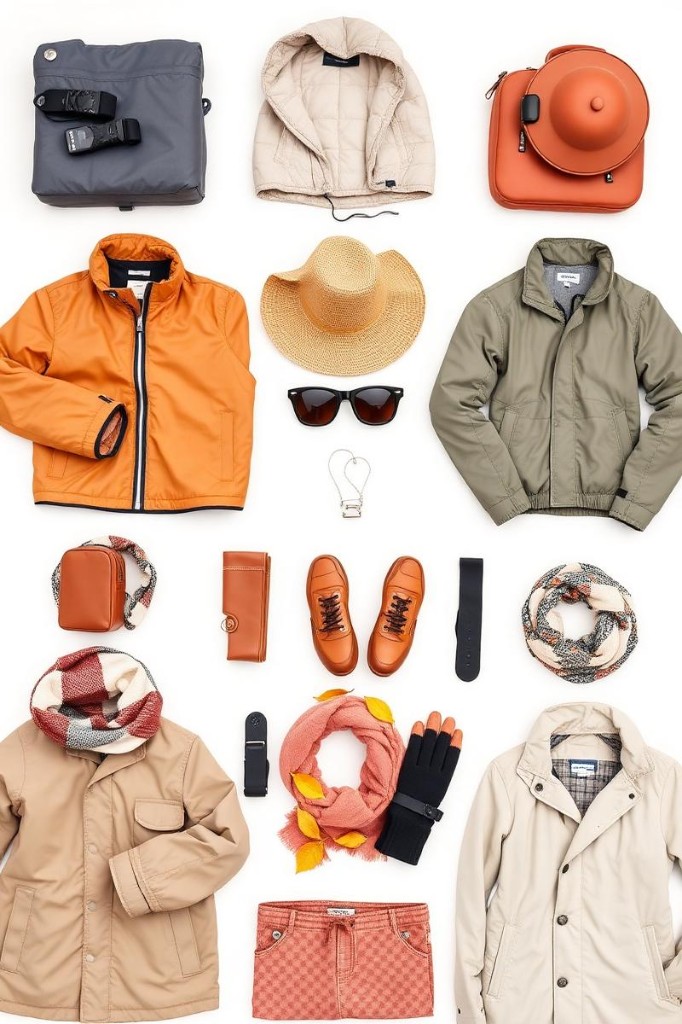
👕 Seasonal packing

Equipment by season:

Dry Season (June-Sept):

  • Light cotton clothing
  • Fleece for evenings
  • Trekking shoes
  • Hat and sunglasses

Rainy Season (March-May):

  • Quality waterproof jacket
  • Rain pants
  • Waterproof shoes
  • Dry bag for equipment

Gorilla Trekking (all seasons):

  • Gardening gloves
  • Leech-proof gaiters
  • Long, neutral-colored clothing
  • Mandatory hiking boots
Travel clothing and gear by season

💰 Seasonal budget

PeriodAccommodation (€)Transport (€)Activities (€)Crowds (/5)Savings Tips
June-Sept80-20050-80600-15005/5Book 6 months in advance
Oct-Nov60-15040-60600-12003/5Negotiation possible
Dec-Feb70-18045-70600-14004/5Avoid late December
Mar-May50-12035-50500-10002/5Best rates of the year

💡 Money-saving tips

  • Avoid July-August: Price peaks with maximum European crowds
  • Book gorilla trekking: Mandatory 3-6 months in advance, fixed prices year-round
  • Take advantage of low season: March-May offers 30-40% savings on accommodation
  • Group transport: Sharing a 4x4 vehicle significantly reduces costs
  • Local accommodation: Family guesthouses are cheaper than tourist lodges

🏥 Health and precautions

Health precautions by season:

  • Malaria: Mandatory prevention year-round, resurgence in rainy season
  • Altitude: Acclimatization necessary above 2,500m / 8,200ft, increased hydration
  • Dry season: Maximum sun protection, constant hydration
  • Wet season: Gastrointestinal risks, bottled water recommended
  • Vaccinations: Yellow fever mandatory, Hepatitis A/B recommended
  • Medical kit: Anti-diarrheal, antiseptics, waterproof bandages

Events & Festivals in Rwanda

Cultural calendar and festivities not to be missed in Rwanda

Rwandan cultural events punctuate the year and offer an authentic immersion into local culture, often influenced by agricultural seasons.

🎭 Kwita Izina (September)

Description: Gorilla naming ceremony, a major global conservation event. Festive atmosphere blending Rwandan tradition and environmental awareness with traditional dance and music performances.

Location: Volcanoes National Park, Musanze

Special feature: The only event in the world dedicated to mountain gorillas

Climate impact: Organized during the dry season to facilitate park access

🕊️ Kwibuka - Genocide Commemoration (April)

Description: National commemoration week with official ceremonies and moments of reflection. A period for deep reflection on the country's history and its remarkable reconstruction.

Location: Kigali and national memorial sites

Special feature: A moment of national unity and collective memory

Climate impact: During the rainy season, ceremonies are often held indoors

🎪 Kigali Arts Festival (August)

Description: Modern artistic celebration with exhibitions, concerts, and performances by local and international artists. A showcase of contemporary Rwandan creativity in a dynamic urban setting.

Location: Kigali City Center, various cultural venues

Special feature: Fusion of traditional art and contemporary creations

Climate impact: Dry season ideal for outdoor events

Seasonal events

Dry Season (June-Sept):

  • Kwita Izina - Gorilla Naming (September)
  • Kigali Arts Festival (August)
  • Umuganura - Harvest Festival (August)

Rainy Season (March-May):

  • Kwibuka - Genocide Commemoration (April)
  • National Unity Day (May)

Short Dry Season (Dec-Feb):

  • Traditional Rwandan New Year (January)
  • Republic Day (February)

Responsible Travel in Rwanda

Sustainable tourism in Rwanda adapts to natural cycles to preserve the fragile mountain ecosystem and support local communities equitably.

Rwanda focuses on conservation tourism where every visit contributes directly to gorilla protection and the local economy. Respecting breeding seasons and natural cycles ensures an authentic experience while preserving unique biodiversity.

🌱 Low-season advantages

Traveling in the low season reduces tourist pressure on fragile ecosystems, allows for better distribution of local income, and reduces the collective carbon footprint.

♻️ Sustainable travel tips

  • Wildlife respect: 7m / 23ft distance from gorillas, groups limited to 8 people
  • Waste management: No waste left in parks, reusable packaging
  • Local transport: Prioritize certified Rwandan guides and drivers
  • Eco-accommodation: Choose lodges with environmental certification
  • Responsible shopping: Local crafts in community cooperatives

🏙️ Local sustainable initiatives

Rwanda is developing community reforestation projects, rural solar energy programs, and ecotourism cooperatives managed by former poachers retrained as conservation guides.

Our Expert Recommendations

Expert recommendations for your trip to Rwanda

After analyzing climatic data and field experience, our recommendations adapt to your travel priorities. Rwanda offers favorable conditions for a large part of the year, but certain periods optimize your experience according to your priority activities and available budget.

🌟 Optimal Period: June to September

Recommended months: June, July, August, September

Advantages:

  • Perfect weather conditions for gorilla trekking
  • Practicable roads in all regions
  • Optimal visibility for Akagera safaris
  • Ideal temperatures for all activities
  • Minimal precipitation

Disadvantages:

  • High tourist season with maximum crowds
  • Accommodation and activity rates at their highest

Ideal profile: Travelers prioritizing comfort and optimal conditions, families with children

⚖️ Balanced Alternative: January to February

Alternative months: January, February

Description: Excellent compromise between favorable weather conditions and moderate attendance. Ideal period to avoid crowds while enjoying a dry and pleasant climate.

Specific advantages:

  • More affordable intermediate rates
  • Less tourist traffic
  • Still excellent conditions for trekking
  • Wider availability for accommodation

👥 Tips for your travel style

👨‍👩‍👧‍👦 Family: June-September for safety and comfort, avoid rainy seasons with young children

💰 Budget: March-May for maximum savings, accept weather constraints for 40% savings

🏔️ Adventure: Possible year-round, rainy season for authentic experience and lush landscapes

✨ Luxury: July-August for premium lodges, mandatory booking 6 months in advance

📸 Photographer: September-October for golden light and contrasting vegetation, June-July for active wildlife

⚠️ Period to avoid: April to May

Long rainy season with difficult conditions for trekking, roads sometimes impassable, and reduced visibility for wildlife observation. Reserved for very experienced and flexible travelers.

Cities to explore

Discover the must-sees of urban travel

All cities

Frequently Asked Questions

Find answers to essential questions to plan your trip to Rwanda according to optimal weather conditions.

What is the best time to see gorillas in Rwanda?

The dry season from June to September offers the best conditions for gorilla trekking. Trails are less slippery, vegetation is less dense, and weather conditions are optimal. However, gorillas are visible year-round with a 98% success rate.

Can you visit Rwanda during the rainy season?

Yes, but with necessary adaptations. The rainy season (March-May) offers spectacular lush landscapes and fewer crowds. Plan for waterproof gear and flexibility in your schedule, as some roads can be difficult.

What budget should I plan for according to the season in Rwanda?

Expect €150-300/day in high season (June-September) and €100-200/day in low season (March-May). The gorilla permit costs $1,500 year-round. Savings can be made on accommodation and transport with up to 40% off-season discounts.

When should I book my trip to Rwanda?

Book 3 to 6 months in advance for the high season, especially for gorilla permits, which are limited to 96 per day. For the low season, 2-3 months is sufficient with more flexibility on dates and accommodation.

What is the recommended duration for a trip to Rwanda?

7 to 10 days minimum to combine gorillas, Akagera safari, and cultural discovery. Allow 14 days for a complete exploration including Lake Kivu and community activities. Acclimatization to the altitude requires 2-3 days.