When to visit Abu Simbel? City-Trip Guide

Discover the grandiose temples of Abu Simbel according to the seasons for an optimal experience in the Nubian Desert.

  • 0.003 M population
  • Arabic language
  • 1 day rainy days/year
  • November to March best time to visit
  • 1 to 2 days recommended stay

Climate and weather in Abu Simbel

Understanding the arid desert climate of Abu Simbel

Abu Simbel enjoys an arid desert climate characterized by scorching summers and mild winters. Located in Upper Egypt near Lake Nasser, the city is influenced by the Nubian Desert, resulting in significant temperature fluctuations between day and night.

Unique desert zone with influence from Lake Nasser, creating a slight moderation of extreme temperatures

MonthMin Temp (°C / °F)Max Temp (°C / °F)Precipitation (mm / in)Sunshine (h/day)Tourist TrafficRecommended Activities
January8°C / 46°F23°C / 73°F0mm / 0in9★★★★☆Temple visits, cruise
February10°C / 50°F26°C / 79°F0mm / 0in10★★★★★Exploration, photography
March15°C / 59°F30°C / 86°F0mm / 0in10★★★★★Hiking, full tour
April20°C / 68°F35°C / 95°F0mm / 0in11★★★★☆Morning visit
May25°C / 77°F40°C / 104°F0mm / 0in12★★★☆☆Very early visit
June28°C / 82°F43°C / 109°F0mm / 0in13★★☆☆☆Inside temples only
July30°C / 86°F45°C / 113°F0mm / 0in13★☆☆☆☆Avoid visits
August30°C / 86°F44°C / 111°F0mm / 0in12★☆☆☆☆Avoid visits
September26°C / 79°F40°C / 104°F0mm / 0in11★★☆☆☆Late afternoon only
October21°C / 70°F36°C / 97°F0mm / 0in10★★★☆☆Return of visits
November15°C / 59°F30°C / 86°F0mm / 0in9★★★★☆Ideal conditions
December10°C / 50°F25°C / 77°F0mm / 0in8★★★★☆Perfect for everything

Low altitude (180m / 591ft) with direct exposure to desert sun and dry Saharan winds

The seasons in Abu Simbel

Sites according to climatic conditions

Optimize your visit to Abu Simbel by adapting your activities to weather conditions for a memorable and comfortable experience.

☀️ Optimal conditions (November-March)

Full exploration

Preferred period to discover the entire site in perfect temperature and lighting conditions.

Sites to visit:
🏛️ Great Temple of Ramses II - 2h - Entry included - Morning recommended
👑 Temple of Nefertari - 1h30 - Supplement 100 EGP - Afternoon ideal
🌅 Sunrise over Lake Nasser - 45min - Free - 6:30am
📸 Panoramic viewpoints - 30min - Free - All day
🚤 Felucca ride - 1h - 200 EGP - Late afternoon
🎭 Sound and light show - 1h - 150 EGP - 7:30pm (winter)

Practical tip: Book the sound and light show in advance, especially in high season

Additional tip: Combine the visit with the Philae Temple in Aswan for a complete circuit
🔥 Intense heat (April-October)

Anti-heat strategy

Necessary adaptation of visit schedules to avoid the hottest hours of the day (10am-5pm).

Recommended slots:
🌅 Very early morning - 6am-9am - Bearable temperatures
🏛️ Inside the temples - All day - Relative coolness
🌇 Late afternoon - 5pm-7pm - Possible return outdoors
❄️ Air-conditioned areas of the visitor center - Mandatory breaks
💧 Water and shade points - Constant hydration

Best time of day: Sunrise at 6:30am for magical light and mild temperatures

Seasonal tip: Absolutely avoid July-August, prefer April-May and September-October

🏛️ Protected interiors

Air-conditioned refuges

Fallback solutions during heat peaks to continue cultural discovery.

Sites:
• Interior of the Great Temple (natural coolness)
• Temple of Nefertari (thermal protection)
• Air-conditioned visitor center with exhibits

Weather tip: Alternate outdoor visits early in the morning and indoor visits during midday

Example itinerary: 6:30am outdoor temples, 9am air-conditioned break, 10am-4pm interiors, 5pm outdoor return

💡 Practical tips

Visit optimization

Strategies to maximize your experience regardless of the climate.

Essential equipment:
• Hat and SPF 50+ sunscreen
• Water bottle (2L / 68oz minimum in summer)
• Long and light clothing
• Non-slip closed shoes

Optimal timing: Arrival 6:30am, departure 6pm maximum in winter, 9am in summer

Reservations: Nefertari Temple and sound and light show must be booked

Practical Guide

Essential tips to prepare for your visit to Abu Simbel according to the extreme climatic variations of the Nubian Desert. Clothing adaptation, seasonal budget, and health precautions for a successful stay at this exceptional site.

👕 Seasonal packing

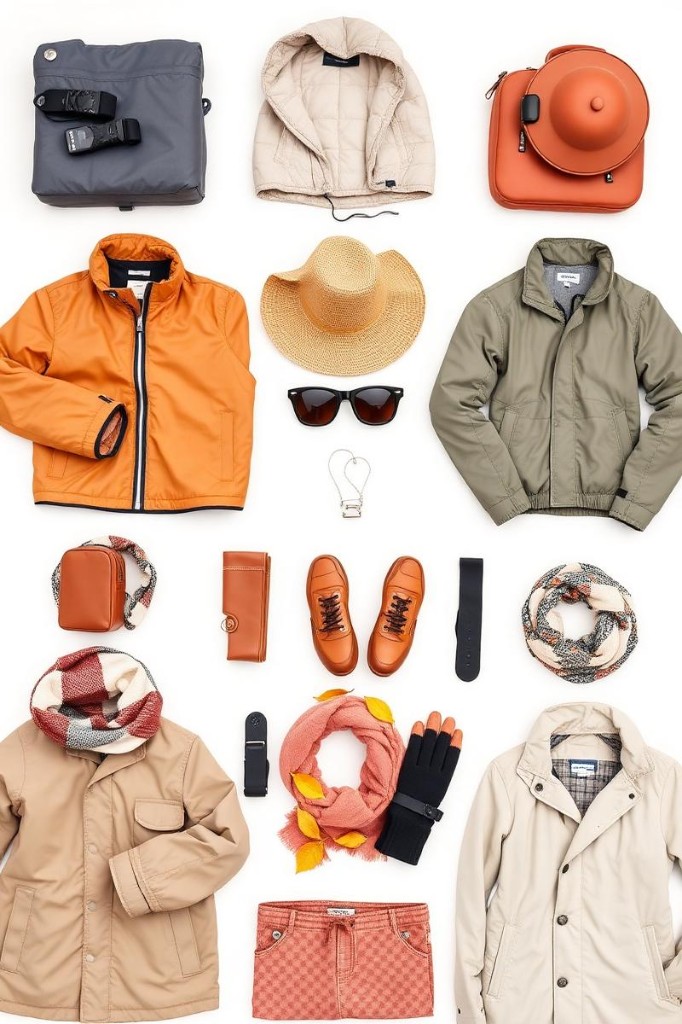
Cool season (Nov-Mar): • Layered clothing (t-shirt + sweater + jacket) • Closed walking shoes • Hat and sunglasses • SPF 50+ sunscreen • Scarf for cool evenings

Hot season (Apr-Oct): • Long, light linen/cotton clothing • Wide-brimmed hat mandatory • Maximum UV protection • Breathable closed shoes • Insulated water bottle
Travel clothing and gear by season

💰 Seasonal budget

PeriodAswan Accommodation (€/night)Round-trip Transport (€)Dining (€/day)Temple Entries (€)Crowds
Dec-Feb80-15045-6025-4025★★★★★
Mar-Apr60-12040-5520-3525★★★★☆
May-Sep40-8035-4515-2525★★☆☆☆
Oct-Nov50-10040-5020-3025★★★☆☆

💡 Money-saving tips

• Book accommodation in Aswan 3 months in advance during high season • Opt for group excursions from Aswan (more economical) • Plan for the Nefertari temple supplement (100 EGP) • Negotiate private transfers in low season • Bring your own water and snacks (high prices on site)

🏥 Health and precautions

Intensive hydration: 3-4L / 100-135oz of water per day in summer • Maximum sun protection (sunscreen, hat, clothing) • Avoid exposure between 10am-5pm in hot season • Monitor signs of dehydration • Bring a first aid kit • Consult a doctor if you have heart conditions (extreme heat)

Events and festivities

Calendar of exceptional events in Abu Simbel

Abu Simbel offers unique astronomical events that enrich the visitor experience and reveal ancient architectural genius.

🌅 February Solar Phenomenon (February 22nd)

Exceptional event where sun rays penetrate the sanctuary of the Great Temple and illuminate the statues of Ramses II, Amon-Ra, and Ra-Horakhty, leaving Ptah in the shadows. A natural spectacle of remarkable astronomical precision.

Location: Sanctuary of the Great Temple of Ramses II

Special feature: Phenomenon calculated by ancient architects to coincide with the Pharaoh's birthday

Climate impact: Ideal period (winter), maximum attendance, booking required 6 months in advance

Transport access: Special flights from Cairo, reinforced bus service from Aswan

Planning tip: Accommodation fully booked within a 200km / 124mi radius, prices tripled

🌅 October Solar Phenomenon (October 22nd)

Second annual astronomical event identical to the February one, traditionally commemorating the coronation of Ramses II. Same precision in solar alignment and guaranteed wonder.

Location: Sanctuary of the Great Temple of Ramses II

Special feature: Less crowded alternative to the February event

Climate impact: Temperatures still warm but bearable, start of the tourist season

Transport access: Normal transport conditions, fewer crowds

Planning tip: Booking 2-3 months in advance is sufficient, moderate prices

🎭 Nubian Festival (November)

Cultural celebration of the rich Nubian tradition with folk dances, local crafts, and traditional gastronomy. An event to discover the cultural soul of the region beyond the temples.

Location: Nubian village of Abu Simbel and surroundings

Special feature: Authentic immersion in contemporary Nubian culture

Climate impact: Climatically perfect period, pleasant festive evening atmosphere

Transport access: Organized local transport, shuttles from Aswan

Planning tip: Unique experience, booking recommended for shows

Seasonal events

Cool season: • Solar phenomena (February/October) • Nubian Festival (November) • Coptic Christmas celebrations (January) • Local Nubian festivals (December-March)

Hot season: • Ramadan (variable dates) impact on schedules • Traditional Muslim holidays • Reduced cultural events • Sound and light shows adapted to schedules

Responsible tourism

Abu Simbel, a UNESCO World Heritage site, requires a respectful approach to preserve this archaeological treasure and support local Nubian communities.

Adopt conscious tourism by respecting the fragility of the archaeological site, supporting the local Nubian economy, and minimizing your environmental impact in this unique desert ecosystem. Prioritize local guides, authentic crafts, and sustainable practices.

🌱 Low-season advantages

Visiting in the low season (May-September) reduces tourist pressure on the fragile site, allows for a more authentic experience with local communities, and decreases the collective carbon footprint.

♻️ Sustainable travel tips

• Respect the no-flash photography rule in the temples to preserve the paintings • Buy authentic Nubian crafts directly from the artisans • Use public transport from Aswan • Save water (a precious resource in the desert) • Do not leave any waste on site • Respect archaeological protection zones

🏙️ Local sustainable initiatives

The region is developing Nubian ecotourism with traditional guesthouses, trained community guides, preservation of ancestral craft skills, protection of Lake Nasser, and awareness of authentic Nubian culture.

Our recommendations

Recommendations for your trip to Abu Simbel

After analyzing climatic data, tourist crowds, and seasonal rates, here are our personalized tips to optimize your visit to Abu Simbel. These recommendations take into account the extreme weather conditions of the Nubian Desert, exceptional astronomical phenomena, and visitor comfort for a memorable experience of this major UNESCO site.

🌟 Optimal period: December to February

Recommended months: December, January, February

Advantages:
• Perfect temperatures (8-26°C / 46-79°F) for exploring without constraints
• Possibility of the February solar phenomenon (02/22)
• Ideal conditions for photography and sound and light shows
• Constant clear skies and exceptional lighting
• Maximum comfort for all outdoor activities

Key events: February solar phenomenon, Nubian festivals, perfect conditions for all sites

Disadvantages: High tourist crowds, high accommodation rates in Aswan

Ideal profile: All travelers, families, first-time visitors, photography enthusiasts

Stay duration: 1-2 days recommended

⚖️ Interesting alternative: March and November

Alternative months: March, November

Description: Excellent compromise between favorable climatic conditions and lower tourist crowds. Temperatures are still very pleasant at the beginning/end of the tourist season.

Specific advantages: Fewer tourists than in high season, more accessible rates, accommodation availability, perfect weather for visits

For whom: Flexible travelers, moderate budgets, those seeking authenticity

👥 Tips for your travel style

Family: December-February mandatory, Aswan accommodation with pool, short visits with breaks
Budget: May or October, simple Aswan accommodation, group transport, avoid supplements
Culture: February (solar phenomenon), specialized guide, in-depth visit, sound and light show
Romantic: January-February, private sunrise, dinner on a felucca, charming Aswan accommodation
Weekend: Direct flight from Cairo, 1 day on site, maximum efficiency
First trip: December-March, French-speaking guide, organized circuit from Aswan, all amenities

❌ Periods to avoid: June to August

Not recommended months: June, July, August

Reasons: Extreme heat (up to 45°C / 113°F), health risks related to dehydration, mandatory shortened visits, major discomfort

Nuances: Possible for very experienced desert travelers with an ultra-short stay (a few hours)

Villes du même pays

All cities

Frequently Asked Questions

Answers to essential questions to plan your visit to Abu Simbel according to climatic conditions and site specifics.

What is the best month to visit Abu Simbel?

December to February offers optimal conditions with pleasant temperatures (8-26°C / 46-79°F) and constantly clear skies. February has the added advantage of the exceptional solar phenomenon on the 22nd. March and November are excellent alternatives with fewer crowds. Avoid June-August, when extreme heat (45°C / 113°F) makes the visit dangerous and uncomfortable.

How many days should I plan for Abu Simbel?

1 to 2 days are enough for a complete tour of the site. One day allows you to see the two main temples and the sound and light show. Two days offer more comfort with sunrise, in-depth exploration, a visit to the Nubian village, and an excursion on Lake Nasser. Most visitors leave from Aswan on a day trip.

What to do in Abu Simbel in case of extreme heat?

Adapt your schedule: very early morning (6am-9am) and late afternoon (5pm-7pm) visits only. Prioritize the naturally air-conditioned interior of the temples during midday. Hydrate constantly (3-4L / 100-135oz of water), wear long, light clothing, and a hat is mandatory. The air-conditioned visitor center offers a refuge during the hottest hours.

Which events should not be missed in Abu Simbel?

The solar phenomenon on February 22nd remains the most spectacular event: the rays illuminate the statues in the sanctuary. The one on October 22nd is identical but less crowded. The Nubian Festival in November allows you to discover local culture. The daily sound and light show (except in summer) offers a magical perspective of the illuminated temples.

What budget should I plan for according to the season?

High season (Dec-Feb): 150-250€/day including Aswan accommodation, transport, meals, and entry fees. Mid-season (Mar-Apr, Oct-Nov): 100-180€/day. Low season (May-Sep): 80-130€/day but with difficult conditions. Add 100 EGP for the Nefertari temple and 150 EGP for the sound and light show. Transport from Aswan: 40-60€ round trip.