When to visit Giza? City-Trip Guide

Explore the pyramids according to the seasons: between intense heat and perfect winter mildness.

  • 4.1 M population
  • Arabic language
  • 5 days rainy days/year
  • from November to March best time to visit
  • 2 to 4 days recommended stay

Climate and weather in Giza

Understanding the arid desert climate of Giza

Giza enjoys an arid desert climate characterized by scorching summers and mild winters. Located on the edge of the Sahara Desert, the city experiences high annual sunshine with almost non-existent rainfall, making it ideal for visiting archaeological sites.

  • Urban area: Urban heat island effect accentuating temperatures
  • Giza Plateau: Direct sun exposure with potential sand winds
  • Proximity to the Nile: Slight temperature moderation near the river
MonthMin/Max Temp (°C / °F)Precipitation (mm / in)Sunshine (h/day)Tourist TrafficRecommended Activities
January9/19°C / 48/66°F5 / 0.27⭐⭐⭐⭐Pyramids, museums
February10/21°C / 50/70°F4 / 0.168⭐⭐⭐⭐⭐Outdoor sites
March13/24°C / 55/75°F4 / 0.169⭐⭐⭐⭐⭐Full exploration
April17/28°C / 63/82°F1 / 0.0410⭐⭐⭐⭐Sunrise views
May21/32°C / 70/90°F1 / 0.0411⭐⭐⭐Morning tours
June24/35°C / 75/95°F0 / 012⭐⭐Air-conditioned museums
July25/36°C / 77/97°F0 / 012⭐⭐Indoors only
August25/36°C / 77/97°F0 / 011⭐⭐Mandatory midday rest
September22/33°C / 72/91°F0 / 010⭐⭐Late afternoon
October19/29°C / 66/84°F1 / 0.049⭐⭐⭐Outdoor return
November14/25°C / 57/77°F1 / 0.048⭐⭐⭐⭐Full days
December10/20°C / 50/68°F2 / 0.087⭐⭐⭐⭐Optimal comfort

The altitude variations between the city (74m / 243ft) and the pyramid plateau (60m / 197ft) are minimal, but wind and sun exposure differ significantly depending on the archaeological sites visited.

The seasons in Giza

Sites according to weather conditions

Organize your visit to Giza according to weather conditions to maximize your comfort and your experience of the archaeological treasures.

☀️ In optimal weather (cool season)

Outdoor focus

Ideal conditions to explore all outdoor sites without specific time constraints.

Must-see sites:
🏺 Great Pyramid of Khufu (2h, €30, interior entry limited)
🗿 Sphinx of Giza (45min, included in plateau ticket, optimal sunrise)
🏛️ Pyramid of Khafre (1h30, €15, less crowded)
⚱️ Pyramid of Menkaure (1h, €10, panoramic view)
🚢 Solar Boat Museum (1h, €12, air-conditioned)
🏜️ Panoramic plateau (30min, free, exceptional photos)
🐪 Camel ride (1h, €25, sunset)
🌅 Panoramic viewpoint (free, golden hour)

Practical tip: Online booking recommended to avoid queues, advantageous combo pass
Extra tip: Start with the main pyramids in the morning, end with the Sphinx in the late afternoon
🔥 In extreme heat (hot season)

Adapted strategy

Very early visits (6 AM-9 AM) and late afternoon only, mandatory air-conditioned breaks.

Adapted sites:
❄️ Solar Boat Museum (air-conditioned, 1h, perfect refuge)
🏛️ Interior of Great Pyramid (relative coolness, 30min max)
🌅 Sunrise over pyramids (6 AM-7 AM, bearable temperatures)
☕ Air-conditioned panoramic cafes (regular breaks)
🚗 Visit by air-conditioned vehicle (transport between sites)
🏨 Return to hotel 9 AM-4 PM (mandatory nap)
🌆 Sunset only (5 PM-7 PM)

Best time of day: Sunrise 6 AM-8 AM, sunset 5 PM-7 PM, avoid 9 AM-4 PM absolutely
Season tip: Hydration every 30min, hat and sunscreen essential

🌤️ All weather

Versatile sites

Maximum flexibility with the possibility of adaptation according to conditions.

Combined sites:
🏛️ Pyramid complex (outdoor + air-conditioned interiors)
🏪 Tourist village (covered shops + terraces)
🍽️ Panoramic restaurants (indoor/terrace modular)

Weather tip: Adapt route in real-time according to temperature and wind
Example itinerary: Morning pyramids, air-conditioned lunch break, afternoon museums, Sphinx sunset

💰 Budget options

Accessible discovery

Free/budget sites:
🏜️ Giza Plateau exterior (general view free)
📸 Panoramic viewpoints (photos without entry)
🚶 Local village walk (authentic immersion)
🛍️ Artisan markets (negotiation possible)
☕ Mint tea on local terraces (€2-3)

Budget tips: Local transport negotiation, avoid tourist restaurants, local bottled water

Practical guide

Prepare your visit to Giza with our practical tips adapted to the specificities of the desert climate and the requirements of archaeological exploration. Good preparation ensures comfort and safety.

👕 Seasonal packing

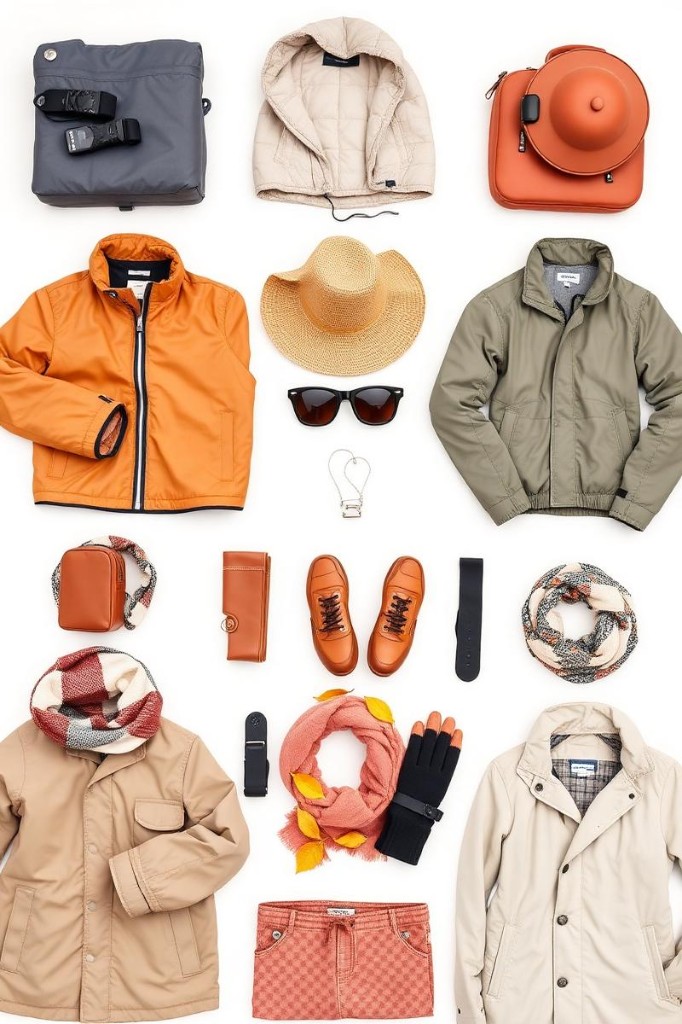
Cool season (Nov-Mar): • Closed, non-slip shoes for pyramids • Light jacket for evenings (10°C / 50°F) • Hat and sunglasses • Light backpack with water

Hot season (Apr-Oct): • Breathable shoes mandatory • Long, light clothing (sun protection) • Wide-brimmed hat • Sand scarf • SPF50+ sunscreen • Insulated water bottle
Travel clothing and gear by season

💰 Seasonal budget

PeriodCity Center Hotel (€/night)Transport (€/day)Restaurants (€/day)Attractions (€)Traffic
Nov-Feb80-15015-2525-4050-80⭐⭐⭐⭐⭐
Mar-Apr60-12012-2020-3545-70⭐⭐⭐⭐
May-Sep40-8010-1515-2540-60⭐⭐
October50-10012-1818-3045-65⭐⭐⭐

💡 Money-saving tips

Giza Plateau Pass: cost-effective if visiting 3+ sites
Local restaurants: 50% cheaper than tourist zones
Shared transport: negotiate group prices from Cairo
Accommodation Giza vs Cairo: 30% savings outside the center
Souvenirs: systematic negotiation, price can often be divided by 3

🏥 Health and precautions

Intensive hydration: 3L/day minimum in hot season
Sun protection: SPF50+ sunscreen every 2 hours
Sandstorms: mask/scarf, eye protection
Adapted footwear: sandy and rocky terrain
24h Pharmacies: available in Cairo (20min away)

Events and festivities

Calendar of must-see cultural events in Giza

Giza hosts exceptional events that transform the visitor experience, combining ancient heritage and modern spectacles in a unique setting.

🎭 Pyramids Sound and Light Show (year-round)

Nightly show projecting the history of Ancient Egypt onto the pyramids and the Sphinx. Magical atmosphere with multilingual narration and colorful lighting transforming the ancient monuments. Daily performances except Mondays.

Location: Giza Plateau, stands facing the Sphinx
Special feature: Only show authorized on UNESCO site
Climate impact: Cool evening temperatures, reservation required in high season
Access: Special shuttles from Cairo or taxi
Tip: Book 2-3 days in advance, limited seating

🏃 Pyramids Marathon (January)

A unique international race with the start/finish line facing the pyramids. Exceptional sporting atmosphere blending athletic challenges with world heritage, attracting runners from around the globe.

Location: Giza-Saqqara-Memphis circuit
Special feature: Only marathon crossing archaeological sites
Climate impact: Optimal period (January), high sporting attendance, hotels fully booked
Access: Reinforced public transport, temporary parking
Tip: Book accommodation 6 months in advance

🌅 Spring Equinox (March 21)

Astronomical phenomenon where the sun rises perfectly aligned with the pyramids. Unique spiritual moment attracting astronomy and Egyptology enthusiasts to observe ancient architectural ingenuity.

Location: Specific observation points on the Giza plateau
Special feature: Millennial astronomical alignment
Climate impact: 6 AM sunrise, ideal cool temperatures, international attendance
Access: Early morning access organized, specialized guides
Tip: Specialized guided tours recommended

Seasonal events

Winter (Dec-Feb): • Coptic New Year (Jan 7) • Heritage Photography Festival (February) • Astronomical Nights (Dec-Jan)

Spring (Mar-May): • Sham el-Nessim Spring Festival (April) • World Heritage Days (April) • Ramadan atmosphere (variable dates)

Summer (Jun-Aug): • Reinforced night shows • Oriental music festivals (July) • Air-conditioned cultural nights

Autumn (Sep-Nov): • Cultural season kickoff • Egyptology conferences (October) • Tourist season preparation

Responsible tourism in Giza

Visit Giza responsibly by respecting this unique world heritage and supporting the local economy while preserving the fragile desert environment.

Responsible tourism in Giza involves respecting millennial archaeological sites, supporting local artisans rather than mass sellers, conscientious management of scarce water, and contributing positively to the preservation of this exceptional heritage for future generations.

🌱 Low-season advantages

Visiting in low season (May-September) reduces tourist pressure on fragile sites, allows for a more authentic experience with local guides, supports the local economy during off-peak periods, and reduces the carbon footprint of travel.

♻️ Sustainable travel tips

Certified local guides: support local economy vs tour operators
Authentic crafts: buy directly from family artisans
Water saving: precious resource in desert zone
Respect sites: do not touch millennial stones, follow paths
Shared transport: reduce carbon impact, favor carpooling
Zero waste: bring back plastic bottles, favor reusable bottles

🏙️ Local sustainable initiatives

Giza is developing sustainable initiatives: eco-designed visitor center, heritage continuous training for guides, certified fair trade crafts, reinforced waste management, preservation awareness, and solar energy projects adapted to the desert climate to reduce environmental impact.

Our recommendations

Expert recommendations for your visit to Giza

After analyzing climate data, tourist traffic, and local specifics, here are our personalized recommendations to optimize your discovery of Giza. The timing of your visit will drastically influence your experience: climate comfort, quality of visits, necessary budget, and general atmosphere of the site.

🏆 Optimal period: December to February

Advantages:
• Perfect temperatures (9-21°C / 48-70°F) for full exploration
• Permanent blue sky, exceptional brightness
• Maximum comfort for extended visits
• Ideal conditions for photography
• Possibility of sunrise/sunset visits without constraints

Key events: Optimal Sound and Light, Pyramids Marathon (January)
Disadvantages: Maximum traffic, accommodation prices +50%
Ideal profile: First visit, families, photography enthusiasts
Stay duration: 3-4 days recommended

⚖️ Balanced alternative: March-April and October-November

Months: March, April, October, November
Description: Ideal compromise between favorable climate conditions and moderate attendance, with pleasant temperatures and more accessible prices.
Specific advantages: Fewer tourists than in high season, intermediate prices, spring equinox (March), return to optimal conditions (October)
For whom: Flexible travelers, average budgets, spontaneous stays

👥 Tips for your travel style

Family: December-February, Giza proximity accommodation, private transport, short visits for children
Budget: May-September, Cairo hostels, public transport, prioritize free sites
Culture: January-March, specialized guides, complementary museums, conferences
Romantic: February-March, hotels with pyramid views, sunsets, panoramic dinners
Weekend: November-April, direct flight, condensed 2-day program
First trip: December-February, organized tours, English-speaking guides, maximum security

⚠️ Periods to avoid: June to August

Months: June, July, August
Reasons: Extreme heat (35-36°C / 95-97°F), visits limited to early hours, increased fatigue, sandstorm risks, major discomfort
Nuances: Acceptable for experienced desert travelers, very tight budgets, short targeted stays

Villes du même pays

All cities

Frequently asked questions

Answers to essential questions to plan your visit to Giza according to weather conditions and site specifics.

What is the best month to visit Giza?

January and February offer optimal conditions with ideal temperatures (9-21°C / 48-70°F), permanent blue skies, and maximum comfort for exploring the pyramids. December is also excellent but more crowded. March remains very favorable with slightly higher temperatures but manageable crowds. Avoid June-August, when extreme heat (35-36°C / 95-97°F) drastically limits outdoor visits.

How many days should I plan for Giza?

2 to 3 days are enough for a complete visit: day 1 for the main pyramids and the Sphinx, day 2 for secondary sites and museums, day 3 optional for deeper exploration or rest. In hot season, plan an extra day as visits are limited to early morning hours. Egyptology enthusiasts can extend to 4-5 days by combining with Saqqara and Memphis.

What to do in Giza during extreme heat?

In hot weather, adapt your schedule: wake up at 5:30 AM for visits from 6 AM to 9 AM, mandatory return to air-conditioned hotel from 9 AM to 4 PM, second outing only from 5 PM to 7 PM. Prioritize the Solar Boat Museum (air-conditioned), the interiors of the pyramids (cooler), and panoramic restaurants with air conditioning. Hydration every 30 minutes is essential, hat and SPF50+ sunscreen are mandatory.

Which events should not be missed in Giza?

The Sound and Light show (daily except Monday) turns the pyramids into an exceptional night theater. The Pyramids Marathon (January) offers a unique atmosphere. The Spring Equinox (March 21) reveals the millennial astronomical alignment. In high season, book 2-3 days in advance. Summer cultural nights compensate for daytime constraints with evening events in air-conditioned settings.

What budget should I plan according to the season?

High season (Nov-Feb): €150-250/day (accommodation €80-150, meals €25-40, sites €50-80). Mid-season (Mar-Apr, Oct): €100-180/day with 20-30% savings. Low season (May-Sep): €70-130/day, accommodation -50% but major climate constraints. Add Cairo-Giza transport (€15-25/day) and recommended specialized guides (€40-60/day).