When to visit Luxor? City-Trip Guide

Discover the ancient city under the Egyptian sun, between millennial temples and authentic atmosphere according to the seasons.

  • 0.5 M population
  • Arabic language
  • 2 days rainy days/year
  • from October to March best time to visit
  • 3 to 5 days recommended stay

Climate and weather in Luxor

Understanding the hot desert climate of Luxor

Luxor enjoys a hot desert climate with scorching summers and mild winters. Located in the Nile Valley, the city experiences extreme temperatures in summer but offers ideal conditions in winter for exploring its archaeological treasures.

MonthMin Temp (°C / °F)Max Temp (°C / °F)Precipitation (mm / in)Sunshine (h/day)Tourist TrafficRecommended Activities
January5°C / 41°F23°C / 73°F0mm / 0in9★★★★☆Temples, Nile cruises
February7°C / 45°F26°C / 79°F0mm / 0in10★★★★★Valley of the Kings, walks
March11°C / 52°F30°C / 86°F0mm / 0in10★★★★★Archaeological sites
April16°C / 61°F35°C / 95°F0mm / 0in11★★★★☆Morning tours
May21°C / 70°F39°C / 102°F0mm / 0in12★★☆☆☆Museums, shaded sites
June24°C / 75°F42°C / 108°F0mm / 0in13★☆☆☆☆Indoors, sunrise
July26°C / 79°F42°C / 108°F0mm / 0in13★☆☆☆☆Air-conditioned museums
August26°C / 79°F42°C / 108°F0mm / 0in12★☆☆☆☆Night activities
September22°C / 72°F39°C / 102°F0mm / 0in11★★☆☆☆Sunsets
October18°C / 64°F35°C / 95°F0mm / 0in10★★★★☆Outdoor sites
November12°C / 54°F29°C / 84°F0mm / 0in9★★★★★Full exploration
December7°C / 45°F24°C / 75°F0mm / 0in8★★★★☆Temples, markets

Seasons in Luxor

Sites by weather conditions

Optimize your discovery of Luxor by adapting your visits to weather conditions. The city offers perfect alternatives for every weather scenario.

☔ In windy/sandy weather

Protected Interiors

Take refuge in covered wonders when the desert wind picks up.

Recommended Sites:
🏛️ Luxor Museum - 2h - 140 EGP - Air-conditioned
🏺 Mummification Museum - 1h - 100 EGP - Compact and cool
⛪ Saint Thecla Church - 30min - Free - Unique architecture
🏨 Historic hotel lobbies - Free - Colonial atmosphere
🛍️ Covered souk markets - Variable - Local crafts
🍽️ Traditional restaurants - Long meal - Authentic cuisine

Practical Tip: Book online to avoid outdoor queues
Tip: Use the time to discover local gastronomy in air-conditioned restaurants

☀️ In good weather

Open-Air Wonders

Explore archaeological jewels under the generous desert sun.

Must-see Sites:
🏛️ Karnak Temple - 3h - 200 EGP - Magical sunrise
⚱️ Valley of the Kings - 4h - 240 EGP - Cool morning
🏛️ Temple of Hatshepsut - 2h - 100 EGP - Spectacular architecture
🚢 Nile Cruise - 2h - 300 EGP - Refreshing breeze
🏛️ Luxor Temple - 2h - 160 EGP - Night illuminations
🌅 Colossi of Memnon - 30min - Free - Sunset

Best Time: 6 AM-10 AM and 4 PM-6 PM to avoid heat
Seasonal Tip: October to March for optimal comfort, sun protection essential

🌤️ Versatile for all weather

Adaptable Sites

Flexible discoveries that adapt to all weather conditions.

Versatile Sites:
🏛️ Medinet Habou Temple - Shaded areas available
🚢 Feluccas on the Nile - Navigation adapted to wind
🏺 Noble Tombs - Natural underground coolness

Weather Tip: Start with the exterior if the weather is good, retreat inside if necessary
Sample Itinerary: Morning outdoor temples, afternoon air-conditioned museums, evening Nile walk

💰 Free and economical

Discoveries at no cost

Explore Luxor without impacting your budget with these accessible wonders.

Free Sites:
🌅 Colossi of Memnon - Sunrise/sunset
🚶 Nile Corniche - Panoramic walk
🏛️ Luxor Temple exteriors - Architectural view
🛍️ Traditional Souk - Authentic atmosphere

Free Days: Some museums offer discounts on Fridays
Budget Tips: Panoramas from rooftop terraces, local markets, authentic residential neighborhoods

Practical Guide

Prepare your stay in Luxor with our tips adapted to extreme weather variations and the specifics of this exceptional archaeological destination.

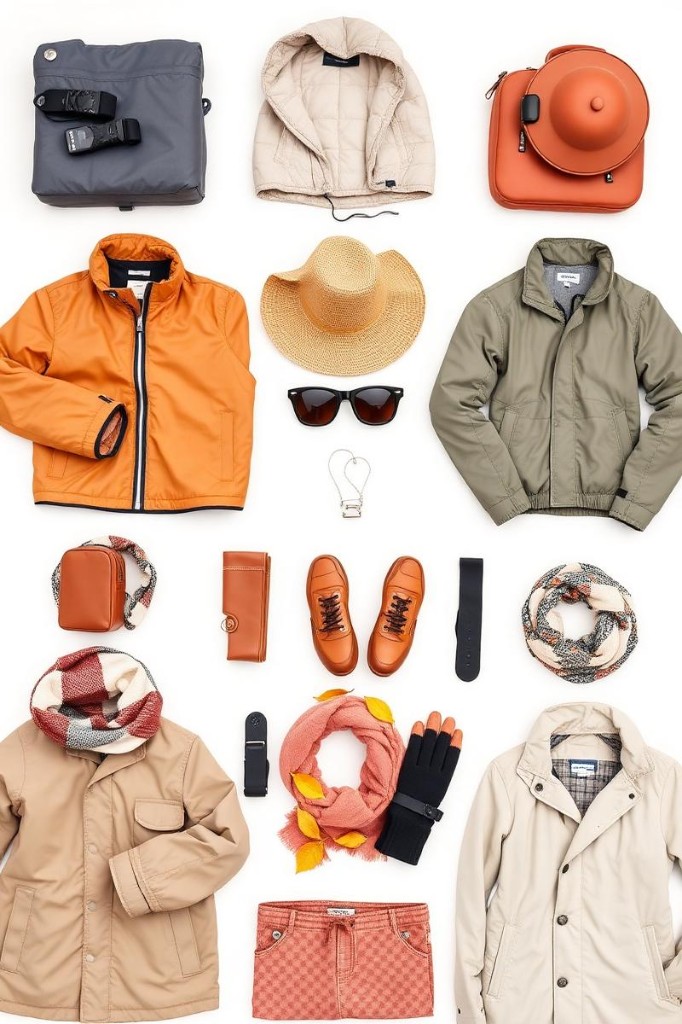
👕 Seasonal packing

Winter (Dec-Feb): • Comfortable closed shoes • Light jacket for evenings • Hat and sunglasses • Backpack with water
Spring (Mar-Apr): • Breathable clothing • Enhanced sun protection • Anti-sand scarf • Closed shoes mandatory
Summer (May-Sep): • Very light and covering clothing • Essential hat • High protection sunscreen • Constant water bottle
Autumn (Oct-Nov): • Layering possible • Maintained sun protection • Modular clothing • Walking comfort priority
Travel clothing and gear by season

💰 Seasonal budget

PeriodCenter Accommodation (€/night)Transport (€/day)Restaurants (€/day)Attractions (€)Traffic
High season (Dec-Mar)80-20015-2525-4015-25★★★★★
Mid-season (Oct-Nov, Apr)50-12010-2020-3515-25★★★☆☆
Low season (May-Sep)30-808-1515-2515-25★★☆☆☆

💡 Money-saving tips

Site Pass: Combined ticket for Valley of the Kings + temples is cost-effective from 3 visits onwards • Restaurants: Lunch in local eateries (€5-8) vs hotel dinner (€20-30) • Accommodation: Residential areas are 30% cheaper than the Nile Corniche • Transport: Bikes available, carriages negotiable, economical shared taxis • Free: Nile sunsets, traditional markets, Corniche walks

🏥 Health and precautions

Intensive hydration: 3-4L of water/day minimum in summer • Sun protection: SPF50+ sunscreen reapplied every 2h • Heatstroke: Shaded rest mandatory 12 PM - 4 PM • Food hygiene: Bottled water, peeled fruits • Pharmacies: Numerous in city center, effective local products • Fatigue: Naps recommended, pace adapted to heat

Cultural Events

Calendar of must-see events in Luxor

Luxor vibrates to the rhythm of exceptional cultural events that transform the ancient city into a living theater of Egyptian history.

🎭 Luxor International Film Festival (October-November)

The most prestigious film festival in the Middle East turns Luxor into a cinematic capital. Screenings in unique historical venues, red carpet at Luxor Temple, and meetings with international stars.

Location: Temples, historic hotels, cultural center
Highlight: Night screenings within the ancient temple grounds
Climate Impact: Optimal period with mild temperatures, high cultural attendance, bookings essential 3 months in advance
Transport Access: Special festival shuttles, decorated horse-drawn carriages
Advance Planning: Hotels fill up, book from June

🌅 Abu Simbel Solar Phenomenon (February 22 and October 22)

Although a 3-hour drive away, this unique astronomical event attracts visitors from Luxor. The sun perfectly illuminates the statues in the Abu Simbel sanctuary, a millennial architectural feat.

Location: Abu Simbel (excursions from Luxor)
Highlight: Astronomical phenomenon calculated by the ancient Egyptians
Climate Impact: Cool February is ideal, October is still hot but bearable, 4 AM departure
Transport Access: Air-conditioned buses, domestic flights from Luxor
Advance Planning: Excursions sell out 2 months in advance, very early departure

🎪 Moulid of Abu el-Haggag (dates vary by lunar calendar)

A unique popular religious festival blending Islamic and Pharaonic traditions. Colorful processions, traditional music, festive atmosphere throughout the city, and processional boats reminiscent of ancient festivals.

Location: Abu el-Haggag Mosque (within Luxor Temple grounds)
Highlight: Continuity of festive traditions since the Pharaonic era
Climate Impact: Variable dates, often spring/autumn, huge crowds, traffic disruptions
Transport Access: City center by foot only, streets closed
Advance Planning: Check exact dates, central accommodation recommended

Seasonal events

Winter: • Coptic New Year (January 7) - Christian community celebrations • Moulid of Saint Thecla (September/October) - Coptic pilgrimage • Ramadan (variable dates) - Exceptional night atmosphere
Spring: • Sham el-Nessim (Coptic Easter Monday) - Family picnics by the Nile • Arab Poetry Festival (March) - Recitals in gardens
Summer: • Nubian Music Festivals (July-August) - Late-night musical evenings • Ramadan Nights (if during summer) - Nightly entertainment to compensate for heat
Autumn: • Heritage Days (October) - Exceptional site openings • Traditional Arts Festival (November) - Crafts and demonstrations

Responsible Tourism in Luxor

Discover Luxor while respecting its exceptional heritage and local communities, while minimizing your environmental impact in this fragile desert region.

Responsible tourism in Luxor involves a respectful approach to millennial archaeological sites, support for the authentic local economy, reasoned water management in a desert environment, and sensitivity to local cultural and religious traditions.

🌱 Low-season advantages

Visiting Luxor outside the tourist season helps reduce pressure on fragile sites, live a more authentic experience with locals, and benefit from fair prices.

♻️ Sustainable travel tips

Local transport: Prioritize bikes, traditional carriages, walking for short distances • Authentic crafts: Buy directly from local artisans rather than tourist resellers • Water saving: Short showers, reuse towels in this dry climate • Site respect: Do not touch frescoes, respect photo bans • Local guides: Hire official Egyptian guides, fair remuneration • Waste: Carry your waste, avoid single-use plastics

🏙️ Local sustainable initiatives

Luxor is developing sustainable initiatives: ecological restoration of temples with traditional techniques, training youth in heritage trades, development of authentic local crafts, reasoned management of tourist flows in fragile tombs, and promotion of organic farming in the Nile Valley.

Our Recommendations

Recommendations for your city trip to Luxor

Based on our in-depth climate analysis and field experience, these recommendations will guide you toward the optimal stay in Luxor. Choosing your period will determine your comfort, budget, and the quality of your archaeological discoveries in this exceptional destination.

🌟 Optimal Period: December to February

Recommended Months: December, January, February
Advantages:
• Perfect temperatures 5-26°C / 41-79°F for all activities
• Consistently clear skies, exceptional brightness
• Ideal conditions for exploring archaeological sites
• Cool evenings perfect for terraces and cruises
• Maximum cultural entertainment
Key Events: International New Year, cultural festivals, cruise season
Disadvantages: Maximum tourist traffic, high accommodation prices
Ideal Profile: First visit, families, travelers seeking optimal comfort
Stay Duration: 4-6 days recommended

🎯 Interesting Alternative: October-November and March

Alternative Months: October, November, March
Description: Excellent compromise between climate comfort, moderate attendance, and attractive rates, especially in October and March.
Specific Advantages: Fewer crowds on sites, intermediate accommodation prices, very pleasant temperatures, easier availability
For Whom: Experienced travelers, moderate budgets, photography enthusiasts, couples seeking tranquility

👥 Tips for your travel style

Family: Winter mandatory, accommodation with pool, short visits, illuminated Luxor Temple

Budget: October or May, local guesthouses, public transport, free sites prioritized

Culture: November-February, specialized guides, in-depth museums, film festival in October

Romantic: December-January, Nile cruises, terrace dinners, Memnon Colossi sunsets

Weekend: March is optimal, condensed itinerary, must-see sites, direct flight

First Trip: January-February, organized tours, French-speaking guides, city center accommodation

⚠️ Periods to Avoid: June to August

Months Not Recommended: June, July, August
Reasons: Extreme heat 42°C+ / 108°F+, visits limited to early hours, increased fatigue, major discomfort
Nuances: Acceptable for very experienced travelers, very tight budgets, or climate challenge enthusiasts with maximum precautions

Villes du même pays

All cities

Frequently Asked Questions

Answers to essential questions for planning your city trip to Luxor according to optimal weather conditions.

What is the best month to visit Luxor?

January and February offer optimal conditions with perfect temperatures (5-26°C / 41-79°F), consistently clear skies, and an intense cultural atmosphere. December remains excellent despite the crowds. March is an interesting alternative with fewer people. Absolutely avoid June-August when heat becomes extreme (42°C+ / 108°F+) and drastically limits activities to the early morning hours.

How many days should I plan for Luxor?

4 to 5 days allow for a complete discovery without rushing. 3 days minimum for the essentials (Karnak, Valley of the Kings, Luxor Temple, museums). 6-7 days to delve deeper with secondary sites, cruises, and relaxation. In summer, plan 1-2 extra days as visits are limited to cool mornings, requiring a slower pace and mandatory breaks.

What to do in Luxor during a sandstorm?

Take refuge in the indoor wonders: Air-conditioned Luxor Museum (exceptional collections), Mummification Museum, traditional restaurants to discover local gastronomy, historic hotel lobbies, and covered souk markets for crafts. Sandstorms are rare but can occur in spring. Use the time to slow down and deepen your knowledge of local culture.

Which events should not be missed in Luxor?

The International Film Festival (October-November) transforms the city with screenings in the temples. The Abu Simbel solar phenomenon (February 22 and October 22) justifies an excursion. The Moulid of Abu el-Haggag mixes Islamic and Pharaonic traditions. In winter, enjoy the intense cultural season with concerts and exhibitions. Check the lunar calendar for mobile religious holidays.

What budget should I plan for depending on the season?

In high season (December-March): €150-300/day (accommodation €80-200, meals €25-40, transport €15-25). Mid-season (October-November, April): €100-200/day with accommodation €50-120. Low season (May-September): €70-150/day, accommodation from €30 but difficult weather conditions. Add €15-25/day for site entrance fees. Prices can double during major events like the film festival.