When to visit Alice Springs? City-Trip Guide

Alice Springs reveals contrasting moods depending on the season, from winter charm to the challenges of the desert summer.

  • 0.025 M population
  • English language
  • 45 days rainy days/year
  • from April to September best time to visit
  • 3 to 5 days recommended stay

Climate and weather in Alice Springs

Understanding the semi-arid desert climate of Alice Springs

Alice Springs features a semi-arid desert climate with extreme variations between scorching summers and cool winters. Its location in the heart of the Australian Red Centre creates significant temperature differences between day and night, which are particularly pronounced in winter.

MonthMin Temp (°C / °F)Max Temp (°C / °F)Precipitation (mm / in)Sunshine (h/day)Tourist TrafficRecommended Activities
January21°C / 70°F36°C / 97°F38mm / 1.5in9⭐⭐Swimming pools, air-conditioned shopping centers
February20°C / 68°F35°C / 95°F43mm / 1.7in9⭐⭐Morning activities, museums
March17°C / 63°F32°C / 90°F28mm / 1.1in8⭐⭐⭐Short hikes, Telegraph Station
April12°C / 54°F27°C / 81°F15mm / 0.6in8⭐⭐⭐⭐MacDonnell Ranges, Uluru
May8°C / 46°F23°C / 73°F18mm / 0.7in7⭐⭐⭐⭐⭐Trekking, camping, photography
June5°C / 41°F20°C / 68°F13mm / 0.5in7⭐⭐⭐⭐⭐Stargazing, campfires
July4°C / 39°F20°C / 68°F16mm / 0.6in7⭐⭐⭐⭐⭐Long hikes, Kings Canyon
August6°C / 43°F23°C / 73°F13mm / 0.5in8⭐⭐⭐⭐⭐Cycling, Aboriginal Art
September10°C / 50°F27°C / 81°F8mm / 0.3in8⭐⭐⭐⭐Festivals, outdoor markets
October15°C / 59°F31°C / 88°F18mm / 0.7in9⭐⭐⭐Day trips, Standley Chasm
November18°C / 64°F34°C / 93°F25mm / 1.0in9⭐⭐Morning and late afternoon activities
December20°C / 68°F36°C / 97°F35mm / 1.4in9⭐⭐Swimming pools, air-conditioned spaces

The Seasons

Must-sees according to the weather

Alice Springs offers attractions adapted to every weather condition, allowing you to optimize your stay regardless of the season of your visit.

☔ In cloudy/rainy weather

Indoor & protected

Intro: The rare rainy days in Alice Springs reveal a rich cultural heritage to discover while staying dry.

Sites:
🏛️ Araluen Cultural Precinct - 3h - $15 - All year
🎨 Mbantua Fine Art Gallery - 1.5h - Free - All year
📡 Alice Springs Telegraph Station - 2h - $12 - Ideal in winter
🏛️ Central Australian Aviation Museum - 2h - $10 - All year
🛍️ Todd Mall shopping and cafes - Variable - Variable - All year
📚 Alice Springs Library - 1h - Free - All year

Practical Tip: Book online to avoid queues and take advantage of Araluen combo passes

Bonus Tip: Logically link museums and downtown galleries on foot under the Todd Mall arcades
☀️ In good weather

Optimal outdoor

Intro: The dry and sunny climate of Alice Springs reveals all the beauty of the Australian Red Centre.

Sites:
🏔️ MacDonnell Ranges - Full day - Free/paid depending on site
🌄 Anzac Hill Lookout - 1h - Free - Sunrise/sunset
🚶 Larapinta Trail sections - 2-8h - Free - Morning recommended
🌿 Alice Springs Desert Park - 3h - $32 - Morning optimal
🏛️ Telegraph Station Historical Reserve - 2h - $12 - Morning
🎯 Aboriginal Art & Culture Centre - 2h - $25 - Afternoon

Best time of day: Sunrise from Anzac Hill (6:30am-7:30am) and golden hour photography (5pm-7pm)

Seasonal Tip: Avoid noon-3pm in summer; prioritize April-September for long hikes

🌤️ Versatile for any weather

Flexible

Intro: These sites combine covered areas and outdoor discoveries to adapt to conditions.

Sites:
🌵 Alice Springs Desert Park (shaded paths + interpretation centers)
🏛️ Telegraph Station (historical buildings + gardens)
🛍️ Todd Mall (covered arcades + terraces)
🎨 Gallery district (modular interior/exterior)

Weather Tip: Start outside if the weather is nice; retreat inside if it changes

Itinerary Example: Morning Desert Park outdoor → Noon interpretation centers → Afternoon Todd Mall depending on weather

💰 Free or economical

No cost

Sites:
🌄 Anzac Hill Lookout - Free panoramic view
🚶 Todd River Walk - Free urban walk
🎨 Aboriginal art galleries (some) - Free entry
🏛️ Alice Springs Cemetery - Free historical heritage
🌿 Olive Pink Botanic Garden - Only $8

Free days: Some museums offer free slots on Sunday mornings

Budget tips: Picnics in parks, Saturday morning local markets, free stargazing

Practical Guide

Alice Springs requires specific preparation according to the season to fully enjoy this unique Red Centre destination, balancing extreme desert climate and rich Aboriginal culture.

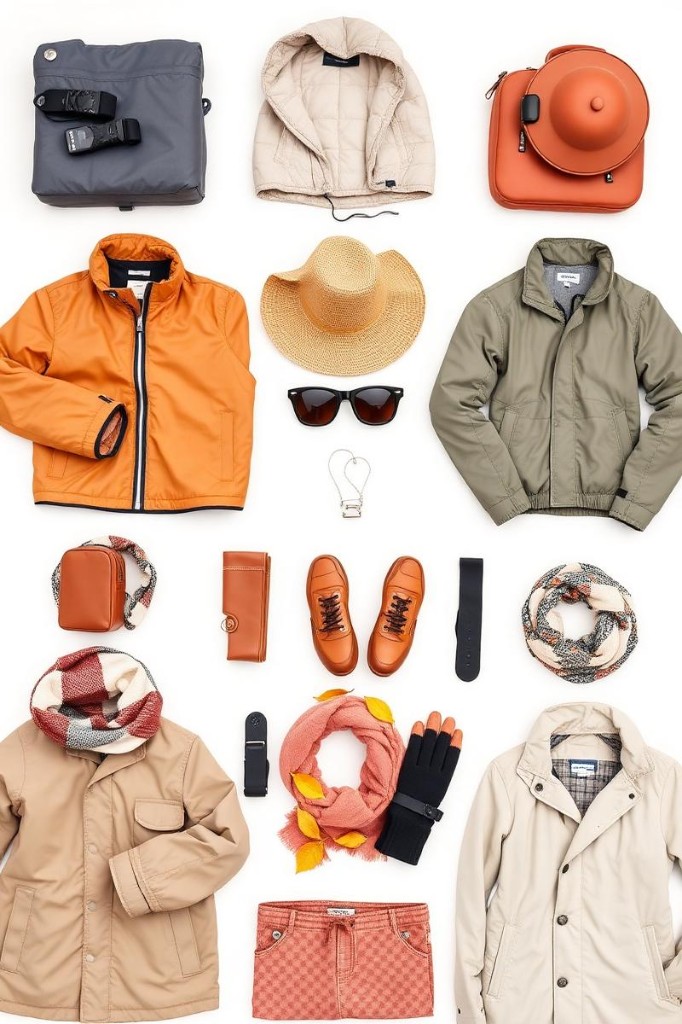
👕 Seasonal packing

Winter (May-September): • Sturdy hiking boots • Warm jacket for evenings (0-5°C / 32-41°F) • Layers for day/night variations • Hat and sunglasses • High-protection sunscreen

Summer (October-April): • Light-colored, breathable clothing • Wide-brimmed hat mandatory • Closed-toe shoes (sand-proof) • 2L / 0.5gal water bottle minimum • Long, UV-protective clothing for hiking
Travel clothing and gear by season

💰 Seasonal budget

PeriodCity Accommodation (€/night)Transport (€/day)Restaurants (€/day)Attractions (€)Traffic
High season (May-Sep)120-20045-6050-8025-35⭐⭐⭐⭐⭐
Mid season (Mar-Apr, Oct)80-15035-5040-6520-30⭐⭐⭐
Low season (Nov-Feb)60-12030-4535-5515-25⭐⭐

💡 Money-saving tips

Desert Discovery Centre Pass: cost-effective from 3 attractions visited
Restaurants: Lunches are 30% cheaper than dinners; try Todd Mall food trucks
Accommodation: Gap Road backpackers, economical powered camping sites
Transport: Bike rental $25/day vs organized tours $150/day
Free: Anzac Hill sunset, Aboriginal art galleries, Todd River walk

🏥 Health and precautions

Dehydration: Drink 3-4L / 0.8-1gal per day in summer; monitor urine color
Sunburn: SPF50+ sunscreen, covering clothing, avoid 11am-3pm
Flies: Fly net recommended for outdoor sites
Pharmacies: Priceline Pharmacy Todd Mall, Alice Springs Hospital 24/7
Insurance: Medical evacuation from the Red Centre is expensive

Urban Events

Essential events calendar for Alice Springs

Alice Springs pulses with unique cultural events that celebrate Aboriginal heritage and the pioneering spirit of the Red Centre, transforming the urban atmosphere.

🎨 Desert Festival (September)

Description: A multidisciplinary festival celebrating contemporary Aboriginal art with exhibitions, performances, and workshops throughout the city center. The event transforms Todd Mall into an open-air gallery with temporary art installations.

Location: Todd Mall and Araluen Cultural Precinct

Highlight: The only Australian festival entirely dedicated to contemporary Aboriginal art

Climate Impact: Benefits from the ideal winter climate; maximum attendance; book accommodation 3 months in advance

Transport: Free shuttles from campsites, temporary parking at Anzac Oval

Planning Tip: Book accommodation by June; workshop tickets are limited to 20 people

🏁 Finke Desert Race (June)

Description: A legendary off-road vehicle race from Alice Springs to Finke, transforming the city into a motorsport capital with paddocks, exhibitions, and a unique festive atmosphere. The event attracts 15,000 spectators to a city of 25,000 residents.

Location: Start at Anzac Oval, finish at Finke (230km / 143mi)

Highlight: Oldest off-road race in the world (since 1976)

Climate Impact: Benefits from the dry winter; significant dust; massive camping; accommodation prices triple

Transport: Temporary road closures, special airport shuttles

Planning Tip: Booking mandatory 6 months in advance; dust masks recommended

🎭 Alice Springs Show (July)

Description: A traditional agricultural fair featuring rodeos, livestock exhibitions, local crafts, and fairground attractions. An authentic family event revealing the pastoral culture of the Red Centre with shearing demonstrations and livestock competitions.

Location: Alice Springs Show Grounds, Blatherskite Park

Highlight: The last true agricultural fair in Central Australia

Climate Impact: Dry winter ideal for outdoor activities; significant local family attendance

Transport: Free on-site parking, special buses from the city center

Planning Tip: Advantageous family tickets; bring warm clothing for the evenings

Seasonal events

Winter (May-September): • Parrtjima Light Festival (April-May, illuminated MacDonnell Ranges) • Alice Springs Cup Carnival (May, horse racing) • Beanie Festival (June-July, artistic knitted beanies)

Summer (October-April): • New Year's Eve Fireworks (December, Anzac Hill) • Australia Day Celebrations (January, Todd Mall) • Easter in the Alice (March-April, family events). Note: Many closures on December 25-26 and January 1

Responsible City-Trip

Alice Springs, the Aboriginal spiritual heart, requires a respectful approach to the fragile desert environment and traditional local communities.

Responsible tourism in Alice Springs involves respecting sacred Aboriginal sites, precious water management in an arid environment, supporting local Aboriginal businesses, and minimizing impact on the unique desert ecosystem of the Red Centre.

🌱 Low-season advantages

Visiting in summer reduces tourist pressure on fragile sites, allows for fairer prices for local communities, avoids overcrowding of water points, and offers a more authentic experience of daily local life.

♻️ Sustainable travel tips

Transport: Prefer group tours vs individual vehicles to reduce desert impact
Water: Reusable bottles, short showers (precious resource)
Purchases: Certified authentic Aboriginal art, avoid counterfeits
Waste: Take all trash from natural sites, recycling in the city center
Cultural respect: Ask for permission before photographing Aboriginal people
Accommodation: Certified eco-lodges, responsible camping

🏙️ Local sustainable initiatives

Alice Springs is developing Aboriginal conservation programs, water recycling systems, solar energy for tourist attractions, Aboriginal art authentication labels, and ecological restoration projects in the MacDonnell Ranges with traditional guides.

Our Recommendations

Recommendations for your Alice Springs city-trip

Alice Springs reveals its multiple facets depending on the chosen period. Our climatic, cultural, and economic analysis guides you toward the optimal stay based on your priorities: weather comfort, controlled budget, cultural authenticity, or exceptional events in this jewel of the Australian Red Centre.

🏆 Optimal Period: May to August

Months: May, June, July, August

Advantages:
• Ideal temperatures 20-25°C / 68-77°F during the day
• Cool nights perfect for camping and stargazing
• Optimal conditions for MacDonnell Ranges hiking
• Major cultural festivals (Desert Festival, Finke Race)
• Clear skies guaranteeing exceptional photographs

Key Events: Finke Desert Race (June), Alice Springs Show (July), Beanie Festival (June-July)

Disadvantages: High tourist traffic, high accommodation rates (+50%)

Ideal Profile: Hikers, photographers, families, first-time visitors

Stay Duration: 4-5 days recommended

⚖️ Interesting Alternative: April and September

Months: April, September

Description: Transition periods offering an excellent compromise between favorable weather conditions and more accessible rates, with fewer crowds at major sites.

Specific Advantages: Intermediate rates (-30%), moderate traffic, weather still pleasant for outdoor activities, start/end of festivals

For Whom: Flexible travelers, medium budgets, photography enthusiasts, couples

👥 Tips for your travel style

Family: May-August, Desert Park + Telegraph Station, campervan rental, Heavitree Gap camping
Budget: March-April or September-October, Gap Road backpackers, bike rental, free Anzac Hill sites
Culture: June-September during festivals, Todd Mall galleries, Aboriginal guides, Araluen Cultural Precinct
Romantic: May-July, stargazing, Hanuman Restaurant dinners, Desert Palms Resort accommodation
Weekend: Possible all year, focus on city center, Desert Park + MacDonnell Ranges day trip
First Trip: June-August optimal, organized tours, city center accommodation, advance booking

⚠️ Periods to Avoid: December to February

Months: December, January, February

Reasons: Extreme heat 35-40°C / 95-104°F limiting daytime activities, high risk of dehydration, hiking trail closures, violent storms possible

Nuances: Acceptable for experienced hot-climate travelers, tight budgets, or those passionate about local authenticity

Villes du même pays

All cities

Frequently Asked Questions

Answers to essential questions for planning your discovery of Alice Springs according to the specific climate of the Red Centre.

What is the best month to visit Alice Springs?

June and July offer optimal conditions with perfect daytime temperatures (20-23°C / 68-73°F), cool nights ideal for stargazing, and major events like the Finke Desert Race. This is the time when Alice Springs reveals its full potential, from hiking in the MacDonnell Ranges to cultural festivals, despite high tourist numbers and premium prices.

How many days should I plan for Alice Springs?

4 to 5 days allow for a complete discovery: 2 days for the city (Desert Park, Telegraph Station, Aboriginal galleries), 1-2 days for the MacDonnell Ranges, and 1 day for an Uluru excursion. Travelers in a hurry can see the essentials in 3 days, while hiking and Aboriginal culture enthusiasts will appreciate 7 days to explore the Larapinta Trail and local communities in depth.

What is there to do in Alice Springs if it rains?

The rare rainy days reveal the exceptional cultural heritage: Araluen Cultural Precinct with its 6 museums, Aboriginal art galleries in Todd Mall, Telegraph Station Historical Reserve with its heritage buildings, and the Central Australian Aviation Museum. The cafes in Todd Mall offer a warm atmosphere to watch local life, while air-conditioned shopping centers offer shopping and authentic dining.

What events should I not miss in Alice Springs?

The Finke Desert Race (June) turns the city into a motorsport capital, the Desert Festival (September) celebrates contemporary Aboriginal art, and the Parrtjima Light Festival (April-May) spectacularly illuminates the MacDonnell Ranges. The Alice Springs Show (July) offers an authentic immersion into local pastoral culture. Each event requires booking accommodation 3-6 months in advance.

What budget should I expect depending on the time of year?

In high season (May-September): €200-€300/day for 2 people (accommodation €120-€200, meals €50-€80, activities €50). In low season (November-February): €130-€200/day with accommodation €60-€120. Major events (Finke Race, Desert Festival) can triple accommodation rates. Plan for an additional budget for Uluru excursions (€200-€300) and domestic flights, which are often expensive to Alice Springs.