When to visit Melbourne? City Break Guide

Discover the Australian cultural capital and its reversed seasons for an unforgettable urban stay.

  • 5.2 M population
  • English language
  • 156 days rainy days/year
  • March to May and September to November best time to visit
  • 4 to 6 days recommended stay

Climate and Weather in Melbourne

Understanding Melbourne's temperate oceanic climate

Melbourne enjoys a temperate oceanic climate with reversed seasons. The urban heat island effect moderates temperatures, while the proximity to Port Phillip Bay influences humidity. Daily weather variations are frequent, making every day of your city break unique.

  • City Center: Temperatures moderated by the urban effect and proximity to the Yarra River
  • Coastal Suburbs: Milder climate influenced by Port Phillip Bay
  • Dandenong Ranges: Cooler temperatures and slightly higher rainfall
MonthMin Temp (°C / °F)Max Temp (°C / °F)Precipitation (mm / in)Sunshine (h/day)Tourist TrafficRecommended Activities
January14 / 5726 / 7948 / 1.98★★★★★Festivals, terraces, parks
February14 / 5726 / 7948 / 1.97★★★★★Australian Open, urban beaches
March13 / 5524 / 7550 / 2.06★★★★☆F1 Grand Prix, walks
April10 / 5020 / 6857 / 2.25★★★☆☆Museums, cafes, shopping
May8 / 4617 / 6356 / 2.24★★☆☆☆Galleries, theaters
June6 / 4314 / 5749 / 1.93★★☆☆☆Museums, restaurants
July5 / 4114 / 5748 / 1.94★★☆☆☆Winter festivals, cinemas
August6 / 4315 / 5950 / 2.05★★☆☆☆Exhibitions, covered markets
September8 / 4618 / 6458 / 2.36★★★☆☆Gardens, AFL finals
October10 / 5021 / 7066 / 2.67★★★★☆Parks, rooftops, events
November11 / 5223 / 7360 / 2.48★★★★☆Melbourne Cup, terraces
December13 / 5525 / 7759 / 2.38★★★★★Christmas markets, festivals

Altitude variations around Melbourne are moderate. The city center is at sea level, while the surrounding hills reach 600 meters (1,968 ft), creating microclimates with temperatures 2-3°C / 3.6-5.4°F cooler at higher elevations.

The Seasons

Attractions by Weather

Melbourne offers a diversity of attractions adapted to all weather conditions, allowing you to optimize your urban stay regardless of the season.

☔ In cloudy/rainy weather

Indoor & Protected

Melbourne excels in its indoor cultural offerings, perfect for frequent rainy days.

Must-see sites:
🎨 NGV (National Gallery of Victoria) - 3h - Free/15$ exhibitions - All year
🏛️ Melbourne Museum - 2-3h - 15$ - Interactive collections
🐧 SEA LIFE Melbourne Aquarium - 2h - 42$ - Online booking
🎭 Arts Centre Melbourne - Variable - 25-80$ - Shows and tours
🛍️ Block Arcade & Royal Arcade - 1h - Free - Victorian architecture
📚 State Library Victoria - 1-2h - Free - Iconic reading dome
🍺 Eureka Skydeck - 1h - 25$ - Covered panoramic view
🎪 ACMI (Australian Centre for Moving Image) - 2h - Free/12$ - Cinema and video games

Practical Tip: Free Melbourne City Circle Tram to connect covered sites

Additional Tip: Melbourne Museum Pass (3 days/45$) to optimize cultural visits

☀️ In good weather

Optimal Outdoors

Sunny days reveal the best of Melbourne with its parks, gardens, and outdoor architecture.

Outdoor sites:
🌿 Royal Botanic Gardens - 2-4h - Free - Optimal sunrise/sunset
🏛️ Federation Square - 1h - Free - Modern architecture and events
🎨 Hosier Lane & Street Art - 1-2h - Free - Best light 10am-4pm
🏖️ St Kilda Beach & Luna Park - 3-4h - Free/45$ attractions - Sunset
🚂 Flinders Street Station - 30min - Free - Architectural icon
🌉 Southbank Promenade - 2h - Free - Yarra River view
⚽ MCG (Melbourne Cricket Ground) - 1h tour - 30$ - Legendary stadium
🏃 Tan Track (Royal Botanic Gardens) - 1h - Free - Jogging with a view

Best time of day: Golden hour 7am-9am and 5pm-7pm for exceptional photos

Seasonal Tip: Avoid January-February 1pm-4pm during urban heat peaks

🌤️ Versatile for all weather

Flexible

Adaptable sites offering indoor/outdoor options depending on changing weather conditions.

Combined sites:
🏬 Queen Victoria Market - 2-3h - Free entry - Covered halls + outdoor
🍷 Southbank + Crown Complex - 3-4h - Variable - Restaurants, casino, promenade
🎪 Docklands + Marvel Stadium - 2-3h - Free/Variable - Modern + traditional
🌆 Collins Street & Laneways - 2h - Free - Covered shopping + discovery
🚋 City Circle Tram Tour - 1h - Free - Protected general overview

Weather Tip: BOM Weather and Melbourne Transport apps to adapt your route in real-time

Example itinerary: Morning Queen Victoria Market (covered if raining) → Lunch in a laneway cafe → Afternoon NGV or Botanic Gardens depending on weather

💰 Free or budget-friendly

No Cost

Free attractions:
🚋 City Circle Tram - Free transport and tour
🎨 Street Art Tours (self-guided) - Hosier Lane, AC/DC Lane
🌿 All public parks and gardens
🏛️ State Library Victoria - Architecture and exhibitions
📸 Federation Square - Events and architecture
🎪 Southbank Sunday Market - Local crafts

Free days: NGV is permanently free, Melbourne Museum is free for Victoria residents

Budget tips: Rooftop happy hours 4pm-6pm, Queen Vic food markets, free panoramas from the Shrine of Remembrance

Practical Guide

Melbourne has a changing climate that requires proper preparation. The city is best explored on foot and by public transport, with frequent transitions between air-conditioned spaces and the outdoors depending on daily weather variations.

👕 Seasonal packing

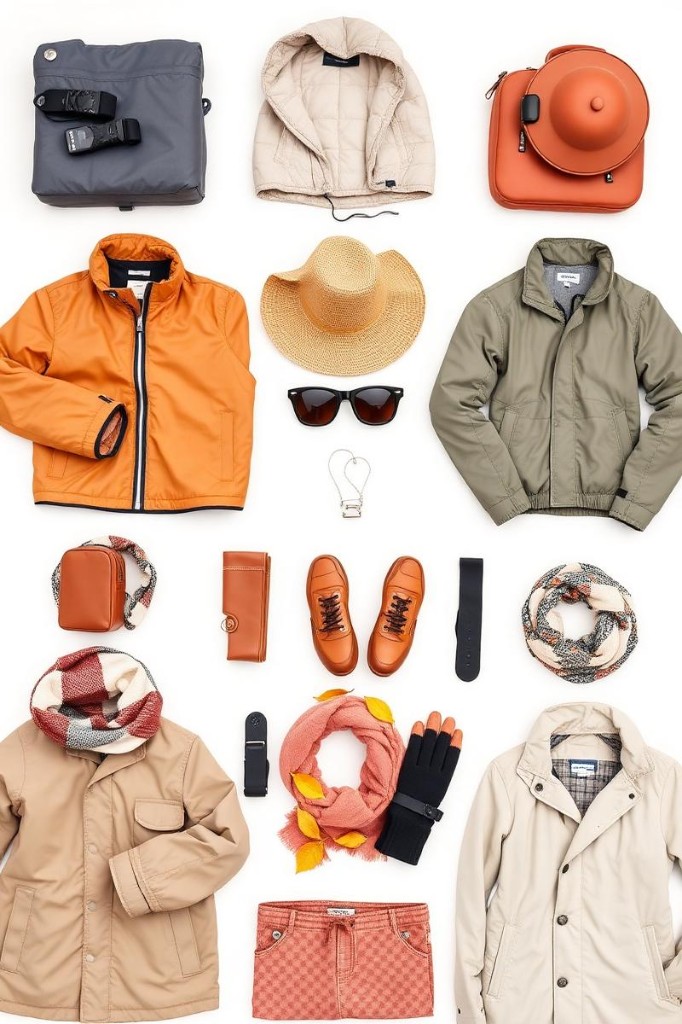
**Summer (Dec-Feb)**: • Comfortable breathable shoes • Light jacket for AC • Hat and sunscreen • Compact umbrella (sudden showers) • Casual wear for terraces **Autumn (Mar-May)**: • Waterproof walking shoes • Versatile mid-season jacket • Light scarf for evenings • Systematic umbrella • Layering **Winter (Jun-Aug)**: • Warm waterproof shoes • Warm windproof coat • Accessories (beanie, gloves) • Reinforced umbrella • Practical dark clothing **Spring (Sep-Nov)**: • Versatile shoes • Breathable waterproof jacket • Modular layers • Effective rain protection • Spring colors
Travel clothing and gear by season

💰 Seasonal budget

PeriodCenter Accommodation (€/night)Transport (€/day)Restaurants (€/day)Attractions (€)Traffic
Summer (Dec-Feb)120-200845-7025-45★★★★★
Autumn (Mar-May)90-150840-6020-40★★★☆☆
Winter (Jun-Aug)70-120835-5515-35★★☆☆☆
Spring (Sep-Nov)100-160840-6520-40★★★★☆

💡 Money-saving tips

• **Myki Card** unlimited daily transport (€8) pays off from 3 trips • **Restaurants**: lunch €15-25 vs dinner €35-50, Queen Vic Market food courts • **Accommodation**: Fitzroy/Collingwood neighborhoods 20% cheaper than CBD • **Attractions**: Melbourne Star + Aquarium combo €55 vs €67 separately • **Free events**: Federation Square programming, Southbank weekend entertainment

🏥 Health and precautions

• **Urban pollution**: avoid jogging during rush hours on Collins/Swanston Street • **Allergies**: eucalyptus pollen September-November, 24h Chemist Warehouse pharmacies • **Hydration**: urban summer is dehydrating, public water fountains in parks • **Winter cold**: wind in the Flinders/Collins urban corridor, public transport coverage • **Intensive walking**: 15-20km / 9-12 miles per day, proper shoes mandatory • **Emergencies**: Royal Melbourne Hospital, single number 000

Urban Events

Calendar of must-see Melbourne events

Melbourne vibrates to the rhythm of major events that transform the urban atmosphere and attract visitors from around the world, significantly influencing foot traffic and ambiance.

🎾 Australian Open (January)

The first Grand Slam of tennis turns Melbourne into the world's tennis capital for two weeks. The festive atmosphere takes over the city center with giant screens, entertainment, and exceptional sporting fervor.

Location: Melbourne Park (Richmond) + city center

Note: The only Grand Slam held in the Southern Hemisphere summer

Climate Impact: High foot traffic, accommodation booked 6 months in advance, doubled prices, saturated transport

Transport Access: Tram line 70, Richmond Station train, special shuttles

Planning Tip: Book accommodation the previous October; same-day tickets are often available

🏎️ Formula 1 Grand Prix (March)

Albert Park is transformed into an urban circuit for the Australian Grand Prix. The event generates an electric atmosphere throughout the city with concerts, car exhibitions, and activities in central districts.

Location: Albert Park + Southbank festivities

Note: The only F1 GP held in a public urban park

Climate Impact: Very busy long weekend, hotels fully booked, traffic disruptions in the CBD-South area

Transport Access: Tram lines 1, 3, 5, 6 to Albert Park, reinforced services

Planning Tip: Avoid driving, book Southbank restaurants, CBD accommodation recommended

🐎 Melbourne Cup (First Tuesday in November)

The 'race that stops a nation' turns Melbourne into the global horse racing capital. The whole city celebrates with elegance: champagne lunches, high fashion, and a unique festive atmosphere in bars and restaurants.

Location: Flemington Racecourse + citywide celebrations

Note: Official public holiday in Victoria only

Climate Impact: Restaurant bookings mandatory, strict dress code, premium prices, exceptional atmosphere

Transport Access: Special trains to Flemington Racecourse, crowded trams, extended services

Planning Tip: Book brunch/lunch 1 month in advance; elegant attire is essential

Seasonal events

**Summer**: • White Night Melbourne (February) - All-night arts and culture • Midsumma Festival (January-February) - LGBTI+ culture • Chinese New Year (January/February) - Chinatown celebrations **Autumn**: • Melbourne International Comedy Festival (March-April) - World's largest comedy festival • Melbourne Food & Wine Festival (March) - Renowned gastronomy **Winter**: • Melbourne International Film Festival (July-August) - International cinema • Melbourne Winter Masterpieces (June-October) - NGV exhibitions **Spring**: • AFL Grand Final (September) - Australian football final • Melbourne Festival (October) - Arts and performances • Spring Racing Carnival (October-November) - Horse racing season

Responsible City Break

Melbourne encourages sustainable urban tourism thanks to its advanced ecological initiatives. Choosing the right season and adopting responsible practices helps preserve this green metropolis.

Melbourne favors soft mobility with its electric tram network, extensive bike paths, and pedestrian zones. The city supports local businesses over international chains, develops urban recycling, and raises awareness about respecting residential communities to avoid tourist gentrification.

🌱 Low-season advantages

Visiting Melbourne in the low winter season reduces pressure on public transport, allows for an authentic discovery of local culture, offers advantageous rates, and reduces your carbon footprint thanks to moderate tourist traffic.

♻️ Sustainable travel tips

Transport: Myki Card public transport vs car, Melbourne Bike Share, walking preferred in the city center • Dining: Local Queen Victoria markets vs international chains, Good Food Guide certified restaurants • Accommodation: Green Key labels, carbon offset hotels, residential neighborhoods vs over-touristed areas • Consumption: Reusable water bottle (public fountains), reusable shopping bags, local artisan souvenirs • Tours: Alternative laneways vs over-visited sites, discovery of emerging neighborhoods • Waste: Reinforced selective sorting, composting in participating cafes, plastic reduction

🏙️ Local sustainable initiatives

Melbourne develops innovative sustainable initiatives: 100% electric tram network, self-service bikes, expanded pedestrian zones (Bourke Street Mall), intensive urban greening, greywater recycling, weekly organic markets, and ecotourism labels for committed hotels and restaurants.

Our Recommendations

Expert recommendations for your Melbourne city break

After analyzing climate data, tourist traffic, and cultural events, our recommendations optimize your Melbourne experience. The choice of season significantly influences the urban atmosphere, prices, and availability of activities, justifying planning tailored to your city break expectations.

🌟 Optimal Period

Months: March-May (Autumn) and September-November (Spring)

Benefits:
• Ideal temperatures of 18-24°C / 64-75°F for intensive urban walking
• Perfect balance between favorable weather and moderate crowds
• F1 Grand Prix (March) and Melbourne Cup (November) - iconic events
• Botanical gardens at their peak (blooming/autumn colors)
• Intermediate accommodation rates and good availability

Key Events: F1 Grand Prix, Comedy Festival, Melbourne Cup, Spring Racing

Drawbacks: Some spring/autumn showers, bookings recommended for major events

Ideal Profile: Travelers seeking a balance of weather/culture/price, first-time visitors to Melbourne

Stay Duration: 4-6 days optimal

🎯 Interesting Alternative

Months: June-August (Southern Winter)

Description: Melbourne reveals its authentic soul in winter with an effervescent cultural scene, cozy cafes, and a local atmosphere preserved from mass tourism.

Specific Benefits: Very attractive accommodation rates (-40%), less crowded museums, unique winter festivals, maximum authenticity, accessible restaurants

For Whom: Cultural travelers, budget-conscious travelers, food lovers, those avoiding tourist crowds

👥 Tips for your travel style

**Family**: Spring/autumn, Southbank/Docklands areas, SEA LIFE + Eureka Skydeck, Myki family transport, apartment accommodation **Budget**: Winter June-August, hostels in Fitzroy/St Kilda, maximized free attractions, food courts, Happy Hours **Culture**: All year round with a focus on winter festivals, NGV + ACMI priorities, Arts Centre theaters, Southbank cultural district **Romantic**: Autumn March-May, sunset rooftops, Southbank restaurants, botanical gardens, boutique accommodation **Weekend**: Avoid major events unless targeted, optimized CBD center, City Circle Tram, maximum 3 days **First trip**: Balanced autumn/spring, guided tours, prioritized highlights, city center accommodation

⚠️ Periods to Avoid

Months: December-February (Southern Summer)

Reasons: Maximum tourist traffic, doubled accommodation prices, intense urban heat (26°C+ / 79°F+), mandatory bookings 6 months in advance, saturated transport during events

Nuances: Acceptable for tennis fans (Australian Open), high budgets, very early bookings

Villes du même pays

All cities

Frequently Asked Questions

Answers to essential questions to help you plan your Melbourne city break according to the climate and urban specifics.

What is the best month to visit Melbourne?

**March-May (autumn)** and **September-November (spring)** offer the best balance. Pleasant temperatures of 18-24°C / 64-75°F, fewer tourists than in summer, major events (F1 Grand Prix, Melbourne Cup), beautiful gardens, and moderate rates. Avoid December-February (peak crowds, heat, doubled prices) unless you are visiting for the Australian Open. Winter (June-August) is suitable for tight budgets and culture lovers looking for an authentic local vibe.

How many days should I plan for Melbourne?

**4-6 days** is the ideal duration for a complete city break. 3 days is the minimum for the highlights (center, laneways, botanical gardens, St Kilda), while 5-6 days allow for exploring alternative neighborhoods (Fitzroy, Richmond), cultural events, and excursions (Great Ocean Road). A 2-day weekend is possible by focusing on the CBD-Southbank-Federation Square triangle with optimized public transport.

What to do in Melbourne if it rains?

Melbourne excels in indoor activities: NGV (National Gallery) is free, Melbourne Museum is interactive, Block Arcade offers historic shopping, ACMI features cinema/video games, and the State Library has an iconic dome. The covered laneways (Centre Place, Degraves Street) offer protected cafes and street art. Queen Victoria Market has covered halls. Eureka Skydeck guarantees panoramic views in any weather. The covered tram network makes getting around easy.

Which events should not be missed in Melbourne?

**Major events**: Australian Open (January) world tennis, F1 Grand Prix (March) electric atmosphere, Melbourne Cup (November) horse racing elegance. **Cultural festivals**: Comedy Festival (March-April) world's largest, Food & Wine Festival (March), Melbourne Festival (October). **Local sports**: AFL Grand Final (September) Australian passion. Book accommodation 3-6 months in advance for these events as they transform the city atmosphere.

What budget should I expect depending on the season?

**Summer (Dec-Feb)**: €180-250/day (accommodation €120-200, restaurants €45-70, premium attractions). **Autumn/Spring**: €140-200/day balanced. **Winter**: €100-150/day budget (accommodation €70-120, restaurants €35-55). Constant transport €8/day Myki. Major events add +30-50% to rates. Budget tip: Queen Vic food courts €12-18, rooftop Happy Hours, free attractions (gardens, street art, State Library), alternative neighborhood accommodation in Fitzroy/Richmond -20%.