When to visit Brisbane? City Break Guide

Explore Brisbane according to its seasons: from tropical summers to mild winters, each period reveals a unique urban atmosphere.

  • 2.6 M population
  • English language
  • 125 days rainy days/year
  • April to September best time to visit
  • 3 to 5 days recommended stay

Brisbane's Subtropical Climate

Understanding Brisbane's humid subtropical climate

Brisbane enjoys a humid subtropical climate influenced by the Pacific Ocean. The urban heat island effect intensifies summer temperatures, while the Brisbane River moderates variations. This geographic location ensures a pleasant climate for city breaks all year round.

  • City Center: Urban heat island effect, slightly higher temperatures
  • Riverside: Cooler microclimates thanks to the Brisbane River
  • Surrounding Hills: Cooler temperatures and increased rainfall
MonthMin Temp (°C / °F)Max Temp (°C / °F)Precipitation (mm / in)Sunshine (h/day)Tourist TrafficRecommended Activities
January21 / 7030 / 86160 / 6.37⭐⭐⭐Parks, air-conditioned museums
February21 / 7029 / 84170 / 6.77⭐⭐⭐Festivals, water activities
March19 / 6628 / 82140 / 5.57⭐⭐⭐⭐Urban exploration
April16 / 6126 / 7990 / 3.58⭐⭐⭐⭐⭐Walking, terraces
May12 / 5423 / 7370 / 2.88⭐⭐⭐⭐⭐Ideal city break
June9 / 4821 / 7060 / 2.48⭐⭐⭐⭐Museums, cafes
July7 / 4521 / 7040 / 1.68⭐⭐⭐⭐Outdoor activities
August8 / 4622 / 7245 / 1.89⭐⭐⭐⭐Urban hiking
September12 / 5425 / 7750 / 2.09⭐⭐⭐⭐⭐Spring festivals
October16 / 6127 / 8180 / 3.18⭐⭐⭐⭐Gardens, markets
November18 / 6428 / 82100 / 3.98⭐⭐⭐Outdoor events
December20 / 6829 / 84130 / 5.17⭐⭐⭐⭐Christmas markets

Altitude variations around Brisbane create distinct microclimates. Mount Coot-tha (287m / 941ft) offers temperatures 2-3°C / 3.6-5.4°F cooler than the city center. Neighborhoods like Paddington and New Farm, which are slightly elevated, benefit from refreshing breezes. These differences influence the choice of activities based on weather conditions.

The Seasons

Must-sees by Weather

Optimize your stay by adapting your visits to weather conditions. Brisbane offers a diversity of attractions allowing you to fully enjoy every day, whether sunny or rainy.

☔ In cloudy/rainy weather

Indoor & Protected

Rainy days reveal the cultural and gourmet Brisbane, with exceptional covered spaces perfect for taking shelter.

Must-see Sites:
🏛️ Queensland Museum & Science Centre (3h, free, morning ideal)
🎨 Gallery of Modern Art - GOMA (2h, free, remarkable collection)
🛍️ Queen Street Mall (covered shopping, all day)
📚 State Library of Queensland (architecture + exhibitions, 1h)
🏛️ Brisbane City Hall (guided tour, 45min, free)
🍺 XXXX Brewery Tour (1h30, 25$, tasting included)
🎭 Queensland Performing Arts Centre (shows, variable)
🐨 Lone Pine Koala Sanctuary (if covered transport, half-day)

Practical Tip: Book online to avoid queues, several museums offer free guided tours

Additional Tip: Combine the South Bank Cultural Precinct to stay dry, cultural pass available

☀️ In good weather

Optimal Outdoors

Good weather reveals the natural beauty of Brisbane and its exceptional outdoor spaces, perfect for enjoying the subtropical climate.

Outdoor Sites:
🏞️ Mount Coot-tha Lookout (360° panorama, 2h with botanic gardens)
🌊 South Bank Parklands & Streets Beach (half-day, free)
🚢 Brisbane River cruise (1h30, 25-35$, multiple departures)
🌿 City Botanic Gardens (2h, free, perfect morning/late afternoon)
🚶 Story Bridge Adventure Climb (2h30, 99$, booking required)
🏖️ Kangaroo Point Cliffs (climbing + view, 2h)
🌸 New Farm Park (picnic, jacarandas in season)
🚴 Riverwalk & Bicentennial Bikeway (cycling/walking, flexible)

Best time of day: Sunrise at Mount Coot-tha (6:30am), golden hour on Story Bridge (5pm-6pm)

Seasonal Tip: Avoid 11am-3pm in summer, prioritize April-September for optimal comfort

🌤️ Versatile for all weather

Flexible

These sites combine covered and open spaces, allowing you to instantly adapt to the weather changes typical of the subtropical climate.

Versatile Sites:
🏪 South Bank (museums + parklands + covered restaurants)
🍽️ Eagle Street Pier (restaurants + covered promenade)
🛍️ Fortitude Valley (boutiques + street art + covered venues)
🏛️ Queensland Cultural Centre (multiple venues + outdoor spaces)
🌆 Howard Smith Wharves (bars + restaurants + river view)

Weather Tip: Start outdoors if the morning is sunny, retreat indoors if weather degrades

Example Itinerary: Morning South Bank outdoor → covered lunch → afternoon museum if rainy or continue outdoors

💰 Free or economical

No cost

Free Brisbane:
🏛️ Queensland Museum (permanent free)
🎨 GOMA - Gallery of Modern Art
🌿 City Botanic Gardens & Mount Coot-tha Botanic Gardens
🏖️ South Bank Parklands & Streets Beach
🚶 Kangaroo Point Cliffs & Riverwalk

Free Days: Some temporary exhibitions free on the first Friday of the month

Budget Tips: Free panoramas at Mount Coot-tha, weekend markets (Collective Markets), Fortitude Valley street art neighborhoods

Practical Guide

Prepare your city break by adapting equipment and budget to Brisbane's subtropical climate variations. Rapid transitions between air-conditioned interiors and hot exteriors require specific preparation to optimize comfort and urban discovery.

👕 Seasonal packing

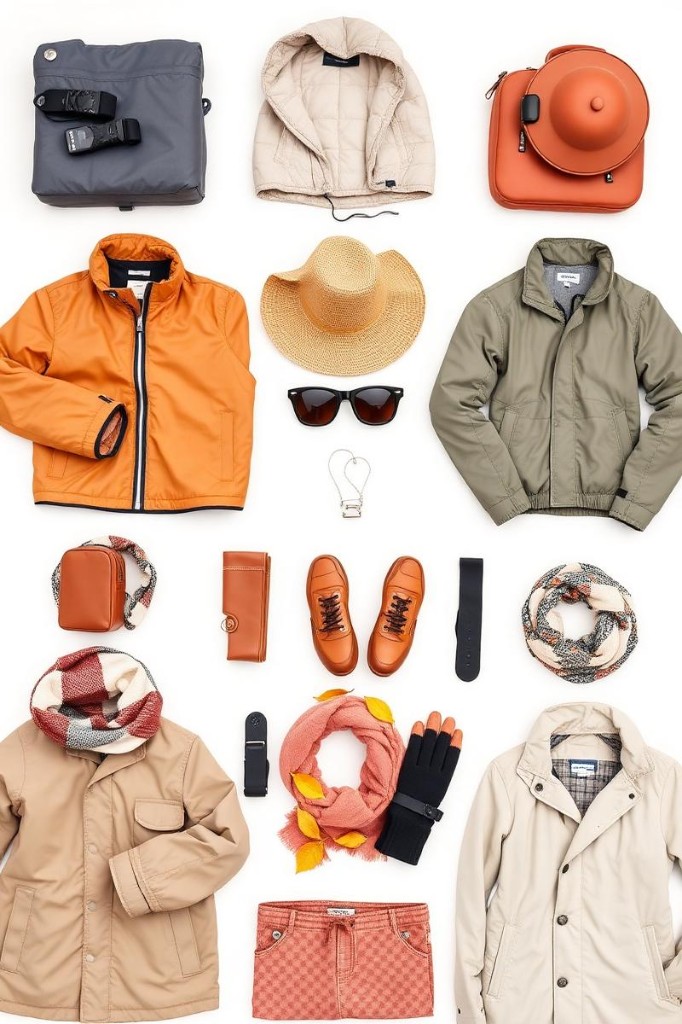
Summer (Dec-Feb): • Breathable, non-slip shoes (storms) • Compact lightweight waterproof jacket • Sturdy umbrella • Hat + sunglasses • Lightweight natural fiber clothing

Autumn (Mar-May): • Comfortable walking shoes • Versatile mid-season jacket • Compact umbrella • Layerable day/night clothing • Lightweight waterproof backpack

Winter (Jun-Aug): • Closed non-slip shoes • Warm jacket for mornings • Lightweight sweater for afternoons • Removable scarf • Sun protection (strong UV)

Spring (Sep-Nov): • Versatile shoes • Lightweight waterproof jacket • Adaptable clothing • Pollen allergy protection • Waterproof bag for sudden showers
Travel clothing and gear by season

💰 Seasonal budget

PeriodCity Accommodation (€/night)Transport (€/day)Restaurants (€/day)Attractions (€)Crowds
Summer (Dec-Feb)80-1508-1235-6025-40⭐⭐⭐⭐
Autumn (Mar-May)70-1208-1230-5520-35⭐⭐⭐
Winter (Jun-Aug)60-1008-1225-5020-35⭐⭐
Spring (Sep-Nov)75-1308-1230-5525-40⭐⭐⭐
Major Festivals100-20010-1540-7030-50⭐⭐⭐⭐⭐

💡 Money-saving tips

Go Card transport: substantial savings on bus/train/ferry vs individual tickets • Lunch: menus 15-20$ vs dinners 35-50$ • Free South Bank: artificial beach, parks, permanent museums • Happy hours: bars 4pm-6pm, 30-50% savings • Local markets: weekend farmers markets, attractive prices for local products

🏥 Health and precautions

Increased hydration: humid climate + intensive urban walking • UV protection: high index all year, even in winter • Strong air conditioning: temperature differences between indoors/outdoors, bring layers • Violent storms: seek solid shelter, avoid open spaces • 24h Pharmacies: Queen Street Mall, Fortitude Valley available

Urban Events

Brisbane's essential event calendar

Events punctuate urban life in Brisbane and transform the atmosphere of its neighborhoods. Their scheduling significantly influences tourist traffic and city activity.

🎭 Brisbane Festival (September)

Queensland's largest cultural festival transforms the city into a giant artistic stage. Theater, music, dance, and urban installations take over South Bank and the city center, creating a unique cultural buzz. The Riverfire fireworks display provides a spectacular finale.

Location: South Bank Cultural Precinct + City Center

Highlight: International programming + local artists, temporary installations

Climate Impact: Ideal spring weather, large crowds, book accommodation 3 months in advance

Transport Access: All lines converge at South Bank, enhanced services

Planning Tip: Book shows in July, consider premium South Bank accommodation

🏃 Brisbane Marathon Festival (June)

The major sporting event mobilizes the entire city with a course crossing iconic sites. The Story Bridge, South Bank, and the city center become a playground for 25,000 participants. The festive atmosphere spreads to all neighborhoods with entertainment and stands.

Location: Start/Finish at South Bank, city center route

Highlight: Story Bridge crossing closed to traffic, unique panoramic views

Climate Impact: Perfect dry winter, temporary road closures, citywide sporting atmosphere

Transport Access: Traffic disruptions, enhanced public transport, parking closures

Planning Tip: Avoid driving during the event weekend, book restaurants along the route

🎄 Brisbane Christmas Markets (November-December)

Christmas markets transform Queen Street Mall and South Bank into a festive tropical village. Local crafts, gastronomy, and family entertainment create a unique atmosphere blending European traditions and Australian culture under the summer sun.

Location: Queen Street Mall + South Bank Parklands

Highlight: Tropical Christmas, Queensland crafts, free concerts

Climate Impact: Start of summer, extended evenings, reinforced air conditioning in covered areas

Transport Access: City center accessible by all lines, increased paid parking rates

Planning Tip: Book festive restaurants from October, avoid weekends to escape crowds

Seasonal events

Summer: • Australia Day (January 26) - South Bank + fireworks • Valley Fiesta (January) - Fortitude Valley street festival • Chinese New Year (February) - Chinatown Mall

Autumn: • Brisbane Comedy Festival (March) - venues citywide • Paniyiri Greek Festival (May) - South Bank cultural

Winter: • EKKA Royal Show (August) - RNA Showgrounds • Good Food Month (July-August) - participating restaurants

Spring: • Oktoberfest Brisbane (October) - German Club • Mango Hill Markets (November) - regular weekends

Responsible City Break

Adopt respectful urban tourism by choosing periods and practices that minimize impact on the local environment and Brisbane's residential communities.

Brisbane is developing urban eco-responsible initiatives: extensive cycling network, electric public transport, expanded pedestrian zones, and reinforced waste management. Prioritize local businesses in Paddington and New Farm rather than tourist chains, and respect urban green spaces.

🌱 Low-season advantages

Visiting in the low season (June-August) reduces tourist pressure on infrastructure, allows for a more authentic experience of local life, lowers the carbon footprint of accommodation, and offers fair rates.

♻️ Sustainable travel tips

CityCycle + public transport: free 30min bike network, multi-modal Go Card • Local restaurants: Eat Street Northshore, weekend farmers markets • Certified accommodation: Green Key, environmental labels • Plastic reduction: reusable water bottles, numerous public fountains • Walking prioritized: short distances in the city center, pedestrian Riverwalk • Alternative circuits: residential neighborhoods Paddington, authentic West End

🏙️ Local sustainable initiatives

Brisbane invests heavily in urban sustainability: CityCycle (free bikes), electric buses, hybrid ferries, intensive greening (Urban Forest), reinforced recycling, expanded pedestrian Queen Street Mall, local organic markets (Jan Powers), EarthCheck ecotourism labels.

Our Recommendations

Recommendations for your city break in Brisbane

After analyzing climatic data, tourist traffic, and cultural events, our recommendations optimize your urban experience according to your priorities. Brisbane offers different opportunities depending on the season, allowing you to adapt your stay to personal preferences and budget constraints for an optimal discovery of this dynamic subtropical metropolis.

🌟 Optimal Period: April-September

Recommended Months: April, May, July, August, September

Advantages:
• Perfect climate 15-26°C / 59-79°F, ideal for urban walking
• Minimal rainfall, clear skies
• Brisbane Festival (September) + cultural events
• Moderate accommodation rates outside peaks
• Authentic local atmosphere, fewer tourists

Key Events: Brisbane Festival, Marathon, Jacaranda blooming

Disadvantages: Cool winter mornings, September festival bookings

Ideal Profile: All profiles, especially families and moderate budgets

Stay Duration: 3-5 days optimal

🌺 Interesting Alternative: March + October-November

Alternative Months: March, October, November

Description: Transition periods offering a balance of pleasant climate and growing urban activity. March ends summer gently, October-November reveal a blooming Brisbane.

Specific Advantages: Jacarandas in bloom, mild temperatures, spring events, intermediate prices

For Whom: Urban photography enthusiasts, flexible budgets, spontaneous stays

👥 Tips for your travel style

Family: May-September, South Bank + Lone Pine, Go Card transport, Southbank/New Farm accommodation

Budget: June-August, maximized free activities, Fortitude Valley hostels, systematic happy hours

Culture: September (festival), March-May, South Bank Cultural Precinct, QPAC shows

Romantic: April-May + September, Howard Smith Wharves, sunset cruises, boutique accommodation

Weekend: All year except January, compact city center, Story Bridge + South Bank essentials

First Trip: April-May optimal, guided tours, Queen Street Mall base, public transport

⚠️ Periods to Avoid: January-February

Months Not Recommended: January, February

Reasons: Intense humid heat (30°C+ / 86°F+), daily violent storms, maximum tourist traffic, prohibitive accommodation rates (+50%), Australia Day service closures

Nuances: Acceptable for tropical climate lovers and high budgets, summer festivals compensate

Villes du même pays

All cities

Frequently Asked Questions

Answers to essential questions for planning your city break according to Brisbane's climatic and urban specifics.

What is the best month to visit Brisbane?

May and September offer optimal conditions: perfect temperatures of 15-25°C / 59-77°F, minimal rainfall, cultural events (Brisbane Festival in September), moderate prices, and reasonable crowds. April and July are excellent alternatives with dry weather and an authentic local atmosphere. Avoid January-February due to excessive humid heat.

How many days should I plan for Brisbane?

3-4 days minimum to discover the essentials: South Bank, city center, Story Bridge, Mount Coot-tha. 5-7 days allow you to explore alternative neighborhoods (Fortitude Valley, Paddington), Lone Pine excursions, and cultural events. A weekend is sufficient for a first approach focused on major sites and urban atmosphere.

What to do in Brisbane when it rains?

Brisbane excels in indoor activities: Queensland Museum and GOMA (free), Queen Street Mall shopping, XXXX Brewery tours, State Library's remarkable architecture, and Brisbane City Hall guided tours. The South Bank Cultural Precinct concentrates museums and covered restaurants. Cinemas, QPAC shows, and Fortitude Valley cafes complete the cultural offer.

What events should not be missed in Brisbane?

Brisbane Festival (September): major cultural event, spectacular Riverfire. Marathon Festival (June): citywide sporting atmosphere. Christmas Markets (November-December): unique tropical Christmas. Australia Day (January) and jacaranda blooming (October-November) transform the urban atmosphere. QPAC programming year-round.

What budget should I plan for the season?

High season (December-February): 150-200€/day (accommodation 100-150€, meals 40-60€). Optimal season (April-September): 100-150€/day (accommodation 70-120€, meals 30-50€). Low season (June-August): 80-120€/day. Numerous free activities (museums, parks, beaches) significantly reduce costs. The Go Card is an economical transport option.