When to visit Alofi? City-Trip Guide

Between the soothing dry season and the tropical wet season, Alofi reveals its charms depending on the months chosen.

  • 0.001 M population
  • Niuean, English language
  • 130 days rainy days/year
  • May to October best time to visit
  • 5 to 10 days recommended stay

Climate of Alofi

Understanding the tropical island climate of Alofi

Alofi enjoys a tropical oceanic climate, influenced by the warmth of the South Pacific and southeast trade winds. Nestled on the island of Niue, approximately 2,400 km / 1,491 miles northeast of New Zealand, the town experiences two distinct seasons: a mild dry season and a humid cyclonic season, with stable temperatures year-round.

  • Coastal Zone: Climate moderated by trade winds with refreshing sea breezes
  • Interior Plateaus: Slightly cooler temperatures at higher elevations with higher rainfall
  • Southern Coastline: Area most protected from prevailing winds
MonthMin Temp (°C / °F)Max Temp (°C / °F)Precipitation (mm / in)Sunshine (h/day)Tourist TrafficRecommended Activities
January24°C / 75°F29°C / 84°F300 / 11.86★★☆☆☆Caves, Niue Museum, welcome rain
February24°C / 75°F29°C / 84°F280 / 11.06★★☆☆☆Scuba diving, indoor sites
March24°C / 75°F28°C / 82°F250 / 9.86.5★★☆☆☆Huvalu Forest hiking, natural pools
April23°C / 73°F28°C / 82°F180 / 7.17★★★☆☆Limu Pools, Matapa Chasm, snorkeling
May22°C / 72°F27°C / 81°F100 / 3.97.5★★★☆☆Talava Arches, whale swimming
June21°C / 70°F26°C / 79°F80 / 3.17★★★★☆Whale watching, coastal hikes
July20°C / 68°F25°C / 77°F70 / 2.87★★★★★Humpback whales, diving, Togo Chasm
August20°C / 68°F25°C / 77°F70 / 2.87.5★★★★★Beaches, kayaking, cave exploration
September21°C / 70°F26°C / 79°F80 / 3.17.5★★★★☆Diving, local markets, Niue Show
October22°C / 72°F27°C / 81°F120 / 4.77★★★☆☆Constitution Day, cultural festivities
November23°C / 73°F28°C / 82°F200 / 7.96.5★★☆☆☆Diving, Avaiki caves, sunsets
December24°C / 75°F29°C / 84°F280 / 11.06★★☆☆☆Local festivals, Limu Pools, Alofi village

Limited altitude variations (maximum 68m / 223ft) only moderately influence the climate, with slightly cooler temperatures on the coral plateaus and exposure to trade winds varying by orientation.

The Seasons

Must-sees by weather

In Alofi and on the island of Niue, natural and cultural treasures are discovered differently depending on the weather. Here is how to organize your stay to make the most of every climatic condition.

☔ In overcast/rainy weather

Indoor and protected sites in Alofi

Even in the rain, Alofi has beautiful surprises in store for curious travelers who venture off the beaten path.

  • 🏛️ Niue Museum (Alofi center) — 1h–1h30 — Free entry — Open all year — Ideal for discovering Niuean history and culture
  • Ekalesia Niue Church — 30 min — Free — Exterior/interior visit possible — Beautiful example of South Pacific architecture
  • 🍽️ Local restaurants and snack bars in Alofi — 1h–2h — 10–25 € / 11–27 USD — Authentic Polynesian cuisine to discover in the rain
  • 🛍️ Alofi Central Market — 1h — Free — Local products, Niuean crafts, exotic fruits
  • 🦈 Avaiki Cave natural aquarium (partial covered access) — 1h30 — Free — Observe coral formations in shelter

Practical tip: Most Alofi sites are near the city center, easily accessible on foot or by rented scooter.

Tip: Take advantage of rainy afternoons to visit the museum in the morning, then have lunch in a local restaurant and explore Niuean crafts.

☀️ In good weather

Optimal outdoor around Alofi

When the sun shines on Niue, every natural site reveals colors and water clarity that are incomparable, worthy of the most beautiful spots in the Pacific.

  • 🌊 Matapa Chasm — 2h — Free — Best in the morning for light — Royal natural pool carved into the coral
  • 🏊 Limu Pools — 2h — Free — Ideal at high tide — Spectacular natural basins
  • 🌿 Togo Chasm — 3h — Free — Early morning departure recommended — Pandanus forest and secret beach
  • 🏛️ Talava Arches — 2h30 — Free — Late afternoon for photos — Majestic coral formations
  • 🐋 Humpback whale watching — 3h — 60–90 € / 65–97 USD — July–September only — Unforgettable experience
  • 🤿 Diving off Alofi — 3h — 80–120 € / 86–130 USD — Optimal visibility May–October — Moray eels, turtles, manta rays
  • 🌅 Coral cliffs at sunset — 1h — Free — Golden hour around 6 PM in dry season — Stunning view of the Pacific

Best time of day: Early morning (7 AM–10 AM) for natural sites, golden hour in the evening for cliffs and panoramas.

Season tip: July–August months offer the best underwater visibility. Avoid outings in the midday sun (12 PM–2 PM).

🌤️ Versatile for all weather

Sites flexible according to conditions

Some sites in Alofi and Niue adapt to all weather conditions and allow you to adjust your schedule in real-time.

  • 🌿 Huvalu Forest — Hike covered by the canopy, cool in the rain, magnificent in the sun
  • 🏘️ Village of Alofi and its surroundings — Walk possible in all weather, Polynesian architecture to discover
  • 🦀 Coastal paths (sea tracks) — Accessible even when cloudy, coral formations remain fascinating

Weather tip: If rain is forecast, start with the Huvalu Forest and its shaded paths, then head to Alofi for the market and museum. If the sun returns in the afternoon, head to the Limu Pools.

Example itinerary: 8 AM Huvalu Forest → 11 AM Alofi Market → 12:30 PM Local lunch → 2:30 PM Niue Museum → 4:30 PM Cliffs at sunset.

💰 Free or economical

No-cost in Alofi

  • 🌊 Matapa Chasm — Free access — Historic royal natural pool
  • 🏞️ Togo Chasm — Free access — Hike in the pandanus forest
  • 🌅 Panoramas from the cliffs of Alofi — Free access — Breathtaking sunsets over the Pacific
  • Churches and local culture — Free — On Sunday, village life comes alive around services

Free days: Most of Niue's natural sites are free to access all year round.

Budget tips: Buy your fruit at the Alofi market (less than 5 € / 5.40 USD), prepare your picnics, and explore the sea tracks on foot to avoid scooter rental fees.

Practical Guide

In Alofi, the variations between the dry season and the wet season directly impact your travel comfort. Adapting your equipment and budget to the chosen period will allow you to fully enjoy this unique Pacific island, between coral hikes, diving, and immersion in Niuean culture.

👕 Seasonal packing

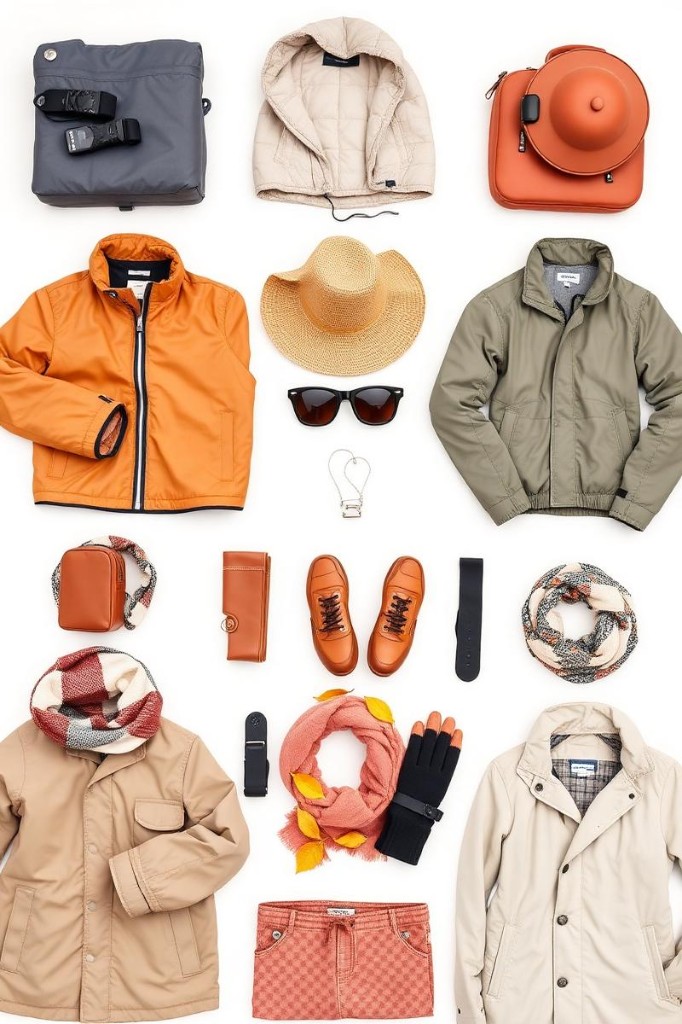
Dry Season (May–October): • closed, non-slip walking shoes (essential on coral) • light windbreaker for cool evenings • swimsuit and diving shorty • high-protection sunscreen • hat or cap • waterproof bag for coastal excursions

Wet Season (November–April): • poncho or light raincoat • waterproof shoes • quick-drying clothing • reinforced mosquito repellent • sun protection as UV rays remain intense between showers • dry change of clothes in a waterproof bag

Year-round: • light clothing in cotton or breathable materials • SPF 50+ sun protection • polarized sunglasses • universal power adapter

Travel clothing and gear by season

💰 Seasonal budget

PeriodAccommodation (€/night)Transport (€/day)Restaurants (€/day)Attractions (€)Traffic
July–August (high season)90–18025–4030–5060–120★★★★★
June & September (high shoulder)70–14020–3525–4550–100★★★★☆
May & October (low shoulder)60–11020–3020–4040–80★★★☆☆
November & April (start/end rains)50–9015–2520–3530–60★★☆☆☆
January–March (peak wet season)40–7515–2015–3020–50★☆☆☆☆

💡 Money-saving tips

1. Scooter rental: the most economical way to explore Niue (25–35 € / 27–38 USD per day), much more cost-effective than the rare taxis on the island.
2. Cook local: shop at the Alofi market and prepare your meals in your accommodation — guesthouses often offer shared kitchens.
3. Book early in the dry season: accommodations are limited on the island, the best options go 4 to 6 months in advance.
4. Take advantage of free sites: almost all of Niue's natural sites are free to access; focus your budget on diving and whale excursions.
5. Travel in shoulder season (May or September) to combine good weather conditions with accessible prices.

🏥 Health and precautions

  • Intensive sun protection: the island is close to the equator, UV rays are very intense even in cloudy weather
  • Hydration: tropical heat and humidity require significant water consumption (2–3 liters / 0.5–0.8 gallons per day minimum)
  • Mosquitoes and dengue: use effective repellent, especially in the wet season
  • Coral terrain: walking on sea tracks requires closed shoes — coral cuts can become infected quickly
  • Limited medical access: Niue has only one hospital in Alofi — bring a complete first-aid kit and repatriation insurance
  • Cyclonic risk (November–April): regularly check weather bulletins from Météo France Pacifique

Local Events

Calendar of must-see events in Alofi and Niue

In Alofi, cultural events punctuate island life and offer travelers an authentic immersion into Niuean culture, ranging from community celebrations and Polynesian traditions to national holidays.

🎪 Niue Show Week — October (2nd week)

Niue Show Week is the most important annual event on the island. This agricultural and cultural festival brings the entire population together for displays of local produce, traditional sports competitions, Polynesian dancing, and culinary contests. The atmosphere is festive, warm, and deeply authentic.

Location: Community grounds in Alofi and the immediate vicinity of the village.

Special feature: One of the only events in the world where nearly 100% of the local population actively participates.

Impact: Alofi is fully booked during this week — book your accommodation at least 6 months in advance.

Access: Everything is within walking distance in the village of Alofi; a scooter is recommended for outlying sites.

Tip: Book your flights from Auckland or Tonga as soon as Niue Air schedules are released.

🎉 Constitution Day — October 19th

October 19th is Niue's national holiday, celebrating self-governance in free association with New Zealand since 1974. The day is marked by official ceremonies in Alofi, colorful parades, traditional Niuean dance and song performances, and shared outdoor community meals.

Location: Center of Alofi, government square, and sports fields.

Special feature: Completely free access to all activities — locals welcome foreign visitors with remarkable hospitality.

Impact: Shops and government offices are closed — plan your shopping the day before.

Access: Everything is within walking distance from the center of Alofi.

Tip: Combine with Niue Show Week for a complete 10-day cultural experience.

🐋 Humpback Whale Season — July to September

Every year, humpback whales come to breed and give birth in the crystal-clear waters of Niue, offering a natural spectacle of rare intensity. Alofi becomes the departure base for sea excursions, and local operators offer unforgettable trips to observe these giants of the sea just a few meters away.

Location: Departure from Alofi harbor, Niue coastal waters.

Special feature: Niue is one of the few places in the world where it is legally possible to swim with humpback whales.

Impact: Absolute peak tourist season — book excursions and accommodation 4 to 6 months in advance.

Access: From Alofi harbor, excursions organized by certified local operators (60–120 € / 65–130 USD per person).

Tip: Choose operators who are members of the Niue tourism association for a respectful experience with the cetaceans.

Seasonal events

Dry Season (May–October): • Humpback whale season (July–September, Alofi harbor) • Niue Show Week (October, Alofi village, cultural and agricultural) • Constitution Day (October 19th, Alofi center, national holiday) • Sport fishing competitions (June–August, Alofi harbor)

Wet Season (November–April): • Christmas and New Year celebrations (December–January, Alofi, community festivities) • Easter (March–April, Alofi, important religious celebrations — most shops close on Good Friday and Easter Monday) • Niue King's Birthday (January, official ceremonies) • Note: public holidays may lead to the closure of essential services — check before arrival

Traveling responsibly in Alofi

Alofi is one of the most fragile and preserved capitals in the Pacific. With only a few hundred permanent residents, each visitor has a proportionally very high impact on the local economy, the marine environment, and the quality of life of the residents. Choosing when and how you travel makes a real difference.

Niue is committed to an ambitious sustainable tourism approach: the island benefits from the "Coral Reef Sanctuary" label and protects all of its coastal waters. In Alofi, local businesses should be prioritized, plastic waste must be taken back to the mainland (local treatment capacities are almost non-existent), and respect for marine protected areas is mandatory.

🌱 Low-season advantages

Visiting Alofi off-season (November–April excluding cyclones, or May) helps to reduce pressure on already fragile natural sites, support the local economy during slow periods, and live an authentic experience in contact with residents without crowds.

♻️ Sustainable travel tips

1. Choose guesthouses run by Niueans rather than the few international lodges — your money stays in the local economy.
2. Never touch the coral while diving or snorkeling — Niue's marine ecosystem is exceptionally preserved.
3. Take back your plastic waste to New Zealand or Australia — Niue does not have the infrastructure to treat them.
4. Buy local: fruit at the Alofi market, Niuean crafts directly from the artisans.
5. Use the scooter sparingly: the island is small, many sites are accessible on foot from Alofi.
6. Respect sacred areas (tapu) indicated by local signs — some sites are of spiritual importance to Niueans.

🏙️ Local sustainable initiatives

Niue Tourism Office actively promotes low-impact tourism with certified local guides, supervised and regulated whale excursions, the full protection of the Huvalu Forest, and awareness programs for visitors upon arrival at Alofi airport. The country aims for the title of "first entirely ecotourism nation in the Pacific."

Our recommendations

Recommendations for your stay in Alofi and on the island of Niue

After a complete analysis of the climate, events, and tourist conditions of Alofi, the dry season from July to September stands out as the ideal period for the majority of travelers. The sky is clear, temperatures are mild (20–27°C / 68–81°F), underwater visibility is exceptional, and the humpback whale season transforms every day into a magical experience. For those who wish to avoid the peak season, May and October offer an excellent compromise between good weather conditions, accessible rates, and a more intimate atmosphere.

Optimal period: July–September 🌟

Recommended months: July, August, September

  • Ideal temperatures between 20 and 27°C / 68 and 81°F with refreshing trade winds
  • Maximum underwater visibility for diving and snorkeling
  • Humpback whale season — swimming with them is legal and regulated in Niue
  • Clear skies optimal for coral hiking and photography
  • Festive local atmosphere with markets and community gatherings

Key events: Whale watching (July–September), beginning of Niue Show (approaching October)

Disadvantages: Accommodations are very limited — fully booked very quickly. Prices at their annual maximum.

Ideal profile: Divers, nature lovers, couples, travelers seeking an exotic escape.

Recommended duration: 7 to 10 days minimum to enjoy natural sites and whale excursions.

Interesting alternative: May and October 🌤️

Alternative months: May, October

These two transition months offer a remarkable price-quality ratio: weather conditions remain very pleasant, tourist traffic decreases significantly, and accommodation prices drop by 20 to 40%. In May, the sea remains excellent for diving. In October, national festivities (Constitution Day, Niue Show) offer a rare and moving cultural immersion.

Specific advantages: Fewer tourists, accommodations available without ultra-early booking, attractive prices, authentic cultural events in October.

For whom: Flexible travelers, local culture enthusiasts, budget travelers, photographers seeking the golden light of the shoulder season.

👥 Tips for your travel style

🏊 Divers: July–August, book your dive operator at the same time as your flight — spots for whale trips are limited. Accommodation near Alofi harbor recommended.

👨‍👩‍👧 Family: September–October, mild weather, cultural events in October, natural sites safe and accessible with children (Limu Pools, Huvalu Forest). Guesthouses with kitchens recommended to manage the budget.

💑 Romantic Couple: July–August, starry nights without light pollution, sunsets on the coral cliffs, unforgettable whale excursion for two. Choose a coastal lodge with a Pacific view.

🎒 Tight Budget: May or November (excluding cyclonic risk), accommodation in a local Niuean guesthouse, market cooking, free natural sites, shared scooter. Budget possible from 80 € / 86 USD per day all-inclusive.

📸 Photographer: June–July for golden light and whales, or October for national festivities and local portraits. Golden hour on the cliffs of Alofi not to be missed under any circumstances.

🌍 First trip: July–September, ideal conditions, local operators available to guide your discovery, safe atmosphere, and exceptional welcome from the locals.

Periods to avoid: January–March ⛈️

Not recommended: January, February, March

Reasons: High cyclonic risk which can lead to flight cancellations and interruption of air links with Niue. Very heavy rainfall (250–300 mm / 9.8–11.8 in per month) making many trails impassable. Water activities very limited. Some operators close their doors.

Nuances: Very experienced, flexible travelers with comprehensive cancellation insurance can find in this rainy period an authentic immersion at a very low price. The Huvalu Forest is spectacularly green and the resonant caves are striking in the rain.

Villes du même pays

All cities

Frequently Asked Questions

Here are the essential questions travelers ask before planning their stay in Alofi, to help choose the right time and optimize their experience on the island of Niue.

What is the best month to visit Alofi?

The best month to visit Alofi is undoubtedly July or August. These two months correspond to the heart of the dry season: pleasant temperatures around 20–25°C / 68–77°F, minimal rainfall (only 70 mm / 2.75 in), clear skies, and most importantly, it is the peak season for humpback whales that come to breed in the crystal-clear waters of Niue. Underwater visibility is at its maximum for diving and snorkeling. If you wish to avoid the peak season while still enjoying good conditions, opt for May or September, transition months where prices are softer and sites are less crowded.

How many days should I plan for Alofi?

Plan for at least 7 days to fully enjoy Alofi and the island of Niue. The first 48 hours are used to recover from the journey (Niue is only served from Auckland or Tonga) and to explore the village of Alofi. Then, each day can be dedicated to a different natural site: Togo Chasm, Matapa Chasm, Limu Pools, Talava Arches… If you wish to add an in-depth diving excursion or a whale trip, count on 10 days. Travelers who really want to immerse themselves in Niuean culture and miss nothing can extend up to 14 days without ever getting bored.

What to do in Alofi if it rains?

Even in the rain, Alofi is not without interest. Start with the Niue Museum, located in the center of the village, which traces the fascinating history of this island since Polynesian migrations. Then, explore the Ekalesia Niue Church and its remarkable frescoes. Take the opportunity to have lunch in one of the local restaurants in Alofi and taste traditional Niuean cuisine (uga, coconut crab, lagoon fish). The Huvalu Forest, covered by the canopy, remains accessible in light rain and reveals enchanting tropical scents. The Avaiki Cave, semi-covered, is also accessible and spectacular in the rain.

What events should not be missed in Alofi?

Three events deserve special attention in Alofi. First, the humpback whale season (July–September): swimming with these giants is legally authorized and regulated in Niue, a unique experience in the world. Next, the Niue Show Week in October, a true agricultural and cultural festival that brings the entire population together for dances, contests, and community meals — an absolute immersion in Polynesian culture. Finally, Constitution Day on October 19th celebrates Niuean self-governance with parades and official ceremonies accessible to all and entirely free.

What budget should I plan for according to the season?

The budget to visit Alofi varies significantly according to the season. In high season (July–August), expect 150 to 300 € / 160–325 USD per day per person (accommodation 90–180 € / 95–195 USD per night, whale excursion 80–120 € / 85–130 USD, meals 30–50 € / 32–54 USD per day). In shoulder season (May, September–October), the budget drops to 100–200 € / 108–215 USD per day. In low season (November–April excluding cyclones), you can get by with 80–130 € / 86–140 USD per day. Warning: flights to Niue (mainly via Auckland) represent a significant budget item (500 to 1,200 € / 540–1,300 USD round trip from Europe) to be included in your overall budget.