When to visit Niue? Complete Guide

Discover the climatic secrets of this South Pacific pearl to plan your perfect getaway.

  • 0.0016 million population
  • English, Niuean language
  • 180 days rainy days/year
  • May to October best time to visit
  • 7 to 14 days recommended stay

Weather and Climate in Niue

Understanding Niue's tropical oceanic climate

Niue enjoys a uniform tropical oceanic climate, influenced by South Pacific trade winds. This small coral island features distinct seasonal variations between the dry and wet seasons, which are key to planning your travel experience.

  • Coastal Zone: Climate moderated by sea breezes with stable temperatures year-round
  • Central Plateau: Slightly cooler zone at higher elevations with higher precipitation
MonthAvg Temp (°C / °F)Precip. (mm / in)Humidity (%)Rainy Days
January26-29°C / 79-84°F220 / 8.78018
February26-29°C / 79-84°F200 / 7.97916
March26-29°C / 79-84°F180 / 7.17815
April25-28°C / 77-82°F140 / 5.57612
May24-27°C / 75-81°F120 / 4.77410
June23-26°C / 73-79°F100 / 3.9728
July22-25°C / 72-77°F90 / 3.5717
August22-25°C / 72-77°F85 / 3.3707
September23-26°C / 73-79°F95 / 3.7728
October24-27°C / 75-81°F110 / 4.3749
November25-28°C / 77-82°F150 / 5.97613
December26-29°C / 79-84°F190 / 7.57816

Altitude variations are minimal on this flat island, with negligible temperature differences between the coast and the interior.

The Seasons in Niue

Climate by Region in Niue

Despite its small size, Niue features subtle microclimates linked to its unique coral topography. These variations influence your choice of accommodation and activities according to your climatic preferences.

🏖️ West Coast (Alofi)

The west coast, home to the capital Alofi, benefits from natural protection against prevailing winds. This exposure offers calmer conditions and spectacular sunsets. Temperatures are slightly more stable here, with fewer diurnal variations.

PeriodConditionsTemperatureActivities
May-OctCalm sea23-26°C / 73-79°FDiving, swimming
Nov-AprMore sheltered26-28°C / 79-82°FRelaxing, sunsets

Specifics: Most developed area with tourist infrastructure, easy access to Avaiki and Matapa sea caves.

🌊 East Coast

The east coast faces the prevailing winds and features a sea that is often rougher. This exposure provides welcome natural ventilation during the wet season but limits certain water activities. The coral formations here are particularly spectacular.

PeriodConditionsTemperatureActivities
May-OctStrong winds22-25°C / 72-77°FCoastal hiking
Nov-AprRough sea25-27°C / 77-81°FNature observation

Specifics: Wild coast with impressive limestone formations, ideal for seabird watching and landscape photography.

🏞️ Central Plateau

The central plateau, reaching 68 meters / 223 feet, features a slightly different microclimate with cooler temperatures and sometimes higher precipitation. This forest zone offers a natural refuge during the hottest periods.

PeriodConditionsTemperatureActivities
May-OctCool and dry21-24°C / 70-75°FHiking, exploration
Nov-AprHumid24-26°C / 75-79°FFlora/fauna observation

Specifics: Tropical forest with hiking trails, freshwater caves, and unique island biodiversity.

Practical Guide to Niue

Prepare for your trip to Niue with our practical advice tailored to the island's specific climate. Good preparation according to the season ensures a successful stay in this unique South Pacific destination.

👕 Seasonal packing

Dry Season (May-October):

  • Light cotton clothing
  • Windbreaker for evenings
  • Hiking shoes
  • Diving equipment

Wet Season (November-April):

  • Breathable clothing
  • Light raincoat
  • Waterproof shoes
  • Mosquito protection

Year-round:

  • Sun protection (SPF50+ sunscreen, hat, sunglasses)
  • Swimwear
  • Beach sandals
  • First aid kit
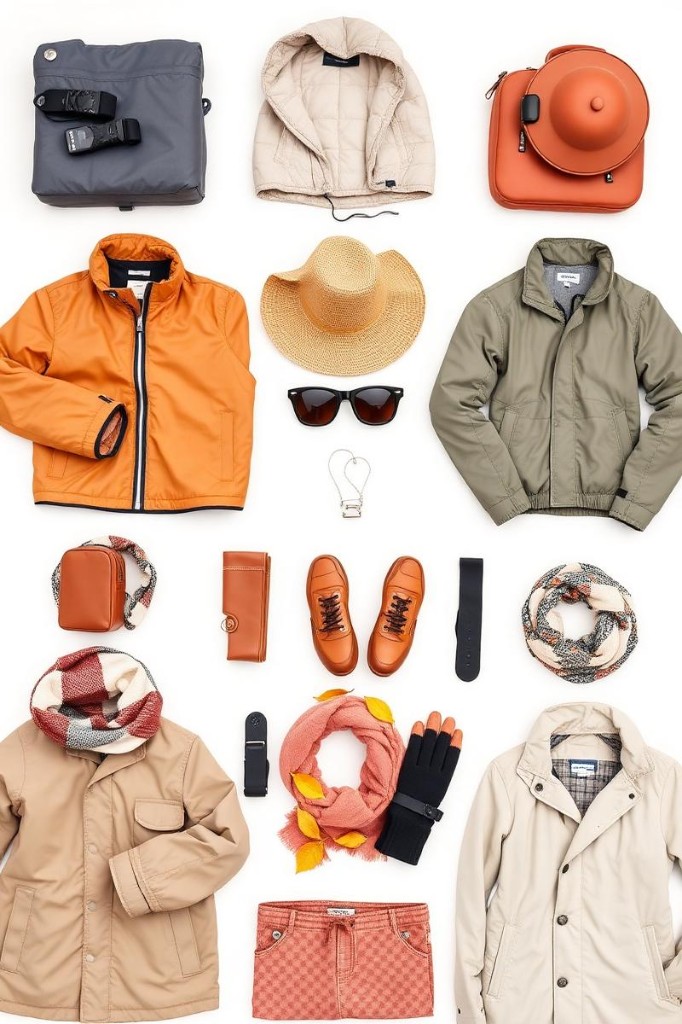
Travel clothing and gear by season

💰 Seasonal budget

PeriodAccommodation (€)Transport (€)Activities (€)Crowds (/5)Budget Tips
May-July150-30080-120100-2004/5Book 3 months in advance
August-October180-350100-150120-2505/5Avoid August (peak tourism)
November-January120-25060-10080-1502/5Best rates, flexible dates
February-April100-20050-8070-1201/5Last-minute deals

💡 Money-saving tips

  • Avoid July-August: The most expensive period with maximum tourist influx
  • Take advantage of the low season: November-April offers up to 40% savings on accommodation
  • Book in advance: Accommodation is limited; plan at least 2-3 months ahead
  • Watch for promotions: Flight+hotel packages are often advantageous from New Zealand
  • Opt for self-sufficiency: Cook your own meals; restaurants are rare and expensive

🏥 Health and precautions

Health precautions by season:

  • Enhanced sun protection: Very intense UV year-round; SPF50+ sunscreen is essential
  • Constant hydration: Tropical climate requires 3-4L / 0.8-1 gal of water/day, especially in the wet season
  • Mosquito prevention: Effective repellents from November-April, long clothing in the evening
  • Complete medical kit: Limited medical infrastructure; bring personal medications
  • Mandatory travel insurance: Medical evacuation to New Zealand is expensive
  • Cyclone vigilance: Follow marine weather from November-April; have evacuation plans

Events & Festivals in Niue

Cultural calendar and festivities not to be missed in Niue

Niue's cultural events reflect Polynesian authenticity and pace island life according to climatic seasons.

🎉 Niue Arts & Cultural Festival (October)

The island's major cultural festival celebrates Polynesian heritage with traditional dances, local crafts, and Niuean gastronomy. This event brings the entire community and visitors together in a friendly and authentic atmosphere.

Location: Alofi and island villages

Highlight: The only major cultural event, offering privileged access to local culture

Climate Impact: Organized during the dry season to ensure outdoor activities

🐋 Whale Watching Season (July-October)

An exceptional period to observe humpback whales during their migration. The optimal weather conditions of the dry season offer perfect visibility for this unique experience in Niue's crystal-clear waters.

Location: Coastal waters, departures from Alofi

Highlight: Shore-based observation possible, swimming with whales permitted

Climate Impact: Calm seas are essential; the ideal period coincides with the dry season

🏃 Niue Cyclone Challenge (May)

A unique trail race crossing the island, challenging runners on rugged coral terrain. This sporting event symbolically marks the end of the cyclone season and the return of favorable weather conditions.

Location: Circuit crossing the entire island

Highlight: The only international sporting event, course on fossilized coral

Climate Impact: Scheduled after the rainy season to avoid slippery terrain

Seasonal events

Dry Season (May-October):

  • Niue Cyclone Challenge (May)
  • Whale Watching (July-October)
  • Cultural Festival (October)

Wet Season (November-April):

  • New Year's Celebrations (January)
  • Local Religious Holidays (February-March)
  • Quieter period, family-oriented events

Responsible Travel in Niue

Niue, a fragile small island in the Pacific, requires a respectful tourist approach to its unique ecosystem and centuries-old cultural traditions.

This raised coral island is home to exceptional marine ecosystems and fragile endemic biodiversity. Responsible tourism involves respecting natural cycles, particularly the marine life breeding periods and the preservation of millenary coral formations.

🌱 Low-season advantages

Traveling in the wet season reduces tourist pressure on fragile sites, supports the local economy in a balanced way, and lowers your carbon footprint through more accessible airfares.

♻️ Sustainable travel tips

  • Respect marine life: No-contact diving, biodegradable sunscreens only
  • Waste management: Island without a landfill; take your non-biodegradable waste with you
  • Water conservation: A precious resource; take short showers and reuse towels
  • Local transport: Walking or cycling preferred; rent a vehicle only if necessary
  • Local consumption: Island products, traditional crafts, family restaurants
  • Cultural respect: Polynesian traditions, sacred sites, ask permission to photograph

🏙️ Local sustainable initiatives

Niue is developing solar energy projects, protecting its marine areas with no-fishing zones, and promoting community-based ecotourism. The island aims for carbon neutrality and encourages participatory marine conservation initiatives.

Our Expert Recommendations

Expert recommendations for your trip to Niue

Peaceful landscape with the sun setting over trees in the distance by Z N on Unsplash

After analyzing climatic data and our field experience, we offer personalized recommendations to optimize your discovery of Niue. These tips integrate meteorological specifics, tourist influx, and unique opportunities according to the seasons to ensure an authentic experience on this South Pacific pearl.

🌟 Optimal Period: July to September

Recommended Months: July, August, September

  • Ideal weather conditions with pleasant temperatures (22-26°C / 72-79°F)
  • Calm seas perfect for diving and whale watching
  • Dry season ensuring clear skies and excellent visibility
  • Optimal period for all water and land activities
  • Refreshing trade winds limiting humidity
  • Tourist season with high prices
  • Bookings essential several months in advance

Ideal Profile: Divers, marine life enthusiasts, photographers, travelers seeking optimal conditions

⚖️ Balanced Alternative: May-June and October

Alternative Months: May, June, October

Justification: These periods offer an ideal compromise between favorable weather conditions and moderate crowds. May marks the transition to the dry season with still-affordable rates, while October benefits from a stable climate before the holiday rush.

  • Intermediate rates that are more accessible
  • Fewer tourists for a more authentic experience
  • Very decent weather conditions
  • More flexible accommodation availability

👥 Tips for your travel style

👨‍👩‍👧‍👦 Families: July-August for maximum safety and child-friendly activities. Avoid the cyclone season.

💰 Budget-conscious: May or October for a balance of price/conditions. November is possible if you are flexible with the weather.

🏃‍♂️ Adventurers: June-September for optimal diving, hiking, and exploration. Dry season is essential.

💎 Luxury: August-September, a premium period with high-end services and perfect conditions.

📸 Photographers: July-September for ideal lighting and exceptional underwater and terrestrial visibility.

❌ Period to Avoid: December to March

The cyclone season presents significant meteorological risks with the possibility of tropical cyclones, intense precipitation, and rough seas. Although rates are attractive, conditions can compromise your safety and drastically limit activities.

Cities to explore

Discover the must-sees of urban travel

All cities

Frequently Asked Questions

Find essential answers to the most frequently asked questions about planning your trip to Niue.

What is the best time to go whale watching in Niue?

The whale watching season runs from July to October, with a peak in August and September. Humpback whales migrate to Niue's warm waters to breed. This period perfectly coincides with the dry season, offering calm sea conditions and excellent visibility for observation and swimming with these marine giants.

Can you visit Niue during the cyclone season?

The cyclone season (November to April) presents real risks but remains visitable with precautions. Direct cyclones are rare, but tropical depressions bring strong winds and heavy rain. If you choose this period, purchase cancellation insurance, monitor marine weather, and remain flexible with your travel dates.

What water temperature can be expected according to the seasons?

Water temperature varies little in Niue: 24-26°C / 75-79°F in the dry season (May-October) and 26-28°C / 79-82°F in the wet season (November-April). These tropical temperatures allow for swimming and diving year-round without a wetsuit. The water is slightly cooler in July-August, which is the ideal period for prolonged water activities.

How many days should I plan for a trip to Niue?

We recommend a minimum of 7 to 14 days to properly discover Niue. This duration allows you to explore sea caves, go on several dives, watch whales (in season), and discover local culture without rushing. As the island is small but rich in activities, 10 days is the optimal duration for a balanced stay.

Are there specific health risks depending on the season?

Health risks are limited but vary by season. In the wet season, be mindful of mosquitoes (repellents are essential) and humidity, which can promote fungal infections. Year-round, maximum sun protection is mandatory (intense UV). No specific vaccines are required, but bring a complete medical kit as medical infrastructure on the island is basic.