When to visit Makefu? Niue Village Guide

Between the bright dry season and the lush humid season, Makefu reveals a rare Polynesian authenticity at every time of the year.

  • 0.08 M population
  • Niuean, English language
  • 120 days rainy days/year
  • May to October best time to visit
  • 3 to 7 days recommended stay

Weather and climate trends in Makefu

Understanding the tropical island climate of Makefu, Niue

Makefu enjoys a tropical oceanic climate, typical of the island of Niue, located at 19° South latitude in the Pacific. The heat is constant throughout the year, tempered by southeastern trade winds. Two distinct seasons shape village life: a pleasant dry season from May to October and a humid season from November to April, with cyclonic risks.

Unique tropical oceanic climate zone with southeastern trade wind influence

MonthMin Temp (°C / °F)Max Temp (°C / °F)Precipitation (mm)Sunshine (h/day)Tourist TrafficRecommended Activities
January24°C / 75°F28°C / 82°F2506★★☆☆☆Local culture, coastal hikes
February24°C / 75°F28°C / 82°F2605★☆☆☆☆Cave visits, traditional crafts
March24°C / 75°F28°C / 82°F2206★☆☆☆☆Wildlife observation, local cuisine
April23°C / 73°F27°C / 81°F1807★★☆☆☆Snorkeling, diving, hiking
May22°C / 72°F26°C / 79°F1008★★★☆☆Diving, kayaking, coastal walks
June21°C / 70°F25°C / 77°F808★★★☆☆Whale watching (end of season), cycling
July20°C / 68°F24°C / 75°F709★★★★☆Humpback whale watching, diving
August20°C / 68°F24°C / 75°F709★★★★★Humpback whales, snorkeling, kayaking
September21°C / 70°F25°C / 77°F808★★★★☆Diving, hiking, fishing
October22°C / 72°F26°C / 79°F1108★★★☆☆Niue Show, culture, water sports
November23°C / 73°F27°C / 81°F1607★★☆☆☆Snorkeling, cultural visits
December24°C / 75°F28°C / 82°F2006★★☆☆☆Local festivals, nature observation

Minimal altitude variations, homogeneous climate across the territory

The seasons in Makefu

Attractions according to the weather in Makefu

In Makefu and on the island of Niue, weather conditions naturally guide your explorations. Whether it rains or shines, every moment reveals a unique facet of this preserved Polynesian island, between caves, cliffs, and crystal-clear lagoons.

☔ In cloudy or rainy weather

Discoveries sheltered from the elements

When tropical showers arrive, Niue and its Makefu surroundings offer protected cultural and natural experiences that are well worth the detour.

  • 🏛️ Makefu Village – local life: Meet the locals, observe traditional Niuean crafts (mats, carvings). Free. All year round.
  • 🕌 Makefu Church: Historic building in the heart of the village, testimony to Niue's missionary history. Free. All year round.
  • 🍽️ Local cuisine and markets: Discover Niuean flavors in host families and small restaurants in Alofi, 10 min away. ~15–30 NZD/meal.
  • 🔦 Makefu Caves (Vaikona Chasm): Exploration of fascinating limestone canyons and caves accessible even in cloudy weather. Provide a local guide.
  • 📚 Niue Museum (Alofi): Polynesian history and culture of the island. Small authentic museum. Free entry or donation. All year round.

Practical tip: Caves can be slippery after rain – equip yourself with non-slip shoes and take a local guide for safety.

Tip: Combine the village visit, the church, and local cuisine into a cultural half-day even in the rain.

☀️ In good weather

Outdoors and blue Pacific horizon

Under the Niue sun, the surroundings of Makefu transform into an exceptional natural playground. Coral cliffs, natural pools, and translucent waters await you for unforgettable experiences.

  • 🐋 Swimming with humpback whales: Unique in the world, from July to October. Reservation required (~250 NZD/person).
  • 🤿 Snorkeling at Limu Pools: Natural coral pools a few km from Makefu. Free. Best time: morning (8am–11am).
  • 🐠 Scuba diving (Niue Dive): Visibility up to 60 m (197 ft). Outings organized from Alofi. ~100–150 NZD/dive.
  • 🚶 Makefu coastal hike: Trail along the cliffs with spectacular panoramic views of the Pacific. Free.
  • 🎣 Traditional fishing: Experience with local fishermen departing from the village. Variable rate.
  • 🌅 Sunset on the Makefu cliffs: A free and unforgettable natural spectacle (6pm–7pm depending on the season).

Best time of day: Sunrise for coastal hikes, golden hour (4pm–6pm) for photography on the cliffs.

Season tip: July–September to combine good weather and whale watching. Avoid peak sun hours (12pm–2pm) in summer.

🌤️ Versatile all-weather

Flexible experiences in Makefu

Some activities around Makefu adapt perfectly to all weather conditions, combining natural and cultural discovery according to the mood of the sky.

  • 🌿 Vaikona Chasm (Makefu canyon): Exploration of the canyon accessible in all seasons, more mystical in the mist.
  • 🏘️ Village life and local encounters: Immerse yourself in daily Niuean life, visit the church, chat with locals.
  • 🚴 Niue bike tour: The island's circular road (64 km / 40 mi) can be done in stages, regardless of the weather.

Weather tip: If a shower occurs while hiking, look for natural shelter under the forest cover or in the coral caves – true natural umbrellas.

Typical itinerary: Morning – coastal hike or bike; noon – local cuisine in the village; afternoon – caves or village life depending on the weather of the moment.

💰 Free or economical

Makefu without breaking the bank

Niue and Makefu offer beautiful free or very accessible experiences for budget-conscious travelers.

  • 🌊 Limu Pools: Natural coral pools, free and open access.
  • 🚶 Makefu coastal trails: Free hikes with spectacular views of the Pacific.
  • Historic Makefu Church: Open visit, free entry.
  • 🌅 Cliffs at sunset: Daily natural show, entirely free.

Free days: Niue's natural sites are mostly open access all year round.

Budget tips: Prefer homestays, buy fresh produce at the Alofi market, and take advantage of free marked trails rather than guided excursions for simple hikes.

Makefu Practical Guide

Traveling to Makefu requires preparation adapted to the tropical island context of Niue. Distances are short but infrastructure is limited. Whether you are aiming for the dry season for diving or the whale high season, anticipating your equipment, budget, and health makes all the difference in fully enjoying this authentic village in the middle of the Pacific.

👕 Seasonal packing

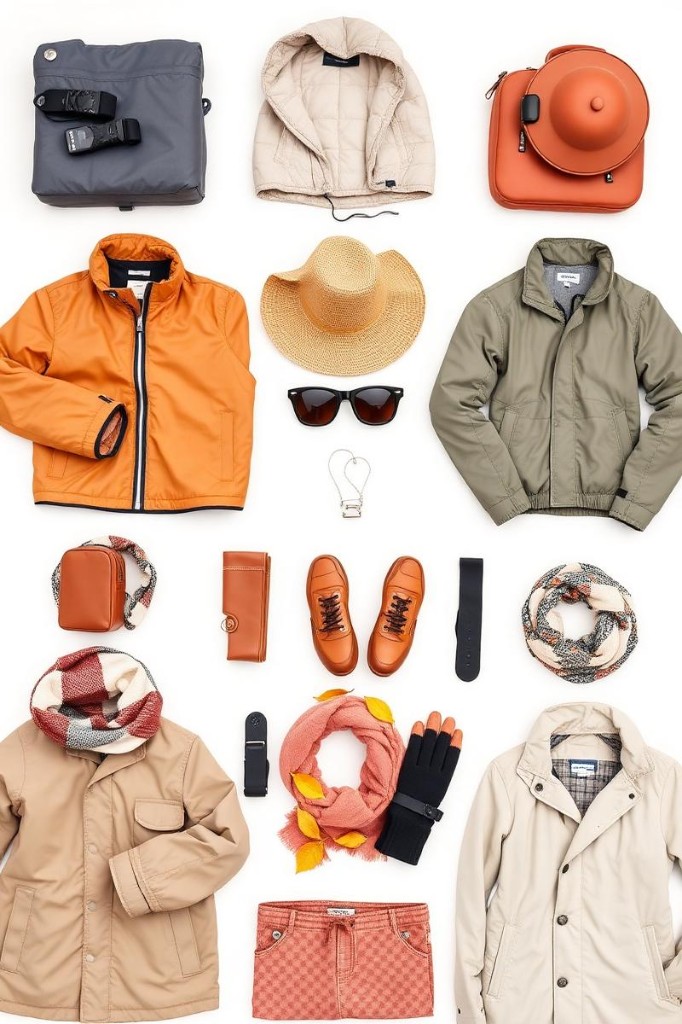
Dry season (May–October): • Lightweight walking shoes with non-slip soles (coral cliffs) • Lightweight long-sleeved t-shirts (sun protection) • Lightweight windbreaker for cool evenings (trade winds) • Swimsuit and snorkeling mask • High protection sunscreen (SPF 50+) • Hat and sunglasses are essential

Humid season (November–April): • Lightweight and compact rain cape • Waterproof shoes or quick-drying sandals • Quick-drying clothing • Mosquito protection (DEET repellent) • Lightweight layer for air-conditioned interiors

All year round: • Lightweight and waterproof backpack • Reinforced sun protection (reflection on coral) • Reusable water bottle (potable water is limited in Niue – treated rainwater)
Travel clothing and gear by season

💰 Seasonal budget

PeriodAccommodation (NZD/night)Transport (NZD/day)Restaurants (NZD/day)Attractions (NZD)Traffic
July–September (whales)150–30040–60 (car rental)60–100250 (whale swim)★★★★★
May–June (early dry season)100–20035–5550–8080–120★★★☆☆
October (Niue Show)120–22035–5550–8050–100★★★☆☆
November–December80–15030–5040–70Free–80★★☆☆☆
January–March (humid season)70–13030–5035–60Free–60★☆☆☆☆
April (transition)80–16030–5040–7050–100★★☆☆☆

💡 Money-saving tips

1. Book very early: Niue has only a few dozen rooms on the entire island – book your accommodation 4 to 6 months in advance for the whale season.
2. Opt for a homestay: Niuean host families offer rates well below lodges, with the added bonus of an authentic cultural immersion.
3. Car or bicycle rental: Cycling is the most economical option to explore villages near Makefu. A car remains essential for touring the island.
4. Markets and local cuisine: Do your shopping at the Alofi market (local fresh produce) and eat in small family restaurants rather than lodges.
5. Free natural sites: Natural pools, coastal trails, and sunsets on the cliffs of Makefu cost nothing and constitute the most beautiful experiences on the island.

🏥 Health and precautions

  • Intense sun: The island is close to the tropics – SPF 50+ sunscreen, reapplication every 2 hours is essential, even in cloudy weather.
  • Hydration: Potable water in Niue comes from rainwater collection – drink only bottled or treated water. Stay hydrated in high heat.
  • Mosquitoes and insects: Repellent is essential in the humid season, especially at dusk. Dengue risk is limited but present.
  • Coral cliffs: Coral is sharp – water shoes for any swimming in coral zones, never barefoot.
  • Limited pharmacy: Medical supply on Niue is very limited. Bring your complete personal pharmacy (prescriptions, first aid kit).
  • Cyclones: From December to March, monitor alerts from the Niue Meteorological Service. In case of alert, strictly follow local instructions.

Events in Makefu and Niue

Calendar of must-see events in Niue and Makefu

Despite its small size, Niue knows how to celebrate with intensity. Local events offer a rare Polynesian cultural immersion, punctuating the life of Makefu and neighboring villages throughout the year.

🐋 Niue Dive Festival – July

The Niue Dive Festival is THE annual meeting for divers from around the world who come to explore the crystal-clear waters of Niue, renowned for their exceptional visibility reaching up to 60 meters (197 feet). The event coincides with the arrival of the first humpback whales in Niuean waters. Workshops, organized dives, conferences, and festive evenings animate the entire island.

Location: Alofi and Niue waters (10 min from Makefu by car)

Special feature: Unique opportunity to swim with humpback whales as part of a festival organized with certified guides

Weather impact: Peak dry season, ideal conditions, high national and international attendance

Access: Flight from Auckland (Air New Zealand) or Samoa. Car or bicycle rental from Alofi.

Booking tip: Accommodation must be booked at least 6 months in advance – the island fills up quickly. Diving budget: 100–250 NZD/day.

🎪 Niue Show – October or November

The Niue Agricultural and Industrial Show is the most important cultural and popular event on the island. The village of Makefu, like all villages in Niue, participates in this great annual celebration mixing agricultural exhibitions, traditional crafts, Polynesian dances, culinary contests, and sports competitions. An authentic and joyful window into Niuean life.

Location: Alofi and Niue villages (including Makefu)

Special feature: Rare opportunity to witness traditional Niuean dances and taste local cuisine in an authentic festive setting

Weather impact: Transition to the humid season – some showers possible but pleasant heat. Strong local attendance.

Access: Via Alofi, then travel by car or bicycle between participating villages

Booking tip: Accommodation to be booked 2–3 months in advance. Excellent period to combine culture and the end of the diving season.

🎄 Niue Year-End Festivities – December

Despite the humid season, Christmas and New Year celebrations in Niue are moments of incomparable human warmth. The Niuean community, deeply connected to its Polynesian Christian traditions, organizes sung masses, community meals, and village parties. Makefu is adorned with handmade decorations and the atmosphere is festive despite tropical showers.

Location: Makefu Church and village community spaces

Special feature: Authentic Polynesian Christmas, sung masses in Niuean, sharing traditional dishes with locals

Weather impact: Start of the humid season – high heat and humidity, frequent tropical showers. Festive and warm atmosphere compensates for the weather.

Access: Festivities take place directly in the village of Makefu and its immediate surroundings

Booking tip: Few foreign travelers at this time – very authentic experience at attractive rates. Check with your accommodation to participate in community celebrations.

Seasonal events

Dry season (May–October): • Niue Dive Festival (July – Niue waters, diving and whales) • Official humpback whale watching (July–October – Makefu coastal waters) • Niue Show (October/November – Alofi and villages, culture and crafts) • Local fishing competitions (August–September – Niue coast)

Humid season (November–April): • Polynesian Christmas festivities (December – Makefu church and village) • New Year's celebrations (January 1st – Alofi and villages) • Niue National Day – Constitution Day (October 19, in seasonal transition) • Village cultural activities and crafts (all year round, intensification in low tourist season)

Traveling responsibly in Makefu

Visiting Makefu means entering one of the most preserved marine and terrestrial environments in the Pacific. Niue is recognized as a UNESCO Biosphere Reserve – a responsibility that every visitor must carry with respect and awareness for future generations.

Niue relies on low-impact tourism to protect its unique ecosystem. Visitors to Makefu are invited to respect protected marine areas, not to touch corals, to pick up their waste on coastal trails, and to prioritize local providers. The island's reception capacity is voluntarily limited to preserve the natural environment and the quality of life of the inhabitants.

🌱 Low-season advantages

Visiting Makefu in the low season (December to April) reduces pressure on fragile natural sites, economically supports local families all year round, allows for a more authentic and deep cultural experience, and helps avoid overcrowding of natural pools and coastal trails.

♻️ Sustainable travel tips

1. Zero marine waste: Do not leave any waste on beaches and trails – the island has a waste management system but resources are limited.
2. Respect protected marine areas: Never touch corals, do not feed fish, and scrupulously follow instructions when swimming with whales.
3. Prefer local providers: Certified Niuean guides, family homestays, local restaurants – every expense with locals directly supports the Makefu community.
4. Water and resources: Save water – Niue depends on rainwater. Avoid long showers and use your reusable water bottle.
5. Biodegradable sunscreen: Mandatory to protect corals in Niue's waters during snorkeling and diving sessions.
6. Walking and cycling: Prefer these modes of transport to explore villages near Makefu, reducing your carbon footprint on the island.

🏙️ Local sustainable initiatives

Niue is officially recognized as a UNESCO Biosphere Reserve – one of the first islands in the world to receive this distinction. The island voluntarily maintains a limited tourist capacity, prohibits certain chemicals harmful to corals, develops solar energy to reduce its dependence on fossil fuels, and supports traditional fishermen in sustainable practices. The village of Makefu actively participates in the preservation of Vaikona Chasm and the surrounding natural pools.

Our recommendations

Recommendations for your stay in Makefu and Niue

After analyzing the tropical climate of Niue, tourist traffic, and the event calendar, our recommendation clearly leans towards the dry season from July to September for a maximum experience. This window brings together the best weather conditions, the exceptional encounter with humpback whales, and the clarity of the waters for diving. For tighter budgets or travelers avoiding crowds, May-June or October offer an excellent compromise between weather quality and financial accessibility. Avoid planning your stay from January to March without first checking cyclonic forecasts.

Optimal period: July to September

Recommended months: July, August, September

  • Perfect weather conditions: mild temperatures (20–25°C / 68–77°F), maximum sunshine (9h/day), zero cyclonic risk
  • Swimming with humpback whales – unique experience in the world available only during this period
  • Record underwater visibility (up to 60 m / 197 ft) for diving and snorkeling
  • Niue Dive Festival in July: animation and international community of divers
  • Best light for nature photography (spectacular golden hour on the cliffs)

Key events: Niue Dive Festival (July), whale season (July–October)

Disadvantages: Accommodation to be booked 4–6 months in advance; rates at their highest of the year.

Ideal profile: Divers, photographers, nature lovers, couples, adventurous families

Recommended duration: 5 to 7 days minimum to enjoy the whales, diving, and village life of Makefu.

Interesting alternative: May–June or October

Alternative months: May, June, October

These transition months offer an excellent weather/price ratio. The dry season is well established (or still present), rainfall remains low, and temperatures are pleasant. In October, the Niue Show brings a rich cultural dimension, while May-June marks the arrival of the dry season with still moderate rates.

Specific advantages: Accommodation rates 20–30% lower than high season; less competition for diving activities; Niue Show in October for a unique cultural immersion; first or last whales of the season (October).

For whom: Budget-conscious travelers, local culture enthusiasts, couples wanting a more intimate experience, flexible travelers

👥 Tips for your travel style

🤿 Divers and sea lovers: July–September without hesitation. Stay in Alofi or in a homestay in Makefu. Book your diving and whale swimming trips as soon as you book your flight. Transport: car or scooter rental from Alofi.

👨‍👩‍👧 Families: July–August for perfect weather and whales. Prefer family lodges with kitchen available. Activities: natural pools (Limu Pools), short hikes, village life.

💰 Tight budget: May–June or October. Niuean homestay (~70–100 NZD/night). Bicycle for getting around. Picnics with produce from the Alofi market. Prioritize free natural sites.

🌿 Eco-travelers: Entire dry season. Respect the UNESCO Biosphere Reserve. Choose certified local guides and accommodations committed to the sustainable approach.

📸 Photographers: July–September for the light, whales, and water clarity. Golden hour on the cliffs of Makefu: essential. Underwater equipment highly recommended.

✈️ First trip to Niue: August is ideal: perfect weather, whales present, Dive Festival passed (less crowd), all activities available.

Periods to avoid: January to March

Not recommended months: January, February, March

Reasons: Significant cyclonic risk that can lead to the cancellation of flights and water activities; heavy rainfall (220–260 mm/month); very high uncomfortable humidity; reduced underwater visibility; few activities available; possible closure of some tourist providers.

Nuances: Adventurous travelers and those very experienced in tropical travel can find an authentic wild beauty on the island during this period, provided they monitor cyclonic alerts and accept weather constraints. Rates are at their lowest of the year.

Villes du même pays

All cities

Frequently Asked Questions

Are you planning your trip to Makefu and Niue? Here are the answers to essential questions to organize your stay with peace of mind according to the climate and your desires.

What is the best month to visit Makefu?

The best month to visit Makefu is August, in the heart of the dry season. The sky is clear, temperatures are mild, ranging between 20°C and 24°C (68°F–75°F), and humpback whales are present in large numbers in Niue's waters. Underwater visibility often exceeds 50 meters (164 feet), ideal for diving. July also offers excellent conditions with the Niue Dive Festival, while September remains very pleasant with slightly more accessible rates. Avoid January to March due to the cyclonic risk.

How many days should I plan for Makefu and Niue?

Plan for at least 5 days to truly appreciate Makefu and the island of Niue. Three days cover the essentials (diving, natural pools, village life), but 7 days are ideal for alternating water activities, coastal hikes, cultural visits, and contemplation. If you are aiming to swim with whales, count on at least 5–7 days to maximize your chances of an encounter at sea. The Niuean island rhythm invites you to slow down – take advantage of it!

What to do in Makefu when it rains?

A tropical shower in Makefu is rarely a disaster! The caves and canyons of Vaikona Chasm offer protected and fascinating exploration. The village's historic church is worth a visit. Head to Alofi for the small local museum, restaurants, and market. At your homestay, it is the perfect opportunity to learn traditional Niuean cooking or discover local crafts. Tropical showers are often brief – patience is your best ally.

What events should not be missed in Makefu and Niue?

Three events deserve special attention. The humpback whale season (July–October) offers unique swimming experiences. The Niue Dive Festival (July) brings together divers from all over the world to celebrate Niue's exceptional seabed. The Niue Show (October–November) is the most authentic popular cultural event on the island, with dances, crafts, and traditional cuisine. Finally, the Polynesian Christmas celebrations (December) offer a rare cultural immersion for adventurous travelers.

What budget should I plan for Makefu depending on the season?

The budget varies significantly depending on the season. In high season (July–September), expect 200–400 NZD/day per person (accommodation, meals, swimming with whales). In mid-season (May–June, October), the budget drops to 130–250 NZD/day. In low season (November–April, excluding cyclones), stays at 80–150 NZD/day are possible with a homestay and free activities. Note that the flight from Auckland (main access point) often represents the largest expense – plan your flight booking in advance.