When to visit Amboseli National Park? Safari Guide

Discover the ideal time to observe elephants and admire Kilimanjaro in all its splendor.

  • Not applicable population
  • Swahili, English language
  • 45 days rainy days/year
  • June to October best time to visit
  • 2 to 4 days recommended stay

Amboseli Park Climate

Understanding the semi-arid climate of Amboseli National Park

Amboseli National Park enjoys a tropical semi-arid climate influenced by its proximity to Mount Kilimanjaro. Variations in altitude create microclimates that foster exceptional biodiversity in this unique ecosystem.

  • Swamp Zone: Humid microclimate fed by underground springs from Kilimanjaro
  • Arid Plains: Drier zone with sparse vegetation, a preferred habitat for large mammals
MonthMin Temp (°C / °F)Max Temp (°C / °F)Precipitation (mm / in)Sunshine (h/day)Tourist TrafficRecommended Activities
January15°C / 59°F28°C / 82°F45mm / 1.8in9★★★★Safari, photography
February16°C / 61°F29°C / 84°F35mm / 1.4in9★★★★Wildlife viewing
March17°C / 63°F30°C / 86°F65mm / 2.6in8★★★Morning safari
April18°C / 64°F28°C / 82°F195mm / 7.7in6★★Bird watching
May17°C / 63°F26°C / 79°F155mm / 6.1in6★★Landscape photography
June14°C / 57°F25°C / 77°F25mm / 1.0in8★★★★★Optimal safari
July13°C / 55°F24°C / 75°F15mm / 0.6in8★★★★★Elephant viewing
August13°C / 55°F25°C / 77°F20mm / 0.8in8★★★★★Photographic safari
September14°C / 57°F27°C / 81°F25mm / 1.0in8★★★★★Kilimanjaro views
October16°C / 61°F28°C / 82°F55mm / 2.2in8★★★★Safari, hiking
November17°C / 63°F27°C / 81°F125mm / 4.9in7★★★Migration viewing
December16°C / 61°F27°C / 81°F85mm / 3.3in8★★★★Family safari

The altitude of 1,200 meters / 3,937 feet moderates temperatures, while Kilimanjaro influences precipitation and creates spectacular morning mists.

The Seasons

Safari by conditions

Optimize your safari experience by adapting your activities to weather conditions to maximize your wildlife sightings.

☔ In rainy weather

Protected activities

Tropical showers offer unique viewing opportunities from your safari vehicle.

Recommended sites:
🦏 Ol Tukai Lodge viewing (2h) - Natural shelter
🐘 Enkongo Narok waterhole - Intense animal activity
🦅 Central swamps - Exceptional ornithology
📸 Observation Hill - Dramatic panoramas
🏕️ Camps with restaurant - Comfortable break

Practical tip: Animals are more active during and after rain

Tip: Photograph reflections in temporary puddles
☀️ In good weather

Optimal safari

Ideal conditions for wildlife viewing and Kilimanjaro photography.

Must-see sites:
🏔️ Kilimanjaro viewpoint - Magical sunrise
🐘 Elephant herds - Close-up viewing
🦁 Central plains - Active predators
🦒 Acacia zone - Giraffes and antelopes
🦅 Dried Amboseli Lake - Migratory birds

Best time: 6 AM-9 AM and 4 PM-6 PM to avoid heat

Seasonal tip: June to October for optimal conditions

🌤️ Mixed conditions

Versatile

Sites adapted to all weather conditions.

Flexible zones:
🌿 Permanent swamps - Always accessible
🏞️ Elevated trails - Clear view
🦌 Artificial waterholes - Constant activity

Weather tip: Start with protected areas then adapt as conditions evolve

Typical itinerary: Swamps (morning) → Plains (midday) → Hills (evening)

🎯 Amboseli specialties

Unique experiences

Must-do:
🐘 Super Tuskers - Elephants with giant tusks
🏔️ Kilimanjaro view - Snow-capped peak at sunrise
🦅 Over 400 bird species recorded
👥 Maasai community meeting - Authentic culture

Best period: Dry season for maximum visibility

Timing tip: Book 3-4 days for a complete experience

Practical Guide

Prepare your safari with our essential tips adapted to the climatic and logistical specifics of Amboseli National Park for an optimal experience.

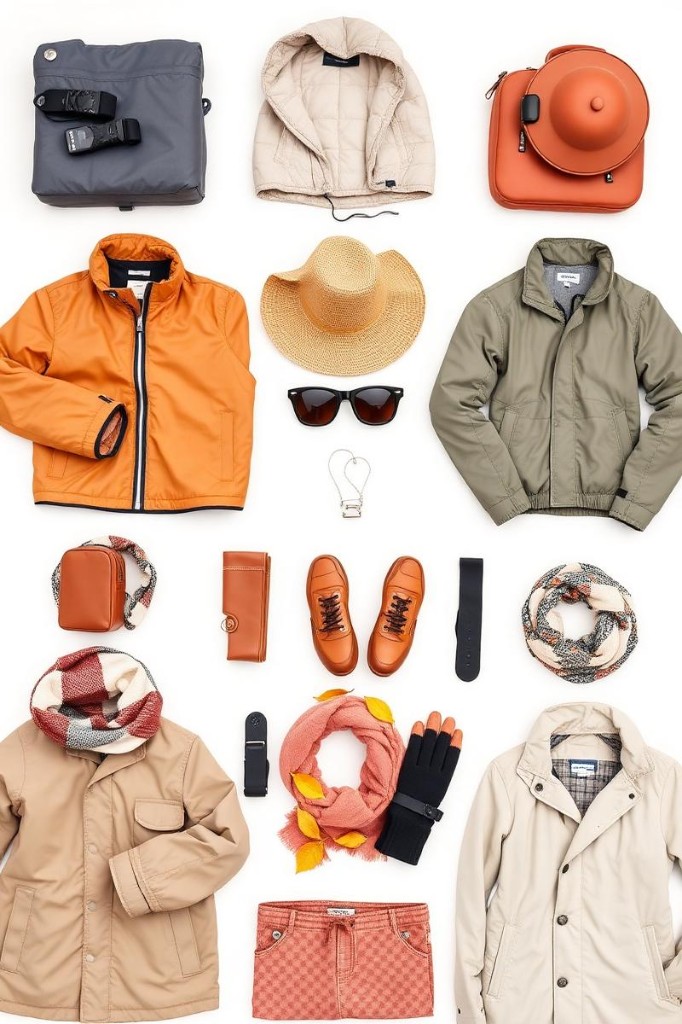
👕 Seasonal packing

Dry season (June-Oct): • Lightweight neutral-colored clothing • Fleece for cool mornings • Hat and sunglasses • Closed dust-proof shoes

Rainy season (Apr-May): • Lightweight waterproof jacket • Quick-dry clothing • Waterproof shoes • Plastic bags for equipment

Transition (Jan-Mar, Nov-Dec): • Layered clothing • Enhanced sun protection • Adaptability to changing weather
Travel clothing and gear by season

💰 Seasonal budget

PeriodLodge/Camp (€/night)Park Entrance (€/day)Safari Guide (€/day)Transport (€)Traffic
High season (Jun-Oct)200-50080150-250100-150★★★★★
Mid-season (Jan-Mar, Nov-Dec)150-35080120-20080-120★★★
Low season (Apr-May)100-25080100-15060-100★★

💡 Money-saving tips

Book 6 months in advance for preferential rates • Opt for cheaper peripheral camps • Share guide and vehicle with other travelers • Favor half-board over full-board packages • Negotiate multi-day packages with local operators

🏥 Health and precautions

• Enhanced sun protection at 1,200m / 3,937ft altitude • Constant hydration due to dry air • Mosquito repellent for swampy areas • First aid kit for relative isolation • Sufficient personal medication • Medical evacuation insurance recommended

Natural Events

Calendar of exceptional natural phenomena in Amboseli

Amboseli National Park offers unique natural spectacles punctuated by seasons and animal migrations that enrich the safari experience.

🐘 Elephant Migration (June-October)

Exceptional gathering of elephant herds around the permanent springs of Amboseli. Over 1,500 individuals congregate in the park, offering unique viewing scenes.

Location: Central swamps and Ol Tukai waterholes

Special feature: Viewing the famous 'Super Tuskers' with giant tusks

Climate impact: Dry season concentrates animals, optimal visibility

Access: All safari circuits include these prime areas

Tip: Lodge booking 6 months in advance is essential

🏔️ Kilimanjaro Visibility (June-September)

Optimal period to admire the snow-capped peak of Kilimanjaro standing majestically above the savanna. Clear mornings offer breathtaking panoramas for photography.

Location: Observation hills and central plains

Special feature: Sunrise illuminating the eternal snows

Climate impact: Clear skies in dry season, spectacular morning mists

Access: Viewpoints accessible by 4x4 vehicle

Tip: Start safari at 6 AM for optimal golden light

🦅 Ornithological Migration (November-March)

Massive arrival of European and Asian migratory birds transforming Amboseli into an ornithological paradise. Over 400 species recorded during this exceptional period.

Location: Wetlands and permanent swamps

Special feature: Rare and endemic species observable

Climate impact: Transition seasons favor avian biodiversity

Access: Walking trails accompanied by an ornithologist guide

Tip: High-quality binoculars and a specialized guide are recommended

Seasonal events

Dry season: • Nighttime gatherings around waterholes (June-October) • Intensified predator activity (July-September) • Spectacular Kilimanjaro cloud formations (August)

Rainy season: • Mammal births (January-March) • Yellow acacia blooms (April-May) • Dramatic tropical storms (November-December) • Underground spring recharging (April-May)

Responsible Safari

Adopt an eco-friendly approach to your Amboseli safari to preserve this fragile ecosystem and support local Maasai communities.

Amboseli National Park faces major environmental challenges: recurring droughts, population pressure, and human-wildlife conflicts. Your choice of responsible tourism contributes directly to the conservation of this unique elephant habitat and the sustainable development of surrounding Maasai communities.

🌱 Low-season advantages

Visiting during the rainy season reduces tourist pressure, allows for more accessible rates for local operators, decreases impact on fragile tracks, and offers a more authentic experience of the wilderness.

♻️ Sustainable travel tips

• Choose certified eco-lodges using renewable energy • Respect minimum 25m / 82ft safety distances from wildlife • Favor local Maasai guides for direct economic benefits • Avoid single-use plastics, use reusable water bottles • Participate in elephant conservation and reforestation projects • Buy authentic crafts from local communities

🏙️ Local sustainable initiatives

Amboseli is developing innovative programs: protected migration corridors, community solar wells, Maasai eco-guide training, indigenous tree nurseries, SMS-based human-wildlife conflict alert systems, and beekeeping projects as alternatives to intensive livestock farming.

Our Recommendations

Personalized recommendations for your Amboseli safari

Our climate analyses and field observations reveal the optimal periods for each type of safari experience. Animal concentration, Kilimanjaro visibility, track conditions, and tourist traffic vary drastically by season, directly influencing the quality of your stay in this Kenyan gem.

🏆 Optimal period: July-September

Advantages:
• Maximum elephant concentration around waterholes
• Exceptional visibility of Mount Kilimanjaro at sunrise
• Stable and predictable weather conditions
• Tracks in excellent condition for all vehicles
• Viewing facilitated by sparse vegetation

Key events: Elephant migration, optimal photography season

Disadvantages: High traffic, peak prices

Ideal profile: First-time visitors, photographers, families with children

Stay duration: 3-4 days recommended

⚖️ Balanced alternative: January-February

Excellent compromise between favorable weather conditions, lower traffic, and more accessible prices. Pleasant temperatures and good probability of Kilimanjaro viewing.

Specific advantages: Fewer safari vehicles, intermediate prices, animal births

For whom: Experienced travelers, couples, moderate budgets

👥 Tips for your travel style

Family: July-August, lodges with pool, short morning safaris

Budget: January-February, peripheral camps, group packages

Photography: June-September, Kilimanjaro sunrise, telephoto lenses

Ornithology: November-March, specialized guides, binoculars

Honeymoon: September-October, luxury lodges, private safaris

First safari: July-August, experienced guides, comfortable vehicles

⚠️ Delicate periods: April-May

Reasons: Intense rains making some tracks impassable, reduced Kilimanjaro visibility, dense vegetation limiting viewing

Nuances: Exceptional period for passionate ornithologists and landscape photographers

Villes du même pays

All cities

Frequently Asked Questions

Answers to essential questions to plan your optimal safari at Amboseli National Park according to your expectations and constraints.

What is the best month to visit Amboseli National Park?

July to September represents the optimal period combining maximum elephant concentration, exceptional visibility of Kilimanjaro, and stable weather conditions. For better value, favor January-February with fewer crowds but excellent viewing conditions. Avoid April-May (intense rainy season) except for specialized bird watching.

How many days should I plan for Amboseli?

3 to 4 days allow for a complete discovery of the park without rushing. 2 days are enough for a first glimpse, while 5-6 days suit enthusiasts wishing to explore all ecosystems and maximize chances for rare sightings. Allow an extra day if you include a cultural visit with the Maasai, which is enriching for understanding traditional coexistence with wildlife.

What to do in Amboseli in case of rain?

Tropical showers offer unique opportunities! Observe from your vehicle the intense activity of animals enjoying the fresh water. Central swamps remain accessible and reveal exceptional wildlife. Photograph dramatic landscapes under storm clouds and reflections in temporary puddles. Lodges offer cultural activities and conservation lectures during weather breaks.

What events should not be missed in Amboseli?

The elephant migration (June-October) is the major spectacle with over 1,500 individuals concentrated. Don't miss the sunrises over Kilimanjaro (June-September), the bird migration (November-March) with 400+ species, and animal births (January-March). Spectacular late-day storms (November-December) offer unforgettable dramatic scenes for experienced photographers.

What budget should I plan according to the season?

Expect €400-€800/day in high season (June-October) including lodge, safaris, and park entrance fees. Mid-season (January-March, November-December) allows savings of 30%, i.e., €280-€560/day. Low season (April-May) offers the best rates at €200-€400/day but with weather constraints. Add €150-€200 for transport from Nairobi and €50-€100 for Maasai cultural activities depending on the chosen standard.