When to visit Lamu? City-Trip Guide

Discover the Swahili pearl of Kenya according to the seasons for an optimal authentic experience.

  • 25,000 population
  • Swahili, English language
  • 85 days rainy days/year
  • June to September best time to visit
  • 3 to 5 days recommended stay

Tropical Climate of Lamu

Understanding the equatorial island climate of Lamu

Lamu enjoys a tropical equatorial climate influenced by the Indian Ocean and the monsoon. This historic island features consistent temperatures throughout the year, moderated by trade winds and seasonal rainfall that transform the atmosphere of this UNESCO-listed Swahili city.

  • Coastal zone: Climate moderated by sea breezes with consistent temperatures
  • Historic center: Urban microclimate with narrow streets offering natural coolness
  • Eastern beaches: The windiest and most refreshing area of the archipelago
MonthMin (°C / °F)Max (°C / °F)Precipitation (mm / in)Sunshine (h/day)Tourist TrafficRecommended Activities
January24°C / 75°F32°C / 90°F25mm / 1.0in9★★★★Beaches, dhow sailing
February25°C / 77°F33°C / 91°F15mm / 0.6in9★★★★Old Town exploration
March26°C / 79°F34°C / 93°F45mm / 1.8in8★★★Museums, architecture
April26°C / 79°F32°C / 90°F195mm / 7.7in6★★Indoor activities
May25°C / 77°F30°C / 86°F280mm / 11.0in5Local culture, crafts
June23°C / 73°F29°C / 84°F85mm / 3.3in6★★Walking, photography
July22°C / 72°F28°C / 82°F65mm / 2.6in6★★★Water sports
August22°C / 72°F28°C / 82°F55mm / 2.2in6★★★Festivals, diving
September23°C / 73°F29°C / 84°F45mm / 1.8in7★★Hiking, sailing
October24°C / 75°F31°C / 88°F85mm / 3.3in8★★Island hopping
November25°C / 77°F32°C / 90°F145mm / 5.7in8★★★Gastronomy, markets
December25°C / 77°F32°C / 90°F65mm / 2.6in9★★★★Celebrations, relaxation

As Lamu Island is relatively flat (maximum altitude 20m / 66ft), climatic variations are primarily influenced by oceanic proximity and wind orientation rather than altitude.

The Seasons

Must-sees by weather

Optimize your discovery of Lamu by adapting your visits to weather conditions for a perfectly orchestrated urban experience.

☔ In cloudy/rainy weather

Indoor & protected

Take advantage of the bad weather to discover the exceptional cultural heritage of this thousand-year-old Swahili city.

Recommended sites:
🏛️ Lamu Museum (2h, 500 KES, all year)
🕌 Riyadha Mosque (1h, free, respect prayer times)
🏠 Traditional Swahili House (1.5h, 300 KES)
🎨 Local art galleries (1h, 200-400 KES)
📚 German Cultural Library (free)
🛍️ Covered craft markets (2h, negotiation)
🍽️ Traditional covered terrace restaurants

Practical tip: Booking recommended for guided tours of historic houses
Extra tip: Combine several sites in the historic center on foot under the arcades

☀️ In good weather

Optimal outdoor

The tropical sun reveals all the splendor of the marine landscapes and Swahili architecture.

Recommended sites:
🏖️ Shela Beach (half-day, free, sunrise/sunset)
⛵ Traditional dhow sailing (3h, 2000 KES)
🏰 Panoramic Lamu Fort (1.5h, 200 KES)
🌊 Manda/Pate islands excursion (full day)
🐢 Sea turtle observation (2h, 1500 KES)
📸 Waterfront and architecture from the sea
🚶 Historic waterfront promenade

Best time of day: Sunrise 6:30 AM and golden hour 5:30 PM-6:30 PM
Seasonal tip: Avoid 12 PM-3 PM in the hot season, prefer June-September

🌤️ Versatile for any weather

Flexible

Adaptable sites offering covered shelters and outdoor spaces depending on conditions.

Recommended sites:
🏘️ UNESCO Old Town (covered passages/open squares)
🎭 Lamu Cultural Center (indoor/garden)
🍴 Modulable terrace restaurants
⛪ Mixed religious sites (courtyards/interiors)
🛒 Traditional souks (covered/open)

Weather tip: Start outdoors if sunny, retreat indoors if weather degrades
Example itinerary: Morning Old Town → covered lunch → afternoon according to weather

💰 Free or economical

No cost

Free sites:
🚶 Wandering the UNESCO Old Town
🌅 Waterfront sunrise/sunset
🏖️ Public beach access
👥 Observing local market life
📿 Mosques (exterior, respect)

Free days: Some museums offer free access to local residents
Budget tips: Panoramas from restaurant terraces (with purchase), local markets with negotiated prices

Practical Guide

Prepare your stay in Lamu by adapting equipment and budget to tropical climatic specificities and the unique island lifestyle of this authentic destination.

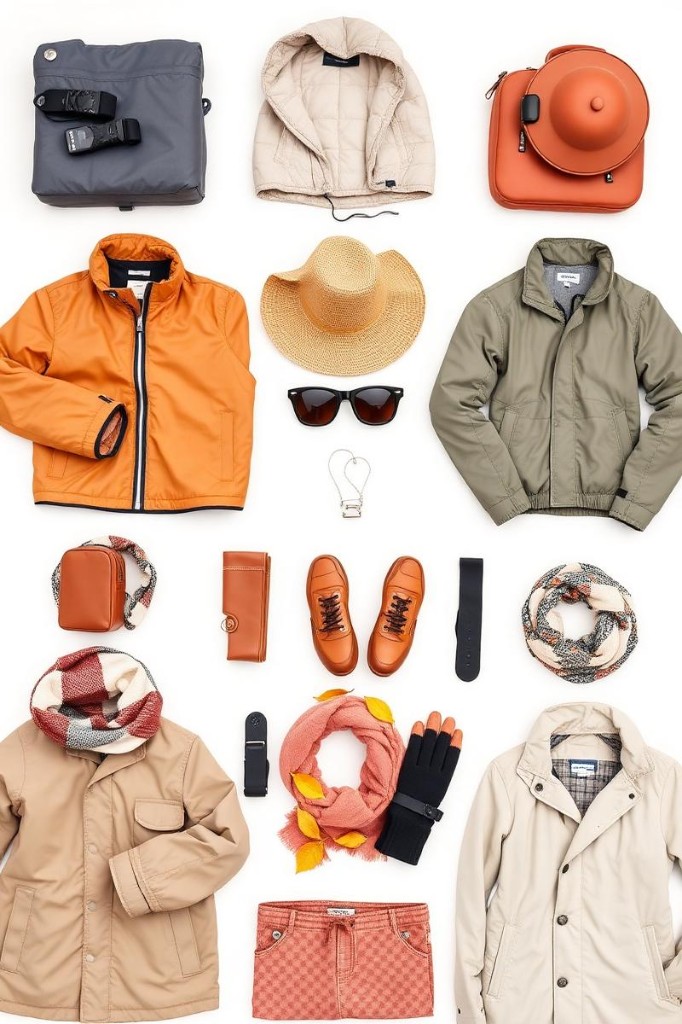
👕 Seasonal packing

Hot dry season (Dec-Mar): • Lightweight cotton/linen clothing • Hat/cap essential • UV sunglasses • Comfortable walking sandals • Quick-dry swimwear

Cool dry season (Jun-Sep): • Layered clothing for day/evening • Light windbreaker for sailing • Closed-toe shoes for walking • Moderate sun protection

Rainy seasons: • Quality compact raincoat • Waterproof grip shoes • Quick-dry clothing • Waterproof bag for electronics • Sturdy windproof umbrella
Travel clothing and gear by season

💰 Seasonal budget

PeriodCenter Accommodation (€/night)Transport (€/day)Restaurants (€/day)Attractions (€)Traffic
Dec-Mar80-20015-2525-4520-40★★★★
Apr-May40-8010-1515-2515-25
Jun-Sep50-12012-2020-3518-30★★★
Oct-Nov45-9010-1818-3015-28★★

💡 Money-saving tips

• Systematic negotiation at markets and for local transport • Local restaurants vs tourist ones (40-60% savings) • Authentic family guesthouses • Group water activities for tiered pricing • Shared dhow transport is more economical than private

🏥 Health and precautions

• Enhanced sun protection (ocean reflection) • Constant hydration in tropical climate • Mosquito repellent during humid seasons • Closed shoes to prevent coral cuts • Basic pharmacy (anti-diarrheal, antiseptic) • Yellow fever vaccination recommended

Cultural Events

Essential events calendar for Lamu

Swahili festivals define the cultural life of Lamu, transforming this historic city into a living theater of Indian Ocean traditions.

🎭 Lamu Cultural Festival (November)

A major celebration of Swahili culture blending traditional taarab music, poetry, ngoma dance, and local crafts. Exceptional atmosphere in the historic alleys with evening performances and artisan markets.

Location: Historic center, Lamu Fort, waterfront
Key feature: The only authentically local festival without commercial influence
Climate impact: Intense evening activity, accommodation booking required 3 months in advance
Transport access: Additional Nairobi-Lamu flights, special dhows from neighboring islands
Planning tip: Book accommodation from July, budget 50% higher

🕌 Maulidi (Prophet's Birthday Celebration)

A major religious pilgrimage attracting followers from across the Indian Ocean. Intense spiritual atmosphere with Quranic recitations, evening processions, and exceptional community hospitality.

Location: Riyadha Mosque, Old Town streets
Key feature: Oldest continuous religious festival in East Africa
Climate impact: Complete transformation of urban atmosphere, strict respect for traditions
Transport access: International influx, transport saturation
Planning tip: Respect dress codes, book well in advance

⛵ Traditional Dhow Regattas (December-January)

Spectacular competitions of traditional sailing boats in the Lamu channel. Unique festive atmosphere mixing sport, maritime tradition, and community celebrations on the historic waterfront.

Location: Lamu-Shela Channel, main waterfront
Key feature: Last authentic dhow competition in the world
Climate impact: Daytime waterfront activity, crowded restaurant terraces
Transport access: Observe from terraces or rent a spectator dhow
Planning tip: Book sea-view restaurants, arrive early for the best spots

Seasonal events

Hot dry season: • Swahili New Year (January) • Dhow Regattas (December-January) • Taarab music festivals (February)

Rainy season: • Ramadan celebrations (variable) • Local craft festivals (May) • Intimate cultural events

Cool dry season: • Main Cultural Festival (November) • Kenya Independence celebrations (June) • Photography events (September)

Responsible Tourism

Preserve the authenticity of Lamu by adopting tourism that respects this fragile UNESCO-listed city and its thousand-year-old traditions.

Lamu requires a particularly respectful tourist approach: prohibition of motorized vehicles, preservation of Swahili architecture, respect for Islamic traditions, support for the authentic local economy, protection of the fragile marine ecosystem, and limiting impact on the resident community of 25,000 inhabitants.

🌱 Low-season advantages

Visiting during the rainy season drastically reduces tourist pressure, allows for an authentic cultural immersion, supports the local economy during difficult periods, and protects fragile sites from over-tourism.

♻️ Sustainable travel tips

• Exclusive transport on foot/traditional dhow respecting local rhythm • Accommodation in family guesthouses vs international hotels • Local restaurants with authentic Swahili cuisine • Direct crafts from artisans without intermediaries • Certified local guide for cultural understanding • Strict respect for religious dress codes

🏙️ Local sustainable initiatives

Lamu is developing pioneering ecotourism: preservation of UNESCO architecture, training of local guides, sea turtle protection, sustainable fishing, renewable energy, enhanced waste management, and educational programs for preserving Swahili culture for younger generations.

Our Recommendations

Recommendations for your stay in Lamu

After analyzing climatic data, tourist traffic, and cultural events, our recommendations prioritize the balance between favorable weather conditions, cultural authenticity, and budget impact. Lamu reveals its most beautiful side through an approach that respects the island rhythm and local traditions.

🌟 Optimal Period: June to September

Recommended months: June, July, August, September

Advantages:
• Ideal temperatures of 22-29°C / 72-84°F without excessive heat
• Constant refreshing trade winds
• Excellent weather/traffic/price balance
• Optimal conditions for water sports
• Authenticity preserved without over-tourism

Key events: Independence celebrations (June), local cultural festivals
Disadvantages: Sometimes cloudy skies, strong winds on certain days
Ideal profile: Travelers seeking authenticity and pleasant weather conditions
Stay duration: 4-5 days recommended

💡 Interesting Alternative: October-November

Alternative months: October, November

Description: Excellent compromise between the end of the rainy season and the return of favorable conditions with the major Cultural Festival in November.

Specific advantages: Attractive rates, authentic Cultural Festival, gradually improving weather, moderate traffic
For whom: Swahili culture enthusiasts, intermediate budgets, photographers

👥 Tips for your travel style

Family: June-August, family guesthouse accommodation, safe beach activities, dhow transport suitable for children

Budget: October-November, local guesthouses, popular restaurants, transport negotiation

Culture: November (Festival), certified local guides, immersion in residential neighborhoods, meeting artisans

Romantic: July-August, sea-view accommodation, sunset dhow sailing, waterfront terrace restaurants

Weekend: Any dry season, direct flight from Nairobi, condensed program of Old Town + beaches

First trip: June-September, French-speaking guide, historic center accommodation, balanced culture/relaxation program

⚠️ Periods to avoid: April-May

Recommended months to avoid: April, May

Reasons: Intense daily tropical rains, extreme humidity, impossible water activities, disrupted transport
Nuances: Acceptable for very tight budgets and authentic culture enthusiasts

Villes du même pays

All cities

Frequently Asked Questions

Answers to essential questions to plan your discovery of Lamu according to optimal weather conditions.

What is the best month to visit Lamu?

June to September offers the optimal balance: pleasant temperatures of 22-29°C / 72-84°F, refreshing winds, calm seas for dhow sailing, and preserved authenticity without over-tourism. Avoid April-May (intense rains) and December-February (excessive heat + peak crowds). November is an excellent alternative with the major Cultural Festival.

How many days should I plan for Lamu?

4-5 days minimum allow for a balanced discovery: 2 days in the UNESCO Old Town + Swahili heritage, 1 day excursion to neighboring islands (Manda/Pate), 1-2 days for beaches and water sports. Culture enthusiasts can extend to 7 days for a full immersion. The island rhythm naturally invites slowness and contemplation.

What to do in Lamu when it rains?

Tropical rains reveal the indoor charm of Lamu: exceptional historical museum, traditional Swahili houses, local art galleries, historic mosques, craft workshops (carving, weaving), covered terrace restaurants with authentic cuisine, and cultural libraries. Showers are often short and refreshing.

Which events should not be missed in Lamu?

Lamu Cultural Festival (November): major authentic Swahili celebration. Maulidi: historic religious pilgrimage (variable dates). Dhow Regattas (December-January): spectacular traditional sailing competitions. Each event transforms the urban atmosphere and requires very early accommodation booking.

What budget should I expect depending on the season?

High season (Dec-Mar): €120-200/day (accommodation €80-200, meals €25-45). Optimal season (Jun-Sep): €80-150/day. Rainy season (Apr-May): €50-90/day (budget-friendly). Include Nairobi-Lamu transport (€100-200), water activities (€20-40), and a 50% surcharge during festivals. Negotiation is possible in low seasons.