When to visit Mombasa? City-Trip Guide

Discover the pearl of the Indian Ocean with its paradisiacal beaches, rich Swahili culture, and tropical climate with contrasting seasons.

  • 1.2 M population
  • Swahili, English language
  • 85 days rainy days/year
  • December to March best time to visit
  • 4 to 7 days recommended stay

Climate and Weather in Mombasa

Understanding the tropical equatorial climate of Mombasa

Mombasa enjoys a humid tropical climate influenced by the Indian Ocean and monsoon winds. Its proximity to the equator ensures stable temperatures year-round, while the moderating oceanic effect tempers extremes. The urban heat island effect remains moderate thanks to constant sea breezes.

  • Coastal Zone: Humid tropical climate with refreshing sea breezes
  • Historic City Center: Slightly warmer with a moderate urban effect
  • Port Areas: Higher humidity due to maritime activity
MonthMin Temp (°C / °F)Max Temp (°C / °F)Precipitation (mm / in)Sunshine (h/day)Tourist TrafficRecommended Activities
January24 / 7532 / 9025 / 1.09★★★★★Beaches, diving, old town
February24 / 7532 / 9015 / 0.69★★★★★Water sports, safaris
March25 / 7733 / 9145 / 1.88★★★★☆Cultural discovery
April25 / 7731 / 88195 / 7.76★★☆☆☆Museums, shopping malls
May24 / 7530 / 86285 / 11.25★★☆☆☆Spas, local gastronomy
June23 / 7329 / 8495 / 3.76★★★☆☆Guided tours, markets
July22 / 7228 / 8275 / 3.06★★★★☆Whale watching
August22 / 7228 / 8265 / 2.66★★★★☆Festivals, nightlife
September23 / 7329 / 8485 / 3.37★★★☆☆Hiking, excursions
October24 / 7530 / 86125 / 4.97★★★☆☆Photography, sunsets
November25 / 7731 / 88155 / 6.18★★☆☆☆Street food, crafts
December25 / 7732 / 9045 / 1.89★★★★★Celebrations, diving

As altitude variations are minimal (sea level to 50m / 164ft), the impact on temperatures remains negligible. Only the immediate proximity to the ocean significantly influences the microclimate.

Seasons in Mombasa

Attractions by Weather

Optimize your stay by choosing your activities according to weather conditions. Mombasa offers a diversity of attractions adapted to every meteorological situation.

☔ In cloudy/rainy weather

Indoor & Sheltered

Rainy days reveal the authentic charm of Mombasa through its covered spaces and architectural heritage.

Recommended Sites:
🏰 Fort Jesus - Historical Museum (2-3h, 500 KSh, all year)
🕌 Old Town Mosques - Swahili architecture (1h, free, respect dress codes)
🛍️ Covered Spice Market - Sensory experience (1-2h, negotiation, morning)
🏛️ Mombasa Memorial Cathedral - Colonial architecture (30min, free)
🎭 Swahili Cultural Centers - Traditional shows (2h, 300-800 KSh)
🍽️ Traditional Restaurants - Authentic local cuisine (1-2h, 500-2000 KSh)

Practical Tip: Book guided tours online, avoid peak hours 10 AM-2 PM

Extra Tip: Combine Fort Jesus with the old town for a complete historical tour

☀️ In good weather

Optimal Outdoors

Tropical sun reveals all the splendor of coastal landscapes and open-air historical sites.

Recommended Sites:
🏖️ Nyali and Bamburi Beaches - Relaxation and water sports (half-day, free/paid equipment)
🐠 Mombasa Marine Park - Snorkeling and diving (full day, 1500-3000 KSh)
🌴 Haller Park - Urban nature reserve (2-3h, 1000 KSh, 8 AM-6 PM)
🚢 Dhow Excursions - Traditional sailing (3-4h, 2000-4000 KSh)
🏛️ Gedi Ruins - Archaeological site (2h, 500 KSh, morning recommended)
🌅 Ras Serani Lighthouse - Oceanic panorama (1h, free access, sunset)

Best Time of Day: Sunrise 6 AM-8 AM and late afternoon 4 PM-6 PM to avoid intense heat

Seasonal Tip: December to March is optimal, avoid 11 AM-3 PM in hot weather

🌤️ All-weather versatile

Flexible

These attractions adapt perfectly to changing weather thanks to their mixed spaces.

Recommended Sites:
🏪 Modern Shopping Malls - Nyali Cinemax, Castle Royal (3-4h, air-conditioned)
🍴 Food Courts and Covered Restaurants - Terraces with awnings (flexible)
🎪 Cultural Centers with covered spaces - Adaptable according to weather

Weather Tip: Start outdoors in the morning, retreat indoors in case of a downpour

Example Itinerary: Morning beach/old town → covered lunch → afternoon museum/shopping depending on weather

💰 Free or economical

No Cost

Free Sites:
🕌 Historic Mosques - Authentic Swahili architecture
🏖️ Public Beaches - Free access to sandy stretches
🚶 Old Town Walks - Architectural discovery
🌅 Panoramic Viewpoints - Spectacular sunsets

Free Days: Some museums offer discounts on Sundays for residents

Budget Tips: Local markets for crafts, matatu transport, authentic street food

Practical Guide

Prepare for your stay in Mombasa with our tips adapted to the tropical climate and the specifics of this Kenyan coastal destination. From equipment to seasonal budgets, optimize your urban experience.

👕 Seasonal packing

Hot Dry Season (Dec-Mar): • Lightweight cotton and linen clothing • Hat and sunglasses are essential • Closed shoes for cultural visits • Swimwear and sarongs

Long Rainy Season (Apr-May): • Lightweight raincoat and compact umbrella • Non-slip waterproof shoes • Quick-dry clothing • Waterproof bag for electronics

Cool Season (Jun-Sep): • Light sweater for evenings • Windbreaker for marine excursions • Comfortable walking shoes • Lightweight rain jacket

Short Rainy Season (Oct-Nov): • Versatile clothing • Occasional rain protection • Multi-purpose shoes • Adaptable accessories
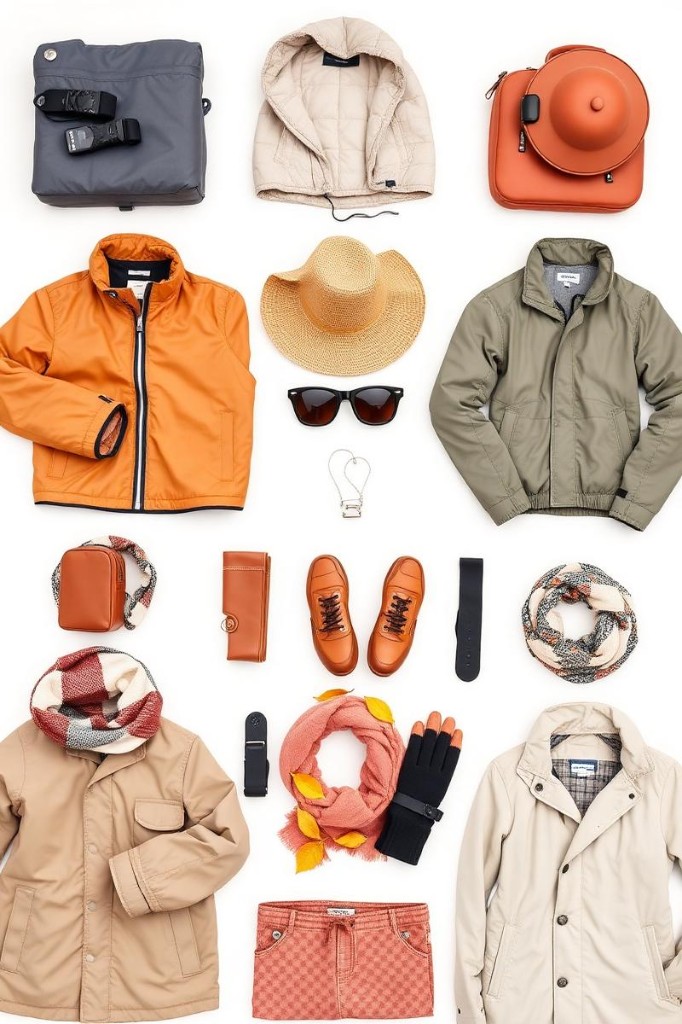
Travel clothing and gear by season

💰 Seasonal budget

PeriodCity Accommodation (€/night)Transport (€/day)Restaurants (€/day)Attractions (€)Crowds
Dec-Mar80-20015-2525-5020-40★★★★★
Apr-May40-8010-1515-3015-25★★☆☆☆
Jun-Sep50-12012-2020-4018-35★★★☆☆
Oct-Nov45-10010-1818-3515-30★★☆☆☆

💡 Money-saving tips

Mombasa City Pass: Cost-effective from 3 attractions visited, includes transport
Restaurants: Lunch is 40% cheaper than dinner, authentic street food 2-5€
Accommodation: Nyali/Bamburi districts are more affordable than the historic center
Transport: Economical matatus, negotiate taxi fares, daily scooter rental
Free events: Street festivals, public concerts, traditional markets

🏥 Health and precautions

Hydration: 3L of water/day minimum, avoid ice from street vendors
Tropical Sun: SPF50+ sunscreen, avoid exposure between 11 AM-3 PM
Malaria: Mosquito repellent, mosquito net, prophylaxis recommended
Food: Avoid raw vegetables, peel fruits yourself
Pharmacies: Nakumatt and shopping malls, 24h hospital guard in Mombasa
Vaccines: Yellow fever mandatory, Hepatitis A/B recommended

Cultural Events

Calendar of must-see events in Mombasa

Festivals and cultural events define life in Mombasa, offering an authentic immersion into the richness of Swahili culture. These celebrations transform the urban atmosphere and reveal the multicultural soul of the city.

🎭 Swahili Cultural Festival (July-August)

A major celebration of Kenyan coastal culture blending traditional music, taarab dance, Swahili poetry, and local crafts. The streets of the old town come alive with spontaneous performances and culinary demonstrations.

Location: Old Town Mombasa, Fort Jesus

Highlight: The only authentically Swahili festival of this scale in East Africa

Climate Impact: Ideal cool period, high local attendance, accommodation bookings required 2 months in advance

Transport Access: Special shuttles from Nyali, reinforced matatu services

Planning Tip: Book traditional restaurants; paid shows cost 1000-2500 KSh

🕌 Maulidi Festival (Varies by lunar calendar)

A religious Muslim celebration marking the birth of the Prophet, transforming Mombasa into a regional spiritual hub. Quranic recitations, night processions, and community sharing characterize this sacred period.

Location: Historic mosques, particularly Mandhry and Basheikh

Highlight: Regional pilgrimage attracting worshippers from across East Africa

Climate Impact: Variable dates, adapt according to the season, observe strict dress codes

Transport Access: Reduced city center traffic, walking is preferred

Planning Tip: Respect traditions; participation is by invitation only

🎪 Mombasa Carnival (November-December)

A colorful fusion of African, Arab, and Indian influences in a spectacular parade. Decorated floats, traditional costumes, and fusion music create a unique festive atmosphere preceding the high tourist season.

Location: Moi Avenue, waterfront, municipal stadium

Highlight: The only authentic multicultural carnival on the East African coast

Climate Impact: Transition to the dry season, pleasant temperatures, start of the tourist season

Transport Access: Road closures, temporary parking, organized shuttles

Planning Tip: Book restaurant terraces with a view; arrive 2 hours before the parade

Seasonal events

Hot Dry Season: • Dhow Festival (January) - Traditional regattas • Swahili New Year (March) - Community celebrations • Beach festivals (February-March)

Long Rainy Season: • Ramadan (variable dates) - Spiritual atmosphere • Indoor food festivals (May)

Cool Season: • Whale Festival (July-September) - Marine observation • Taarab concerts (August-September)

Short Rainy Season: • Diwali (October-November) - Indian community • Year-end festivities preparations

Responsible Tourism

Mombasa faces challenges of seasonal overtourism and the preservation of its Swahili heritage. Your travel choices can contribute positively to local sustainable development.

Responsible tourism in Mombasa prioritizes local public transport (matatus), family-run Swahili restaurants versus international chains, and respect for religious and cultural sites. Plastic waste management remains crucial near coral reefs.

🌱 Low-season advantages

Visiting during shoulder seasons reduces pressure on local infrastructure, allows for authentic exchanges with residents, supports the economy during off-peak periods, and decreases environmental impact on fragile marine ecosystems.

♻️ Sustainable travel tips

Mobility: Local matatus, old town walking, daily bike rentals
Dining: Family-run Swahili stalls, local markets, avoid international chains
Accommodation: Certified local guesthouses, eco-lodges, avoid all-inclusive resorts
Shopping: Direct artisan crafts, avoid imported souvenirs, respectful negotiation
Activities: Certified local guides, respect marine wildlife, wildlife observation distances

🏙️ Local sustainable initiatives

Mombasa is developing coral preservation programs, community recycling circuits, local guide training, and urban agriculture projects. Swahili artisan cooperatives benefit from fair trade labels, while local NGOs raise awareness about protecting sea turtles.

Our Recommendations

Recommendations for your city trip to Mombasa

After analyzing climate data, tourist traffic, and cultural events, our recommendations are adapted to different traveler profiles. Mombasa's tropical climate offers varied opportunities depending on your priorities: optimal weather, controlled budget, cultural authenticity, or tranquility.

🌟 Optimal Period: December to March

Recommended Months: December, January, February, March

Advantages:
• Ideal weather conditions (24-33°C / 75-91°F, little rain)
• Calm seas perfect for water sports and diving
• Maximum sunshine (8-9h/day)
• Cultural festivals and year-end celebrations
• Festive atmosphere and maximum urban activity

Key Events: Dhow Festival, Swahili New Year, Multicultural Carnival

Disadvantages: High tourist traffic, high accommodation prices (+60%)

Ideal Profile: First visit, honeymoon, family vacation, water sports enthusiasts

Stay Duration: 5-7 days recommended

⚖️ Interesting Alternative: June to September

Alternative Months: June, July, August, September

Description: Perfect compromise between pleasant weather and moderate rates. Cooler temperatures are ideal for urban and cultural exploration, with the unique advantage of whale watching.

Specific Advantages: Fewer tourists, accessible prices (-30%), comfortable temperatures, whale season, authentic cultural festivals

For Whom: Cultural travelers, moderate budgets, those sensitive to heat, marine nature lovers

👥 Tips for your travel style

Family: Dec-Mar, Nyali beaches, Haller Park, family resorts, private transport

Budget: Jun-Sep or Oct-Nov, local guesthouses, matatus, street food, free attractions

Culture: Jul-Aug (festivals), old town, Fort Jesus, local guides, historic accommodation

Romantic: Jan-Feb, sunset dhow excursions, waterfront restaurants, spas, secluded beaches

Weekend: All year except heavy rains, focus on old town + one beach, direct air travel

First Trip: Dec-Mar, organized tour for the first day, city center accommodation, advance bookings

⚠️ Periods to Avoid: April-May

Discouraged Months: April, May

Reasons: Intense and daily tropical rains, extreme humidity (85%+), limited water activities, reduced visibility for diving

Nuances: Acceptable for strict budget travelers, lovers of authentic tropical atmosphere, wellness stays, and gastronomic discovery

Villes du même pays

All cities

Frequently Asked Questions

Find answers to essential questions to plan your city trip to Mombasa based on the climate and local specifics.

What is the best month to visit Mombasa?

January and February offer optimal conditions: ideal weather (25-32°C / 77-90°F), calm seas, maximum sunshine, and cultural festivities. December and March are also excellent but more crowded. For a good balance of price and weather, consider July-August with cooler temperatures (22-28°C / 72-82°F) and the whale-watching season, despite less sunshine.

How many days should I plan for Mombasa?

4 to 5 days minimum are enough to discover the essentials: the historic old town, Fort Jesus, main beaches, and a marine excursion. For a complete experience including relaxation, deep Swahili culture, and excursions (marine parks, wildlife observation), plan for 6 to 8 days. A 3-day long weekend is possible by focusing on historical heritage and one beach.

What to do in Mombasa when it rains?

Mombasa reveals its indoor cultural treasures: Fort Jesus and its museums, historic mosques in the old town, the covered spice market, and Swahili cultural centers with taarab performances. Modern shopping malls (Nyali Cinemax, Castle Royal) offer air conditioning and dining. Take the opportunity to discover local gastronomy in traditional restaurants and explore crafts in covered galleries.

Which events should not be missed in Mombasa?

The Swahili Cultural Festival (July-August) is the major event with taarab music, traditional dance, and crafts. The Dhow Festival (January) celebrates traditional sailing with spectacular regattas. The Multicultural Carnival (November-December) fuses African, Arab, and Indian influences. Depending on the lunar calendar, the Maulidi Festival offers a unique spiritual experience in historic mosques.

What budget should I plan according to the season?

In high season (December-March): 140-270€/day for 2 people (accommodation, meals, transport, attractions). In low season (April-May): 80-140€/day with substantial discounts on accommodation (-50%). Shoulder seasons: 100-190€/day. Add 20-30% for luxury stays, deduct 30-40% for a backpacker budget with local guesthouses, street food, and public transport. International flights vary from 600€ (low season) to 1200€ (high season).