When to visit Avarua? City-Break Guide

The capital of the Cook Islands with tropical atmospheres that contrast according to the seasons and South Pacific trade winds.

  • 0.013 M population
  • English, Cook Islands Maori language
  • 180 days rainy days/year
  • May to October best time to visit
  • 3 to 5 days recommended stay

Tropical Climate of Avarua

Understanding the tropical maritime climate of Avarua

Avarua enjoys a tropical maritime climate influenced by South Pacific trade winds. The ocean's proximity moderates temperatures, while the equatorial position ensures constant warmth, ideal for an authentic tropical city break.

  • Coastal Zone: Benefits from refreshing sea breezes and moderate humidity
  • City Center: Slightly warmer with a limited urban heat island effect
  • Mountainous Hinterland: Cooler and more humid with increased rainfall
MonthMin Temp (°C / °F)Max Temp (°C / °F)Precipitation (mm / in)Sunshine (h/day)Tourist TrafficRecommended Activities
January23°C / 73°F29°C / 84°F220mm / 8.7in6⭐⭐⭐Beaches, covered markets
February23°C / 73°F29°C / 84°F190mm / 7.5in6⭐⭐⭐Festivals, local culture
March23°C / 73°F29°C / 84°F180mm / 7.1in7⭐⭐⭐⭐Diving, hiking
April22°C / 72°F28°C / 82°F120mm / 4.7in7⭐⭐⭐⭐Cultural visits
May21°C / 70°F27°C / 81°F100mm / 3.9in7⭐⭐⭐⭐⭐All activities
June20°C / 68°F26°C / 79°F80mm / 3.1in7⭐⭐⭐⭐⭐Hiking, beaches
July19°C / 66°F25°C / 77°F70mm / 2.8in7⭐⭐⭐⭐⭐Urban exploration
August19°C / 66°F25°C / 77°F70mm / 2.8in7⭐⭐⭐⭐⭐Water sports
September20°C / 68°F26°C / 79°F80mm / 3.1in7⭐⭐⭐⭐Photography, culture
October21°C / 70°F27°C / 81°F100mm / 3.9in7⭐⭐⭐⭐Autumn festivals
November22°C / 72°F28°C / 82°F140mm / 5.5in6⭐⭐⭐Markets, crafts
December23°C / 73°F29°C / 84°F200mm / 7.9in6⭐⭐⭐Local celebrations

Altitude variations around Avarua create microclimates: the city center remains warm and dry, while the heights of Rarotonga capture more humidity, offering welcome coolness during excursions.

The Seasons

Must-sees by Weather

Optimize your discovery of Avarua by adapting your visits to tropical weather conditions to fully enjoy the attractions.

☔ In Cloudy/Rainy Weather

Indoor & Protected

Avarua's tropical showers offer the perfect opportunity to discover the rich cultural heritage indoors.

Recommended Sites:
🏛️ Cook Islands National Museum - 2h - $10 - All year
🎨 Te Vara Nui Village - 3h - $85 - Covered shows
🛍️ CITC Shopping Center - 1h - Free - Local shopping
📚 National Library - 1h - Free - Colonial architecture
🍽️ Traditional Restaurants - 2h - $25-$40 - Authentic cuisine
⛪ CICC Church - 30min - Free - Historical architecture

Practical Tip: Book online for Te Vara Nui, especially popular in the wet season

Additional Tip: Combine museum and library in the same district to optimize your travel
☀️ In Good Weather

Optimal Outdoor

Avarua's tropical sun reveals the natural and architectural beauty of the Polynesian capital.

Recommended Sites:
🌺 Punanga Nui Market - 2h - Free - Saturday morning optimal
🏖️ Avarua Beach - 3h - Free - Sunrise/sunset
🌴 Botanical Gardens - 2h - $5 - Cool morning
🚶 Waterfront Promenade - 1h - Free - Late afternoon
⛰️ Te Rua Manga Trail - 4h - Free - Early morning departure
📸 Avarua Lighthouse - 30min - Free - Golden hour

Best Time of Day: Sunrise on the beach and sunset from the waterfront for exceptional photos

Seasonal Tip: May to September offer the most stable conditions for outdoor activities

🌤️ Versatile for All Weather

Flexible

These sites adapt perfectly to frequent tropical weather changes.

Recommended Sites:
🏪 Avarua City Center - Colonial architecture with covered galleries
🍹 Cafes with covered terraces - Immediate refuge in case of a shower
🎭 Punanga Nui Cultural Center - Covered spaces and gardens

Weather Tip: Always keep an umbrella and plan indoor alternatives near your outdoor activities

Example Itinerary: Morning market (covered if raining) → lunch on a covered terrace → afternoon museum or beach depending on weather

💰 Free or Economical

No Cost

Free Sites:
🌺 Punanga Nui Market - Authentic atmosphere
🏖️ All public beaches - Free access
⛪ Historical churches - Architectural heritage
🚶 Hiking trails - Preserved nature

Free Days: The national museum sometimes offers open days during cultural events

Budget Tips: Favor local food trucks, explore residential neighborhoods on foot, and enjoy spontaneous street performances

Practical Guide

Prepare for your tropical city break in Avarua with our practical tips adapted to the maritime climate and island specifics to optimize your stay in the capital of the Cook Islands.

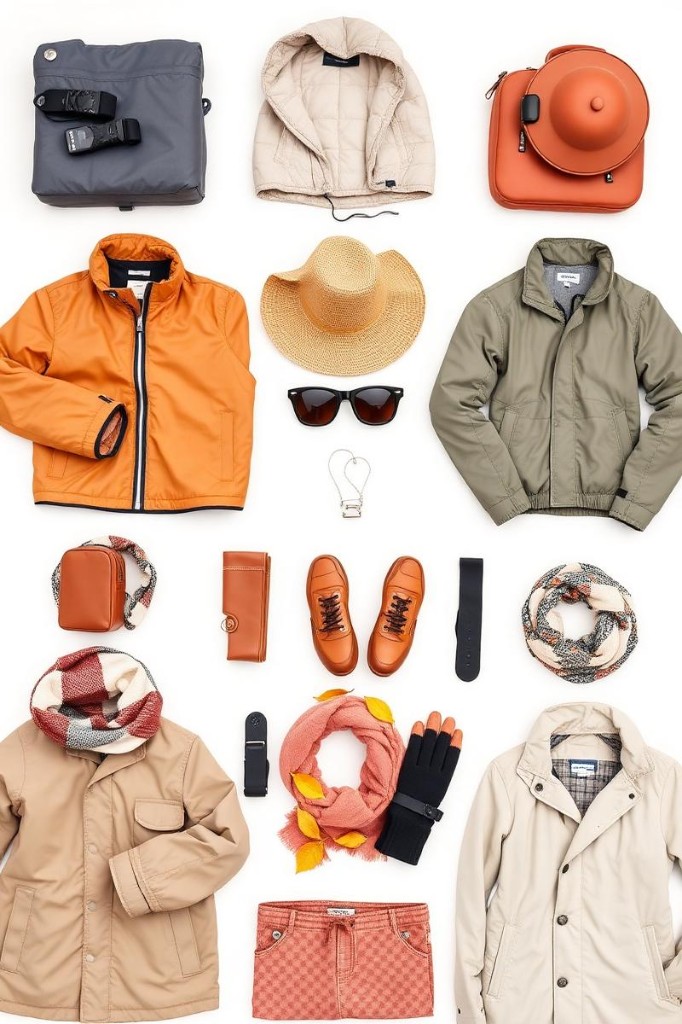
👕 Seasonal packing

Dry Season (May-October): • Breathable walking shoes • Light jacket for evenings • Hat and sunglasses • Swimwear • Lightweight waterproof bag

Wet Season (November-April): • Compact raincoat • Non-slip shoes • Quick-dry clothing • Travel umbrella • Enhanced sun protection
Travel clothing and gear by season

💰 Seasonal budget

PeriodCity Accommodation (€/night)Transport (€/day)Restaurants (€/day)Attractions (€)Traffic
Dry Season (May-Oct)120-20025-3540-6015-25⭐⭐⭐⭐⭐
Wet Season (Nov-Apr)80-15020-3035-5015-25⭐⭐⭐
Holidays (Christmas/New Year)200-35030-4050-8020-30⭐⭐⭐⭐⭐

💡 Money-saving tips

• Book accommodation 3 months in advance during the dry season to save 30%
• Favor local food trucks (€15-€20) over tourist restaurants (€40-€60)
• Rent a scooter to explore the island (€20/day vs €40 for a taxi)
• Enjoy free activities: beaches, hiking, markets
• Buy at the local market for authentic souvenirs at fair prices

🏥 Health and precautions

Sun Protection: SPF 50+ sunscreen mandatory, frequent reapplication
Hydration: 2-3L (approx. 0.5-0.8 gal) of water/day in the humid tropical climate
Insects: Mosquito repellent, long clothing in the evening
Water: Tap water is potable; plan for rehydration after activities
Pharmacy: Only one main pharmacy in the city center, limited stock

Urban Events

Calendar of must-see events in Avarua

Cultural events punctuate life in Avarua, transforming this island capital into a living stage for authentic Polynesian culture.

🎭 Te Maeva Nui Festival (July-August)

The largest cultural event in the Cook Islands celebrates independence with traditional dance performances, sports competitions, and craft demonstrations. Avarua transforms into an open-air theater.

Location: City center and national stadium

Highlight: Participation from all islands of the archipelago with exceptional traditional costumes

Climate Impact: Ideal dry season, high attendance, accommodation bookings essential 6 months in advance

Transport Access: Free shuttles from hotels, city center is walkable

Planning Tip: Book from January for the best seats and preferential rates

🌺 Tiare Festival (November)

A floral festival celebrating the natural beauty of the Cook Islands with flower crown competitions, fragrant parades, and traditional weaving workshops. Polynesian floral art flourishes throughout the capital.

Location: Public gardens and Punanga Nui Market

Highlight: Interactive visitor participation in floral arrangement workshops

Climate Impact: Start of the wet season, lush vegetation, possible showers but the atmosphere remains vibrant

Transport Access: City center, walkable from all accommodations

Planning Tip: Bring light waterproof clothing to fully enjoy the festivities

🎵 Pasifika Festival (March)

A multicultural South Pacific celebration bringing together music, dance, and gastronomy from across Oceania. Avarua becomes a cultural crossroads of the Pacific for an intense week.

Location: Waterfront and public squares

Highlight: Unique fusion of Polynesian, Melanesian, and Micronesian cultures

Climate Impact: End of the wet season, pleasant temperatures, moderate risk of showers

Transport Access: Events concentrated along 500m (1,640ft) of waterfront

Planning Tip: Book restaurants in advance, high demand during the festival

Seasonal events

Dry Season (May-October): • Te Maeva Nui Festival (July-August) • Sport Fishing Competition (September) • Traditional Music Festival (June)

Wet Season (November-April): • Tiare Festival (November) • Pasifika Festival (March) • Polynesian New Year Celebrations (January) • Local Culinary Festival (February)

Local Holidays: Be aware of Sunday closures (the Lord's Day is respected) and major religious holidays.

Responsible City-Break

Your visit to Avarua can contribute positively to the preservation of this fragile island ecosystem and the well-being of local communities.

Avarua, the capital of a small island state, requires a respectful tourism approach: favor soft transport (biking, walking), support authentic local crafts, respect sacred Maori sites, and minimize your plastic footprint in this preserved marine environment.

🌱 Low-season advantages

Visiting Avarua in the wet season reduces tourist pressure on limited infrastructure, allows for more authentic exchanges with residents, and supports the local economy during the less frequented period.

♻️ Sustainable travel tips

• Use public transport or rent a bike to explore the island
• Choose family-owned restaurants rather than international chains
• Buy directly from artisans at the Punanga Nui market
• Avoid single-use plastic products, bring your own water bottle
• Respect cultural sites and follow the advice of local guides
• Participate in beach cleanup initiatives if offered

🏙️ Local sustainable initiatives

Avarua is developing sustainable initiatives: community recycling program, promotion of cycling with bike lanes, urban community gardens, coral reef preservation, and ecotourism certification for environmentally respectful local providers.

Our Recommendations

Recommendations for your city break in Avarua

After analyzing tropical weather conditions, tourist traffic, and cultural events, here are our personalized recommendations to optimize your discovery of Avarua. The maritime climate offers favorable conditions almost all year round, but certain periods maximize your experience between ideal weather, attractive prices, and cultural richness.

🏆 Optimal Period: May to September

Recommended Months: May, June, July, August, September

Advantages:
• Perfect weather conditions with refreshing trade winds
• Optimal visibility for all outdoor activities
• Season of major cultural festivals (Te Maeva Nui)
• Calm sea ideal for water sports
• Bearable humidity and cool nights

Key Events: Te Maeva Nui Festival (July-August), sport fishing competition

Disadvantages: Maximum attendance and high accommodation prices

Ideal Profile: First-time visitors, families, festival lovers

Stay Duration: 4-5 days recommended

⚖️ Interesting Alternative: March-April and October-November

Alternative Months: March, April, October, November

Description: Transition periods offering an excellent compromise between acceptable weather conditions, moderate prices, and an authentic experience with less tourist traffic.

Specific Advantages: Accommodation rates reduced by 30%, privileged contact with locals, lush vegetation, alternative festivals like Pasifika

For Whom: Experienced travelers, tight budgets, local culture lovers

👥 Tips for your travel style

Family: May-September, accommodations with pool, beach and cultural activities, organized transport

Budget: March-April or October-November, local guesthouses, food trucks, public transport, free activities

Culture: July-August for Te Maeva Nui, March for Pasifika, local guides, museums, and historical sites

Romantic: May-June or September, waterfront at sunset, gourmet restaurants, private excursions

Weekend: Any period depending on availability, focus on city center and nearby beaches

First Trip: May-September mandatory, mild weather, optimal infrastructure, English-speaking guides available

⚠️ Periods to Avoid: December-February

Months Not Recommended: December, January, February

Reasons: Cyclonic season with weather risks, extreme humidity, significant rainfall limiting activities, high prices during the holidays

Nuances: Acceptable for experienced travelers seeking authenticity and who handle tropical humidity well

Villes du même pays

All cities

Frequently Asked Questions

Answers to essential questions for planning your tropical city break in Avarua, considering the climate and island specifics.

What is the best month to visit Avarua?

May to September offers optimal conditions with a dry climate, pleasant temperatures (19-27°C / 66-81°F), and refreshing trade winds. July-August are highly recommended for the Te Maeva Nui festival, but expect higher crowds. For a good price/weather balance, choose May-June or September for fewer tourists and more attractive rates.

How many days should I plan for Avarua?

3 to 5 days are sufficient to discover Avarua and its immediate surroundings. Count 2 days for the city center (market, museum, waterfront), 1 day for beaches and water activities, and 1-2 days for excursions into the Rarotonga hinterland. Travelers in a hurry can see the essentials in 2 days, but 4-5 days allow for a more relaxed pace suited to the island vibe.

What to do in Avarua when it rains?

Tropical showers are the perfect opportunity to discover the cultural heritage: Cook Islands National Museum, shows at Te Vara Nui Village, shopping at the Punanga Nui covered market, tasting in traditional restaurants, or visiting local art galleries. Most rains are short and intense, allowing for a quick return to outdoor activities.

Which events should not be missed in Avarua?

The Te Maeva Nui Festival (July-August) is the major event with traditional dances and cultural celebrations. The Pasifika Festival (March) offers an immersion into Pacific cultures, while the Tiare Festival (November) celebrates Polynesian floral art. Each event transforms the capital's atmosphere and offers a unique, authentic cultural experience.

What budget should I plan for depending on the season?

In the dry season (May-October): €150-€250/day for 2 people (accommodation, meals, activities). In the wet season (November-April): €100-€180/day with significant discounts on accommodation. During the holiday season, prices can double. Plan an additional budget for excursions (€50-€100/person) and artisanal souvenirs (€20-€80).