When to visit Mangaia? City-Trip Guide

Discover the authenticity of the second-largest Cook Island, between a privileged tropical climate and preserved Polynesian traditions.

  • 0.6 thousand population
  • English, Cook Islands Maori language
  • 120 days rainy days/year
  • May to October best time to visit
  • 3 to 5 days recommended stay

Mangaia's Tropical Climate

Understanding the tropical maritime climate of Mangaia

Mangaia enjoys a tropical maritime climate characterized by constant temperatures and refreshing trade winds. The raised island influences rainfall, creating microclimates based on altitude and exposure to prevailing winds.

The island features a drier, windier coastal zone, while the slightly elevated interior receives more precipitation. Southeast trade winds dominate, bringing coolness and humidity.

MonthMin Temp (°C / °F)Max Temp (°C / °F)Precipitation (mm)Sunshine (h/day)Tourist TrafficRecommended Activities
January24°C / 75°F29°C / 84°F1806⭐⭐Diving, caves
February24°C / 75°F29°C / 84°F1606⭐⭐Cultural festivals
March24°C / 75°F29°C / 84°F1407⭐⭐⭐Hiking, cycling
April23°C / 73°F28°C / 82°F1207⭐⭐⭐Cultural exploration
May22°C / 72°F27°C / 81°F1008⭐⭐⭐⭐All activities
June21°C / 70°F26°C / 79°F808⭐⭐⭐⭐Hiking, beaches
July20°C / 68°F25°C / 77°F708⭐⭐⭐⭐⭐Festivals, outdoor
August20°C / 68°F25°C / 77°F708⭐⭐⭐⭐⭐Diving, cycling
September21°C / 70°F26°C / 79°F808⭐⭐⭐⭐Nature observation
October22°C / 72°F27°C / 81°F1007⭐⭐⭐⭐Snorkeling, culture
November23°C / 73°F28°C / 82°F1307⭐⭐⭐Caves, crafts
December24°C / 75°F29°C / 84°F1606⭐⭐Beaches, relaxation

Although modest, Mangaia's terrain (169m / 554ft at its highest point) creates notable climatic variations between the wind-exposed coast and the more sheltered interior areas.

The Seasons

Sites by Weather

Optimize your discovery of Mangaia by choosing your activities according to weather conditions for a successful, authentic experience.

☔ In cloudy/rainy weather

Protected Activities

Rainy days reveal another side of Mangaia, ideal for cultural immersion.

Recommended Sites:
🏛️ Marae Rangimotia - Covered sacred site (1h, free, year-round)
🕳️ Te Rua Rere Caves - Underground exploration (2h, local guide, dry season preferred)
🎨 Local craft workshops - Tapa and carving (3h, 30€, by reservation)
📚 Oneroa Cultural Center - Island history (1h, free, closed Sunday)
🏠 Traditional fare visits - Local architecture (1h, donation, with guide)

Practical Tip: Book guided tours in advance; few providers on the island.

Tip: Combine several cultural activities in one day for complete immersion.
☀️ In good weather

Outdoor Exploration

The sun reveals the full natural beauty of this unique raised coral island.

Must-see Sites:
🏔️ Te Rua Manga - Highest point (3h, free, sunrise recommended)
🏖️ Oneroa Beaches - White sand and lagoon (free, snorkeling, all day)
🚴 Island bike tour - Full circuit (6h, rental 15€/day, morning recommended)
🌊 Natural pools - Coral formations (2h, free, low tide)
🐠 Reef snorkeling - Marine biodiversity (2h, equipment 20€, morning optimal)

Best time: Sunrise for hiking, late afternoon for beaches.

Seasonal tip: May to September offer the most stable conditions.

🌤️ Versatile for all weather

Flexible and Adaptable

These activities adapt to the island's tropical climatic variations.

Versatile Sites:
🛶 Lagoon navigation - Protected from wind (2h, 40€, guide included)
🎣 Traditional fishing - Local technique (4h, 60€, equipment provided)
🌺 Community botanical gardens - Partially covered (1h, donation)

Weather Tip: Start with outdoor activities, retreat to covered sites if necessary.

Typical itinerary: Morning beach/hiking, afternoon culture/crafts depending on conditions.

💰 Free or budget-friendly

Accessible Discovery

Free Sites:
🌅 Sunrise watching - Highest point (free)
🏛️ Archaeological sites - Scattered marae (free, respect required)
🚶 Coastal trails - Natural panoramas (free, appropriate footwear)

Local Savings: Oneroa market on Saturdays, local fruits and vegetables, direct-from-producer crafts.

Budget tips: Camping allowed with permission, beach picnics, bike transport.

Practical Guide

Prepare for your stay in Mangaia with these essential tips adapted to the tropical climate and the specificities of this remote Cook Islands destination.

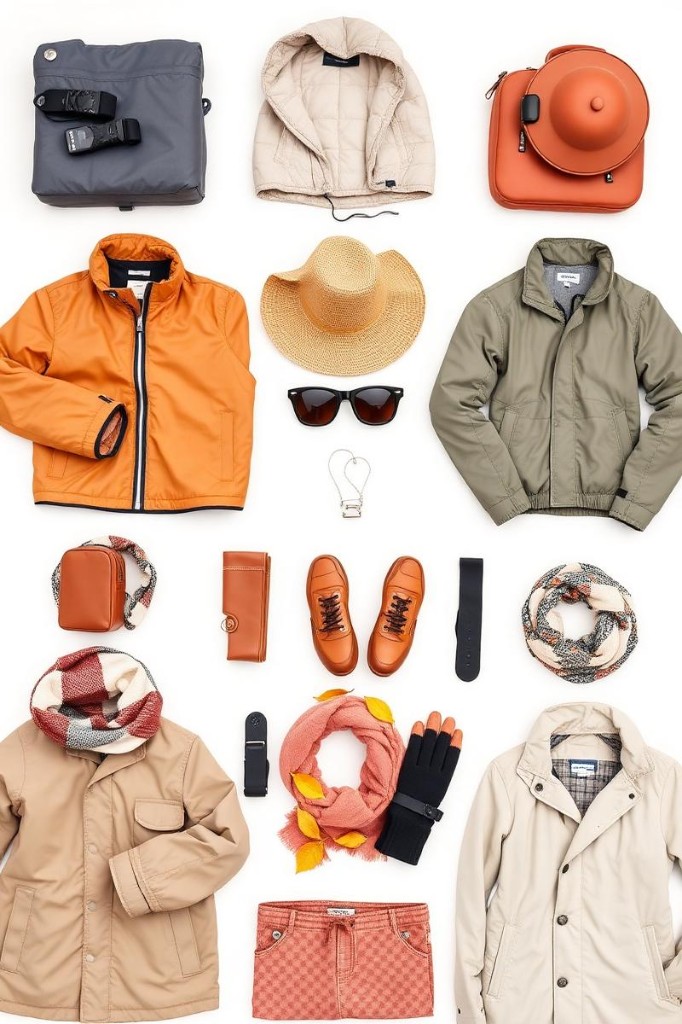
👕 Seasonal packing

Dry Season (May-October): • Lightweight cotton clothing • Sweatshirt for cool evenings • Hiking shoes • Enhanced sun protection • Lightweight windbreaker

Wet Season (November-April): • Quick-dry clothing • Compact raincoat • Non-slip sandals • Waterproof hat • Dry bag for electronics
Travel clothing and gear by season

💰 Seasonal budget

PeriodGuesthouse (€/night)Transport (€/day)Meals (€/day)Activities (€)Crowds
May-Oct80-1201535-5020-60⭐⭐⭐⭐
Nov-Apr60-901530-4515-50⭐⭐
Jul-Aug100-1502040-6025-80⭐⭐⭐⭐⭐

💡 Money-saving tips

Book accommodation well in advance (limited capacity), prioritize local meals over tourist restaurants, rent a bike for transport, negotiate multi-day activity packages, bring snorkeling gear to save on rentals.

🏥 Health and precautions

• Sun protection essential (SPF 50+) • Mosquito repellent for wet season • Closed-toe shoes for caves and hiking • Constant hydration in tropical climate • First aid kit (no pharmacy on the island) • Travel insurance mandatory.

Local Events

Calendar of traditional celebrations in Mangaia

Mangaia preserves its Polynesian traditions through authentic events that punctuate island life and offer a unique cultural immersion.

🌺 Tiare Festival (July)

A celebration of the national flower featuring traditional dances, crown competitions, and craft demonstrations. The event transforms Oneroa into a vibrant cultural stage.

Location: Oneroa Community Center

Highlight: Active visitor participation encouraged

Climate Impact: Ideal dry period, accommodation bookings essential

Access: Shuttles organized from accommodations

Planning: Book at least 3 months in advance

🏆 Te Maeva Nui (August)

The Cook Islands' national holiday featuring traditional sports competitions, singing, and inter-island dance contests. Mangaia often hosts va'a (outrigger canoe) races.

Location: Oneroa lagoon and beaches

Highlight: Friendly rivalry between islands

Climate Impact: Optimal weather conditions, maximum attendance

Access: Additional flights from Rarotonga

Planning: Plan 6 months in advance

🎭 Nuku Festival (October)

A festival of local legends featuring night performances, traditional storytelling, and historical reenactments at the island's sacred sites.

Location: Marae sites and sacred caves

Highlight: Torchlit performances

Climate Impact: Seasonal transition, pleasant cool evenings

Access: Local guides mandatory for sacred sites

Planning: Prior registration with the Council of Elders required

Seasonal events

Dry Season: • Traditional fishing competitions (June-September) • Harvest festivals (March-May) • Astronomical ceremonies (July-August)

Wet Season: • Planting rituals (November-December) • Polynesian New Year celebrations (January) • Tropical fruit festivals (February-March)

Responsible Tourism

Mangaia, a preserved and little-visited island, requires a respectful approach to maintain its authenticity and protect its unique fragile ecosystem.

Prioritize local community initiatives: family-run guesthouses, native guides, and direct-from-producer traditional crafts. Respect sacred marae sites, limit impact on coral reefs, and participate in efforts to preserve this authentic Polynesian culture.

🌱 Low-season advantages

Visiting during the wet season reduces tourist pressure, supports the local economy during the off-season, allows for more authentic interaction with locals, and preserves fragile natural sites.

♻️ Sustainable travel tips

Use local bikes rather than motorized vehicles, consume products grown on the island, participate in beach cleaning initiatives, respect seabird nesting areas, use biodegradable sunscreens, support traditional crafts.

🏙️ Local sustainable initiatives

The island is developing community-based tourism with a rotation of local guides, preservation of ancestral craft techniques, protection of archaeological sites by traditional families, and awareness-raising for lagoon marine conservation.

Our Recommendations

Recommendations for your authentic stay in Mangaia

Based on the analysis of the tropical climate, limited capacity, and cultural specificities, our recommendations optimize your discovery of this preserved Polynesian island. Planning is crucial given the geographical isolation and reduced tourist infrastructure.

🌟 Optimal Period: May to September

Pros: Dry and sunny climate, refreshing trade winds, ideal conditions for all outdoor activities, optimal visibility for diving and snorkeling, easy access to caves and trails.

Events: Tiare Festival (July), Te Maeva Nui (August)

Limitations: Most popular period, higher accommodation rates.

Ideal Profile: Adventurers, divers, Polynesian culture enthusiasts.

Recommended Duration: 4-5 days minimum.

🌤️ Interesting Alternative: March-April and October

Climate transition periods offering a good compromise between acceptable weather conditions and moderate crowds. Pleasant temperatures and more accessible rates.

Pros: Fewer visitors, attractive prices, lush nature (March-April), still favorable conditions (October).

For whom: Flexible travelers, moderate budgets, nature photographers.

👥 Tips for your travel style

First visit: May-June for optimal climate and complete discovery

Adventurers: July-September for perfect outdoor conditions

Culture: Festival period (July-August) for maximum immersion

Tight budget: March-April or October for reduced rates

Nature/Photo: Seasonal transitions for unique light and contrasts.

⚠️ Delicate Periods: December-February

Reasons: Increased cyclone risk, significant rainfall limiting outdoor activities, high humidity, difficult access to some sites.

Nuances: Acceptable for lovers of lush tropical nature and very flexible travelers.

Villes du même pays

All cities

Frequently Asked Questions

Answers to essential questions for planning your stay on this authentic and preserved Polynesian island.

What is the best month to visit Mangaia?

July and August offer optimal conditions with a dry climate, refreshing trade winds, and major cultural festivals. May-June are an excellent alternative with fewer crowds. Avoid December-February due to cyclone risks and high humidity. Planning is crucial as the island has very limited accommodation.

How many days should I plan for Mangaia?

4 to 5 days minimum allow you to discover the essentials: island tour, caves, cultural sites, and relaxation. Polynesian culture or nature enthusiasts may extend up to 7 days. Less than 3 days is insufficient given the travel time from Rarotonga and the island's unique cultural richness.

What is there to do in Mangaia when it rains?

Take advantage of indoor cultural activities: visit the Oneroa cultural center, traditional craft workshops (tapa, carving), explore limestone caves (with a guide), meet local artisans, and discover the island's oral history. Covered marae also offer a unique spiritual immersion.

Which events should not be missed in Mangaia?

The Tiare Festival in July and Te Maeva Nui in August are must-sees for experiencing authentic Polynesian culture. The Nuku Festival (October) offers a unique spiritual experience with night performances at sacred sites. Book well in advance as accommodation capacity is limited during these events.

What budget should I expect depending on the season?

Expect 150-200€ / 160-215 USD per day in high season (July-August) including accommodation, meals, and activities. In shoulder season (May-June, September-October): 120-160€ / 130-170 USD per day. Wet season: 100-140€ / 110-150 USD per day. Add the Rarotonga-Mangaia flight (200€ / 215 USD round trip) and bring cash as there are few ATMs on the island.