When to visit Rarotonga? City-Trip Guide

Discover the pearl of the Cook Islands according to the seasons, between turquoise lagoons and lush green mountains.

  • 13,000 population
  • English, Cook Islands Maori language
  • 180 days rainy days/year
  • May to October best time to visit
  • 5 to 10 days recommended stay

Tropical Climate of Rarotonga

Understanding the tropical maritime climate of Rarotonga

Rarotonga enjoys a tropical maritime climate influenced by the Pacific Ocean. Southeast trade winds moderate temperatures, creating a pleasant environment year-round with distinct seasonal variations between the dry and wet periods.

  • Coastal Zone: Temperatures moderated by sea breezes, ideal for water activities
  • Central Mountains: Cooler and more humid, featuring lush vegetation and waterfalls
  • Lagoons: Consistent warm waters between 24°C / 75°F and 28°C / 82°F depending on the season
MonthMin Temp (°C / °F)Max Temp (°C / °F)Precipitation (mm)Sunshine (h/day)Tourist TrafficRecommended Activities
January24°C / 75°F29°C / 84°F2206★★★★Diving, local festivals
February24°C / 75°F29°C / 84°F2006★★★Surfing, cultural discovery
March24°C / 75°F28°C / 82°F1807★★★Hiking, snorkeling
April23°C / 73°F28°C / 82°F1507★★★★Cycling, island exploration
May22°C / 72°F27°C / 81°F1207★★★★★All outdoor activities
June21°C / 70°F26°C / 79°F1007★★★★★Mountain hiking, beach
July20°C / 68°F25°C / 77°F807★★★★★Water sports, trekking
August20°C / 68°F25°C / 77°F908★★★★★Diving, whale watching
September21°C / 70°F26°C / 79°F1108★★★★Kayaking, nature excursions
October22°C / 72°F27°C / 81°F1407★★★★Fishing, beach relaxation
November23°C / 73°F28°C / 82°F1707★★★Gastronomic discovery
December24°C / 75°F29°C / 84°F2006★★★★Celebrations, nightlife

Altitude variations on this small island create microclimates: the coast remains warm and sunny, while the mountainous interior captures humidity, offering contrasting landscapes between paradise beaches and tropical forests.

The Seasons

Activities by Weather

Optimize your stay in Rarotonga by choosing your activities according to the current weather conditions.

☔ In Rainy Weather

Indoor and Cultural Activities

Tropical showers generally do not last long, but here is how to enjoy them:

Sites and Activities:
🏛️ Te Vara Nui Village - Indoor cultural show (2h) - 85$ - Perfect for a rainy evening
🎨 National Museum - History of the Cook Islands (1h30) - Free - Ideal for a humid afternoon
🛍️ Covered Punanga Nui Market - Local crafts - Free - Saturday morning
🍹 Bars and restaurants with covered terraces - Tasting local cuisine
💆 Traditional Spas - Polynesian massages - 80-150$ - Absolute relaxation

Practical Tip: Rains are often short, perfect for alternating between indoor and outdoor activities

Tip: Take advantage of reduced prices on certain excursions in case of uncertain weather
☀️ In Good Weather

Optimal Outdoor Paradise

The sun reveals all the beauty of Rarotonga, enjoy it to the fullest:

Sites and Activities:
🏖️ Muri Beach - Perfect turquoise lagoon (full day) - Free - Ideal 9am-4pm
🥾 Cross-Island Track - Spectacular hike (4-6h) - Free - 7am departure recommended
🤿 Aroa Beach - Exceptional snorkeling (2-3h) - Free - Best 10am-2pm
🚴 Island bike tour - 32km / 20 miles of discovery (day) - 25$ rental - Early departure
⛵ Lagoon excursion - Sailing and diving (half-day) - 95$ - 9am or 2pm departure

Best Time: Sunrise at Titikaveka Beach for magical photos, sunset at Aroa Beach

Season Tip: May to October offers the most stable conditions for these activities

🌤️ All-Weather Versatile

Flexible Activities

These experiences adapt to changing weather conditions:

Versatile Sites:
🌺 Maire Nui Gardens - Tropical gardens with shelters (2h) - 15$ - Adaptable
🏪 Avarua town - City center with covered shops - Free - Flexible
🍴 Cook Islands Brewing - Indoor tour and tasting (1h) - 25$

Weather Tip: Start outdoors in the morning, retreat indoors if needed in the afternoon

Example Itinerary: Morning market → beach if sunny OR museum if raining → covered restaurant → spa at the end of the day

💰 Free and Budget-Friendly

Discoveries at No Cost

Free Sites:
🏖️ All public beaches - Free access 24/7
🥾 Hiking trails - Te Rua Manga (The Needle) - Free
🏛️ Historic churches - CICC Church - Colonial architecture
🌅 Panoramic viewpoints - Wigmore's Waterfall - Free

Budget Tips: Picnics on the beach, snorkeling with personal equipment, independent hikes with free maps from tourist offices

Practical Guide

Prepare your stay in Rarotonga by considering the specifics of the tropical climate and the unique features of this paradise island in the South Pacific for an optimal experience.

👕 Seasonal packing

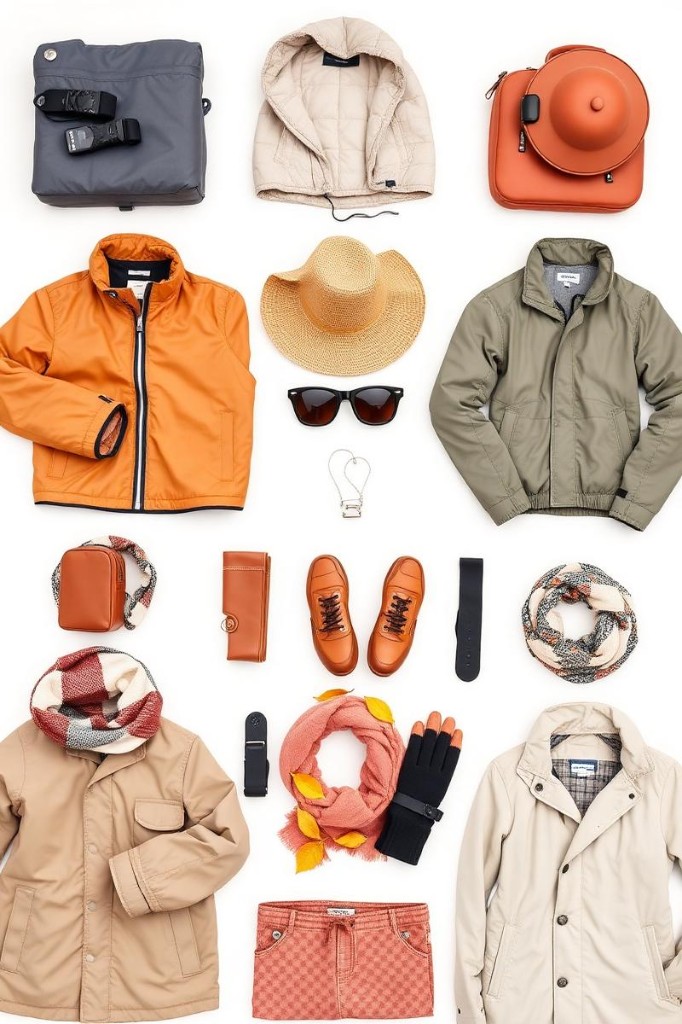
Dry Season (May-October): • Lightweight cotton clothing • Windbreaker for trade winds • Hiking shoes • Multiple swimsuits • Hat and sunglasses

Wet Season (Nov-April): • Breathable, quick-dry clothing • Lightweight raincoat • Non-slip sandals • Mosquito repellent • Compact umbrella

Year-round: • High-protection sunscreen • Water shoes for the lagoon • Dry bag for excursions • Respectful attire for places of worship
Travel clothing and gear by season

💰 Seasonal budget

PeriodAccommodation (€/night)Transport (€/day)Restaurants (€/day)Activities (€)Traffic
High season (June-Sept)150-30035-5060-10050-150★★★★★
Mid-season (May, Oct)120-25030-4550-8040-120★★★★
Low season (Nov-April)80-18025-3540-7030-100★★★
Very high (July-Aug)200-40040-6070-12060-200★★★★★

💡 Money-saving tips

• Book accommodation and flights 3-6 months in advance for the best rates • Choose local guesthouses over international resorts • Buy provisions at the local market rather than supermarkets • Rent a scooter/bike for economical transport • Enjoy free activities: beaches, hiking, independent snorkeling

🏥 Health and precautions

Enhanced sun protection: very high UV index year-round • Constant hydration: tropical climate is dehydrating • Mosquito repellent: especially in the wet season, dengue fever is possible • Closed shoes: for hiking on volcanic terrain • First aid kit: only one hospital on the island • Travel insurance: medical evacuation is expensive

Cultural Events

Calendar of must-see festivities in Rarotonga

Cultural events define the rhythm of life in Rarotonga and offer an authentic immersion into the Polynesian culture of the Cook Islands.

🥥 Te Maeva Nui Festival (late July-early August)

The largest cultural festival in the Cook Islands celebrates independence with spectacular traditional dances, Polynesian chants, and ancestral sports competitions. The entire island pulses to the rhythm of traditional drums.

Location: National Auditorium and multiple sites in Avarua

Feature: Each island of the Cooks presents its specific traditions

Climate Impact: Ideal dry period, high tourist traffic, bookings essential 6 months in advance

Access: Special shuttles from all accommodations, limited parking in the city center

Tip: Book shows and accommodation as early as January for this popular period

🏃 Round Rarotonga Run (October)

An international race around the island (32km / 20 miles) attracting runners from all over the world. Festive atmosphere with live music, local food stalls, and community celebrations. Spectacular course between the lagoon and mountains.

Location: Full loop of the island, start/finish in Avarua

Feature: Flat seaside course, guaranteed paradise landscapes

Climate Impact: End of dry season, perfect conditions, moderate traffic

Access: Main road temporarily closed, public transport reinforced

Tip: Even non-participants can enjoy the festive atmosphere and cheer on the runners

🎭 Tiare Festival (November)

A flower festival celebrating the island's natural beauty with floral crown competitions, traditional costume parades, craft workshops, and dance performances. Total immersion in the Polynesian art of living.

Location: Punanga Nui Market and public gardens in Avarua

Feature: Learning ancestral craft techniques through oral transmission

Climate Impact: Start of wet season, lush vegetation, attractive accommodation prices

Access: City center easily accessible by foot or bike

Tip: Participate in workshops to take home authentic creations

Seasonal events

Dry Season (May-October): • Constitution Celebrations (August) - national holiday with parades • Vaka Eiva - traditional outrigger canoe races (September) • Gospel Day (October) - spiritual concerts

Wet Season (Nov-April): • Polynesian New Year - beach celebrations (January) • Aumangea Festival - traditional arts (February) • Easter Show - local agricultural fair (March/April)

Impactful Holidays: ANZAC Day (April 25) and King's Birthday (June) - shop closures, reduced transport

Responsible Tourism

Rarotonga, a fragile island in the Pacific, requires a respectful tourism approach to preserve its unique ecosystem and authentic Polynesian culture.

Responsible tourism in Rarotonga prioritizes lagoon protection, respect for Maori traditions, support for the local economy, and reduction of the carbon footprint. Prefer local providers, avoid disposable products, respect marine wildlife, and participate in cultural preservation initiatives.

🌱 Low-season advantages

Visiting during the wet season (November-April) reduces tourist pressure on fragile sites, allows for more authentic interactions with locals, supports the economy during the off-season, and offers a more immersive experience of Polynesian culture.

♻️ Sustainable travel tips

• Use a bike or walk to explore the island (32km / 20 miles in circumference) • Choose eco-certified accommodations with sustainable management • Consume local products: fresh fish, tropical fruits, organic vegetables • Refuse single-use plastics, bring a reusable water bottle • Respect protected lagoon and coral reef areas • Participate in environmental educational excursions

🏙️ Local sustainable initiatives

Rarotonga is developing sustainable tourism: coral reef protection program, local organic farms, solar renewable energy, reinforced waste management, preservation of marae archaeological sites, training of local guides certified in ecotourism, and visitor awareness regarding the fragile ecosystem.

Our Recommendations

Personalized recommendations for your stay in Rarotonga

After analyzing climatic conditions, tourist traffic, and seasonal rates, our recommendations guide you to the ideal period based on your priorities. Rarotonga offers different experiences depending on the season: outdoor adventure in the dry season or authentic cultural immersion in the wet season.

🌟 Optimal Period: May to September

Recommended Months: May, June, July, August, September

Advantages:
• Perfect weather conditions (20-27°C / 68-81°F, little rain)
• Constant refreshing trade winds
• Optimal visibility for diving and snorkeling
• All hiking trails accessible
• Calm sea ideal for water activities

Key Events: Te Maeva Nui Festival (July-August), Constitution Day

Disadvantages: High tourist season, high accommodation rates

Ideal Profile: Water sports enthusiasts, hikers, honeymooners, active families

Stay Duration: 7 to 10 days recommended

🌺 Interesting Alternative: October-November and March-April

Alternative Months: October, November, March, April

Description: Transition periods offering an excellent compromise between favorable weather and moderate traffic, with more accessible rates.

Specific Advantages: Fewer tourists at popular sites, accommodation prices reduced by 20-30%, authentic local events, vegetation still/already lush

For Whom: Flexible travelers, moderate budgets, photography enthusiasts, couples seeking tranquility

👥 Tips for your travel style

Family with children: May-September, Muri Beach accommodation, safe lagoon activities, family bike rentals

Tight budget: November-March, local guesthouses, bike transport, free beach/hiking activities

Culture lovers: Festival periods (July-August, November), Avarua center accommodation, guided heritage excursions

Romantic couple: May-June or September, lagoon resorts, Aroa Beach sunsets, gourmet restaurant dinners

First trip: July-August, all-inclusive packages, organized excursions, Muri tourist area accommodation

⚠️ Delicate Periods: December-February

Not Recommended Months: December, January, February

Reasons: High cyclone risk, frequent intense rains, very high humidity (80-90%), some outdoor activities limited, sea sometimes rough

Nuances: Acceptable for relaxation/spa stays, tight budgets, lovers of lush tropical vegetation

Villes du même pays

All cities

Frequently Asked Questions

Answers to essential questions to plan your trip to Rarotonga based on the climate.

What is the best month to visit Rarotonga?

July and August offer optimal conditions: dry and sunny weather, pleasant temperatures (20-25°C / 68-77°F), and calm seas perfect for all water activities. It is also the time of the Te Maeva Nui Festival. However, it is the high tourist season with higher rates. For a good compromise, May-June or September combine good weather with moderate crowds.

How many days should I plan for Rarotonga?

5 to 7 days minimum to discover the essentials: island tour, main beaches, a mountain hike, and lagoon activities. 10 to 14 days allow for a relaxed pace with excursions to neighboring islands, deep cultural immersion, and moments of relaxation. As the island is small (32km / 20 miles in circumference), you can easily combine different activities according to the daily weather.

What to do in Rarotonga when it rains?

Tropical showers are generally short but intense. Take the opportunity to visit the National Museum (free), shop at the covered Punanga Nui market, discover local crafts, relax in a traditional spa, or attend a cultural show at the Te Vara Nui Village. Restaurants also offer excellent moments to taste local cuisine while waiting for the weather to clear.

What events should not be missed in Rarotonga?

The Te Maeva Nui Festival (July-August) is the major cultural event with spectacular Polynesian dances, songs, and traditions. The Round Rarotonga Run (October) creates a unique festive atmosphere. The Tiare Festival (November) offers an immersion into traditional floral crafts. Each period has its charms: Constitution Day (August), Vaka races (September), Gospel celebrations (October).

What budget should I plan for depending on the season?

High season (June-September): 200-400€ / 215-430$ per day/couple all-inclusive. Mid-season: 150-300€ / 160-320$ per day. Low season: 100-250€ / 105-270$ per day with substantial accommodation discounts (-30%) and activities (-20%). Minimal backpacker budget: 60-80€ / 65-85$ per day in a guesthouse. Flights often represent 40-50% of the total budget; book 6 months in advance for the best rates.