When to visit Basse Santa Su? City-Trip Guide

Discover the best time to explore this charming Gambian city according to tropical seasons and local vibes.

  • 15,000 population
  • English, Mandinka, Wolof language
  • 85 days rainy days/year
  • November to April best time to visit
  • 2 to 4 days recommended stay

Climate of Basse Santa Su

Understanding the tropical climate of Basse Santa Su

Basse Santa Su enjoys a Sudano-tropical climate with two distinct seasons. Located in western Gambia, the city is influenced by the nearby Atlantic Ocean, which moderates temperatures. The Harmattan, a dry wind from the Sahara, particularly influences the dry season, creating a unique atmosphere for urban visitors.

The region features a homogeneous climate with slight variations depending on proximity to the Gambia River and denser urban areas that create local micro-climates.

MonthMin Temp (°C / °F)Max Temp (°C / °F)Precipitation (mm)Sunshine (h/day)Tourist TrafficRecommended Activities
January16°C / 61°F34°C / 93°F19★★★★Cultural visits, markets
February18°C / 64°F36°C / 97°F29★★★★Urban exploration
March20°C / 68°F38°C / 100°F38★★★Morning discovery
April22°C / 72°F39°C / 102°F88★★Short visits
May23°C / 73°F38°C / 100°F257Indoor activities
June24°C / 75°F35°C / 95°F856Museums, cultural centers
July24°C / 75°F32°C / 90°F1805Indoor discovery
August24°C / 75°F31°C / 88°F2204Protected activities
September24°C / 75°F32°C / 90°F1605Quick visits
October23°C / 73°F34°C / 93°F457★★Return to exploration
November20°C / 68°F35°C / 95°F88★★★All activities
December17°C / 63°F34°C / 93°F29★★★★Festivities, culture

The low and uniform altitude of the region does not generate significant climatic variations, maintaining relatively stable conditions across the entire urban area.

The Seasons

Must-sees by Weather

Optimize your discovery of Basse Santa Su by adapting your visits to climatic conditions to fully enjoy local attractions.

☔ In cloudy/rainy weather

Indoor & Protected

Rainy days are perfect for discovering local crafts and Gambian culture in sheltered spaces.

Recommended Sites:
🏛️ Local Cultural Center - 2h - Free - All year
🛍️ Traditional covered markets - 3h - 5-10€ - Ideal in rainy season
🎨 Local craft workshops - 1-2h - 15-25€ - By reservation
🏠 Traditional houses for visiting - 1h - 5€ - Local guides
📚 Community library - 1h - Free - Guaranteed quiet

Practical Tip: Prioritize morning visits to covered markets to avoid afternoon crowds.

Additional Tip: Combine several nearby sites to minimize travel in the rain and discover authentic local crafts.
☀️ In good weather

Optimal Outdoors

The dry climate reveals all the beauty of the outdoors and traditional Gambian architecture.

Recommended Sites:
🌳 Public gardens and green spaces - 2-3h - Free - Morning/Evening
🏛️ Colonial architecture of the center - 2h - Free - All day
🚶 Walks in historic neighborhoods - 3h - Free - Guide recommended
📸 Viewpoints over the Gambia River - 1h - Free - Sunrise/Sunset
🎪 Public squares and entertainment - Variable - Free - Evenings

Best time of day: Sunrise and sunset offer exceptional golden light for urban photography and panoramas.

Seasonal Tip: Avoid 12 PM - 4 PM between March and May, prefer November to February for optimal comfort.

🌤️ Versatile for all weather

Flexible

These sites adapt to changing weather conditions with both covered and open spaces.

Recommended Sites:
🏪 Local commercial complexes - Covered/terrace
🍽️ Restaurants with indoor courtyards - Indoor/outdoor
🎭 Community centers - Modular spaces

Weather Tip: Start with outdoor spaces if weather permits, retreat to covered areas in case of change.

Example Itinerary: Morning outdoor market → lunch in a covered courtyard restaurant → afternoon cultural center depending on weather → evening public square or covered space.

💰 Free or economical

No Cost

Free Sites:
🚶 Historic neighborhoods with free access
🌳 Public gardens and green spaces
📸 Panoramic viewpoints
🎪 Street entertainment and spontaneous performances

Budget Tips: Take advantage of markets to discover local gastronomy at low prices, negotiate with respect in traditional stalls.

Practical Guide

Prepare your stay in Basse Santa Su with our tips adapted to the tropical climatic specificities and the particularities of this authentic Gambian destination.

👕 Seasonal packing

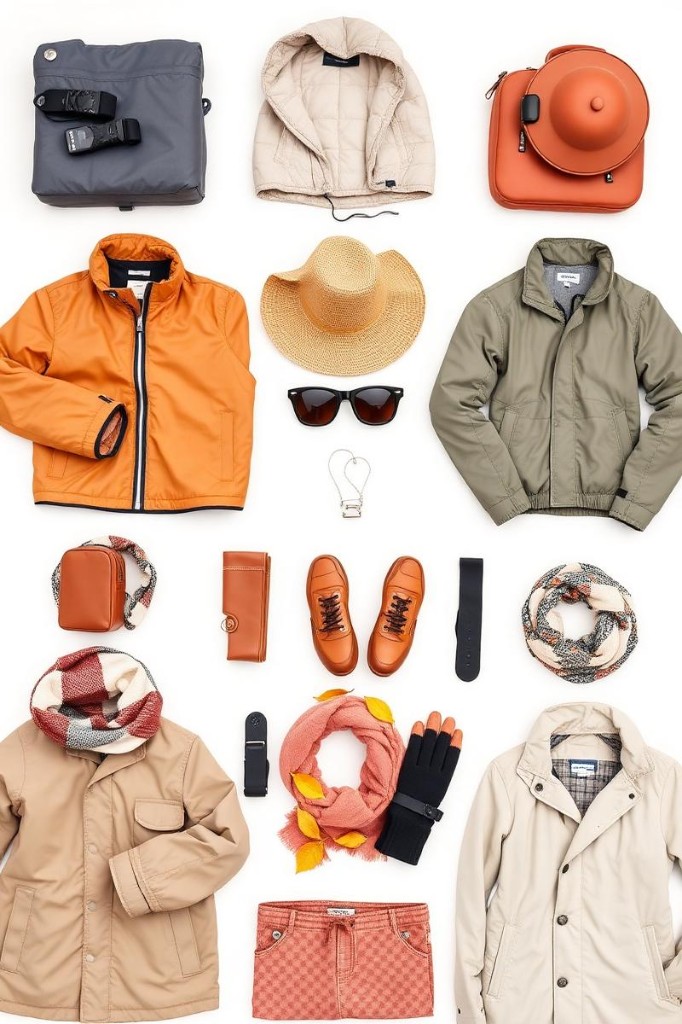
Dry Season (Nov-May): • Dust-proof closed shoes • Hat/cap essential • Light but modest clothing • Sunglasses • Strong sunscreen

Rainy Season (Jun-Oct): • Waterproof shoes or sandals • Light rain jacket • Compact umbrella • Quick-dry clothing • Waterproof bag for electronics
Travel clothing and gear by season

💰 Seasonal budget

PeriodAccommodation (€/night)Meals (€/day)Local Transport (€/day)Activities (€)Traffic
Nov-Feb25-458-153-85-20★★★★
Mar-May20-358-153-85-20★★★
Jun-Oct15-256-122-53-15

💡 Money-saving tips

• Negotiate respectfully in local markets • Prefer family-run restaurants over tourist establishments • Use local public transport (sept-place) • Buy water in large containers rather than individual bottles • Plan paid activities during the rainy season to benefit from reduced rates

🏥 Health and precautions

Increased hydration during the dry season and the Harmattan • Mosquito protection essential all year round • Yellow fever vaccination mandatory • Antimalarial treatment recommended • Basic medical kit • Avoid tap water, prefer bottled water • Maximum sun protection between 11 AM and 4 PM

Urban Events

Essential event calendar for Basse Santa Su

Traditional festivities define urban life in Basse Santa Su, offering visitors an authentic immersion into vibrant Gambian culture.

Harvest Festival (November-December)

A major celebration marking the end of the rainy season with traditional dances, Mandinka music, and tastings of local products. The festive atmosphere fills the streets with colorful processions and spontaneous performances.

Location: City center and public squares

Highlight: Active participation of the entire local community

Climate Impact: Ideal period with dry weather, high local attendance, accommodation booking recommended

Transport Access: Special shuttles from Banjul, heavy traffic in the city center

Planning Tip: Book accommodation 2 months in advance, arrive early for the best spots

Gambian Cultural Day (February)

An annual event celebrating independence with craft exhibitions, traditional and modern music concerts, and culinary demonstrations. The city is adorned in national colors and vibrates to the rhythm of Sabar drums.

Location: Municipal stadium and adjacent streets

Highlight: Harmonious blend of tradition and modernity

Climate Impact: Optimal weather, pleasant temperatures, peak tourist season

Transport Access: Reinforced public transport, temporary parking

Planning Tip: Confirm the exact program with local authorities

Seasonal Night Market (December-March)

A magical transformation of public squares into illuminated night markets where artisans, restaurateurs, and musicians create a unique ambiance. Families gather to share traditional meals and improvised performances under the stars.

Location: Central square and pedestrian streets

Highlight: Authentic, family-friendly, and convivial atmosphere

Climate Impact: Pleasant evening coolness, optimal clear skies

Transport Access: Accessible on foot from the center, reinforced lighting

Planning Tip: Bring local currency, respect local customs

Seasonal events

Dry Season: • Traditional music festivals (January-February) • Local sports competitions (March) • Enhanced craft markets (December-April)

Rainy Season: • Harvest blessing ceremonies (June) • Storytelling festivals on verandas (July-August) • Indoor community gatherings (September). Be aware of local public holidays that may affect the opening of shops and services.

Responsible City-Trip

Adopt a respectful and sustainable approach during your visit to Basse Santa Su to preserve local authenticity and minimize your environmental impact.

Responsible tourism in Basse Santa Su prioritizes respectful interactions with local communities, the use of family-run services rather than international chains, and discovery on foot or via traditional public transport. Respect local dress codes and participate in the authentic local economy.

🌱 Low-season advantages

Visiting during the rainy season significantly reduces tourist pressure, allows for more authentic exchanges with residents, supports the local economy during the off-season, and reduces the carbon footprint associated with oversized tourist infrastructure.

♻️ Sustainable travel tips

• Prefer family guest-houses over international structures • Eat in restaurants run by local families • Use traditional public transport (sept-place, cars rapides) • Buy directly from producers in markets • Respect conservative dress codes • Ask for permission before photographing people

🏙️ Local sustainable initiatives

Basse Santa Su is developing community initiatives for waste management, promotion of fair-trade local crafts, and organic urban agriculture. Several women's cooperatives offer educational tours of their traditional food processing and textile workshops.

Our Recommendations

Recommendations for your city trip to Basse Santa Su

After analyzing climatic conditions, tourist traffic, and cultural events, here are our personalized tips to optimize your discovery of Basse Santa Su. The marked seasonal variations of this Gambian destination significantly influence the visitor experience, from the urban atmosphere to accommodation prices and the availability of cultural activities.

🌟 Optimal Period: November to February

Pros:

  • Ideal weather conditions with bearable temperatures
  • No precipitation, facilitating all travel
  • Urban atmosphere at its peak with lively markets
  • Major festivals and cultural events
  • Optimal visibility for photography

Key Events: Harvest Festival, night markets, Cultural Day

Cons: Higher tourist traffic, slightly higher accommodation prices

Ideal Profile: First-time travelers to West Africa, families, photographers, culture enthusiasts

Stay Duration: 3-4 days recommended

🌤️ Interesting Alternative: March to May

Description: Transition period still offering good conditions with less tourist traffic and more attractive prices, despite increasing heat.

Specific Pros:

  • More accessible accommodation rates
  • Fewer tourists for a more authentic experience
  • Last events of the dry season
  • Vegetation still lush from the previous season

For Whom: Experienced travelers, tight budgets, those seeking authenticity, heat tolerance

👥 Tips for your travel style

Family: November-February, family guest-houses, organized transport, adapted cultural activities

Budget: June-October despite rain, local guest-houses, public transport, local markets

Culture: December-February for festivals, meetings with artisans, traditional workshops

Romantic: January-February, evenings under the stars, night markets, indoor courtyard restaurants

Weekend: Any dry season, focus on city center, walking activities

First Trip: November-January, local guide recommended, comfortable accommodation, safe activities

⚠️ Periods to Avoid: July to September

Reasons:

  • Intense rainfall limiting travel
  • Uncomfortable high humidity
  • Some tourist services reduced or closed
  • Roads sometimes impassable

Nuances: Acceptable for very flexible travelers seeking the tropical rainy season experience and those on very tight budgets

Villes du même pays

All cities

Frequently Asked Questions

Answers to essential questions to help you plan your city trip to Basse Santa Su according to the specificities of the Gambian climate.

What is the best month to visit Basse Santa Su?

December and January offer optimal conditions with pleasant temperatures (16-34°C / 61-93°F), no precipitation, and a festive urban atmosphere. Tourist traffic remains moderate compared to coastal destinations, allowing for an authentic discovery. Prices remain reasonable and all services are available. It is the ideal period for first-time trips to The Gambia.

How many days should I plan for Basse Santa Su?

A stay of 2 to 4 days allows for a complete discovery at your own pace. 2 days are sufficient for the essentials (markets, historic center, local encounters), while 3-4 days allow for deeper cultural exchanges, participation in craft activities, and exploring the surroundings. The human scale of the city makes it easy to get around on foot and immerse yourself quickly in the local atmosphere.

What to do in Basse Santa Su when it rains?

Rainy days reveal another side of the city: lively covered markets, traditional craft workshops, cultural centers with local exhibitions, and traditional houses open for visits. Restaurants with covered courtyards become preferred places for socializing. It is the perfect opportunity for in-depth exchanges with artisans and to discover Gambian hospitality.

Which events should not be missed in Basse Santa Su?

The Harvest Festival (November-December) is the major event with traditional dances and an exceptional festive atmosphere. Gambian Cultural Day (February) offers a complete overview of local traditions. The seasonal night markets (December-March) create a unique magical atmosphere. Each event allows for an authentic immersion into Mandinka and Wolof culture.

What budget should I plan for according to the season?

In high season (November-February): 50-80€/day all-inclusive with decent accommodation. In shoulder season (March-May): 40-65€/day with some savings possible. In the rainy season (June-October): 30-50€/day with very attractive rates but sometimes limited services. These budgets include guest-house accommodation, local meals, transport, and basic cultural activities.