When to visit The Gambia? Complete Guide

Discover the secrets of the Gambian tropical climate and choose the ideal time for your African adventure.

  • 2.4 M population
  • English language
  • 80 days rainy days/year
  • November to April best time to visit
  • 7 to 14 days recommended stay

Weather and Climate in The Gambia

Understanding the tropical climate of The Gambia

The Gambia enjoys a tropical climate with two distinct seasons. The influence of the Atlantic Ocean and the Gambia River moderates temperatures, creating microclimates favorable for tourism year-round.

  • Atlantic Coastal Zone: Milder climate with refreshing sea breezes and moderate humidity
  • Inland Regions: Higher temperatures, drier climate during the dry season
MonthTemperature (°C / °F)Precipitation (mm)Humidity (%)
January24-32°C / 75-90°F345
February25-34°C / 77-93°F540
March26-36°C / 79-97°F842
April27-37°C / 81-99°F1550
May27-36°C / 81-97°F4565
June26-34°C / 79-93°F12075
July25-32°C / 77-90°F28085
August24-31°C / 75-88°F32088
September25-32°C / 77-90°F25085
October26-33°C / 79-91°F8075
November25-33°C / 77-91°F1560
December24-32°C / 75-90°F550

The flat terrain of The Gambia (maximum altitude 53m / 174ft) offers few climate variations related to altitude, ensuring thermal homogeneity across the territory.

The Seasons in The Gambia

Climate by Region of The Gambia

Despite its small size, The Gambia presents climatic nuances between its coastal, river, and inland regions, influencing your itinerary choice.

🏖️ Coastal Region (Banjul, Serrekunda)

Description: The coastal zone benefits from the moderating influence of the Atlantic Ocean. Sea breezes maintain milder temperatures and bearable humidity even in the hot season. It is the tourist heart of the country with the best infrastructure.

Monthly table:
PeriodWeatherTemperatureActivities
Nov-FebSunny24-32°C / 75-90°FBeaches, water sports
Mar-MayHot and dry26-35°C / 79-95°FFishing, excursions
Jun-OctRainy25-32°C / 77-90°FNature observation

Specifics: Constant trade winds, sea always accessible, cooler urban microclimates

🌊 Gambia River Valley

Description: Along the Gambia River, humidity is higher but temperatures remain moderate thanks to the cooling effect of the water. This region offers the best wildlife observation opportunities, especially in the dry season when animals congregate near water points.

Monthly table:
PeriodWeatherTemperatureActivities
Nov-FebDry and cool23-33°C / 73-91°FSafaris, birdwatching
Mar-MayHot25-36°C / 77-97°FRiver cruises
Jun-OctHumid24-33°C / 75-91°FFishing, ecotourism

Specifics: High humidity, animal concentration in dry season, optimal river navigation

🌾 Inland Regions (Lower, Georgetown)

Description: The interior of the country experiences more extreme temperatures with very hot days and cooler nights. In the dry season, the harmattan can bring Saharan dust. It is the most authentic region to discover traditional Gambian culture.

Monthly table:
PeriodWeatherTemperatureActivities
Nov-FebDry, cool nights20-34°C / 68-93°FTrekking, villages
Mar-MayVery hot24-38°C / 75-100°FMarkets, crafts
Jun-OctStormy23-34°C / 73-93°FAgriculture, festivals

Specifics: Significant temperature ranges, cultural authenticity, access sometimes difficult in rainy season

Practical Guide for The Gambia

Prepare for your trip to The Gambia with our practical tips adapted to the specific tropical climate. From equipment to seasonal budgets, optimize your stay based on the chosen period.

👕 Seasonal packing

Equipment by season:

Dry Season (Nov-May):

  • Lightweight cotton clothing
  • Hat and sunglasses
  • High-protection sunscreen
  • Light jacket for evenings
  • Closed-toe shoes for excursions

Rainy Season (Jun-Oct):

  • Waterproof clothing
  • Compact umbrella
  • Waterproof shoes
  • Quick-drying clothing
  • Enhanced mosquito repellent
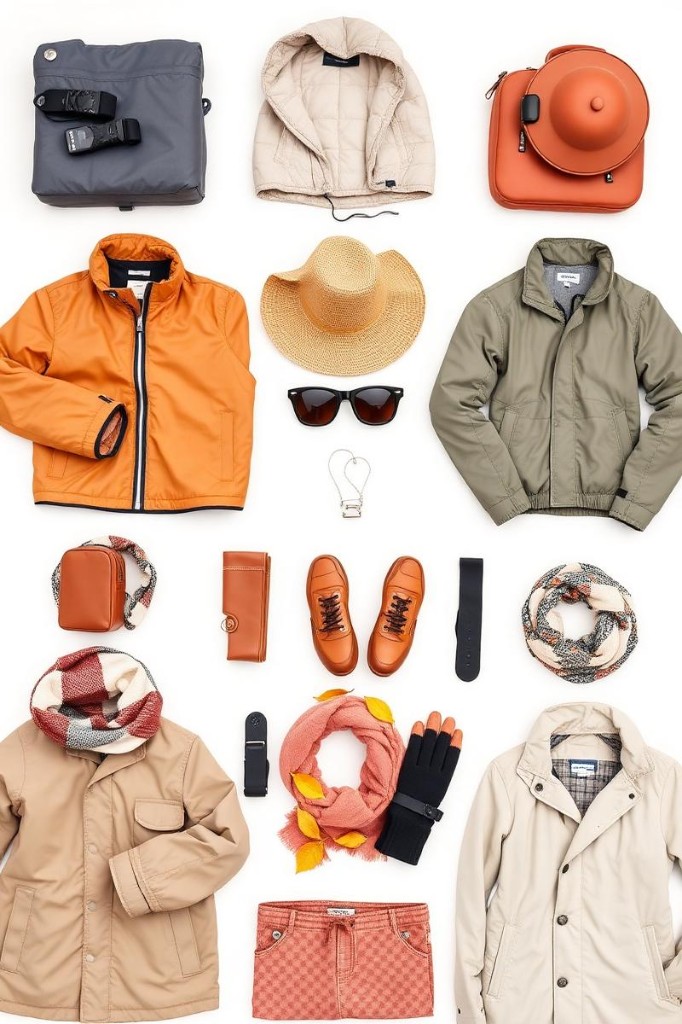
Travel clothing and gear by season

💰 Seasonal budget

PeriodAccommodation (€)Transport (€)Activities (€)Crowds (/5)Budget Tips
Nov-Feb80-15040-6050-805/5Book 3 months in advance
Mar-May60-12035-5040-603/5Negotiate rates
Jun-Oct40-8025-4025-401/5Take advantage of promotions

💡 Money-saving tips

  • Avoid December-January for milder prices
  • Book lodges in the dry season 4 months in advance
  • Take advantage of reduced rates from June to September
  • Negotiate excursions in the low season
  • Prioritize local guesthouses for authenticity

🏥 Health and precautions

  • Vaccinations: Yellow fever mandatory, Hepatitis A and B recommended
  • Malaria: Prophylaxis necessary year-round, enhanced in the rainy season
  • Hydration: 3-4 liters (approx. 1 gallon) of water per day, avoid tap water
  • Sun protection: SPF 50+ sunscreen, covering clothing between 11 AM-3 PM
  • Rainy season: Watch out for mosquitoes, use 30% DEET repellent

Events & Festivals in The Gambia

Cultural calendar and festivities not to be missed in The Gambia

Gambian cultural events punctuate the seasons and significantly enrich the travel experience with their centuries-old traditions.

🎭 Roots Festival (January)

Description: The largest cultural festival in The Gambia celebrates African heritage and the diaspora. Dance performances, concerts, art exhibitions, and conferences take place in an exceptional festive atmosphere. The event attracts visitors from all over the world.

Location: Banjul and coastal region

Highlight: Historical reenactment of the arrival of Kunta Kinte

Climate impact: Perfect conditions in the cool dry season

🕊️ Tobaski (Date varies by lunar calendar)

Description: The Festival of Sacrifice, one of the most important Muslim celebrations in The Gambia. Families gather for festive meals and community prayers. It is a unique opportunity to discover authentic Gambian hospitality.

Location: Nationwide, particularly in mosques

Highlight: Community sharing and exceptional hospitality

Climate impact: Suitable for all seasons

🎵 International Music Festival (December)

Description: A celebration of West African musical richness featuring local and international artists. Open-air concerts, traditional percussion workshops, and the discovery of instruments like the kora create a magical atmosphere.

Location: Serrekunda and surrounding villages

Highlight: Fusion of traditional and modern music

Climate impact: Takes advantage of the dry and cool December climate

Seasonal events

Events by season:

Dry Season (Nov-May):

  • Roots Festival (January)
  • Independence Day Celebrations (February)
  • International Music Festival (December)

Rainy Season (Jun-Oct):

  • Local agricultural festivals (August-September)
  • First harvest ceremonies (October)
  • Religious holidays adapted to the lunar calendar

Responsible Travel in The Gambia

Traveling responsibly in The Gambia means respecting natural cycles, supporting the local economy, and minimizing environmental impact according to the seasons.

The Gambia, a small and ecologically fragile country, requires a respectful approach. Prioritize periods of lower crowds to reduce pressure on coastal and river ecosystems, which are particularly sensitive.

🌱 Low-season advantages

Traveling in the rainy season reduces your carbon footprint, supports local employment year-round, and allows you to discover the authentic Gambia.

♻️ Sustainable travel tips

  • Use reusable water bottles to reduce plastic waste
  • Prioritize local transport and community-based tours
  • Respect wildlife during safaris, maintain distances
  • Consume locally: seasonal fruits, fresh fish, artisanal products
  • Save water, a precious resource in the dry season

🏙️ Local sustainable initiatives

The Gambia is developing community-based ecotourism with marine conservation projects, mangrove reforestation programs, and solar energy initiatives in eco-friendly lodges.

Our Expert Recommendations

Expert recommendations for your trip to The Gambia

After analyzing climate data and field experience, our experts recommend optimal periods based on your priorities. These personalized tips maximize your experience while respecting Gambian seasonal specifics.

🏆 Optimal Period: November to February

Recommended months: November, December, January, February

Advantages:

  • Perfect weather conditions
  • Exceptional birdwatching
  • Sea ideal for water activities
  • All sites accessible
  • Numerous cultural festivals

Disadvantages:

  • High prices
  • Tourist crowds

Ideal profile: Families, senior travelers, passionate birdwatchers

⚖️ Balanced Alternative: March to May

Alternative months: March, April, May

Description: Interesting compromise between acceptable climatic conditions and softer prices

Specific advantages:

  • Reduced rates of 30-40%
  • Fewer tourists
  • Still good conditions for most activities

👥 Tips for your travel style

Tips by profile:

Family with children: November-February, avoid the high heat of March-May

Tight budget: June-October, take advantage of low-season promotions

Adventurers: May-October, authentic experience and lush landscapes

Luxury travelers: December-January, high season with premium services

Photographers: November-February for wildlife, June-September for green landscapes

⚠️ Periods to avoid: July to September

Peak of the rainy season with difficult roads and high humidity. Reserved for experienced travelers seeking authenticity.

Cities to explore

Discover the must-sees of urban travel

All cities

Frequently Asked Questions

Find essential answers to the most asked questions about the climate and travel planning in The Gambia.

What is the best time for birdwatching in The Gambia?

The optimal period is from November to February. This is the dry season when European migratory birds join resident species. Observation conditions are perfect with excellent visibility and comfortable temperatures at dawn.

Can you travel to The Gambia during the rainy season?

Absolutely! The rainy season (June-October) offers an authentic experience with lush green landscapes, very attractive prices, and few tourists. The rains are generally short and intense, giving way to sunshine. Just bring appropriate gear.

What temperatures can one expect in The Gambia?

Temperatures vary from 24°C to 37°C (75°F to 99°F) depending on the season. The coolest period is November-February (24-34°C / 75-93°F), and the hottest is March-May (26-37°C / 79-99°F). The rainy season brings some coolness with 24-34°C (75-93°F) due to precipitation.

Are there specific health risks depending on the season?

Malaria is present year-round but more active during the rainy season. Prophylaxis is essential. Yellow fever requires mandatory vaccination. During the dry season, be careful of dehydration and sunburn.

How should one dress according to the season in The Gambia?

Opt for lightweight cotton clothing year-round. In the dry season, add sun protection and a light jacket for evenings. In the rainy season, bring raincoats, waterproof shoes, and quick-drying clothing.