When to visit Kotu? City-Trip Guide

Discover the Gambian seaside resort with <strong>two seasonal faces</strong>: a sunny dry season and an authentic tropical rainy season.

  • 2.4 M population
  • English, Mandinka, Wolof language
  • 65 days rainy days/year
  • from November to April best time to visit
  • 4 to 8 days recommended stay

Tropical Climate of Kotu

Understanding the coastal tropical climate of Kotu

Kotu enjoys a Sudano-Sahelian tropical climate influenced by the Atlantic Ocean. This Gambian seaside resort features two distinct seasons: a sunny dry season and a refreshing rainy season, both ideal for different types of beach holidays.

  • Atlantic Coastal Zone: Climate moderated by marine trade winds, milder temperatures
  • Nearby Inland Zone: Slightly higher temperatures, less maritime influence
MonthMin Temp (°C / °F)Max Temp (°C / °F)Precipitation (mm)Sunshine (h/day)Tourist TrafficRecommended Activities
January16°C / 61°F32°C / 90°F29⭐⭐⭐⭐⭐Beach, excursions, bird watching
February17°C / 63°F34°C / 93°F19⭐⭐⭐⭐⭐Water sports, fishing
March19°C / 66°F36°C / 97°F09⭐⭐⭐⭐Beach, river safari
April21°C / 70°F37°C / 99°F19⭐⭐⭐Morning activities
May23°C / 73°F37°C / 99°F188⭐⭐Rest, spa
June24°C / 75°F34°C / 93°F897Local culture, relaxation
July24°C / 75°F31°C / 88°F2346Nature observation
August24°C / 75°F30°C / 86°F3125Spa, reading
September24°C / 75°F31°C / 88°F1986Nature photography
October23°C / 73°F33°C / 91°F647⭐⭐Hiking, beach
November20°C / 68°F34°C / 93°F58⭐⭐⭐⭐All activities
December17°C / 63°F33°C / 91°F19⭐⭐⭐⭐⭐Festivities, beach, excursions

Low altitude (0-20m / 0-66ft) with constant maritime influence moderating extreme temperatures and providing a refreshing evening breeze.

The Seasons

Activities by Weather

Optimize your stay in Kotu by choosing your activities according to weather conditions to fully enjoy this seaside destination.

☔ In rainy weather

Protected Activities

Enjoy indoor spaces and cultural experiences during tropical showers.

Activities:
🏨 Spas and wellness centers (full day) - 30-80€
🎨 Local craft workshops (2-3h) - 15-25€
🍽️ Traditional Gambian restaurants (meal) - 8-20€
🛍️ Covered markets of Serrekunda (half-day) - free
📚 Cultural centers and libraries - free
🎵 Bars with local live music - 5-15€

Practical Tip: Book spa treatments in advance, especially popular during the rainy season

Additional Tip: Combine market visits and culinary tasting for a complete experience
☀️ In good weather

Optimal Outdoor Activities

Fully exploit the tropical sun and ideal conditions for outdoor activities.

Activities:
🏖️ Kotu and Kololi beaches (day) - free
🚤 Boat excursions on the Gambia River (half-day) - 25-45€
🐦 Bird watching at Kotu Creek Reserve (3-4h) - 15€
🏄 Water sports and windsurfing (2h) - 20-40€
🎣 Sea fishing trips (day) - 50-80€
🌅 Sunset walks (1h) - free

Best time: Early morning (6am-10am) and late afternoon (4pm-7pm) to avoid the heat

Seasonal Tip: November to March offer optimal conditions with refreshing trade winds

🌤️ Versatile for all weather

Flexible Activities

Adaptable options allowing you to enjoy regardless of the weather at the moment.

Sites:
🏛️ National Museum of Banjul (indoor/outdoor)
🌳 Abuko Botanical Gardens (covered paths)
🏪 Tourist complexes with covered areas
🍹 Bar-restaurants with covered terraces
🚗 Tours in air-conditioned vehicles

Weather Tip: Start outdoors if the weather is nice, retreat indoors if necessary

Example Itinerary: Morning beach → covered lunch → afternoon museum depending on weather

💰 Budget activities

Free Experiences

Free Sites:
🏖️ All public beaches
🌅 Sunset viewpoints
🏘️ Walks in fishing villages
🎪 Street shows and local entertainment
🕌 Visit mosques (respect dress code)

Budget Tips: Local markets are cheaper, authentic Gambian restaurants, use shared taxis

Practical Guide

Prepare your stay in Kotu with our tips adapted to the tropical climate and the specificities of this Gambian seaside destination for a successful trip.

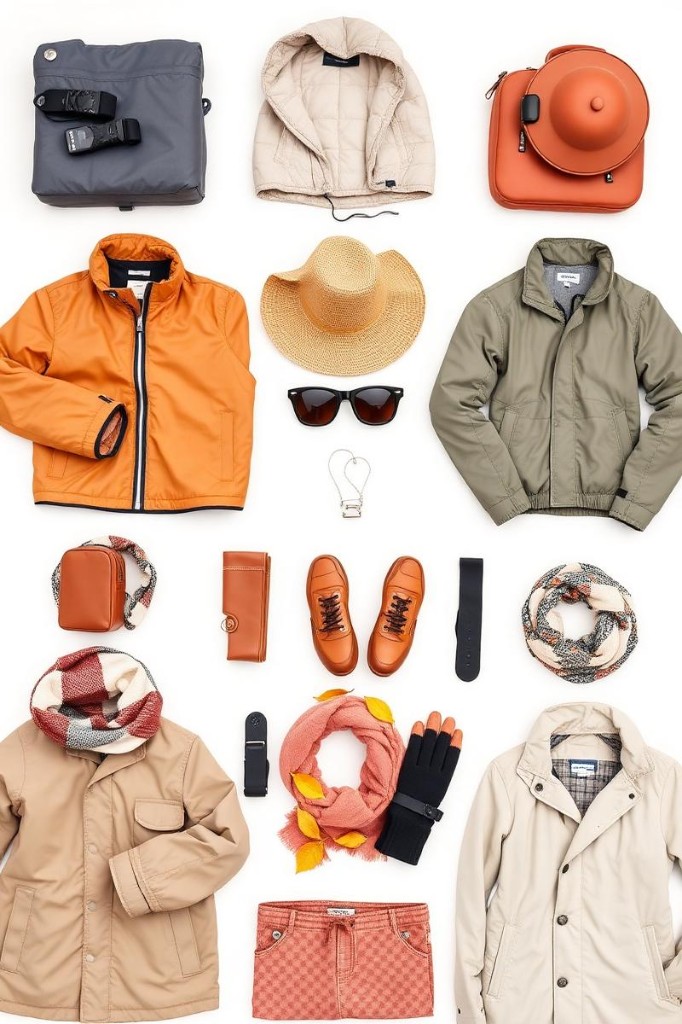
👕 Seasonal packing

Dry Season (Nov-May): • Lightweight cotton clothing • Swimwear • Sun hat and sunglasses • Sandals and closed-toe shoes • High SPF sunscreen

Rainy Season (Jun-Oct): • Lightweight waterproof clothing • Compact umbrella • Waterproof shoes • Quick-dry clothing • Mosquito repellent
Travel clothing and gear by season

💰 Seasonal budget

PeriodAccommodation (€/night)Transport (€/day)Restaurants (€/day)Activities (€)Traffic
High Season (Dec-Feb)80-20015-2525-5030-60⭐⭐⭐⭐⭐
Mid-Season (Nov, Mar-Apr)60-15012-2020-4025-50⭐⭐⭐⭐
Low Season (May-Oct)30-808-1515-3015-35⭐⭐

💡 Money-saving tips

• Book accommodation 3-4 months in advance for the dry season • Prioritize local restaurants (50% cheaper) • Negotiate group excursion rates • Avoid tourist areas for shopping • Use shared taxis instead of private ones

🏥 Health and precautions

• Anti-malaria protection recommended • Increased hydration (tropical heat) • SPF 50+ sunscreen • Effective mosquito repellent • First aid kit • Avoid tap water

Cultural Events

Calendar of must-see festivities in Kotu

Kotu and The Gambia offer a rich cultural calendar that transforms the atmosphere of the resort according to the seasons.

🎵 Roots Festival (May-June)

A major celebration of Afro-Gambian culture featuring concerts, traditional dances, and conferences on cultural heritage. The event attracts international artists and transforms Kotu into a cultural capital.

Location: Hotels and beaches in Kotu

Key Feature: Unique fusion of Gambian traditions and diaspora influences

Climate Impact: Transition period between dry and rainy season; bookings essential

Access: Special shuttles from Banjul and the airport

Tip: Book accommodation 6 months in advance

🎣 International Fishing Tournament (February)

A sport fishing competition bringing together local and international participants. Festive atmosphere with beach barbecues and nautical entertainment for 4 days.

Location: Kotu coast and marina

Key Feature: Mix of sport, gastronomy, and conviviality

Climate Impact: Optimal weather conditions, high tourist traffic

Access: Registration open to amateurs

Tip: Book seafood restaurants in advance

🕌 Tobaski/Tabaski (Variable date)

A major Muslim holiday that transforms the atmosphere of Kotu. Family celebrations, community sharing, and a unique spiritual ambiance in this multicultural destination.

Location: Mosques and community spaces

Key Feature: Welcoming to respectful visitors

Climate Impact: Some services reduced, authentic cultural experience

Access: Dress code must be respected

Tip: Inquire about protocols before participating

Seasonal events

Dry Season: • Beach concerts (December-March) • Night craft markets (January-April) • Water sports competitions (February-April)

Rainy Season: • Percussion festivals (July-August) • Harvest celebrations (September-October) • Traditional shows (June-September)

Responsible Tourism

Adopt an approach respectful of the environment and local communities during your stay in Kotu for sustainable tourism.

Kotu is developing more sustainable tourism: prioritize eco-certified accommodation, local restaurants employing residents, community guides, plastic reduction, respect for local traditions, and support for the authentic Gambian economy.

🌱 Low-season advantages

Visiting during the rainy season reduces tourist pressure, allows for authentic exchanges with locals, supports the economy during the off-season, and limits environmental impact.

♻️ Sustainable travel tips

• Choose accommodation with water/waste management • Eat at restaurants run by Gambians • Buy local crafts directly from producers • Avoid single-use plastic • Respect fragile natural sites • Use community guides

🏙️ Local sustainable initiatives

Kotu is developing eco-tourism projects: community recycling centers, local guide training, mangrove protection, hotel organic gardens, women's craft cooperatives, and environmental awareness.

Our Recommendations

Recommendations for your beach holiday in Kotu

Our climate analysis and field observations reveal the optimal periods according to your priorities: weather conditions, budget, tourist traffic, and cultural experiences. Kotu offers different experiences depending on the chosen season.

🏆 Optimal Period: November - February

Advantages:
• Perfect weather conditions (25-32°C / 77-90°F)
• Maximum sunshine for beach activities
• Refreshing evening trade winds
• Exceptional migratory bird watching
• Lively nightlife and festivals

Events: Fishing tournament, beach concerts, night markets

Disadvantages: High prices and heavy crowds in December-January

Ideal Profile: Families, couples, water sports enthusiasts

Stay Duration: 5-8 days recommended

⚖️ Balanced Alternative: March - April

Excellent compromise between favorable conditions and moderate prices. Warm but bearable temperatures, fewer crowds, intermediate prices.

Specific Advantages: Accommodation 30% cheaper, less crowded beaches, more intimate excursions

For whom: Flexible travelers, average budgets, couples seeking tranquility

👥 Tips for your travel style

Family: November-March, all-inclusive resorts, lifeguarded beaches, children's activities

Budget: May-October, local guesthouses, Gambian restaurants

Culture: June-August for authenticity, May-June for festivals

Romantic: December-February, sunsets, beach restaurants

First Trip: January-March, safe dry season

⚠️ Delicate Periods: July - September

Reasons: Intense daily rains, limited water activities, some establishments closed, high humidity

Nuances: Interesting period for tight budgets and lovers of cultural authenticity

Villes du même pays

All cities

Frequently Asked Questions

Answers to essential questions for planning your beach holiday in Kotu according to the tropical climate.

What is the best month to visit Kotu?

January and February offer optimal conditions: pleasant temperatures (16-34°C / 61-93°F), almost no rain, refreshing trade winds, and maximum sunshine. It is the ideal period for all beach activities, though it is more crowded and expensive. November and December are excellent alternatives with fewer crowds.

How many days should I plan for Kotu?

A stay of 4-6 days minimum allows you to enjoy the beaches, river excursions, and cultural discovery. 7-10 days offer an ideal pace to combine beach relaxation and exploration of The Gambia. Beach lovers can enjoy up to 2 weeks, especially in the dry season.

What to do in Kotu when it rains?

The rainy season reveals the authentic Kotu: spas and wellness centers, local craft workshops, Gambian cuisine tasting, visits to the covered markets of Serrekunda, cultural centers, and bars with live music. Tropical showers are often short and refreshing, allowing for outings between downpours.

What events should not be missed in Kotu?

The Roots Festival (May-June) celebrates Afro-Gambian culture with international concerts. The Fishing Tournament (February) animates the coast for 4 festive days. Tobaski celebrations offer a unique cultural immersion. In the dry season, beach concerts and night markets enliven the evenings.

What budget should I plan according to the season?

In high season (December-February): 120-200€/day for a couple (accommodation, meals, activities). Mid-season (November, March-April): 80-150€/day. Low season (May-October): 50-100€/day with prices halved. Book 3-4 months in advance to optimize prices in the dry season.