When to visit Cochabamba? City-Trip Guide

Discover the Bolivian city of eternal spring and its contrasting seasons, ranging from sunny dry spells to tropical rains.

  • 0.7 M population
  • Spanish, Quechua language
  • 85 days rainy days/year
  • May to September best time to visit
  • 3 to 5 days recommended stay

Climate and weather in Cochabamba

Understanding Cochabamba's semi-arid subtropical climate

Cochabamba enjoys a semi-arid subtropical climate tempered by its altitude of 2,500 meters / 8,202 feet. The urban heat island effect is moderated by valley winds, creating ideal conditions for exploring this Andean metropolis, often called the city of eternal spring.

  • City Center: Urban microclimate, 2-3°C / 3.6-5.4°F warmer, less windy
  • Mountainous Periphery: Cooler temperatures, slightly higher precipitation
  • Cochabamba Valley: Most protected area from winds, most stable climate
MonthMin Temp (°C / °F)Max Temp (°C / °F)Precipitation (mm / in)Sunshine (h/day)Tourist TrafficRecommended Activities
January12 / 5424 / 75110 / 4.35⭐⭐Museums, covered markets
February12 / 5424 / 7585 / 3.36⭐⭐Festivals, gastronomy
March11 / 5225 / 7765 / 2.67⭐⭐⭐Urban hiking
April8 / 4626 / 7925 / 1.08⭐⭐⭐⭐Neighborhood exploration
May5 / 4125 / 7710 / 0.49⭐⭐⭐⭐⭐All outdoor sites
June2 / 3623 / 735 / 0.29⭐⭐⭐⭐⭐Markets, panoramas
July2 / 3623 / 738 / 0.39⭐⭐⭐⭐⭐Winter festivals
August4 / 3925 / 7715 / 0.68⭐⭐⭐⭐Colonial architecture
September7 / 4526 / 7925 / 1.07⭐⭐⭐⭐Parks and gardens
October9 / 4827 / 8140 / 1.67⭐⭐⭐Urban walks
November10 / 5026 / 7955 / 2.26⭐⭐Shopping centers
December11 / 5225 / 7790 / 3.55⭐⭐End-of-year celebrations

The altitude of 2,500 meters / 8,202 feet causes significant thermal variations between day and night (up to 15°C / 27°F difference). Mornings are cool, afternoons are sunny, and evenings require a light jacket even in summer.

The Seasons

Must-sees according to the weather

Optimize your discovery of Cochabamba by adapting your visits to weather conditions. Each site reveals its charms according to the weather of the moment.

☔ In cloudy/rainy weather

Indoor & Sheltered

Cultural gems under cover reveal the historic soul of Cochabamba when the sky clouds over.

Must-see sites:
🏛️ Archaeological Museum (2h, 15 Bs, optimal afternoon)
🎨 Palacio Portales (1.5h, 20 Bs, morning guided tours)
⛪ Metropolitan Cathedral (45min, free, morning masses)
🏪 Mercado La Cancha (3h, free, partially covered)
🍽️ Quillacollo gastronomic centers (2h, variable)
📚 Casa de la Cultura (1h, 10 Bs, temporary exhibits)
🛍️ Multiplaza Shopping Center (free, air-conditioned)

Practical Tip: Book online for the Palacio Portales, avoid peak hours (11am-2pm)

Additional Tip: Combine museum + cathedral + gourmet lunch for a full cultural day

☀️ In good weather

Optimal Outdoor

Panoramas and open spaces reveal all their splendor under the Andean sun.

Outdoor sites:
🗻 Cristo de la Concordia (3h with cable car, 25 Bs, sunrise/sunset)
🌳 Parque de la Familia (2h, free, cool mornings)
🏛️ Plaza 14 de Septiembre (1h, free, colonial architecture)
🚶 Casco Viejo historic district (3h, free, ideal morning)
🌺 Martín Cárdenas Botanical Garden (2h, 10 Bs, afternoon)
🏔️ La Coronilla Viewpoint (1.5h, free, golden hour)
🎪 Alalay Sunday Fair (4h, free, Sunday morning)

Best time of day: Sunrise at the Cristo (6:30am), golden hour at viewpoints (5pm-6pm)

Seasonal Tip: May to September is optimal; avoid 12pm-3pm in summer for long walks

🌤️ Versatile for any weather

Flexible

Adaptable sites combining covered and open spaces to adjust to weather whims.

Versatile sites:
🏪 San Antonio Market (covered + terraces)
🍺 City center craft breweries (terraces + indoor rooms)
🎭 Achá Theater (shows + terrace cafe)
🏛️ Universidad Mayor complex (buildings + parks)
🍽️ Recoleta restaurants (covered patios + terraces)

Weather Tip: Start with the outside if the weather is good, retreat inside if showers occur

Example Itinerary: San Antonio Market in the morning → lunch on a covered patio → museum if raining or park if sunny

💰 Free or budget-friendly

Cost-effective

Budget-friendly discoveries to explore Cochabamba without impacting your travel budget.

Free sites:
🚶 Colonial architecture circuit in the city center
🌳 All public parks and squares
⛪ Churches and cathedrals (mass times)
🎪 Local markets (Alalay, San Antonio)
🏔️ Natural viewpoints and lookouts

Free days: Municipal museums are free on Sunday mornings for residents

Budget tips: Picnics in parks, street food in markets, public transport (2 Bs), public water fountains

Practical Guide

Essential tips to optimize your city trip to Cochabamba based on Andean climate variations and the specificities of this high-altitude metropolis in the heart of Bolivia.

👕 Seasonal packing

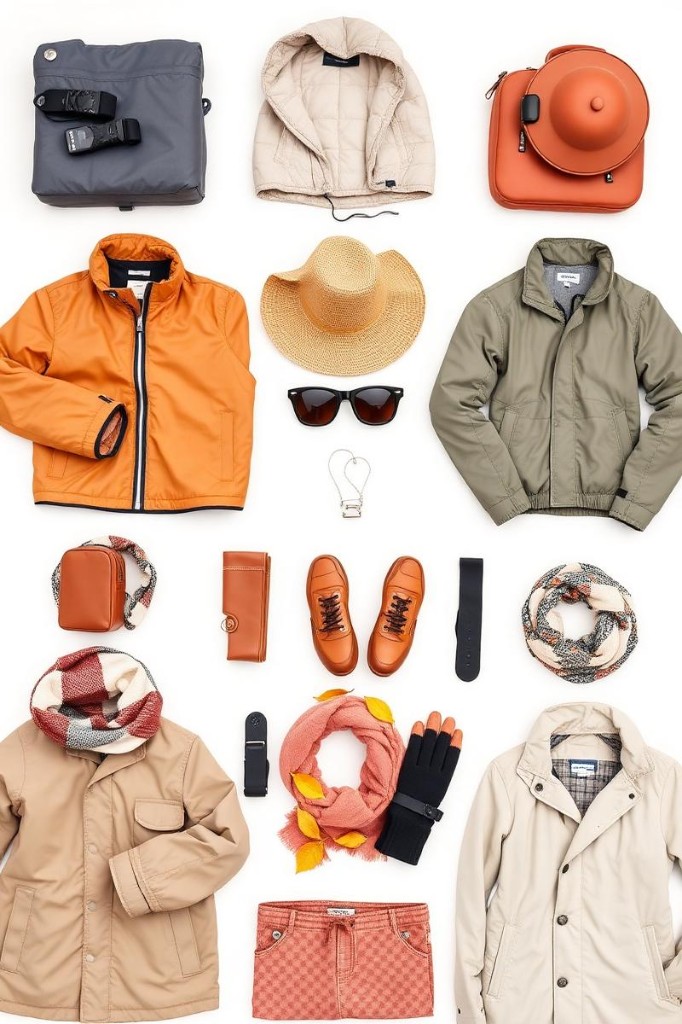
Dry season (May-October): • Comfortable non-slip walking shoes • Fleece jacket for mornings/evenings • High-protection sunscreen for altitude • Hat and sunglasses • Lightweight backpack with water bottle

Wet season (November-April): • Waterproof, quick-drying shoes • Compact rain jacket • Travel umbrella • Breathable, quick-drying clothing • Waterproof bag for electronics • Constant adaptability for indoor-outdoor transitions
Travel clothing and gear by season

💰 Seasonal budget

PeriodCity Center Accommodation (€/night)Transport (€/day)Restaurants (€/day)Attractions (€)Traffic
High season (May-Sept)25-453-512-2515-30⭐⭐⭐⭐⭐
Shoulder season (Oct-Nov, Mar-Apr)20-353-510-2015-25⭐⭐⭐
Low season (Dec-Feb)15-282-48-1810-20⭐⭐
Special Festivals30-604-615-3020-40⭐⭐⭐⭐

💡 Money-saving tips

Transport: 50 Bs monthly 'trufi' pass is very cost-effective; walking is preferred in the compact center • Dining: Lunch 'almuerzo' 15-25 Bs vs dinner 40-80 Bs; markets offer authentic street food • Accommodation: Recoleta/Cala Cala neighborhoods are cheaper than the historic center • Attractions: Free entry to municipal museums on Sundays, free walking tours available • Shopping: Mercado La Cancha for local souvenirs at unbeatable prices

🏥 Health and precautions

Altitude: Increase hydration, avoid alcohol for the first few days, pace your activities • Sun: Maximum UV protection as rays are intensified by altitude; sunglasses are essential • Pollution: Morning peaks in the city center; prefer peripheral parks • Intensive Walking: Well-worn shoes are mandatory; take frequent breaks • Health: 24h pharmacies on Av. Heroínas; bottled water is recommended

Urban Events

Calendar of must-see events in Cochabamba

Festivals and celebrations pace life in Cochabamba, transforming the urban atmosphere and revealing the mestizo cultural soul of this regional capital.

🎭 Festival of the Virgin of Urkupiña (August 14-16)

The largest pilgrimage in Bolivia transforms Quillacollo and Cochabamba into a theater of popular devotion. Folk dances, colorful processions, and traditional crafts fill the streets in an atmosphere of unique collective fervor.

Location: Quillacollo (15 km / 9.3 miles) and Cochabamba city center

Highlight: Over a million pilgrims, a syncretic mix of Catholic and Andean traditions

Climate Impact: Ideal dry season, accommodation booking essential 2 months in advance

Transport Access: Reinforced 'trufis' (shared taxis), departures from Plaza San Sebastián every 10 minutes

Planning Tip: City center accommodation fills up; consider staying in Quillacollo or the outskirts

🎪 Cochabamba Carnival (February-March)

An explosion of color and rhythm for 4 days as the city vibrates to the sound of 'comparsas'. Parade floats, scented water fights, and festive gastronomy turn the historic center into a giant popular dance floor.

Location: Av. Ballivián, Plaza 14 de Septiembre, popular neighborhoods

Highlight: Unique traditions like the 'ch'alla' and regional dances

Climate Impact: Wet season, showers possible but festive tropical atmosphere

Transport Access: City center closed to vehicles, walking mandatory, peripheral parking available

Planning Tip: Bring spare clothes, rain protection, and festive gear

🍺 Chicha Festival (September)

A celebration of the traditional Andean drink in a friendly atmosphere mixing tasting, folk music, and craft demonstrations. The event reveals ancestral culinary traditions in a modern urban setting.

Location: Parque de la Familia, cultural centers, traditional 'chicherías'

Highlight: Preparation contests, master 'chicheros', participatory workshops

Climate Impact: Perfect end to the dry season, ideal temperatures for outdoor activities

Transport Access: Reinforced urban buses, easy access to Parque Familia

Planning Tip: Book specialized restaurants in advance, enjoy tastings in moderation

Seasonal events

Dry Season: • Fiesta del Señor de Mayo (May 3, processions) • Cochabamba Anniversary (September 14, civic parades) • International Film Festival (August, city cinemas) • Feria de Todos Santos (November 1-2, traditional gastronomy)

Wet Season: • Andean New Year (June 21, ancestral celebrations) • Christmas (December, craft markets) • Summer Festival (January, outdoor concerts) • Holy Week (March-April, religious processions). Note: Local holidays cause banks and government offices to close.

Responsible City-Trip

Adopt respectful urban tourism that preserves Cochabamba's authenticity while minimizing your environmental and social impact in this growing Andean metropolis.

Cochabamba offers multiple sustainable alternatives: dense public transport network, authentic local markets vs shopping malls, family-run accommodation, and walking tours discovering traditional artisans. Prioritize community initiatives that redistribute tourism profits directly to local families.

🌱 Low-season advantages

Visiting during the wet season reduces tourist pressure, allows for authentic exchanges with residents, supports the local economy during the off-season, and reveals the lesser-known tropical face of this Andean destination.

♻️ Sustainable travel tips

Mobility: Collective 'trufis' (2 Bs), bike rentals in the city center, walking for short distances • Food: Local markets vs supermarkets, family restaurants in residential neighborhoods • Accommodation: Family-run hostels, peripheral eco-lodges, avoid international chains • Shopping: Direct artisan crafts, avoid tourist intermediaries • Waste: Reusable water bottle, refuse plastics, recycling available • Respect: Ask before taking photos of people, fair tips for local guides

🏙️ Local sustainable initiatives

The city is developing innovative green projects: expanding bike paths, weekly organic markets, community recycling programs, ecological renovation of the historic center, promotion of community tourism in peripheral valleys, and environmental certification for family-run accommodations.

Our Recommendations

Recommendations for your city trip to Cochabamba

After analyzing climate data, tourist traffic, and cultural events, we offer personalized recommendations to optimize your discovery of Cochabamba. The choice of period drastically influences your experience: weather conditions for outdoor activities, accommodation prices, festive atmosphere, and accessibility of sites of interest.

🌟 Optimal Period

Months: May to September (dry season)

Advantages:
• Constant azure blue sky, ideal for urban photography and landscapes
• Perfect conditions for walking and exploring all neighborhoods
• Maximum visibility of Cristo de la Concordia and mountains
• Restaurant terraces and outdoor markets accessible
• Pleasant daytime temperatures, invigorating nocturnal coolness

Key Events: Virgin of Urkupiña Festival (August), Cochabamba Anniversary (September), Chicha Festival

Disadvantages: Peak tourist traffic, accommodation prices +30%, advance booking necessary

Ideal Profile: First-time travelers, families, photographers, urban hikers

Stay Duration: 3 to 5 days recommended

⚖️ Interesting Alternative

Months: March-April and October-November (shoulder seasons)

Description: Ideal compromise between favorable weather conditions and moderate crowds. Some showers possible but generally short, mild temperatures, and preserved authentic local atmosphere.

Specific Advantages: Accommodation prices -20%, shorter queues at attractions, easier interaction with local population, lush vegetation

For Whom: Experienced travelers, moderate budgets, local culture enthusiasts, weather-flexible travelers

👥 Tips for your travel style

Family: May-September, Recoleta neighborhood, parks and cable car, terrace restaurants

Budget: March-April or October-November, peripheral hostels, public transport, local markets

Culture: All year round, historic center, museums and festivals, local guides

Romantic: June-August, sunset viewpoints, gourmet restaurants, charming accommodation

Weekend: Avoid festivals (overbooking), compact city center circuit

First Trip: May-September absolutely, English-speaking guide, secure city center accommodation

⚠️ Periods to Avoid

Months: December-February (peak wet season)

Reasons: Daily unpredictable showers limiting outdoor activities, high humidity, some high-altitude sites inaccessible, transport disruptions

Nuance: Acceptable for indoor cultural stays, Carnival festival fans, very tight budgets (prices -40%)

Villes du même pays

All cities

Frequently Asked Questions

Answers to essential questions to effectively plan your city trip to Cochabamba according to the specificities of the Andean climate.

What is the best month to visit Cochabamba?

May to September offers optimal conditions with consistently clear skies, pleasant temperatures (23-25°C / 73-77°F), and an almost total absence of precipitation. June-July are the peak months with perfect visibility of the surrounding mountains. Avoid December-February (rainy season) unless you enjoy the tropical atmosphere and reduced prices (-40% on accommodation).

How many days should I plan for Cochabamba?

3 to 4 days are enough to discover the essentials: historic center, Cristo de la Concordia, traditional markets, and local gastronomy. Add 1-2 days to explore Quillacollo, surrounding valleys, or delve deeper into local culture. A long weekend (3 days) suits busy travelers, while 5-7 days allow for a relaxed pace with nature excursions and full cultural immersion.

What to do in Cochabamba if it rains?

There are many indoor alternatives: Palacio Portales (remarkable architecture), Archaeological Museum, Metropolitan Cathedral, Mercado La Cancha (partially covered), gastronomic centers to discover local cuisine, and craft breweries with a warm atmosphere. Rainy afternoons are perfect for traditional massages, cooking classes, or shopping in air-conditioned malls.

Which events should not be missed in Cochabamba?

The Virgin of Urkupiña Festival (August 14-16) remains the major event with over a million participants. The Carnival (February-March) offers a unique festive atmosphere despite the risk of rain. In September, the Chicha Festival reveals culinary traditions. The Cochabamba Anniversary (September 14) combines civic parades and patriotic spirit in ideal weather conditions.

What budget should I expect depending on the season?

High season (May-September): 60-90€/day (accommodation 25-45€, meals 12-25€, activities 15-30€). Low season (December-February): 35-55€/day with significant accommodation discounts (-40%) and restaurant deals. Shoulder seasons: 45-70€/day, an ideal compromise. Add 50% during major festivals (Urkupiña, Carnival). Minimum backpacker budget: 25€/day low season, 35€ high season.