When to visit Salar de Uyuni? Complete Guide

Between magical water mirrors and crystalline expanses, discover the seasonal secrets of the world's largest salt desert.

  • Spanish, Quechua, Aymara language
  • 45 days rainy days/year
  • from May to October best time to visit
  • 3 to 5 days recommended stay

Climate of Salar de Uyuni

Understanding the high-altitude desert climate of Salar de Uyuni

Salar de Uyuni enjoys a high-altitude desert climate at 3,656 meters / 11,995 feet, characterized by extreme temperature fluctuations and two distinct seasons: dry and wet.

The salt desert features a unique microclimate influenced by the Andean altitude, creating specific weather conditions with freezing nights and sunny days.

MonthMin Temp (°C / °F)Max Temp (°C / °F)Precipitation (mm / in)Sunshine (h/day)Tourist TrafficRecommended Activities
January3°C / 37°F21°C / 70°F140mm / 5.5in6⭐⭐Water mirrors, reflection photos
February3°C / 37°F21°C / 70°F120mm / 4.7in6⭐⭐Flamingos, reflections
March1°C / 34°F21°C / 70°F80mm / 3.1in7⭐⭐⭐Transition, mixed conditions
April-3°C / 27°F22°C / 72°F25mm / 1.0in8⭐⭐⭐Start of dry season
May-8°C / 18°F22°C / 72°F5mm / 0.2in9⭐⭐⭐⭐Salt formations, hiking
June-11°C / 12°F20°C / 68°F2mm / 0.1in9⭐⭐⭐⭐⭐Perfect polygons, islands
July-12°C / 10°F20°C / 68°F2mm / 0.1in9⭐⭐⭐⭐⭐Optimal conditions
August-10°C / 14°F22°C / 72°F5mm / 0.2in9⭐⭐⭐⭐⭐Clear sky, max visibility
September-6°C / 21°F24°C / 75°F15mm / 0.6in8⭐⭐⭐⭐Mild temperatures
October-2°C / 28°F26°C / 79°F25mm / 1.0in8⭐⭐⭐End of dry season
November1°C / 34°F26°C / 79°F45mm / 1.8in7⭐⭐⭐First rains
December2°C / 36°F23°C / 73°F85mm / 3.3in6⭐⭐Water mirror formation

The high altitude causes significant temperature variations between day and night, which can reach a 30°C / 54°F difference, requiring appropriate clothing preparation.

The Seasons

Sites according to weather conditions

Optimize your discovery of Salar de Uyuni by adapting your visits to weather conditions for an unforgettable experience.

☀️ In dry weather (May-October)

Magic of reflections

The rainy season transforms the landscape into a natural mirror for extraordinary shots.


Accessible sites:
📸 Center of the Salar - Perfect mirror effect - Variable depending on rain - Sunrise/sunset
🦩 Laguna Hedionda - Flamingos - 30 Bs - Morning
🏛️ Uyuni city - Logistics base - Accommodations - Evening
🚂 Train cemetery - Accessible - Free - Avoid noon
🧂 Salt piles - White pyramids - Photo included - Afternoon


Best moment: Golden hour for spectacular golden reflections

Seasonal tip: Check weather conditions daily
💧 In wet weather (November-April)

🌤️ Mixed conditions (March-April, November)

Transition periods

These months offer the best compromise between accessibility and visual phenomena.


Versatile sites:
🏝️ Incahuasi Island - Always accessible
🌅 Panoramic viewpoints - Sunrise/sunset adaptable
🏛️ Uyuni cultural sites - Weather independent


Weather tip: Plan flexible activities according to the day's conditions

Typical itinerary: Morning guaranteed sites, afternoon depending on weather

🎯 Must-sees all season

Permanent essentials


Guaranteed sites:
🌅 Sunrise over the Salar - Daily spectacle guaranteed
🏛️ Salt Museum - Local history - 10 Bs - Indoor
🍽️ Salt Hotel - Unique restaurant - Meals included in tours
🛒 Uyuni Market - Local souvenirs - Free - Morning


Budget tips: Negotiate group tours, avoid high-season supplements

Practical Guide

Prepare your adventure at Salar de Uyuni with our essential tips to face the extreme conditions of this unique high-altitude desert.

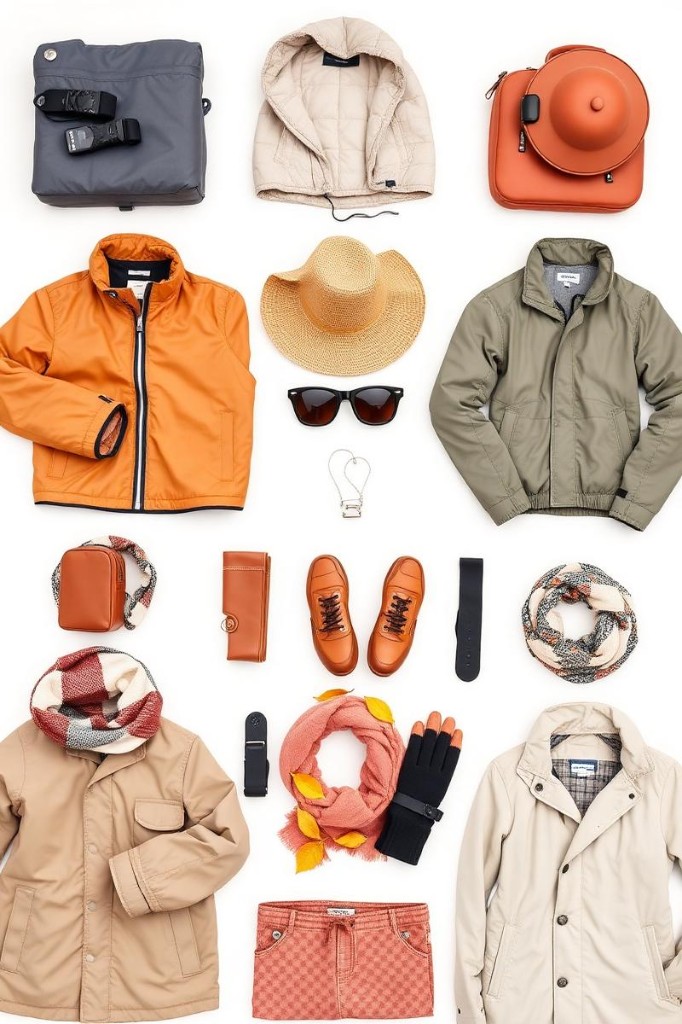
👕 Seasonal packing

Dry season: • Warm clothing in layers • Beanie and gloves essential • High-protection sunglasses • Hiking boots • SPF50+ sunscreen

Wet season: • Waterproof clothing • Waterproof boots • Windbreaker jacket • Thermal layers • Protection against glare
Travel clothing and gear by season

💰 Seasonal budget

PeriodUyuni Accommodation (€/night)1-day Tours (€)3-day Tours (€)Meals (€/day)Traffic
May-Aug25-4535-50180-25015-25⭐⭐⭐⭐⭐
Sept-Oct20-3530-45160-22012-20⭐⭐⭐⭐
Nov-Feb15-2525-35120-18010-15⭐⭐
Mar-Apr18-3030-40150-20012-18⭐⭐⭐

💡 Money-saving tips

Book group tours to save 30%, negotiate multi-day packages, prefer accommodation in Uyuni rather than expensive salt hotels, buy provisions in town, avoid sunrise supplements.

🏥 Health and precautions

Altitude sickness: Gradual arrival, increased hydration • Sun protection: Intense glare on salt • Hypothermia: Freezing nights even in summer • Dehydration: Dry high-altitude air • Pharmacy: Altitude medication, UV protection

Events and Festivals

Calendar of cultural events around Salar de Uyuni

Enhance your discovery of the Salar by participating in local celebrations that punctuate the life of the surrounding Andean communities.

🎭 Oruro Carnival (February-March)

The largest carnival in Bolivia, a UNESCO World Heritage site, takes place a 2.5-hour drive from the Salar. Folk dances, sumptuous costumes, and Andean music transform the city into an open-air theater for a week.

Location: Oruro, accessible from Uyuni

Specialty: Fusion of pre-Hispanic and Catholic traditions

Climate impact: Wet season, possible weather disruptions, bookings essential

Access: Bus from Uyuni or La Paz

Anticipation: Book accommodation 6 months in advance

🌾 Quinoa Festival (March)

Celebration of the golden grain of the Andes in the villages around the Salar. Culinary demonstrations, traditional dances, and craft markets honor this sacred food of the local populations.

Location: Villages of Colchani and surroundings

Specialty: Authentic immersion in Aymara culture

Climate impact: End of rainy season, variable conditions

Access: Can be integrated into Salar tours

Anticipation: Contact local agencies for inclusion

🎆 Independence Day (August 6)

Bolivian national celebration with military parades and popular festivities in Uyuni. Patriotic atmosphere and folk shows animate the base city for exploring the Salar.

Location: Uyuni city center

Specialty: National pride and local traditions

Climate impact: Peak austral winter, very cold nights

Access: Festivities concentrated in the city

Anticipation: Accommodations are in high demand, book early

Seasonal events

Dry season: • Feast of the Virgin of Copacabana (August) • Winter Solstice (June) - astronomical observations • Aymara New Year (June)

Wet season: • Regional Carnival (February-March) • Feast of Candelaria (February) • Andean Easter (March-April) - processions in villages

Responsible Travel

Discover Salar de Uyuni by respecting this fragile ecosystem and supporting the local communities who are its guardians.

Salar de Uyuni, a global lithium reserve and unique ecosystem, requires a respectful approach. Prioritize local agencies, respect the fragility of the salt environment, support the community economy, and minimize your environmental impact.

🌱 Low-season advantages

Visiting during the wet season reduces tourist pressure, supports the local economy during the off-season, and offers a more authentic experience with fewer vehicles on the salar.

♻️ Sustainable travel tips

Choose certified local agencies, respect off-road driving bans, take your trash with you, buy local crafts, use reusable water bottles, respect sacred Aymara sites, limit large groups.

🏙️ Local sustainable initiatives

Communities are developing controlled community tourism with family accommodations, trained local guides, protection of sensitive areas, sustainable salt extraction management, and preservation of ancestral traditions.

Our Recommendations

Recommendations for your trip to Salar de Uyuni

After analyzing weather conditions, tourist traffic, and natural phenomena, here are our personalized tips to optimize your discovery of the Salar de Uyuni according to your expectations and traveler profile.

🏆 Optimal period: May to August

Recommended months: June, July, August


Advantages:
• Guaranteed access to all sites in the salar
• Perfect polygonal formations for photography
• Clear sky and exceptional visibility
• Ideal conditions for astronomy
• Spectacular optical effects


Key events: Aymara New Year (June), Independence Day (August)

Disadvantages: Maximum traffic, high prices, freezing nights

Ideal profile: Photographers, astronomy enthusiasts, first-time visitors

Stay duration: 3 to 4 days recommended

⚖️ Balanced alternative: March-April, September-October

Alternative months: March, April, September, October

Description: Perfect compromise between accessibility and visual phenomena with fewer crowds and moderate rates.


Specific advantages: Prices 20-30% lower, smaller groups, variable but manageable weather conditions

For whom: Flexible travelers, moderate budgets, honeymoon couples

👥 Tips for your travel style

Family: May-September + tours adapted for children + Uyuni accommodation + altitude protection

Budget: March-April/October + Uyuni hostels + group tours + negotiation

Photographer: June-August (formations) or January-February (mirrors) + cold weather equipment + private tours

Adventurer: Any season + 3-4 day tours + bivouac + technical equipment

First trip: June-August + English-speaking guide + classic tour + altitude preparation

⚠️ Delicate periods: December-February

Months concerned: December, January, February

Reasons: Intense rains limiting access, impassable roads, frequent excursion cancellations

Nuances: Ideal for experienced photographers seeking the unique mirror effect

Villes du même pays

All cities

Frequently Asked Questions

Answers to essential questions to prepare for your trip to Salar de Uyuni based on weather conditions.

What is the best time to visit Salar de Uyuni?

The dry season from May to October offers the best conditions with guaranteed access to all sites and perfect salt formations. June to August are optimal despite the crowds. For the unique mirror effect, prefer January-February despite access constraints.

How many days should I plan for Salar de Uyuni?

3 to 4 days minimum are recommended: 1 day for the classic Salar, 2-3 days for the colored lagoons and geysers. 1-day tours are suitable for a quick overview, but 3-day circuits reveal the full diversity of the Sud Lipez region.

What to do in Salar de Uyuni in case of rain?

Rains create the spectacular mirror effect but limit access. Alternatives: salt museum in Uyuni, train cemetery which remains accessible, Colchani village, and above all, patience to capture the magical reflections at sunrise/sunset.

Which events should not be missed at Salar de Uyuni?

The Oruro Carnival (February-March) remains a must-see 2.5 hours from the Salar. Locally, the Quinoa Festival (March) and the Aymara New Year (June) offer authentic cultural immersion in Andean traditions.

What budget should I plan according to the season?

Expect 150-300€ / $160-$320 USD for 3 days depending on the season: 250-300€ / $270-$320 USD in high season (June-August), 150-200€ / $160-$215 USD in wet season (December-February). Includes Uyuni accommodation, tours, meals. Add 50-100€ / $55-$110 USD for salt hotels and private tours.