When to visit Bolivia? Complete Guide

Between the glacial Altiplano and tropical plains, Bolivia unveils a fascinating climatic mosaic that transforms the experience depending on the season.

  • 12.3 M population
  • Spanish, Quechua, Aymara language
  • 120 days rainy days/year
  • May to October best time to visit
  • 10 to 21 days recommended stay

Weather and Climate in Bolivia

Understanding Bolivia's contrasting climate

Bolivia's exceptional geography creates four distinct climate zones, ranging from the Altiplano at 4,000m / 13,123ft altitude to the Amazonian plains. Altitude and latitude drastically influence temperatures and precipitation, shaping your travel experience.

  • Altiplano (3,500-4,000m / 11,483-13,123ft): Dry and cold mountain climate, large daily temperature fluctuations.
  • Central Valleys (1,500-3,000m / 4,921-9,843ft): Pleasant temperate climate, mild temperatures all year round.
  • Yungas (500-1,500m / 1,640-4,921ft): Humid subtropical zone, significant rainfall and lush vegetation.
  • Eastern Plains (200-500m / 656-1,640ft): Hot and humid tropical climate, distinct seasons.
MonthAltiplanoValleysYungasPlains
Jan-MarRainy/ColdHumid/MildVery humidHot/Rainy
Apr-MayTransitionIdealLess humidPleasant
Jun-AugDry/Very coldCool/DryDryCool/Dry
Sep-NovDry/ColdIdealTransitionHot/Dry
DecemberStart of rainsHumidHumidStart of rains

Altitude creates dramatic temperature gaps: from 30°C / 86°F in the plains to -10°C / 14°F on the Altiplano on the same night. This diversity allows you to experience multiple climates in a single trip.

Seasons in Bolivia

Climate by Bolivian Region

The topographic diversity of Bolivia creates radically different climates depending on the region. Altitude, exposure, and latitude generate spectacular climatic variations that directly influence your itinerary and equipment.

🏔️ Altiplano and High Plateaus

The Bolivian Altiplano offers a high-mountain climate with extreme conditions. This region is home to La Paz, the Salar de Uyuni, and Lake Titicaca, in an environment where altitude dictates strict climatic rules.

PeriodWeatherTemperatureActivities
May-OctDry/Sunny-5°C to 15°C / 23°F to 59°FTrekking, Salar, Titicaca
Nov-AprRainy/Cloudy0°C to 18°C / 32°F to 64°FMirror Salar, city
Climatic specifics:
  • Daily temperature range of 20-25°C / 36-45°F
  • Extreme UV radiation all year round
  • Constant risk of altitude sickness
  • Strong winds and very dry air

🌿 Central Valleys (Cochabamba, Sucre)

The central valleys enjoy an ideal temperate climate, nicknamed the "eternal spring." This region offers the most pleasant conditions in the country with mild temperatures all year round.

PeriodWeatherTemperatureActivities
May-OctDry/Perfect10°C to 25°C / 50°F to 77°FAll activities
Nov-AprModerate rain15°C to 28°C / 59°F to 82°FCultural visits
Climatic specifics:
  • Most stable climate in the country
  • Moderate and well-distributed rainfall
  • Ideal for altitude acclimatization
  • Perfect conditions for agriculture

🌺 Yungas (Death Road)

The Yungas present a humid subtropical climate with lush vegetation. This transition zone between the Altiplano and the Amazonian plains offers spectacular landscapes but changing weather conditions.

PeriodWeatherTemperatureActivities
May-OctLess humid15°C to 28°C / 59°F to 82°FDeath Road, trekking
Nov-AprVery humid18°C to 30°C / 64°F to 86°FNature observation
Climatic specifics:
  • Frequent morning fog
  • Significant rainfall all year round
  • Microclimates depending on exposure
  • Dense tropical vegetation

🌴 Eastern Plains (Santa Cruz)

The eastern plains experience a tropical climate with marked seasons. This economic region of the country offers heat and humidity, contrasting totally with the Altiplano.

PeriodWeatherTemperatureActivities
May-OctDry/Pleasant18°C to 30°C / 64°F to 86°FNational parks, city
Nov-AprHot/Humid22°C to 35°C / 72°F to 95°FIndoor activities
Climatic specifics:
  • Very distinct seasons
  • Spectacular tropical storms
  • High humidity in summer
  • Refreshing southern winds in winter

Practical Guide for Bolivia

Traveling in Bolivia requires meticulous preparation adapted to extreme climate variations. From specific equipment to seasonal budget considerations, this guide helps you prepare for a successful stay in all Bolivian regions.

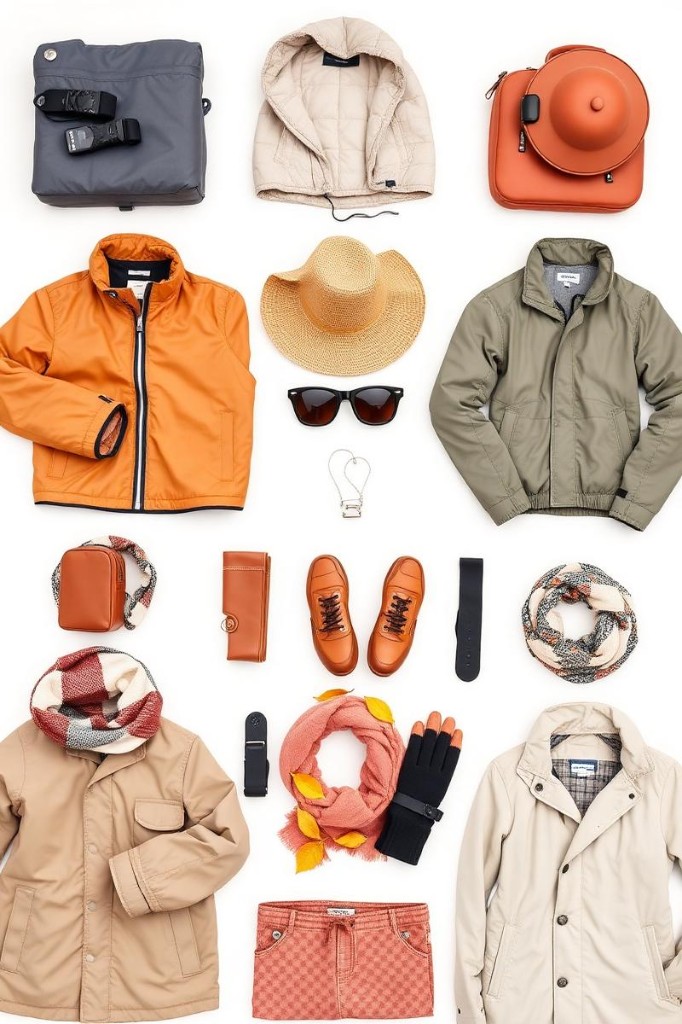
👕 Seasonal packing

Seasonal Equipment:

Dry Season (May-October):

  • Warm layered clothing (fleece, down jacket)
  • Hat, gloves, and scarf are essential
  • High protection sunscreen (SPF 50+)
  • Category 4 sunglasses
  • Waterproof trekking shoes

Wet Season (November-April):

  • Waterproof clothing (poncho, rain jacket)
  • Breathable and quick-drying clothing
  • Waterproof shoes are mandatory
  • Mosquito protection
  • Dry bag for electronic equipment
Travel clothing and gear by season

💰 Seasonal budget

PeriodAccommodation (€)Transport (€)Activities (€)Crowds (/5)Budget Tips
May-Jun40-8025-4530-604/5Book early, avoid weekends
Jul-Aug50-10030-5540-805/5Maximum prices, plan ahead
Sep-Oct35-7520-4025-553/5Good quality-price balance
Nov-Apr25-6015-3520-452/5Negotiation possible

💡 Money-saving tips

  • Travel in low season (January-March) to save 30-40%
  • Book accommodation 2-3 months in advance for high season
  • Prioritize local transport over organized tours
  • Negotiate prices in groups for activities
  • Avoid weekends and Bolivian public holidays

🏥 Health and precautions

  • Altitude: Gradual acclimatization mandatory, altitude sickness medication
  • Sun: Maximum protection (SPF 50+ sunscreen, hat, sunglasses) due to altitude
  • Hydration: Drink 3-4L / 100-135oz per day at altitude, purified water only
  • Wet Season: Mosquito repellent, dengue/malaria precautions in the plains
  • Vaccinations: Yellow fever mandatory for some areas, Hepatitis A/B recommended
  • Temperatures: Hypothermia risk on Altiplano, technical clothing essential

Events & Festivals in Bolivia

Cultural calendar and festivities not to be missed in Bolivia

Bolivian festivities punctuate the year and offer an authentic glimpse of Andean cultural richness, blending pre-Hispanic traditions with colonial influences.

🎭 Oruro Carnival (February-March)

The most spectacular carnival in South America, a UNESCO World Heritage site. Over 20,000 dancers and musicians parade through the streets of Oruro in a fascinating mix of Andean and Catholic traditions.

Location: Oruro, Altiplano

Highlights: Traditional Diablada, Morenada, and Caporales dances

Climate Impact: Rainy season, mild temperatures but risk of showers

🌟 Inti Raymi (June 21st)

The Festival of the Sun celebrates the winter solstice in the Inca tradition. Ancestral ceremonies and Andean rituals take place at archaeological sites with a unique mystical atmosphere.

Location: Tiwanaku, La Paz, archaeological sites

Highlights: Sunrise ceremony, offerings to Pachamama

Climate Impact: Dry season, intense cold but optimal clear skies

🕯️ Alasitas (January 24th)

The fair of wishes where Bolivians buy miniatures representing their wishes for the year. A unique tradition blending commerce, spirituality, and hope in a festive family atmosphere.

Location: Primarily La Paz, other Andean cities

Highlights: Ekeko (god of abundance), lucky miniatures

Climate Impact: Rainy season, pleasant summer temperatures at altitude

Seasonal events

Seasonal Events:

Dry Season (May-October):

  • Inti Raymi (June) - Festival of the Sun
  • Fiesta de la Virgen de Urkupiña (August) - Quillacollo
  • Day of the Dead (November) - Andean traditions

Wet Season (November-April):

  • Alasitas (January) - Fair of wishes
  • Oruro Carnival (February-March) - UNESCO
  • Andean Easter (March-April) - Processions

Responsible Travel in Bolivia

The fragile Bolivia requires tourism that respects its unique ecosystems and indigenous communities, particularly sensitive to climate variations and seasonal tourist influx.

Sustainable tourism in Bolivia involves respecting the delicate balance between economic development and environmental preservation. Andean and Amazonian ecosystems are under pressure from climate change, making it crucial to travel with an awareness of your ecological impact.

🌱 Low-season advantages

Traveling in the low season reduces pressure on local infrastructure, supports community-based economy in a spread-out manner, and decreases your carbon footprint through fewer flights and transport.

♻️ Sustainable travel tips

  • Prioritize community-based accommodation and certified eco-lodges
  • Use local public transport rather than private tours
  • Respect fragile natural sites (Salar, national parks)
  • Buy local handicrafts directly from producers
  • Save water, a rare resource at altitude
  • Avoid single-use plastics; altitude complicates recycling

🏙️ Local sustainable initiatives

Bolivia is developing community eco-tourism projects on Lake Titicaca, reforestation programs in the Yungas, and solar initiatives on the Altiplano, supporting local communities while preserving the environment.

Our Expert Recommendations

Expert recommendations for your trip to Bolivia

After analyzing climatic data and field feedback, our recommendations adapt to your travel priorities. Bolivia offers radically different experiences depending on the period, requiring precise planning to optimize your discovery of this country with a thousand climatic faces.

🌟 Optimal Period: May to September

Recommended months: May, June, July, August, September

Advantages:
  • Stable and predictable weather conditions
  • Guaranteed access to all sites (Salar, Titicaca)
  • Perfect visibility for photography
  • Roads passable everywhere
  • Ideal for trekking and outdoor activities
Disadvantages:
  • Intense cold on the Altiplano (down to -15°C / 5°F)
  • High tourist season (high prices)

Ideal profile: First-time visitors, families, trekkers, photographers

⚖️ Balanced Alternative: October-November

Alternative months: October, November

Justification: Transition period offering an optimal compromise between acceptable weather conditions and moderate crowds.

Specific advantages:
  • Milder temperatures than in mid-winter
  • Fewer tourists than in high season
  • Attractive intermediate prices
  • Beginning of landscape greening

👥 Tips for your travel style

Tips by traveler profile:

Family with children: May-September, central valleys prioritized, gradual altitude. Avoid July-August (too cold).

Budget traveler: January-March for reduced prices, accept weather constraints. Negotiation possible in low season.

Experienced adventurer: December-February for mirror Salar, extreme conditions. Technical equipment essential.

Luxury travel: May-June or September-October, avoid July-August crowds. High-end accommodation is limited.

Photographer: June-August for pure altitude light, January-February for Salar reflections. Protect equipment from cold/humidity.

❌ Periods to avoid: January-March

Intense rainy season making some areas inaccessible (roads cut, flights canceled). Reserved for experienced travelers who accept the unexpected and major logistical constraints.

Cities to explore

Discover the must-sees of urban travel

All cities

Frequently Asked Questions

Find essential answers to the most common questions about planning a trip to Bolivia based on climate conditions.

What is the best time to visit the Salar de Uyuni?

It depends on the desired experience: May to October for the classic salt desert with perfect visibility and full access to activities; January to March for the magical mirror effect, though with risks of inaccessibility due to rain.

How to manage the cold on the Bolivian Altiplano?

Prepare a layering system: thermal underwear, fleece, down jacket. Essentials: hat, gloves, warm shoes. Temperatures drop drastically at night (down to -15°C / 5°F even in summer).

Is altitude sickness inevitable in Bolivia?

Not necessarily, but likely above 3,500m / 11,483ft. Gradual acclimatization is recommended: arrive via Sucre or Cochabamba before La Paz. Maximize hydration, avoid alcohol, and use preventive medication if necessary.

Can you travel in Bolivia during the rainy season?

Yes, but flexibility is mandatory. Advantages: fewer tourists, reduced prices, green landscapes, mirror-effect Salar. Disadvantages: road closures, delayed flights, waterproof gear is essential.

How much time should I plan for a complete trip to Bolivia?

Minimum 10 days for the highlights (La Paz, Salar, Titicaca), 15-21 days to explore multiple climate regions. Altitude requires acclimatization time; do not underestimate distances and transport conditions.