When to visit Damongo? City-Trip Guide

Discover the gateway to Mole National Park according to tropical seasons for an optimal experience.

  • 0.05 M population
  • English, Gonja language
  • 85 days rainy days/year
  • November to March best time to visit
  • 3 to 5 days recommended stay

Climate and weather in Damongo

Understanding Damongo's tropical savanna climate

Damongo enjoys a tropical savanna climate characterized by two distinct seasons. Located in the Northern region of Ghana, the city is influenced by the harmattan and monsoon winds, creating contrasting weather conditions throughout the year.

  • Dry savanna zone: Arid climate with sparse vegetation, high temperatures during the dry season
  • Forest transition zone: More humid towards the south, denser vegetation, moderate rainfall
MonthMin Temp (°C / °F)Max Temp (°C / °F)Precipitation (mm / in)Sunshine (h/day)Tourist TrafficRecommended Activities
January18°C / 64°F35°C / 95°F5mm / 0.2in9⭐⭐⭐⭐Safari, hiking
February21°C / 70°F37°C / 99°F10mm / 0.4in9⭐⭐⭐⭐⭐Wildlife viewing
March24°C / 75°F39°C / 102°F25mm / 1.0in8⭐⭐⭐⭐Park visits
April25°C / 77°F38°C / 100°F75mm / 3.0in7⭐⭐⭐Local culture
May24°C / 75°F35°C / 95°F125mm / 4.9in7⭐⭐Rest, indoor activities
June23°C / 73°F33°C / 91°F150mm / 5.9in6⭐⭐Bird watching
July22°C / 72°F31°C / 88°F180mm / 7.1in5Nature photography
August22°C / 72°F30°C / 86°F200mm / 7.9in5Relaxation, reading
September23°C / 73°F32°C / 90°F175mm / 6.9in6⭐⭐Village discovery
October23°C / 73°F34°C / 93°F100mm / 3.9in7⭐⭐⭐Moderate hiking
November21°C / 70°F36°C / 97°F25mm / 1.0in8⭐⭐⭐⭐Optimal safari
December19°C / 66°F35°C / 95°F5mm / 0.2in9⭐⭐⭐⭐Full exploration

The modest altitude of Damongo (approximately 150m / 492ft) maintains consistently high temperatures with little variation due to terrain. The surrounding plains facilitate the circulation of seasonal winds.

The seasons in Damongo

Activities by weather

Optimize your stay in Damongo by adapting your activities to weather conditions to fully enjoy this unique destination.

☔ In rainy weather

Protected activities

Take advantage of covered spaces and cultural activities when rain visits Damongo.

Recommended sites:
🏛️ Mole Park Interpretation Center (2h, free, all year)
🎨 Covered craft markets (3h, economical, authentic)
🍽️ Traditional local restaurants (meals, 5-15€, specialties)
🏨 Lodges with common areas (relaxation, variable, comfort)
📚 Community library (reading, free, quiet)

Practical tip: Book cultural activities in advance; local guides are available even in bad weather

Additional tip: Combine a visit to the interpretation center with a culinary tasting for a complete cultural day
☀️ In good weather

Optimal outdoor

Take advantage of ideal conditions to discover the exceptional nature around Damongo.

Must-see sites:
🦏 Mole National Park (4h safari, 20€, sunrise/sunset)
🌳 Larabanga hiking trails (2-3h, 5€, cool morning)
💧 Wildlife observation water points (1-2h, free, early morning)
🏛️ Larabanga Ancient Mosque (1h, 3€, afternoon)
🌅 Panoramic viewpoints (30min, free, golden hour)

Best time of day: Sunrise (6am) and late afternoon (5pm-6pm) to avoid heat and optimize animal viewing

Season tip: November to February offer optimal conditions; avoid March-April for extreme heat

🌤️ Versatile for any weather

Flexible

Activities adaptable to frequent weather changes in the tropical zone.

Versatile sites:
🏘️ Larabanga Village (modular guided tour)
🎭 Cultural shows (indoor/outdoor depending on weather)
🚗 Vehicle circuits (covered safari possible)

Weather tip: Always keep a Plan B with covered activities; tropical weather can change quickly

Itinerary example: Morning safari if sunny, cultural afternoon if raining, traditional show in the evening

💰 Free or economical

No cost

Accessible discoveries:
🌅 Sunrise/sunset observation (free)
🏪 Exploring local markets (free + purchases)
🚶 Traditional village walks (free)
🌳 Short nature trails (free)

Free days: Interpretation center free on Sunday mornings for local residents

Budget tips: Local guide price negotiation, popular market meals, homestay accommodation possible

Practical Guide

Prepare for your trip to Damongo with these essential tips to face the tropical climate and fully enjoy your stay in this region of northern Ghana.

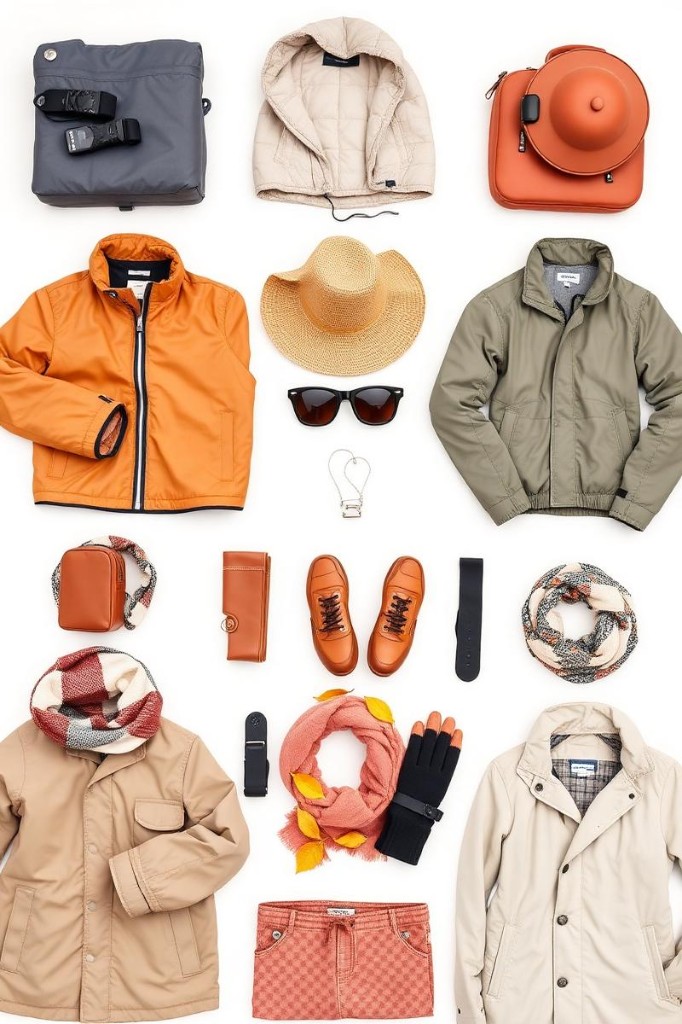
👕 Seasonal packing

Dry season (Nov-Mar): • Dust-proof closed shoes • Hat and sunglasses • Lightweight long-sleeved clothing • High-protection sunscreen
Wet season (Apr-Oct): • Lightweight raincoat and boots • Quick-drying clothing • Strong mosquito repellent • Waterproof bag for equipment
Travel clothing and gear by season

💰 Seasonal budget

PeriodAccommodation (€/night)Transport (€/day)Restaurants (€/day)Activities (€)Traffic
Nov-Feb (high)25-6015-258-2020-40⭐⭐⭐⭐⭐
Mar-Apr (mid)20-4512-206-1515-30⭐⭐⭐
May-Oct (low)15-358-155-1210-25⭐⭐

💡 Money-saving tips

• Negotiating guide and transport prices is standard • Local market meals 2-3€ vs restaurants 8-15€ • Homestay accommodation possible 10-20€ • Group safaris are more economical • Avoid Christmas-New Year period (prices doubled)

🏥 Health and precautions

• Yellow fever vaccination mandatory • Antimalarial treatment recommended • Enhanced mosquito protection • Constant hydration (3L/day minimum) • Complete first aid kit • Repatriation insurance essential

Events and festivities

Essential cultural calendar of Damongo

Damongo vibrates to the rhythm of Gonja traditions and national celebrations that enrich the cultural experience of visitors throughout the seasons.

Damba Festival (dates vary by lunar calendar)

A major traditional Gonja celebration marking the birth of the Prophet Mohammed, transforming Damongo into a theater of dance, music, and colorful ceremonies. The streets come alive with processions in traditional costumes.

Location: City center and traditional chief's palace

Highlight: Adorned horses and spectacular warrior dances unique to the region

Climate impact: Generally in the dry season; high local attendance; accommodation booking essential

Transport access: Special shuttles from Tamale; heavy traffic in the city

Planning tip: Book 2 months in advance; accommodation prices double

Independence Day (March 6)

A national Ghanaian celebration featuring parades, cultural shows, and community gatherings. Damongo organizes special events showcasing the culture of Northern Ghana.

Location: Municipal stadium and main streets

Highlight: Fusion of local Gonja traditions and modern national celebration

Climate impact: Ideal dry period; high daytime temperatures; pleasant evening festivities

Transport access: Enhanced public transport; city center closed to traffic

Planning tip: Free event, but arrive early for good spots

Mole Park Festival (November)

An ecotourism event celebrating the biodiversity of the national park, featuring conferences, special guided safaris, and environmental awareness. A unique opportunity to meet experts and experienced guides.

Location: Mole National Park and interpretation center

Highlight: Exceptional night safaris and privileged observations

Climate impact: Optimal start of the dry season; perfect conditions for wildlife viewing

Transport access: Special shuttles from Damongo; easy park access

Planning tip: Limited registration; book 3 months in advance

Seasonal events

Dry season: • Traditional Christmas markets (December) • Harvest festivals (January-February) • Inter-village sports competitions (February)
Wet season: • Rain ceremonies (May) • Traditional music festivals (July-August) • End-of-harvest celebrations (October)

Responsible tourism

Traveling responsibly in Damongo helps preserve this unique ecosystem and supports local Gonja communities in their sustainable development.

Damongo offers unique opportunities for ethical tourism: supporting trained local guides, respecting the wildlife of Mole Park, consuming in community businesses, and participating in conservation initiatives. Prioritize locally-owned accommodation and environmentally friendly activities.

🌱 Low-season advantages

Visiting during the wet season reduces pressure on tourist infrastructure, allows for a more authentic experience with local communities, and supports the local economy during less busy periods.

♻️ Sustainable travel tips

• Certified local guides prioritized over external tour operators • Family restaurants vs tourist establishments • Eco-friendly accommodation with solar panels • Plastic waste reduction (reusable water bottle) • Walking and cycling when possible • Respecting wildlife observation distances

🏙️ Local sustainable initiatives

Damongo develops sustainable projects: local guide training in conservation, women's craft cooperatives, community reforestation programs, sustainable water resource management, and environmental awareness in local schools.

Our recommendations

Recommendations for your trip to Damongo

After analyzing climatic conditions, tourist traffic, and cultural events, here are our personalized tips to optimize your discovery of Damongo. This unique destination deserves planning adapted to tropical seasons to fully enjoy its exceptional natural and cultural riches.

Optimal period: November to February

Recommended months: November, December, January, February

Advantages:
• Ideal weather conditions for safaris
• Maximum visibility for wildlife viewing
• Pleasant morning temperatures
• Roads and tracks perfectly accessible
• Traditional festival season

Key events: Damba Festival, local Christmas celebrations, Mole Park Festival

Disadvantages: High tourist traffic, high accommodation prices

Ideal profile: Safari enthusiasts, nature photographers, families, first-time Ghana travelers

Stay duration: 4-5 days recommended

Interesting alternative: March and October

Alternative months: March, October

Description: Transition periods offering a good compromise between acceptable weather conditions and moderate attendance, with more attractive prices.

Specific advantages: Fewer tourists, negotiable rates, spectacular nature in transition, guides more available

For whom: Flexible travelers, moderate budgets, authenticity seekers, landscape photographers

👥 Tips for your travel style

Family: November-February, comfortable lodges, kid-friendly safaris, short cultural activities
Budget: May-October, local accommodation, shared transport, local markets, price negotiation
Nature: December-January optimal, specialized guides, sunrise safaris, night observation
Culture: Damba festival period, village immersion, local crafts, traditional ceremonies
Adventure: March-April for challenges, wet season for authenticity, difficult hikes
First-time Ghana: December-February, English-speaking guides, organized tours, standard accommodation

Periods to avoid: July-September

Months not recommended: July, August, September

Reasons: Intense rains making roads impassable, wildlife viewing very difficult, uncomfortable high humidity, increased health risks

Nuances: Acceptable for experienced travelers seeking total solitude and lush green landscapes, on a tight budget

Villes du même pays

All cities

Frequently Asked Questions

Answers to essential questions for planning your trip to Damongo based on climatic and cultural specifics.

What is the best month to visit Damongo?

December and January offer optimal conditions with a dry climate ideal for safaris, pleasant morning temperatures (18-21°C / 64-70°F), and excellent visibility for wildlife viewing. This is the period of maximum animal concentration around the water points of Mole Park. However, expect more tourists and higher prices.

How many days should I plan for Damongo?

3 to 5 days is an ideal stay to discover Damongo and its surroundings. Plan for at least 2 days for Mole National Park (morning and evening safaris), 1 day for the cultural discovery of Larabanga and its village, plus 1-2 days depending on your interests (rest, local crafts, hiking). Nature enthusiasts can extend their stay up to a week.

What to do in Damongo when it rains?

Rain does not completely interrupt activities in Damongo. Visit the Mole Park interpretation center, explore covered craft markets, discover local cuisine in traditional restaurants, or participate in craft workshops with local communities. Lodges also offer comfortable relaxation areas with views of the savanna.

Which events should not be missed in Damongo?

The Damba Festival remains the major cultural event, with its traditional Gonja dances and colorful processions (dates vary by lunar calendar). In November, the Mole Park Festival offers special safaris and environmental conferences. Independence Day (March 6) offers a beautiful fusion of local traditions and national Ghanaian celebration.

What budget should I plan for based on the season?

Expect 80-150€/day in high season (November-February) including lodge accommodation (25-60€), meals (8-20€), local transport (15-25€), and safari activities (20-40€). In low season (May-October), the budget drops to 40-80€/day with significant discounts on accommodation (15-35€) and activities (10-25€). Add 20-30% for festival periods.