When to visit Ghana? Complete 2026 Guide

Between golden savanna and tropical forests, Ghana reveals its climatic secrets for an unforgettable trip.

  • 32.8 M population
  • English language
  • 120 days rainy days/year
  • November to March best time to visit
  • 10 to 15 days recommended stay

Weather and Climate in Ghana

Understanding Ghana's tropical climate

Ghana features three distinct climatic zones influenced by the Atlantic Ocean, the Saharan harmattan, and its equatorial position. This geographical diversity creates significant meteorological variations that completely transform the travel experience depending on the chosen period.

  • Southern coastal zone: Humid equatorial climate with two distinct rainy seasons
  • Central forest zone: Dense tropical rainforest with abundant rainfall year-round
  • Northern savanna zone: Sudanian climate with a marked dry season and harmattan
MonthTemperature (°C / °F)Precipitation (mm / in)Humidity (%)
January26-32°C / 79-90°F15mm / 0.6in65
February27-33°C / 81-91°F25mm / 1.0in68
March28-33°C / 82-91°F65mm / 2.6in72
April27-32°C / 81-90°F125mm / 4.9in78
May26-31°C / 79-88°F165mm / 6.5in82
June25-29°C / 77-84°F185mm / 7.3in85
July24-28°C / 75-82°F85mm / 3.3in83
August24-28°C / 75-82°F45mm / 1.8in82
September25-29°C / 77-84°F85mm / 3.3in83
October26-31°C / 79-88°F125mm / 4.9in80
November27-32°C / 81-90°F45mm / 1.8in75
December26-32°C / 79-90°F20mm / 0.8in68

Altitude variations remain moderate in Ghana, with plateaus reaching 800 meters / 2,625 feet in the east, creating cooler and more ventilated microclimates.

The seasons in Ghana

Climate by region of Ghana

The geographical diversity of Ghana creates fascinating microclimates, from the Atlantic coast to the northern savannas. Each region reveals its meteorological specificities that directly influence your itinerary and activities.

🏖️ Coastal Region (Accra, Cape Coast)

The Ghanaian coast enjoys an equatorial climate tempered by ocean breezes. This zone offers the most stable conditions in the country with moderate temperatures and bearable humidity thanks to constant sea winds.

PeriodWeatherTemperatureActivities
Dec-MarDry and sunny26-32°C / 79-90°FBeaches, historic forts
Apr-JunModerate rain25-30°C / 77-86°FCultural visits
Jul-AugCool and dry24-28°C / 75-82°FFestivals, relaxation
Sep-NovVariable rain25-31°C / 77-88°FNature observation
Highlights: Moderating oceanic influence, two distinct rainy seasons, refreshing sea breezes, constant water temperature (26-28°C / 79-82°F).

🌳 Forest Region (Kumasi, Kakum Forest)

The forest heart of Ghana reveals a humid tropical climate with dense and lush vegetation. This region houses the country's most beautiful natural reserves, where the canopy creates a unique cool and humid microclimate.

PeriodWeatherTemperatureActivities
Dec-MarRelative dry25-31°C / 77-88°FTrekkings, safaris
Apr-JunVery rainy24-29°C / 75-84°FWildlife observation
Jul-AugDry break23-27°C / 73-81°FCanopy walks
Sep-NovIntense rain24-30°C / 75-86°FWaterfalls, nature
Highlights: High constant humidity (85-90%), temperatures under the canopy 3-5°C / 5-9°F cooler, highest rainfall in the country, exceptional biodiversity.

🌾 Northern Savanna (Tamale, Mole National Park)

The northern savanna offers a contrasting Sudanian climate with a marked dry season and landscapes that oscillate between golden aridness and tropical greenery. The harmattan is more intense here, creating unique atmospheres.

PeriodWeatherTemperatureActivities
Dec-MarVery dry, harmattan20-35°C / 68-95°FSafaris, villages
Apr-JunHot and humid25-38°C / 77-100°FElephant observation
Jul-AugRefreshing rain23-32°C / 73-90°FGreen landscapes
Sep-NovEnd of rains24-34°C / 75-93°FTraditional cultures
Highlights: Significant thermal amplitude (15°C / 27°F), intense harmattan in the dry season, single rainy season, best region for safaris in the dry season.

⛰️ Eastern Plateaus (Akosombo, Akwapim Mountains)

The eastern heights of Ghana benefit from a refreshing altitude climate with exceptional panoramas over Lake Volta. This mountainous region offers a welcome respite from tropical temperatures with varied microclimates.

PeriodWeatherTemperatureActivities
Dec-MarDry and cool22-29°C / 72-84°FHiking, panoramic views
Apr-JunStormy rain21-27°C / 70-81°FWaterfalls, greenery
Jul-AugFoggy and cool20-26°C / 68-79°FTrekking, relaxation
Sep-NovVariable21-28°C / 70-82°FLake Volta, culture
Highlights: Temperatures 4-6°C / 7-11°F cooler than in the plains, frequent morning fog, orographic precipitation, stronger winds at altitude.

Practical Guide for Ghana

Preparing for a trip to Ghana requires adaptation to tropical conditions and marked seasonal variations. From appropriate clothing to budget considerations, every detail counts to optimize your experience in this multi-faceted country.

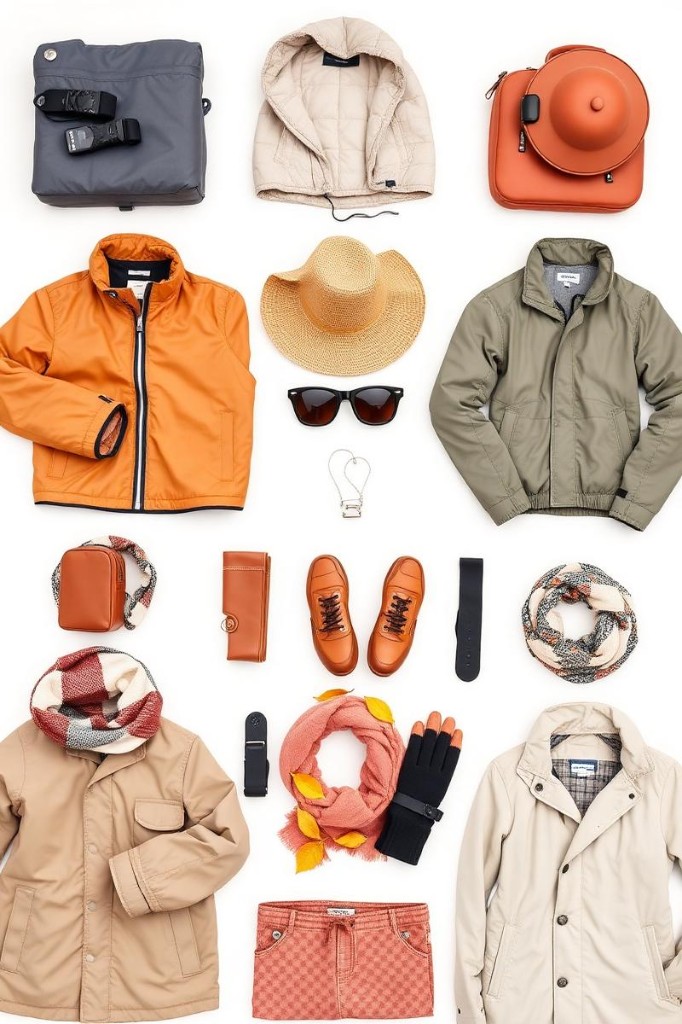
👕 Seasonal packing

Dry season (Dec-Mar): • Light cotton clothing • Hat and sunglasses • High-protection sunscreen • Light jacket for the harmattan • Closed shoes for dust
Rainy season (Apr-Jun, Sep-Nov): • Light and breathable raincoat • Quick-drying clothing • Waterproof shoes • Compact umbrella • Waterproof bag for electronics
Year-round: • Mosquito repellent • Long clothing for the evening • Swimwear • Walking shoes • Respectful attire for cultural visits
Travel clothing and gear by season

💰 Seasonal budget

PeriodAccommodation (€)Transport (€)Activities (€)Crowds (/5)Savings Tips
Dec-Feb80-200150-30050-1205/5Book 3 months in advance
Mar-May60-150120-25040-1003/5Negotiate on-site
Jun-Aug70-180130-28045-1104/5Avoid local festivals
Sep-Nov50-120100-20030-802/5Best negotiable rates

💡 Money-saving tips

  • Avoid December-January: Most expensive period with doubled rates
  • Book in advance: 20-30% savings on flights and accommodation
  • Take advantage of low season: Sep-Nov offers up to 50% discount
  • Negotiate in the rainy season: Maximum price flexibility
  • Avoid festival weekends: Locally inflated rates

🏥 Health and precautions

Mandatory vaccinations: Yellow fever (certificate required). Recommended: Hepatitis A/B, typhoid, meningitis. Malaria: Prophylaxis recommended year-round, mosquito nets are essential. Dry season: Enhanced sun protection, constant hydration against the harmattan. Rainy season: Beware of waterborne diseases, avoid stagnant water. General: First aid kit, travel insurance with repatriation, tropical medicine consultation before departure.

Events & Festivals in Ghana

Cultural calendar and festivities not to be missed in Ghana

Ghana vibrates to the rhythm of authentic festivals that reveal the deep soul of its ancestral traditions and creative modernity.

🎭 Homowo Festival (August-September)

The largest celebration of the Ga people of Accra, a harvest festival that means 'mocking hunger'. This colorful festivity blends traditional rituals, mesmerizing dances, and local gastronomy in an atmosphere of exceptional communion. The streets of Accra transform into an open-air theater.

Location: Accra and Greater Accra Region
Highlight: Blessing ceremony of kpokpoi (traditional dish)
Climate impact: Transition period, brief showers possible

🏰 Fetu Afahye Festival (September)

Cape Coast lights up during this spectacular royal festival where traditional chiefs parade in ceremonial costumes. This ancient celebration honors ancestors and purifies the community in a display of colors, music, and sacred rites that transport you into pre-colonial history.

Location: Cape Coast, Central Region
Highlight: Procession of chiefs in golden palanquins
Climate impact: End of the rainy season, generally favorable weather

🔥 Bagabaga Fire Festival (December)

In northern Ghana, this unique festival marks the end of the harvest with dances around sacred fires. Traditional warriors perform ancestral choreographies while griots recount heroic epics in a mystical atmosphere under the starry savanna sky.

Location: Northern Region, around Tamale
Highlight: Warrior dances and storytelling under the stars
Climate impact: Ideal dry season, cool nights perfect for festivities

Seasonal events

Dry season (Dec-Mar): • Panafest (Dec-Jan) • Adae Kese in Kumasi (Jan) • Bugum Festival (Mar) • New Year celebrations
Rainy season (Apr-Jun): • Bonwire Kente Festival (May) • New Yam Festivals (Jun) • Purification festivals
Small dry season (Jul-Aug): • Chale Wote Street Art Festival (Aug) • Coastal fishing festivals
Second rainy season (Sep-Nov): • Homowo (Sep) • Fetu Afahye (Sep) • Harvest festivals (Oct-Nov)

Responsible travel in Ghana

Traveling to Ghana responsibly means respecting its fragile ecosystems and supporting local communities while adapting to the country's climatic realities.

Ghana faces major environmental challenges: deforestation, coastal erosion, and impacts of climate change. Your trip can contribute positively by choosing sustainable periods and practices, supporting local ecotourism, and respecting the unique biodiversity of tropical forests and savannas.

🌱 Low-season advantages

Traveling in the low season (September-November) reduces tourist pressure on fragile sites, lowers your carbon footprint thanks to less frequent flights, and supports the local economy in a more balanced way.

♻️ Sustainable travel tips

  • Water management: Use filtered water bottles, avoid plastic bottles
  • Waste: Bring back batteries and electronics, refuse plastic bags
  • Transport: Favor public transport and local guides
  • Biodiversity: Respect distances from wildlife, do not feed animals
  • Local culture: Buy authentic crafts, respect traditions
  • Energy: Choose eco-lodges with renewable energy

🏙️ Local sustainable initiatives

Ghana is developing innovative ecotourism projects: community reforestation in the Ashanti region, sea turtle protection in Ada, solar initiatives in the north, and elephant conservation programs at Mole Park supported by local communities.

Our Expert Recommendations

Expert recommendations for your trip to Ghana

After analyzing official climate data and field feedback, our recommendations adapt to your travel priorities. Ghana offers radically different experiences depending on the chosen period, from tropical authenticity to optimal tourist conditions. Each season reveals a unique facet of this fascinating country.

🌟 Optimal period: December to March

Recommended months: December, January, February, March
Advantages:
  • Ideal weather conditions
  • Maximum accessibility to all sites
  • Major cultural festivals
  • Perfect visibility for safaris
  • Calm sea and pleasant swimming
Disadvantages:
  • High tourist crowds
  • Prices increased by 30-50%
Ideal profile: First trips to Africa, families with children, senior travelers, short stays

⚖️ Balanced alternative: July-August

Alternative months: July, August
Description: The small dry season offers a perfect compromise between favorable conditions and authenticity
Specific advantages:
  • Coolest temperatures of the year
  • Landscapes still lush and green
  • Fewer crowds than in high season
  • Moderate prices

👥 Tips for your travel style

👨‍👩‍👧‍👦 Family: December-February, avoid rainy seasons, prefer the coast. 💰 Budget: September-November for maximum savings, negotiation possible. 🎒 Adventure: April-June for lush nature, July-August for trekking. ✨ Luxury: January-February, advance booking essential. 📸 Photographer: July-August for soft light, April-May for vegetation. 🌍 Culture: August-September for authentic festivals, December for celebrations.

⚠️ To avoid: May-June

Discouraged period: Peak of the first rainy season
Reasons: Maximum rainfall, difficult roads, extreme humidity, limited access to natural sites

Cities to explore

Discover the must-sees of urban travel

All cities

Frequently Asked Questions

Find answers to essential questions to plan your trip to Ghana according to its specific climatic conditions.

What is truly the best time to visit Ghana?

The optimal period is from December to March with ideal weather conditions, clear skies, and no rain. However, July-August offers an excellent alternative with cooler temperatures and fewer tourists, while September-November suits tighter budgets despite some showers.

Can you travel to Ghana during the rainy season?

Absolutely! The rainy season (April-June, September-November) reveals an authentic and lush Ghana. Showers are often short and predictable. It is the ideal time for photographers, budget travelers, and those seeking a less touristy experience. Bring waterproof gear and stay flexible.

What are the climatic differences between northern and southern Ghana?

The south (coast, forests) enjoys an equatorial climate with two rainy seasons and temperatures moderated by the ocean. The north (savanna) experiences a more contrasting Sudanian climate with a single rainy season and significant thermal variations. The harmattan is more intense in the north.

How should one dress according to the seasons in Ghana?

In the dry season: light cotton clothing, sun protection, and a jacket for the harmattan. In the rainy season: quick-drying clothing, breathable raincoat, and waterproof shoes. Year-round: mosquito repellent, long sleeves for the evening, and respectful attire for cultural visits.

Does the travel budget vary much by season?

Yes, significantly! High season (December-February) can cost 30-50% more. The best savings are found in September-November with discounts up to 50%. March-May and July-August offer intermediate prices. Booking in advance allows for additional savings of 20-30%.