When to visit Tamale? City-Trip Guide

Discover the capital of Northern Ghana according to the seasons for an optimal authentic urban experience.

  • 0.4 M population
  • English, Dagbani language
  • 85 days rainy days/year
  • November to March best time to visit
  • 3 to 5 days recommended stay

Climate and weather in Tamale

Understanding Tamale's tropical savanna climate

Tamale enjoys a tropical savanna climate characterized by two distinct seasons. The urban heat island effect increases temperatures in the city center, especially during the dry season when the harmattan brings dust and cool mornings.

  • Urban center: Higher temperatures, less vegetation, heat island effect
  • Outskirts: More temperate climate thanks to the surrounding savanna vegetation
  • Airport area: Exposure to harmattan winds, cooler morning temperatures
MonthMin Temp (°C / °F)Max Temp (°C / °F)Precipitation (mm)Sunshine (h/day)Tourist TrafficRecommended Activities
January18°C / 64°F35°C / 95°F59⭐⭐⭐Markets, mosques, excursions
February21°C / 70°F37°C / 99°F89⭐⭐⭐Festivals, cultural tours
March25°C / 77°F39°C / 102°F258⭐⭐Cool mornings, historical sites
April26°C / 79°F38°C / 100°F657⭐⭐Museums, shopping centers
May25°C / 77°F35°C / 95°F1207Indoor activities, cafes
June24°C / 75°F32°C / 90°F1656Galleries, indoor restaurants
July23°C / 73°F30°C / 86°F1805Cultural centers, cinemas
August23°C / 73°F29°C / 84°F2205Libraries, hotels
September23°C / 73°F31°C / 88°F1906Indoor spaces, shopping
October23°C / 73°F33°C / 91°F857⭐⭐Parks, urban walks
November21°C / 70°F35°C / 95°F158⭐⭐⭐All sites, urban walking
December19°C / 66°F35°C / 95°F59⭐⭐⭐⭐Full exploration, festivals

Located at an altitude of 183 meters / 600 feet, Tamale shows little variation related to relief. The main influence comes from harmattan winds in the dry season and the Guinean monsoon in the rainy season, creating notable thermal contrasts between day and night.

The seasons

Sites according to weather

Optimize your discovery of Tamale by adapting your visits to weather conditions to fully enjoy every urban attraction.

☔ In cloudy/rainy weather

Indoor & protected

Tamale's indoor spaces offer an ideal air-conditioned refuge during tropical showers or heat peaks.

Recommended sites:
🏛️ Centre for National Culture (2h, 10 GHS, all year)
🕌 Great Mosque of Tamale (1h, free, respect prayer times)
🛍️ Covered Tamale Central Market (3h, free, morning recommended)
🏨 Hotels with air-conditioned common areas
☕ Cafes and restaurants with covered terraces
📚 University library (visitor access)
🎭 Local cultural centers
🏪 Modern shopping centers

Practical tip: Booking not necessary, avoid Fridays for the mosque

Additional tip: Combine covered market and Cultural Center for a complete immersion

☀️ In good weather

Optimal outdoor

Tamale's clear sky reveals the beauty of Sudanese architecture and the animation of public spaces.

Recommended sites:
🏰 Gulkpe Naa Palace (1h30, 15 GHS, cool morning)
🌳 Central Park and gardens (2h, free, sunrise/sunset)
🏘️ Traditional Kalpohin neighborhoods (3h, free, local guide advised)
🎪 Public squares and outdoor markets
📸 Urban panoramic viewpoints
🚶 Architectural walks
⛲ Green spaces and rest areas
🌅 Terraces for sunsets

Best time of day: 6am-10am and 4pm-6pm to avoid high heat

Season tip: November to February optimal, avoid March-April (heat peak)

🌤️ Versatile all weather

Flexible

Maximum adaptability to optimize your time regardless of the weather.

Recommended sites:
🏨 Hotels with covered and open gardens
🍽️ Restaurants with modular terraces
🛍️ Mixed markets (covered and outdoor)
🎨 Galleries with interior courtyards
🏛️ Multi-space cultural complexes

Weather tip: Start outside early in the morning, retreat inside in case of a shower

Example itinerary: Outdoor market (7am) → Palace (9am) → Covered lunch (12pm) → Cultural center (2pm)

💰 Free or economical

No cost

Free sites:
🕌 Main mosques (respect times)
🏘️ Traditional neighborhoods independently
🌳 Parks and public green spaces
🎪 Markets and public squares
📸 Urban viewpoints

Free days: Some cultural centers offer free access on Fridays

Budget tips: Free urban walking, markets for economical souvenirs, local street food

Practical Guide

Essential tips to optimize your stay in Tamale according to tropical climate variations and the specificities of this Northern Ghanaian capital.

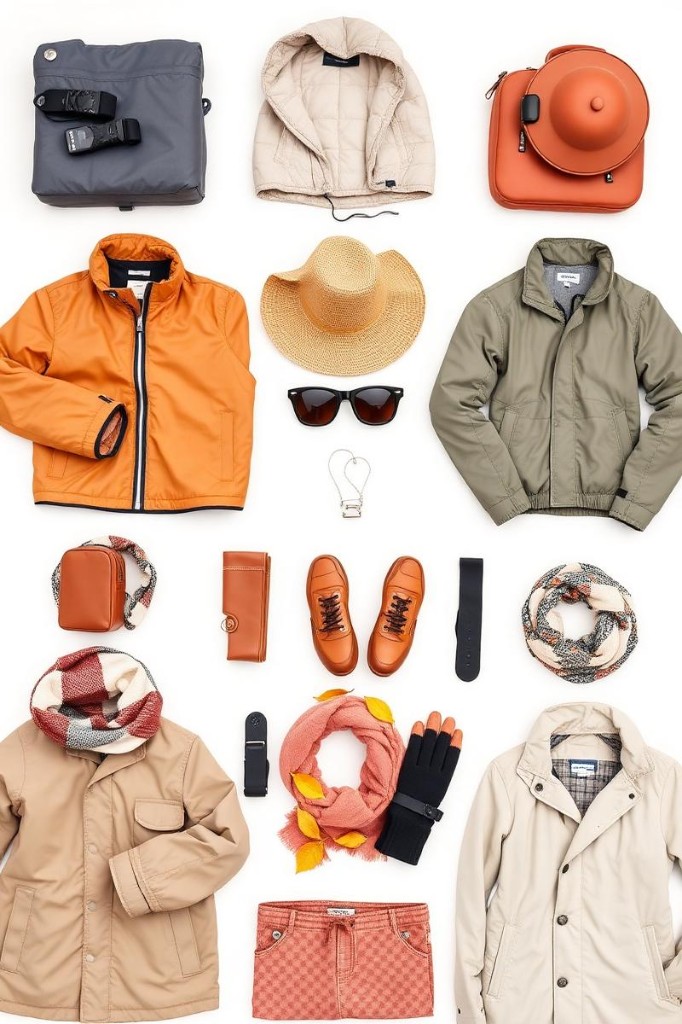
👕 Seasonal packing

Dry season (Nov-Mar): • Dust-proof closed shoes • Hat and sunglasses • Lightweight cotton clothing • Light jacket for cool mornings

Rainy season (Apr-Oct): • Waterproof shoes • Compact umbrella • Quick-dry clothing • Waterproof bag for electronics • Mosquito repellent
Travel clothing and gear by season

💰 Seasonal budget

PeriodCity center accommodation (€/night)Transport (€/day)Restaurants (€/day)Attractions (€)Attendance
Dry season25-458-1215-255-15⭐⭐⭐
Rainy season18-356-1012-205-15
Festivals (Dec-Feb)35-6010-1520-3010-25⭐⭐⭐⭐

💡 Money-saving tips

• Negotiate rainy season accommodation (-30%) • Excellent and economical local street food • Very affordable shared transport (tro-tro) • Markets for authentic souvenirs • Avoid festival periods for optimal prices

🏥 Health and precautions

Enhanced hydration for dry heat • Essential sun protection • Mosquito repellent for rainy season • Closed shoes for harmattan dust • Pharmacies available in city center • Bottled water recommended

Urban Events

Calendar of must-see events in Tamale

Tamale's festivities pace urban life and offer a unique immersion into Dagomba culture and Northern Ghanaian hospitality.

🎭 Damba Festival (variable, January-March)

The largest Dagomba festival transforms Tamale into a cultural capital. Traditional dances, cavalcades, and royal ceremonies animate every neighborhood. The festive atmosphere fills markets, streets, and palaces in an explosion of color and music.

Location: Gulkpe Naa Palace and main streets

Feature: Participation of the King and the Dagomba royal court

Climate impact: Maximum attendance, bookings essential, intense urban animation

Transport access: Special shuttles from the airport

Planning tip: Book accommodation 2 months in advance

🎪 Tamale Food Festival (November)

A celebration of Northern gastronomy that brings together the best traditional cooks. Streets turn into a giant restaurant where tuo zaafi, peanut soup, and grilled meats compete in flavor. Friendly atmosphere guaranteed.

Location: City center and central market

Feature: Culinary competitions and demonstrations

Climate impact: Ideal weather period, strong local attendance

Transport access: City center is walkable

Planning tip: Come with an empty stomach and an appetite for adventure

🎵 Northern Music Festival (December)

An emerging festival highlighting Northern Ghana musicians. A unique blend of ancestral traditions and contemporary creations in a relaxed urban setting. Evenings stretch into the city's bars and terraces.

Location: Various urban venues and open spaces

Feature: Fusion of traditional and modern music

Climate impact: Perfect dry season, pleasant cool evenings

Transport access: Easy movement between venues

Planning tip: Follow the program on local social media

Seasonal events

Dry season: • Christmas markets (December) • Dagomba cultural festivals (January-February) • Sports competitions (March)

Rainy season: • Indoor festivals (May-June) • Independence celebrations (July) • University events (September-October)

Responsible City-trip

Adopt respectful urban tourism in Tamale by prioritizing local initiatives and minimizing your environmental impact on this developing city.

Tamale offers many opportunities for responsible tourism: authentic local crafts, family restaurants, efficient public transport, and community initiatives. Favoring businesses run by local families rather than international chains directly supports the urban economy.

🌱 Low-season advantages

Visiting during the rainy season reduces tourist pressure, allows for more authentic exchanges with residents, and supports the local economy during less favorable periods.

♻️ Sustainable travel tips

• Favor public transport (tro-tro) and walking • Family restaurants vs tourist establishments • Certified local accommodation • Plastic reduction with personal water bottle • Direct craft purchases from producers • Respect local schedules and customs

🏙️ Local sustainable initiatives

Tamale is developing sustainable initiatives: emerging bike-sharing program, local organic markets, community recycling projects, local guide training, and preservation of traditional Sudanese architecture.

Our recommendations

Recommendations for your city trip to Tamale

Our climate and cultural analyses converge on personalized recommendations based on your travel priorities. Tamale reveals different facets depending on the season: a festive and lively city in the dry season, an authentic and peaceful destination during the rainy season. The choice depends on your search for an urban experience.

🌟 Optimal period: November to February

Recommended months: November, December, January, February

Advantages:
• Perfect weather conditions for urban walking
• All sites accessible without constraints
• Season of festivals and cultural events
• Most vibrant urban atmosphere
• Optimal photography with excellent visibility

Key events: Damba Festival, Food Festival, Christmas markets

Disadvantages: Higher tourist traffic, increased accommodation prices

Ideal profile: First trip, families, culture and photography enthusiasts

Stay duration: 3 to 5 days recommended

⚖️ Interesting alternative: March and October

Alternative months: March (end of dry season), October (end of rainy season)

Description: Transition periods offering an interesting balance between acceptable weather conditions and moderate attendance.

Specific advantages: Fewer tourists, intermediate prices, lush vegetation (October), last festivals (March)

For whom: Flexible travelers, average budgets, seeking authenticity

👥 Tips for your travel style

Family: Safe city center neighborhoods + cultural activities + Nov-Feb + private transport + air-conditioned accommodation

Budget: Rainy season + local accommodation + street food + public transport + free sites

Culture: Festival period + local guides + traditional neighborhoods + Dec-Feb + community immersion

Weekend: 2-3 days + essential city sites + Nov-Jan + central accommodation + condensed program

⚠️ Periods to avoid: July-August

Months not recommended: July, August

Reasons: Peak rainy season with intense daily showers, maximum humidity, complicated urban travel, some sites temporarily inaccessible

Nuances: Acceptable for experienced travelers seeking total local immersion

Villes du même pays

All cities

Frequently Asked Questions

Answers to essential questions to plan your city trip to Tamale according to the tropical climate and urban specificities.

What is the best month to visit Tamale?

December and January offer optimal conditions: pleasant temperatures (18-35°C / 64-95°F), clear skies, cultural festivals in full swing, and the most vibrant urban atmosphere. It is the ideal time for a first discovery with all sites accessible and excellent photographic quality. Attendance is moderate compared to Ghanaian coastal destinations.

How many days should I plan for Tamale?

3 to 5 days allow for a complete discovery at your own pace. 3 days are enough for essential sites (palace, mosque, markets, traditional neighborhoods). 5 days allow for deep cultural immersion with peripheral excursions, participation in local activities, and gastronomic discovery. A long weekend (4 days) represents the perfect balance for most travelers.

What to do in Tamale when it rains?

Tamale offers excellent indoor alternatives: Centre for National Culture for local crafts, Great Mosque (outside prayer hours), covered markets for local immersion, traditional cafes to taste tuo zaafi, air-conditioned shopping centers, and hotels with common areas. Tropical showers are often brief and refreshing, allowing you to quickly resume outdoor activities.

Which events should not be missed in Tamale?

The Damba Festival (January-March) remains the major event with royal Dagomba dances and spectacular cavalcades. The Tamale Food Festival (November) celebrates Northern gastronomy in a friendly atmosphere. Weekly Friday markets offer authentic animation all year round. In December, year-end celebrations mix local traditions and modern influences in a unique festive atmosphere.

What budget should I plan according to the season?

Expect 60-80€/day in the dry season (Nov-Mar) including decent accommodation (25-45€), meals (15-25€), and local transport (8-12€). In the rainy season, the budget decreases to 45-65€/day with accommodation (-30%) and more accessible local catering. During festivals (Dec-Feb), expect 80-120€/day with increased accommodation costs. Excellent street food (2-5€/meal) significantly reduces food costs.