When to visit Durmitor National Park? Nature Guide

A mountain haven with contrasting seasons, from eternal snows to flowery meadows depending on the altitude.

  • 2,500 inhabitants population
  • Montenegrin language
  • 120 days rainy days/year
  • June to September best time to visit
  • 4 to 7 days recommended stay

Durmitor Mountain Climate

Understanding the alpine climate of Durmitor National Park

The park features a mountainous continental climate with significant variations depending on altitude. Peaks exceeding 2,500m / 8,202ft retain snow for much of the year, creating distinct microclimates between valleys and heights.

  • Alpine Zone (1,500-2,522m / 4,921-8,274ft): Harsh climate with persistent snow and short summers
  • Subalpine Zone (800-1,500m / 2,625-4,921ft): Moderate temperatures, longer growing season
  • Valleys (400-800m / 1,312-2,625ft): Mildest climate, with mitigated Mediterranean influence
MonthMin/Max Temp. (°C / °F)Precipitation (mm / in)Sunlight (h/day)CrowdsRecommended Activities
January-8/2°C / 18/36°F85mm / 3.3in3⭐⭐Skiing, snowshoeing
February-6/4°C / 21/39°F75mm / 3.0in4⭐⭐Winter sports
March-3/8°C / 27/46°F90mm / 3.5in5⭐⭐Spring skiing
April2/13°C / 36/55°F95mm / 3.7in6⭐⭐⭐Valley hiking
May6/18°C / 43/64°F110mm / 4.3in7⭐⭐⭐Blossoms, photography
June9/22°C / 48/72°F120mm / 4.7in8⭐⭐⭐⭐Hiking, rafting
July11/25°C / 52/77°F95mm / 3.7in9⭐⭐⭐⭐⭐High mountain trekking
August11/25°C / 52/77°F85mm / 3.3in9⭐⭐⭐⭐⭐Mountaineering, trekking
September8/20°C / 46/68°F100mm / 3.9in7⭐⭐⭐⭐Autumn colors
October4/15°C / 39/59°F110mm / 4.3in5⭐⭐⭐Photography
November0/9°C / 32/48°F125mm / 4.9in3⭐⭐Nature retreat
December-5/3°C / 23/37°F95mm / 3.7in2⭐⭐Ski preparation

Altitudinal variations create temperature differences of 15°C / 59°F between the valleys and the summits. For every 100m / 328ft of altitude, the temperature drops by 0.6°C / 1.1°F, explaining the diversity of the park's ecosystems.

The Four Seasons

Sites by Conditions

The park offers adapted alternatives for every weather condition, allowing you to fully enjoy your stay regardless of the mountain weather.

☔ On cloudy/rainy days

Protected sites and cultural discovery

Gloomy days are perfect for exploring the cultural heritage and sheltered sites of the park and its surroundings.

Recommended Sites:
🏛️ Piva Monastery (45min, free, year-round)
🏠 Ethnographic Museum of Žabljak (1h, 3€, Oct-May)
⛪ Holy Trinity Church (30min, free, permanent)
🎭 Pljevlja Cultural Center (1h30, 5€, year-round)
🍯 Traditional farms with tastings (2h, 8€, by reservation)
📚 Park library with exhibitions (1h, free, Mon-Fri)

Practical Tip: Use these days to plan your next hikes
Extra Tip: Combine with discovering local gastronomy in traditional konobas
☀️ In good weather

Wide open spaces and panoramas

Good weather opens access to the park's jewels with optimal conditions for outdoor activities.

Must-see Sites:
⛰️ Bobotov Kuk Peak (8-10h, highest summit, Jun-Sep)
🏔️ Trsa Plateau (4-6h, 360° panorama, May-Oct)
💎 Black Lake (2h, iconic, year-round)
🌊 Tara Canyons (full day, rafting, May-Sep)
🦅 Susica Valley (3-5h, wildlife, Apr-Oct)
❄️ Debeli Namet Glacier (6h, rare in Europe, Jul-Aug)

Best Moment: Sunrise from Curevac for golden light
Seasonal Tip: July-August for full access; avoid afternoon thunderstorms

🌤️ Versatile for all weather

Adaptable sites

These flexible destinations adapt to the frequent weather changes in the mountains.

Versatile Sites:
🌲 Black Pine Forest (natural protection, adaptable)
🏘️ Village of Trsa (heritage + nature, all weather)
🎿 Savin Kuk Resort (summer/winter, covered facilities)

Weather Tip: Start with high sites in the morning, descend if conditions degrade
Example Itinerary: Black Lake in the morning, retreat to Žabljak and museums if it rains in the afternoon

💰 Free or economical

Accessible discovery

The park offers many free wonders for tight budgets without compromising the quality of the experience.

Free Sites:
🌊 Black Lake and discovery trail
👁️ Viewpoints from the P14 road
🌸 Flowery meadows of Durmitor (spring)
⛪ Religious sites and cultural heritage

Free Access: National park free on the first Sunday of the month (residents)
Budget Tips: Picnics with local products, wild camping allowed in dedicated zones

Mountain Practical Guide

The Balkan mountains require preparation adapted to changing conditions and terrain. Here are our recommendations for a safe and successful stay.

👕 Seasonal packing

Winter: • Waterproof mountain boots • Multi-layer technical clothing • Ski/snowshoe gear • Extreme cold protection

Spring: • Waterproof hiking boots • Breathable waterproof jacket • Modular clothing • High-altitude sun protection

Summer: • Reinforced mountain boots • Lightweight clothing + warm layers for altitude • Sun hat and sunglasses • Windbreaker for summits

Autumn: • Grippy boots for wet terrain • 3-layer system • Gloves and beanie • Headlamp (short days)
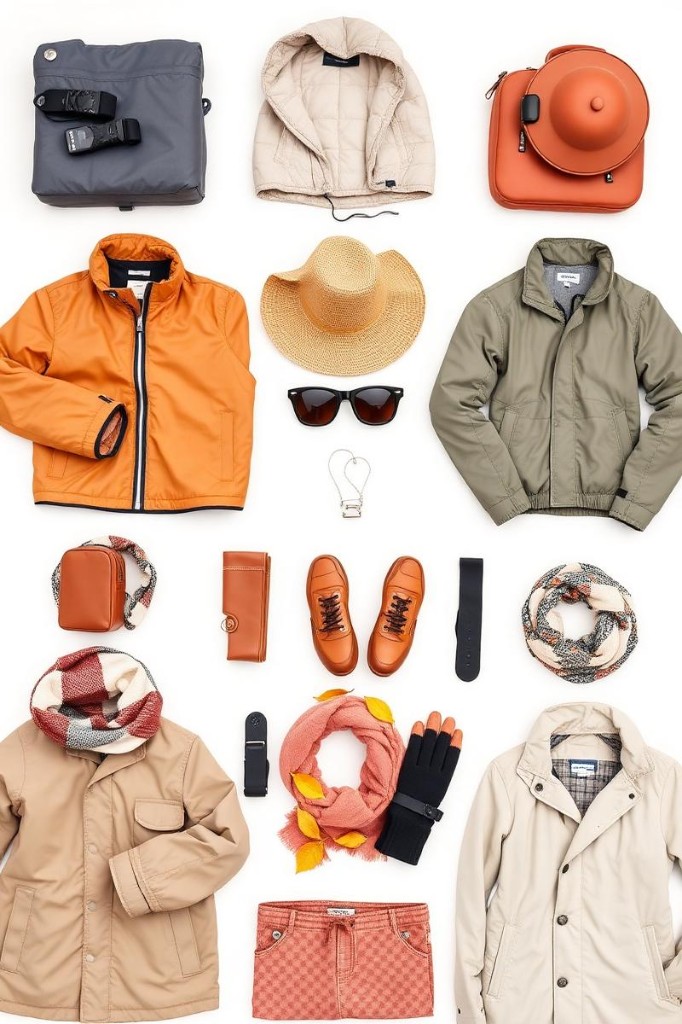
Travel clothing and gear by season

💰 Seasonal budget

PeriodAccommodation (€/night)Meals (€/day)Activities (€)Local Transport (€/day)Crowds
High Season (Jul-Aug)40-8025-3515-5020-30⭐⭐⭐⭐⭐
Shoulder Season (May-Jun, Sep)25-5020-3010-4015-25⭐⭐⭐⭐
Low Season (Oct-Apr)15-3515-255-2510-20⭐⭐

💡 Money-saving tips

Save money by choosing family guesthouses instead of hotels, prioritize meals in local konobas (15-20€ vs 30€ in tourist restaurants), opt for self-guided hikes with maps (free vs 40€ for a guide), take advantage of local markets for supplies, and negotiate group rates for outdoor activities.

🏥 Health and precautions

Altitude: Increased hydration, gradual ascent above 1,500m / 4,921ft • Mountain Sun: High UV protection, snow glare • Weather Changes: First aid kit, spare clothing • Wildlife: Brown bears present, respect guidelines, store food properly • Terrain: Trails sometimes unmarked, GPS recommended, inform others of your route

Events and Festivals

Cultural and sports calendar of Durmitor National Park

The park and its surroundings offer authentic events that enrich the natural experience with a unique cultural and sporting dimension.

🎿 Winter Sports Festival (February)

A celebration of winter mountain culture featuring ski competitions, traditional sports demonstrations, and local festivities in a friendly, traditional Balkan atmosphere.

Location: Savin Kuk resort and Žabljak center
Highlight: Unique blend of modern sports and Montenegrin traditions
Climate Impact: Animates the off-season; accommodation booking recommended 1 month in advance
Transport Access: Special shuttles from Podgorica, equipment rental on-site
Tip: Book accommodation by December, check snow conditions

🌸 Nature Festival (May)

A celebration of the spring awakening with guided botanical hikes, nature photography workshops, and discovery of local wildlife in an exceptional educational setting.

Location: Various park sites, based in Žabljak
Highlight: Privileged access to areas usually closed to the public
Climate Impact: Benefits from peak flowering, weather can be unpredictable
Transport Access: Organized transfers included in the festival
Tip: Registration mandatory, limited to 200 participants

🏔️ Durmitor Adventure Race (July)

International outdoor sports competition combining trail running, mountain biking, and whitewater sports in a spectacular setting, attracting athletes and spectators from around the world.

Location: Circuit throughout the national park
Highlight: Course traverses the most beautiful sites in the park
Climate Impact: Peak attendance; bookings essential 3 months in advance
Transport Access: Special parking, shuttles from major towns
Tip: Avoid the area if seeking tranquility; guaranteed spectacle

Seasonal events

Spring: • Transhumance Festival (April) • European Heritage Days (May)
Summer: • Traditional Music Festival (June) • Summer Cultural Nights (July-August) • Shepherd's Festival (August)
Autumn: • Nature Photography Festival (September) • Mycological Days (October)
Winter: • Orthodox Christmas Celebrations (January) • Žabljak Carnival (February)

Responsible Mountain Tourism

Durmitor National Park is a fragile ecosystem where every visitor can contribute to the preservation of this exceptional natural heritage.

Practice respectful tourism by following marked trails, taking your trash with you, respecting wildlife, and prioritizing local providers committed to conservation. Your visit should leave the mountain intact for future generations.

🌱 Low-season advantages

Visiting outside the summer season reduces pressure on fragile ecosystems, allows for a more authentic experience with local communities, supports the mountain economy year-round, and reduces your carbon footprint.

♻️ Sustainable travel tips

Transport: Prioritize carpooling or public transport • Accommodation: Choose family guesthouses and certified eco-lodges • Food: Consume local and seasonal products • Waste: 'Leave No Trace' principle, take everything with you • Water: Use reusable bottles, many natural springs available • Activities: Local guides prioritized, respect flora/fauna

🏙️ Local sustainable initiatives

The park is developing a network of local eco-guides, participatory reforestation programs, ecological certification for accommodations, visitor awareness regarding mountain climate issues, and support for sustainable traditional artisanal production.

Our Expert Recommendations

Personalized advice for your stay in Durmitor

After analyzing climatic conditions, tourist traffic, and park specifics, here are our recommendations to optimize your discovery of this Balkan mountain jewel. Each period offers distinct advantages depending on your expectations and traveler profile.

🌟 Optimal Period: July-August

Why: Full access to the park, stable weather, all services open

Advantages:
• All high mountain trails accessible
• Most reliable weather conditions
• Long days (sunrise 5:30 AM, sunset 8:30 PM)
• Full range of outdoor activities available
• Maximum tourist infrastructure

Key Events: Durmitor Adventure Race, summer festivals, transhumance
Disadvantages: High crowds, high prices, mandatory bookings
Ideal Profile: Experienced hikers, active families, mountaineers
Stay Duration: 5-7 days for a complete discovery

🍂 Balanced Alternative: September

Month: September
Description: Perfect compromise between favorable conditions and moderate crowds, with the bonus spectacle of flamboyant autumn colors and still-mild weather.
Specific Advantages: Exceptional color palette, fewer people, lower prices, ideal photography conditions
For Whom: Nature photographers, couples, experienced hikers, those seeking tranquility

👥 Tips for your travel style

Families: July-August, base in Žabljak, easy trails like Black Lake, family guesthouses
Tight Budget: May or September, camping allowed, free hikes, local konobas
Photographers: May (blooms) or September (autumn), golden light, sunrise/sunset on summits
Experienced Athletes: July-August, mountaineering on Bobotov Kuk, Tara rafting, specialized guides
First Trip: June-September, 4-5 days, marked trails, accommodation in Žabljak center

⚠️ Delicate Periods

Months: November-March
Reasons: Very limited access at altitude, harsh weather conditions, many services closed, avalanche risks
Nuances: Perfect for experienced skiers and lovers of authentic winter atmosphere; very attractive rates

Villes du même pays

All cities

Frequently Asked Questions

Answers to essential questions to help you plan your discovery of Durmitor National Park with peace of mind.

What is the best time to visit Durmitor National Park?

The optimal period is from June to September, with a peak in July-August for full access to the summits. June offers spectacular blooms, July-August provides the best weather conditions, and September features autumn colors with fewer crowds. For winter sports, prioritize January-March for optimal snow coverage.

How many days should I plan for the park?

Plan for 4 to 7 days depending on your pace: 4 days for the highlights (Black Lake, Bobotov Kuk, Tara Canyons), 6-7 days for an in-depth discovery including multi-day hikes and varied activities. Experienced hikers can plan for 10 days to explore the entire territory thoroughly.

What to do in Durmitor in case of bad weather?

Indoor alternatives include visiting the Piva Monastery, the Ethnographic Museum of Žabljak, local cultural centers, and discovering gastronomy in traditional konobas. It is also the perfect time to plan your next hikes and rest between intense days in the mountains.

Which events should not be missed in Durmitor?

Highlights include the Winter Sports Festival (February), the Nature Festival with botanical hikes (May), and the Durmitor Adventure Race (July). In autumn, the Nature Photography Festival (September) attracts image enthusiasts. Each season offers authentic local celebrations linked to mountain traditions.

What budget should I expect depending on the season?

Expect 60-100€/day/person in high season (July-August) including accommodation, meals, and activities. In shoulder season (May-June, September), 40-70€/day is sufficient. Winter offers the most attractive rates (25-50€/day) but with limited services. Family guesthouses and local konobas help significantly reduce costs.