When to visit Montenegro? Complete 2026 Guide

Between sunny Adriatic coasts and mountains with eternal snow, Montenegro reveals contrasting climates depending on the season.

  • 0.63 M population
  • Montenegrin language
  • 120 days rainy days/year
  • May to September best time to visit
  • 7 to 14 days recommended stay

Weather and Climate in Montenegro

Understanding the Mediterranean and Mountainous Climate of Montenegro

Montenegro features three distinct climate zones influenced by the Adriatic Sea, the Dinaric Alps, and altitude. This geographical diversity creates varied weather conditions that completely transform the travel experience depending on the region visited.

  • Adriatic Coast: Mediterranean climate with hot, dry summers and mild, humid winters
  • Central Regions: Moderate continental climate with significant temperature variations based on altitude
  • Northern Mountains: Alpine climate with snowy winters and cool summers, featuring abundant precipitation
MonthCoast (°C / °F)Mountains (°C / °F)PrecipitationSunshine
January8-12°C / 46-54°F-2-3°C / 28-37°FHighLow
April15-19°C / 59-66°F8-12°C / 46-54°FModerateGood
July24-28°C / 75-82°F18-22°C / 64-72°FLowExcellent
October18-22°C / 64-72°F10-14°C / 50-57°FModerateGood

Altitude drastically influences temperatures: from 25°C / 77°F on the coast to 15°C / 59°F in the mountains during summer.

The Seasons in Montenegro

Climate by Region in Montenegro

The geographical diversity of Montenegro creates distinct microclimates between the Adriatic coast, central valleys, and mountain massifs. This variation directly influences your choice of destination according to your climatic preferences.

🏖️ Adriatic Coast (Budva, Kotor, Bar)

Description: The Montenegrin coast enjoys a classic Mediterranean climate with hot, dry summers and mild, humid winters. The bays of Kotor and Budva are protected from winds by the surrounding mountains, creating a particularly favorable microclimate.

PeriodWeatherTemperatureActivities
May-SeptSunny20-28°C / 68-82°FSwimming, sailing, festivals
Oct-AprilVariable8-18°C / 46-64°FCultural visits, hiking

Specifics: Sea temperature reaching 25°C / 77°F in summer, occasional bora winds in winter, protected microclimates in the bays.

🏔️ Northern Mountains (Durmitor, Bjelasica)

Description: The northern mountain massifs experience a rigorous Alpine climate with snowy winters and cool summers. Durmitor National Park peaks at over 2,500m / 8,200ft, creating high-mountain weather conditions.

PeriodWeatherTemperatureActivities
Dec-MarchSnowy-5-5°C / 23-41°FSkiing, winter sports
June-SeptCool12-22°C / 54-72°FHiking, mountaineering

Specifics: Guaranteed snow for 4-5 months, abundant precipitation, significant temperature variations based on altitude.

🌲 Central Region (Podgorica, Cetinje)

Description: The central region features a moderate continental climate influenced by altitude and distance from the sea. Podgorica, located in a basin, experiences particularly hot summers and colder winters than the coast.

PeriodWeatherTemperatureActivities
April-OctStable15-27°C / 59-81°FVisits, cultural discovery
Nov-MarchCool2-12°C / 36-54°FMuseums, gastronomy

Specifics: Marked temperature ranges, frequent summer thunderstorms, more pronounced continental influence.

🦅 Tara Canyon

Description: The Tara Canyon, one of the deepest in Europe, creates a particular microclimate with cooler temperatures and high humidity. The rock walls influence air mass circulation.

PeriodWeatherTemperatureActivities
May-SeptHumid10-20°C / 50-68°FRafting, hiking
Oct-AprilCool0-10°C / 32-50°FNature observation

Specifics: Constant humidity, moderate temperatures even in summer, ideal conditions for rafting from May to September.

Practical Guide to Montenegro

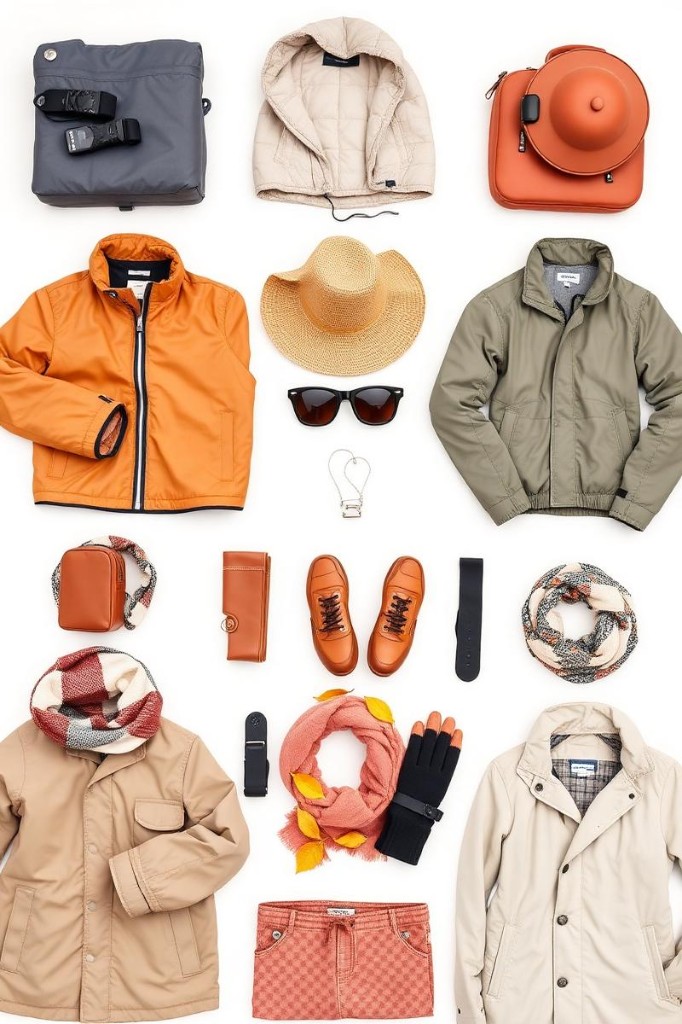
Preparing for a trip to Montenegro requires adapting your gear to the significant climatic variations between the Mediterranean coast and the Alpine mountains. These practical tips will help you optimize your experience according to the season and regions visited.

👕 Seasonal packing

Summer (June-August):

  • Light cotton or linen clothing
  • Swimsuits and sarongs
  • Hat and sunglasses
  • Light fleece for mountain evenings
  • Hiking shoes for national parks

Spring/Autumn (March-May, Sept-Nov):

  • Layering system (t-shirt, sweater, jacket)
  • Light waterproof jacket
  • Long pants and shorts
  • Waterproof walking shoes

Winter (Dec-Feb):

  • Warm and waterproof clothing
  • Ski equipment if planned
  • Beanie, gloves, scarf
  • Non-slip winter shoes
Travel clothing and gear by season

💰 Seasonal budget

PeriodAccommodation (€)Transport (€)Activities (€)Crowds (/5)Savings Tips
High Season (July-Aug)60-15040-8030-605/5Book 3 months in advance
Mid Season (May-June, Sept)40-10030-6020-403/5Best value for money
Low Season (Oct-April)25-6020-4015-301/5Negotiate rates directly
Winter Mountains (Dec-March)35-8025-5025-452/5Advantageous ski passes

💡 Money-saving tips

  • Avoid July-August: Prices double on the coast; book the more affordable mountains
  • Prioritize May-June and September: Excellent price/weather/crowd compromise
  • Enjoy the winter: Discounts up to 50% on coastal accommodation
  • Book in advance: Save 20-30% by booking 2-3 months before
  • Compare regions: The interior remains affordable even in high season

🏥 Health and precautions

Seasonal Precautions:

  • Summer: Enhanced sun protection (SPF 30+), constant hydration, watch out for jellyfish on some beaches
  • Spring/Autumn: Tick repellent for hiking, covering clothing in the evening
  • Winter: Altitude precautions in the mountains, risk of hypothermia, road conditions
  • All year: Travel insurance recommended, first aid kit for hiking
  • Vaccinations: Keep universal vaccines up to date, no specific vaccination required

Events & Festivals in Montenegro

Cultural Calendar and Festivities Not to Miss in Montenegro

Montenegrin seasonal events punctuate the year and significantly enrich the travel experience, blending ancient traditions with contemporary creations in exceptional natural settings.

Sea Dance Festival (July)

Description: One of the most spectacular electronic music festivals in Europe takes place on Jaz Beach near Budva. This event attracts international DJs and transforms the Adriatic coast into a giant musical stage with a unique atmosphere between the sea and mountains.

Location: Jaz Beach, Budva

Highlight: Main stage by the water, beach camping, magical sunsets

Climate Impact: Perfect temperatures (25-30°C / 77-86°F), zero risk of rain, refreshing sea breeze

Budva Theater Festival (July-August)

Description: An international theater festival that transforms the Old Town of Budva into an open-air stage. Performances in the medieval citadel facing the Adriatic create a magical atmosphere blending historical heritage and contemporary artistic creation.

Location: Budva Citadel, Old Town theaters

Highlight: Open-air performances in an exceptional historical setting

Climate Impact: Ideal mild evenings, guaranteed starry sky, perfect temperature for nighttime performances

Kotor Carnival (February-March)

Description: A centuries-old tradition transforming the Bay of Kotor into a theater of Venetian masks and costumes. This authentic carnival perpetuates the region's cultural heritage with parades in medieval alleys and masquerade balls in historic palaces.

Location: Old Town of Kotor, Bay of Kotor

Highlight: Preserved Venetian tradition, period costumes, intimate atmosphere

Climate Impact: Winter chill adding to the charm, possible showers but guaranteed cozy ambiance

Seasonal events

Spring:

  • Herceg Novi Film Festival (March)
  • Mimosa Festival in Herceg Novi (February-March)

Summer:

  • Kotor Classical Music Festival (July)
  • Cetinje Summer Nights (July-August)
  • Budva Jazz Festival (August)

Autumn:

  • Plantaže Wine Festival (September)
  • Mountain Festival in Žabljak (September)

Winter:

  • Orthodox Christmas Celebrations (January)
  • Kolašin Ski Festival (January-February)

Responsible Travel in Montenegro

Sustainable tourism in Montenegro preserves the country's exceptional natural beauty while respecting climatic cycles and the fragile ecosystems of national parks and the Adriatic coast.

Montenegro, nicknamed the 'Green Pearl of the Balkans', focuses on responsible ecotourism to protect its five national parks and unique biodiversity. Respecting wildlife breeding seasons and natural cycles contributes to the preservation of this exceptional heritage.

🌱 Low-season advantages

Traveling in the low season (October-April) reduces tourist pressure on fragile ecosystems, lowers your carbon footprint, and supports the local economy by spreading income throughout the year.

♻️ Sustainable travel tips

  • Water management: Save this precious resource, especially in summer on the coast
  • Waste: Respect the 'Leave No Trace' rule in national parks
  • Transport: Prioritize local buses and carpooling to reduce carbon impact
  • Wildlife: Observe without disturbing, respect bird nesting areas
  • Accommodation: Choose eco-certified or family-run establishments
  • Activities: Prefer local guides for an authentic and respectful approach

🏙️ Local sustainable initiatives

Montenegro is developing eco-responsible projects: ecological certification of accommodations, protection of sea turtles on beaches, reforestation programs in national parks, and promotion of local organic products.

Our Expert Recommendations

Expert recommendations for your trip to Montenegro

After analyzing climatic data and our field experience, we recommend optimized periods according to your priorities. Montenegro offers radically different experiences depending on the season, justifying careful planning based on real weather conditions and the regional specifics of this multifaceted country.

Optimal Period: May-June and September

Recommended Months: May, June, September

Advantages:

  • Ideal temperatures (20-25°C / 68-77°F) in all regions
  • Sea warm enough for swimming
  • Moderate crowds allowing you to fully enjoy the experience
  • Attractive prices compared to high season
  • Perfect conditions for mountain hiking

Disadvantages:

  • Some showers possible in spring
  • Tourist services not all open yet in May

Ideal Profile: Travelers seeking the best weather/price/crowd compromise

Balanced Alternative: July-August

Months: July, August

Description: Perfect period for beach and festival lovers, despite maximum tourist crowds

Specific Advantages:

  • Absolute weather guarantee
  • Perfect sea temperature (24-26°C / 75-79°F)
  • All services and activities available
  • Festive and international atmosphere

👥 Tips for your travel style

Family: June-September for weather safety and child-friendly activities. Avoid July-August if on a tight budget.

Budget: May and October for the best prices. Winter for coastal accommodation at -50%.

Adventure: May-June and September for hiking. December-March for skiing and mountaineering.

Luxury: June and September to avoid crowds while maintaining premium service.

Photographer: May for flowers, September for autumn colors, winter for snowy landscapes.

Periods to Avoid

November-February: Unpredictable weather, many services closed on the coast, difficult road conditions in the mountains. Reserved for very tight budgets or ski enthusiasts.

Cities to explore

Discover the must-sees of urban travel

All cities

Frequently Asked Questions

Find answers to essential questions to plan your trip to Montenegro according to climatic and seasonal conditions.

What is the best time to visit Montenegro?

The optimal period is from May to September, with peak quality in June and September. These months offer the best balance between pleasant weather (20-28°C / 68-82°F), warm sea, and moderate crowds. Avoid July-August if you are looking for tranquility; prioritize December-March for skiing in the mountains.

Can you swim in the Adriatic all year round?

Swimming is comfortable from May to October. The sea temperature reaches 18°C / 64°F in May, 25°C / 77°F in summer, and remains at 20°C / 68°F in October. In winter, it drops to 12-15°C / 54-59°F, reserved for the bravest. The ideal period for swimming extends from June to September.

How is the mountain climate compared to the coast?

The mountains are 8-12°C / 14-22°F cooler than the coast. In summer, expect 15-22°C / 59-72°F at altitude compared to 25-30°C / 77-86°F on the Adriatic. In winter, the mountains experience freezing temperatures with snow, while the coast remains mild (8-12°C / 46-54°F). This difference allows you to combine beach and mountain activities.

Which region to choose according to the season?

Summer: Adriatic coast for the beach and festivals. Spring/Autumn: Ideal for combining coast and mountains. Winter: Northern mountains for skiing (Kolašin, Žabljak) or the coast for mildness and attractive prices. Each region reveals its strengths depending on the time of year.

Should I avoid the rainy season in Montenegro?

There is no 'tropical rainy season' in Montenegro. Precipitation is spread throughout the year with a peak in autumn-winter (November-February). Summer remains very dry. Spring showers are short and refreshing. Only the mountain winter requires precautions for driving.