When to visit Etosha? Complete Safari Guide

From the spectacular dry season to the lush wet season, discover when to experience the ultimate safari in this legendary park.

  • Not applicable (national park) population
  • English, Afrikaans, German language
  • 45 days rainy days/year
  • May to September best time to visit
  • 3 to 5 days recommended stay

Climate and weather in Etosha

Understanding the semi-arid climate of Etosha National Park

Etosha National Park enjoys a subtropical semi-arid climate characterized by two distinct seasons. Its location in northern Namibia, surrounding the famous salt pan, directly influences wildlife viewing conditions and the safari experience.

  • Central pan zone: Drier climate with extreme temperatures and strong winds
  • Peripheral woodland zones: More temperate microclimate with dense vegetation
  • Permanent waterholes: Areas of animal concentration with higher relative humidity
MonthMin Temp (°C / °F)Max Temp (°C / °F)Precipitation (mm)Sunshine (h/day)Tourist TrafficWildlife Viewing
January20 / 6832 / 90858⭐⭐Difficult - Dense vegetation
February19 / 6631 / 88758⭐⭐Difficult - Scattered animals
March17 / 6330 / 86659⭐⭐⭐Fair - Start of concentration
April14 / 5728 / 82259⭐⭐⭐Good - Vegetation thinning
May9 / 4826 / 79510⭐⭐⭐⭐Excellent - Active waterholes
June6 / 4323 / 73010⭐⭐⭐⭐⭐Exceptional - Peak viewing
July6 / 4323 / 73010⭐⭐⭐⭐⭐Exceptional - Maximum visibility
August9 / 4826 / 79010⭐⭐⭐⭐⭐Exceptional - Ideal conditions
September14 / 5730 / 8629⭐⭐⭐⭐Excellent - End of optimal season
October17 / 6333 / 91159⭐⭐⭐Good - Intense heat
November19 / 6634 / 93358⭐⭐Difficult - First rains
December20 / 6833 / 91558⭐⭐Difficult - Wet season

Altitude variations are minimal in the park (1,000 to 1,200m / 3,281 to 3,937ft), creating a relatively homogeneous climate. However, areas around waterholes benefit from a cooler microclimate, which is particularly pleasant during the hot season.

The seasons of Etosha

Safari based on conditions

Optimize your safari experience by adapting your activities to the climatic and seasonal conditions of Etosha National Park.

🌵 Optimal Dry Season

Strategic Waterholes

Animal concentration at permanent waterholes offers exceptional viewing opportunities during this prime period.

Must-see sites:
🦏 Okaukuejo Waterhole - Nocturnal black rhino viewing - 24/7 - Free from camp
🐘 Halali Waterhole - Elephants and predators - Early morning/late afternoon - Night lighting
🦁 Goas Waterhole - Lions and large antelopes - Full day - 45min from Okaukuejo
🐆 Klein Namutoni - Leopards and caracals - Sunrise/sunset - Near Namutoni Camp
🦓 Salvadora - Zebras and wildebeest - Morning - C38 road accessible

Practical Tip: Arrive at waterholes before 7am or after 4pm to avoid the heat and maximize animal activity

Additional Tip: Bring binoculars and a telephoto lens; patience is rewarded with unique scenes

🌿 Alternative Wet Season

Extended Exploration

Animal dispersion requires exploring the entire park for more adventurous discoveries and transformed landscapes.

Priority zones:
🌸 Fisher's Pan - Flamingos and water birds - Morning - 4x4 access recommended
🦅 Dolomite Hills - Raptors and panoramic landscapes - Day - New western sector
🌺 Andoni Plains - Antelopes and dense vegetation - Afternoon - Paved road
🦜 Tsumcor - Ornithological diversity - Sunrise - Seasonal waterhole
🌿 Rietfontein - Giraffes and kudus - Morning - Acacia vegetation

Best time: After thunderstorms for dramatic light and increased animal activity

Season Tip: January-March optimal for birdwatching; avoid tracks after heavy rains

📸 All-Season Photography

Photography Spots

Certain locations offer exceptional photographic opportunities regardless of the time of visit.

Versatile sites:
🌅 Etosha Pan Lookout - Infinite panoramas - Sunrise/sunset
📷 Okaukuejo Tower - Overview of waterhole - 24/7
🦏 Rhino Drive - Guaranteed short circuit - 2h round trip

Weather Tip: Adapt photo equipment according to the season: dust protection (dry) or moisture protection (rain)

Example itinerary: Wake up 5:30am → Okaukuejo waterhole → Camp breakfast → Morning exploration → Midday rest → Afternoon game drive → Etosha Pan sunset

🏕️ Strategic Accommodation

Camps and Lodges

NWR (Namibia Wildlife Resorts) Camps:
🏕️ Okaukuejo - Historic central camp - Legendary waterhole
🏕️ Halali - Ideal central position - Near Dolomite Hills
🏕️ Namutoni - Historic fort - Access to Fisher's Pan

Essential bookings: 6-12 months in advance for dry season, 2-3 months for wet season

Budget tips: Camping is cheaper, self-catering available, basic shops in every camp

Safari Practical Guide

Prepare your Etosha safari with our practical advice adapted to the park's specific climatic and seasonal conditions for an optimal experience.

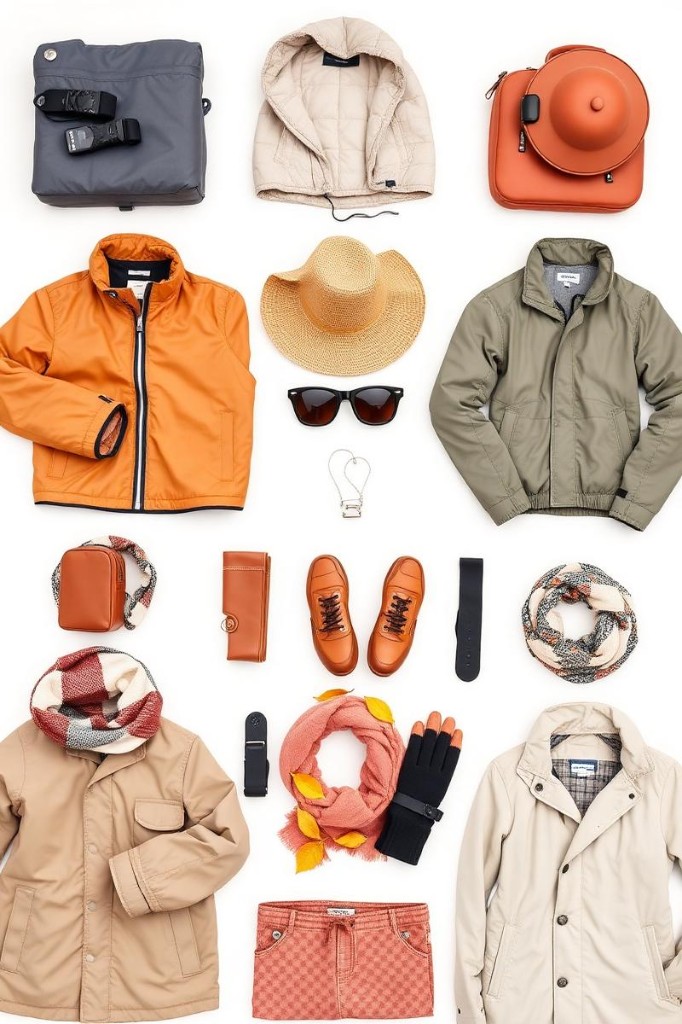
👕 Seasonal packing

Dry season (May-October): • Layered clothing (cool nights 6°C / 43°F, days 30°C / 86°F) • Closed dust-proof shoes • Hat and sunglasses • Warm jacket for evenings • Neutral safari colors

Wet season (November-April): • Lightweight breathable clothing • Raincoat and poncho • Waterproof shoes • Mosquito protection • Quick-dry clothing
Travel clothing and gear by season

💰 Seasonal budget

PeriodCamp accommodation (€/night)Park entry (€/day)Fuel (€/100km)Private guide (€/day)Traffic
May-September80-1502545200-300⭐⭐⭐⭐⭐
October-November60-1202545150-250⭐⭐⭐
December-February40-802545100-200⭐⭐
March-April50-1002545120-220⭐⭐⭐

💡 Money-saving tips

• Book accommodation well in advance for the best rates • Prioritize self-catering and camping for substantial savings • Fill up in Outjo or Tsumeb before entering (fuel is cheaper) • Group excursions and share a private guide • Carry cash for entry fees (cards are sometimes refused)

🏥 Health and precautions

• Constant hydration (4L / 1.05 gal per day minimum during dry season) • Enhanced sun protection (intense UV at altitude) • Mosquito repellents during wet season • Complete first-aid kit • Sufficient supply of personal medication • Mandatory repatriation insurance

Events and natural phenomena

Calendar of exceptional natural phenomena in Etosha

Etosha Park offers seasonal natural spectacles that dictate wildlife activity and enrich the safari experience depending on the time of visit.

🦩 Pink Flamingo Migration (January-May)

An exceptional ornithological spectacle occurs when rains temporarily fill the Etosha Pan, attracting thousands of pink flamingos and other water birds in a pink and white ballet against the African sky.

Location: Central Etosha Pan and Fisher's Pan

Feature: Unpredictable phenomenon dependent on rainfall, potentially gathering up to 100,000 birds

Climate Impact: Accessible only after good rains; roads can be difficult, but the spectacle compensates for access constraints

Transport Access: 4x4 recommended; depart early morning from Namutoni Camp

Planning Tip: Follow weather reports and ranger advice for optimal timing

🐘 Great Waterhole Concentration (July-September)

The peak of the dry season, where water scarcity concentrates exceptional biodiversity at permanent waterholes, creating scenes worthy of the greatest wildlife documentaries with fascinating inter-species interactions.

Location: Okaukuejo, Halali, and all permanent waterholes

Feature: Forced peaceful coexistence between predators and prey; fascinating hierarchy of access to water

Climate Impact: Peak tourist season; bookings are essential; patience is rewarded with premium sightings

Transport Access: All vehicles; arrive very early or in the evening for the best sightings

Planning Tip: Book camps 12 months in advance; plan for a minimum stay of 4 days

⛈️ Spectacular Thunderstorms (December-March)

Wet season thunderstorms transform Etosha into a dramatic theater with lightning streaking across the vast sky, the scent of wet earth, and an explosive rebirth of vegetation, creating a totally different safari atmosphere.

Location: Entire park, particularly impressive from Etosha Pan

Feature: Exceptional dramatic lighting for photography; temperatures temporarily cooled

Climate Impact: Roads temporarily impassable; flexible planning required; authentic African experience

Transport Access: Caution required; avoid travel during violent storms

Planning Tip: Have an alternative program, protect camera equipment, and patience will be rewarded

Seasonal events

Dry Season: • Elephant breeding period (June-August) • Maximum nocturnal predator activity (May-September) • Zebra and wildebeest gatherings (July-October)

Wet Season: • Antelope and herbivore births (January-March) • Arrival of migratory birds (November-February) • Acacia flowering and vegetation explosion (December-April)

Transitions: • Internal herd migration (April and November) • Changes in wildlife behavior (October-November)

Responsible Safari

Practicing responsible tourism in Etosha contributes to the preservation of this unique ecosystem while respecting wildlife and local Namibian communities.

Etosha National Park represents a model of successful conservation in Southern Africa. Adopting responsible practices helps minimize environmental impact while maximizing economic benefits for local communities and conservation efforts.

🌱 Low-season advantages

Visiting during the wet season reduces tourist pressure on sensitive waterholes, allows for a more authentic experience, and supports the local economy during traditionally quieter months.

♻️ Sustainable travel tips

• Respect safety distances from animals (25m / 82ft minimum) • Stay on marked tracks to protect fragile vegetation • Take all trash with you, leave no trace • Conserve water in camps (precious resource) • Prioritize local guides and community purchases • Avoid camera flashes that disturb natural behaviors

🏙️ Local sustainable initiatives

Etosha collaborates with surrounding community conservancies, prioritizes hiring local Namibians, funds anti-poaching programs, and supports educational projects in peripheral villages for sustainable participatory conservation.

Our recommendations

Recommendations for your optimal safari in Etosha

After analyzing climatic conditions, animal activity, and logistical constraints, our personalized recommendations guide you toward the ideal safari experience based on your priorities: wildlife viewing, photography, budget, or birdwatching. The seasonality of Etosha drastically influences the experience, justifying planning adapted to your specific expectations.

🏆 Optimal Period: May to September

Recommended Months: June, July, August (heart of the dry season)

Advantages:
• Exceptional wildlife viewing at waterholes
• Maximum visibility in sparse vegetation
• Ideal driving conditions on all tracks
• Optimized photography with golden light
• Climatic comfort with cool, restorative nights

Key Events: Great animal concentration, elephant breeding, nocturnal predator activity

Disadvantages: Maximum crowds, high rates, difficult bookings

Ideal Profile: First-time safari, families, wildlife photographers, Big Five enthusiasts

Stay Duration: 4 to 6 days for a complete experience

🌿 Interesting Alternative: March-April and October-November

Alternative Months: March, April (end of wet season) and October, November (start of dry season)

Description: Transition periods offering an excellent compromise between decent viewing conditions and moderate attendance, with the advantage of more accessible rates and a less touristy atmosphere.

Specific Advantages: Accommodation rates reduced by 30-40%, fewer crowds at waterholes, vegetation still green in April, first concentrations in October

For Whom: Experienced travelers, intermediate budgets, birdwatching enthusiasts, landscape photographers

👥 Tips for your travel style

Family with children: May-September, Okaukuejo/Halali camps, short activities, guaranteed waterholes
Tight budget: March-April, camping, self-catering, wet season if flexible
Photography enthusiast: June-August optimal, October for light, dust protection equipment
First safari: July-August, guides recommended, central camps, 4-5 day duration
Birdwatching: January-March despite constraints, December-February for migrants
Experienced adventurers: Wet season acceptable, 4x4 essential, flexible program

⚠️ Periods to avoid: December-February

Months not recommended: December, January, February (heart of the wet season)

Reasons: Wildlife viewing very difficult with maximum dispersion, roads sometimes impassable after rain, dense vegetation limiting visibility, uncomfortable humid heat

Nuances: Acceptable for passionate birdwatchers, experienced landscape photographers, or very budget-conscious travelers accepting significant constraints

Villes du même pays

All cities

Frequently Asked Questions

Answers to essential questions to help you plan your Etosha safari according to optimal weather conditions.

What is the best month to visit Etosha?

July and August represent the absolute optimum with perfect conditions: maximum animal concentration at waterholes, excellent visibility, pleasant temperatures (6-26°C / 43-79°F), and clear skies. June and September offer similar conditions with slightly fewer crowds. For a quality-price compromise, consider May or October, which offer 80% of the benefits but with reduced rates and fewer crowds.

How many days should I plan for Etosha?

4 to 5 days is the ideal duration to discover the three main camps and vary your viewing experiences. A minimum of 3 days allows for a decent overview by focusing on Okaukuejo and Halali. Enthusiasts can plan for 6-7 days to explore the Dolomite Hills sector and maximize chances of rare sightings like leopards or black rhinos.

What to do in Etosha if it rains?

The covered waterholes at Okaukuejo and Halali allow for observation during bad weather. The camp interpretation centers offer exhibitions and documentaries. It is the perfect opportunity for rest, sorting photos, or planning the next stages of your trip. Rains are often short and intense, followed by spectacular clearings with exceptional dramatic lighting for photography.

What events should not be missed in Etosha?

The great concentration at waterholes (July-September) remains the absolute spectacle with fascinating multi-species interactions. The pink flamingo migration (January-May) offers a unique ornithological show if rainfall conditions are favorable. The spectacular wet season thunderstorms create unforgettable dramatic atmospheres for atmospheric photography enthusiasts.

What budget should I plan for based on the season?

Dry season (May-September): €150-€250/day per person including camp accommodation, park fees, fuel, and meals. Wet season (November-March): €80-€150/day with substantial reduced rates. Add €200-€300/day for a private guide in high season, €100-€200 in low season. Camping cuts costs in half. Plan for a flexible budget as Etosha often justifies extending your stay.