When to visit Sossusvlei? Desert Guide

Explore the legendary red dunes according to the seasons and discover the magical atmosphere of the Namibian desert.

  • 2.5 M population
  • English, Afrikaans, German language
  • 15 days rainy days/year
  • May to September best time to visit
  • 2 to 4 days recommended stay

Climate and weather in Sossusvlei

Understanding the hyper-arid desert climate of Sossusvlei

Sossusvlei enjoys a hyper-arid desert climate characterized by extreme temperature fluctuations between day and night. Located in the heart of the Namib Desert, the region experiences scorching daytime temperatures and cool nights, with almost non-existent rainfall.

  • Central desert zone: Extreme temperatures and maximum aridity around the dunes
  • Dry river corridors: Slightly more temperate microclimate
  • Surrounding plateaus: Altitude moderating daytime temperatures
MonthMin Temp (°C / °F)Max Temp (°C / °F)Precipitation (mm / in)Sunshine (h/day)Tourist TrafficRecommended Activities
January19°C / 66°F36°C / 97°F15mm / 0.6in11⭐⭐Sunrise, avoid midday
February18°C / 64°F34°C / 93°F20mm / 0.8in10⭐⭐Morning photography
March16°C / 61°F32°C / 90°F25mm / 1.0in10⭐⭐⭐Moderate hiking
April12°C / 54°F28°C / 82°F8mm / 0.3in9⭐⭐⭐⭐Full exploration
May8°C / 46°F25°C / 77°F2mm / 0.1in9⭐⭐⭐⭐⭐Optimal conditions
June5°C / 41°F22°C / 72°F1mm / 0.04in8⭐⭐⭐⭐⭐Long hikes
July4°C / 39°F22°C / 72°F0mm / 0in9⭐⭐⭐⭐⭐Camping, astronomy
August6°C / 43°F25°C / 77°F1mm / 0.04in9⭐⭐⭐⭐⭐Perfect photography
September10°C / 50°F28°C / 82°F2mm / 0.1in10⭐⭐⭐⭐Ideal conditions
October14°C / 57°F31°C / 88°F5mm / 0.2in11⭐⭐⭐Sunrise/sunset
November17°C / 63°F33°C / 91°F8mm / 0.3in11⭐⭐Morning activities
December18°C / 64°F35°C / 95°F10mm / 0.4in11⭐⭐Short excursions

The altitude of 365 meters / 1,198 feet slightly moderates temperatures compared to lower desert areas, creating day-night thermal variations that can reach a 25°C / 45°F difference.

The Seasons

Sites based on weather conditions

Organize your discovery of Sossusvlei based on climate conditions to optimize your experience in this exceptional desert.

🌅 Optimal conditions (coolness)

Full exploration

Take advantage of mild temperatures to discover the entire site without thermal constraints.

Sites to prioritize:
🏔️ Dune 45 - Full ascent (1.5h) - Free - Sunrise
🌄 Big Daddy - Demanding hike (3h) - Free - Morning
🏜️ Deadvlei - Sand walk (45min) - Free - All day
🌳 Hidden Vlei - Quiet exploration (2h) - Free - Afternoon
🚗 Sossusvlei Pan - Full circuit (4h) - Park fee - Full day
📸 Elim Dune - Sunset (1h) - Free - End of day

Practical tip: Book accommodation inside the park to access sites before official opening

Extra tip: Combine Dune 45 at sunrise then Big Daddy in the morning to avoid the heat
🔥 High heat (summer)

Activities adapted to extremes

Concentrate your visits during cool hours and prioritize sites that are quickly accessible.

Recommended sites:
🌅 Dune 45 - Sunrise only (5h-7h) - Free
🌄 Elim Dune - Sunset (17h-19h) - Free
🏜️ Sossusvlei Pan - Morning express visit (6h-9h) - Park fee
🌳 Observation points - From the vehicle - Free
📸 Sesriem Canyon - Natural shade (all day) - Park fee

Best time of day: Sunrise (5h-7h) and sunset (17h-19h) exclusively

Seasonal tip: Absolutely avoid outings between 9:00 AM and 5:00 PM, stay hydrated at all times

🌤️ Versatile for all weather

Flexible sites

Discover must-sees that are accessible regardless of climate intensity.

Sites: Sesriem Canyon (natural shade), Visitor Center (air-conditioned), Panoramic viewpoints (from vehicle)

Weather tip: Adapt the schedule according to temperature: morning in summer, full day in winter

Example itinerary: Canyon in the morning, rest at midday, dunes in the late afternoon

💰 Economic experience

Accessible discovery

Free sites: Dune 45, Elim Dune, C27 road viewpoints, Sesriem Canyon

Economic period: January-March (accommodation -40%, less traffic)

Budget tips: Camping in the park, provisions from Windhoek, free sunrise at Dune 45

Practical Guide

Prepare for your desert experience with our specialized recommendations to handle Sossusvlei's extreme conditions according to the seasons and optimize your discovery.

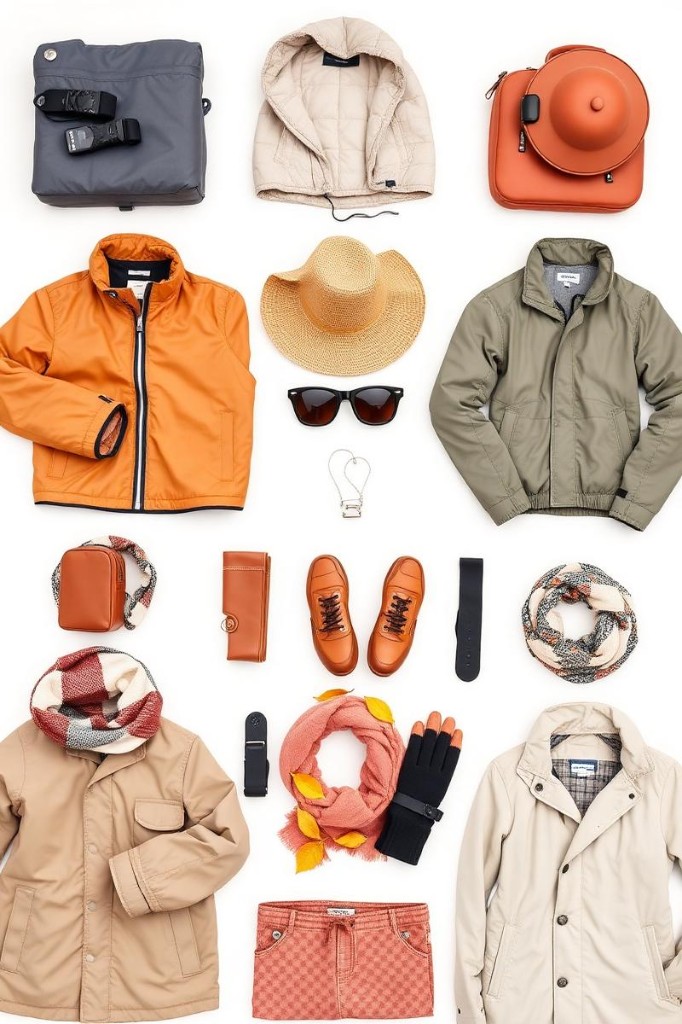
👕 Seasonal packing

Winter (June-August): • Closed hiking shoes • Warm jacket for nights (0-5°C / 32-41°F) • Multiple layers • Hat and sunglasses • High protection sunscreen

Summer (Dec-Feb): • Breathable shoes mandatory • Long anti-UV clothing • Wide-brimmed hat • Maximum protection • 3L / 0.8 gal water bottle minimum

Mid-seasons: • 3-layer system • Versatile shoes • Enhanced sun protection • Breathable technical clothing
Travel clothing and gear by season

💰 Seasonal budget

PeriodPark Accommodation (€/night)4x4 Transport (€/day)Meals (€/day)Park Fees (€)Traffic
High season (May-Sep)180-35080-12045-6025⭐⭐⭐⭐⭐
Mid-season (Mar-Apr, Oct-Nov)120-25060-9035-5025⭐⭐⭐
Low season (Dec-Feb)80-18050-7030-4025⭐⭐
Annual Camping15-2560-10020-3025Variable

💡 Money-saving tips

Book 6 months in advance for accommodation inside the park • Prioritize camping to divide costs by 5 • Rent a 4x4 in Windhoek rather than on-site • Buy food provisions in the capital • Avoid organized excursions; the site is accessible independently

🏥 Health and precautions

Massive hydration: 4-5L / 1-1.3 gal of water per day in summer • Maximum sun protection (SPF50+ cream, long clothing) • Beware of thermal shock between day and night • First aid kit mandatory • Heat stroke prevention • Medication for sand allergies

Special Events

Calendar of exceptional experiences in Sossusvlei

Discover the special moments that transform your visit to Sossusvlei into an unforgettable experience, from natural phenomena to organized events.

🌟 Astro-Namibia Festival (July-August)

Astronomical observation event taking advantage of the clearest sky in Africa. Night photography workshops, lectures, and guided observations turn the desert into a giant observatory.

Location: Namib-Naukluft Park camps

Feature: Almost zero light pollution, exceptional visibility

Climate impact: Ideal cold nights, guaranteed clear skies, requires warm gear

Transport access: 4x4 mandatory, shuttles organized from Sesriem

Planning tip: Book 8 months in advance, equipment provided

🌧️ Rare Rain Phenomenon (February-March)

Exceptional natural event transforming the desert into an ephemeral garden. Spectacular blooming of desert plants, awakening of dormant wildlife, and metamorphosed landscapes.

Location: Entire park, especially the vleis

Feature: Unpredictable phenomenon, unique beauty

Climate impact: Dramatic thunderstorms, temporarily refreshed temperatures, unusual humidity

Transport access: Roads sometimes impassable, check conditions

Planning tip: Date flexibility, rain gear, rare photography opportunity

🎨 Sossusvlei Photography Workshop (May, September)

Professional photography workshops leveraging optimal lighting conditions. Led by desert-specialized photographers, advanced techniques, and privileged site access.

Location: Main dunes and secret sites

Feature: Access before public opening, specialized techniques

Climate impact: Takes advantage of the best light conditions, comfortable temperatures

Transport access: Transfers included, professional equipment provided

Planning tip: Limited spots, book 4 months in advance

Seasonal events

Winter (June-August): • Astro-Namibia Festival (stargazing) • Night photography workshops • Long guided hikes

Summer (Dec-Feb): • Rare rain phenomenon • Wildlife observation at waterholes • Adapted photography safaris

Mid-seasons: • Professional photo workshops • Geological expeditions • Specialized birdwatching circuits

Responsible desert tourism

Preserve the fragile ecosystem of the Namib Desert by adopting practices that respect this exceptional and ancient environment.

The Sossusvlei desert requires a respectful approach: traffic limited to marked tracks, rigorous waste management, precious water conservation, respect for adapted wildlife, and support for local Nama and Herero communities.

🌱 Low-season advantages

Visiting in low season reduces pressure on the fragile ecosystem, allows for a more authentic experience of desert silence, and decreases the carbon footprint of tourist infrastructure.

♻️ Sustainable travel tips

Strictly respect marked trails to protect the biological crust • Take all your waste with you, no treatment infrastructure exists • Save water, a rare resource • Observe wildlife without disturbing it • Choose local community guides • Avoid single-use plastics

🏙️ Local sustainable initiatives

Community conservation programs, research projects on the desert ecosystem, water-saving initiatives, development of local ecotourism, training of guides from local communities, protection of ancestral archaeological sites.

Our Recommendations

Recommendations for your expedition to Sossusvlei

After analyzing the extreme climate conditions and the specificities of the Namibian desert, here are our personalized tips to optimize your discovery of Sossusvlei. The recommendations take into account temperatures, tourist traffic, camping conditions, and exceptional photography opportunities.

🏆 Optimal Period: May to September

Recommended Months: June, July, August

Advantages:
• Perfect daytime temperatures (20-25°C / 68-77°F)
• Cool nights ideal for camping
• Permanent clear skies for astronomy
• Optimal hiking conditions
• Photography in exceptional conditions

Key Events: Astro-Namibia Festival, night photography workshops

Disadvantages: High traffic, high prices, very cold nights

Ideal Profile: All travelers, photographers, astronomy enthusiasts

Stay Duration: 3-4 days recommended

🌟 Interesting Alternative: March-April, October

Alternative Months: March, April, October

Description: Excellent compromise between favorable weather conditions and moderate attendance, with more accessible rates.

Specific Advantages: Fewer tourists, moderate prices, still pleasant temperatures, excellent lighting

For whom: Flexible travelers, medium budgets, families

👥 Tips for your travel style

Family: May-September, park accommodation, morning activities, accessible Dune 45

Budget: March-April, camping, Windhoek provisions, free sites

Photography: June-August, sunrise/sunset, specialized workshops

Adventure: All year, wild camping, independent 4x4

First trip: May-September, local guide, comfortable accommodation

⚠️ Periods to avoid: December-February

Not recommended: December, January, February

Reasons: Dangerous extreme heat (40°C+ / 104°F+), activities limited to cool hours, high risk of dehydration

Nuances: Acceptable for experienced desert travelers, photographers seeking dramatic conditions

Villes du même pays

All cities

Frequently Asked Questions

Answers to essential questions to help you plan your expedition to the Sossusvlei desert based on climate conditions.

What is the best month to visit Sossusvlei?

June to August offer optimal conditions with pleasant daytime temperatures (22-25°C / 72-77°F) and cool nights perfect for camping. It is the ideal time for all activities: dune hiking, photography, and stargazing. However, it is also high season with more crowds and higher prices. For a good compromise, May and September remain excellent with fewer crowds.

How many days should I plan for Sossusvlei?

2 to 4 days depending on your interests. A minimum of 2 days is needed to see the essentials: Dune 45, Big Daddy, Deadvlei, and Sesriem Canyon. 3-4 days allow you to explore at a leisurely pace, enjoy sunrises/sunsets, do some stargazing, and discover less-frequented sites like Hidden Vlei. Photographers and camping enthusiasts will appreciate 4-5 days to capture all the desert light.

What to do in Sossusvlei during extreme heat?

In summer (December-February), adapt your schedule: wake up at 5:00 AM to climb Dune 45 at sunrise, visit Sesriem Canyon which offers natural shade, rest at your accommodation between 9:00 AM and 5:00 PM, then enjoy the sunset at Elim Dune. Hydrate heavily (4-5L / 1-1.3 gal per day), wear long anti-UV clothing, and absolutely avoid physical activities during the heat of the day.

What events should not be missed in Sossusvlei?

The Astro-Namibia Festival (July-August) turns the desert into a giant observatory thanks to the clearest sky in Africa. Photography workshops (May, September) offer privileged access to sites with professional guidance. If you are lucky, witness the rare rain phenomenon (February-March) that makes flowers bloom in the desert—an exceptional and unpredictable spectacle.

What budget should I plan for based on the season?

In high season (May-September): €250-€400/day with accommodation in the park, 4x4, and meals. In low season (December-February): €150-€250/day with discounts of up to 40% on accommodation. Camping divides costs by 3-4 year-round (€50-€80/day). Add €25 for park entrance fees and budget for significant fuel costs for the essential 4x4 vehicle.