When to visit Walvis Bay? City-Trip Guide

Between the wild lagoon, golden dunes, and Atlantic mists, Walvis Bay offers a unique atmosphere in every season.

  • 0.09 M population
  • English, Afrikaans, Oshiwambo, German language
  • 20 days/year rainy days/year
  • May to October best time to visit
  • 3 to 5 days recommended stay

Weather and climate trends in Walvis Bay

Understanding the arid coastal climate of Walvis Bay

Walvis Bay enjoys a unique coastal desert climate, tempered by the cold Benguela Current. Nestled between the Atlantic Ocean and the Namib Desert, the city experiences remarkably stable temperatures throughout the year, with rare rainfall and characteristic morning fogs that soften the traveler's experience.

  • Coastal Zone: Temperatures moderated by the Atlantic Ocean, frequent morning fog
  • Harbor Zone: More sheltered microclimate, slightly higher temperatures
  • Desert Periphery: More pronounced temperature fluctuations, occasional sandstorms
MonthMin Temp (°C / °F)Max Temp (°C / °F)Precip. (mm / in)Sunshine (h/day)Tourist TrafficRecommended Activities
January19 / 6626 / 793 / 0.129★★★☆☆Flamingo watching, boat trips
February19 / 6626 / 795 / 0.208★★★☆☆Lagoon kayaking, salt works tour
March18 / 6425 / 778 / 0.318★★☆☆☆Birdwatching, Pelican Point
April15 / 5922 / 725 / 0.208★★☆☆☆Dune 7 hiking, wildlife photography
May12 / 5418 / 643 / 0.127★★★★☆Coastal safari, seal watching
June10 / 5017 / 631 / 0.047★★★★☆Karnival, Sandwich Harbour excursion
July9 / 4816 / 611 / 0.047★★★★★Dolphin cruise, Pelican Point, dunes
August10 / 5017 / 631 / 0.048★★★★★Whale watching, Ramsar lagoon
September12 / 5419 / 661 / 0.049★★★★☆Kayaking, quad biking, flamingos
October14 / 5722 / 721 / 0.0410★★★☆☆Diving, sport fishing, Dune 7
November16 / 6123 / 731 / 0.0410★★★☆☆Coastal walks, esplanade
December18 / 6425 / 772 / 0.089★★★☆☆Sunset cruises, lagoon kayaking

The low altitude of Walvis Bay (sea level) ensures stable temperatures, while the proximity of the Namib Desert influences the winds and the exceptional aridity of the region.

The seasons

Must-sees by weather

Whether the sun is shining or the Atlantic mist is enveloping the lagoon, Walvis Bay is full of experiences adapted to every weather condition. Here is how to organize your stay so you never waste an hour and fully enjoy this exceptional Namibian destination.

☔ In cloudy or windy weather

Indoor and natural shelters

Even in overcast or windy weather, Walvis Bay has great surprises in store away from the elements. The Atlantic mist actually gives the lagoon a striking photographic atmosphere.

  • 🏛️ Walvis Bay Museum – Colonial history, fishing, and local geology | Duration: 1h | Free | All year
  • 🐟 Harbor Fish Market – Local atmosphere, fresh fish, handicrafts | Duration: 1h | Free | Every morning
  • 🍽️ Seaside Restaurants (Esplanade) – Oysters, crayfish, local lobsters | Duration: 1h30 | 20-40 € | All year
  • Sam Nujoma Avenue Cafés – Local atmosphere and Namibian artisans | Duration: 1h | Free | All year
  • 🛍️ Namport Shopping Centre – Souvenirs, crafts, local groceries | Duration: 1h | Free | All year

Practical tip: Book your seaside restaurants as soon as you arrive; tables facing the lagoon fill up quickly in high season.

Tip: Combine the fish market visit in the morning with the museum in the early afternoon for a perfect cultural half-day.

☀️ In good weather

Outdoors and fresh air

Under a generous Namibian sun, Walvis Bay reveals all its natural splendor: sparkling lagoon, golden dunes, and exceptional coastal wildlife await you for unforgettable moments.

  • 🦩 Walvis Bay Lagoon (Ramsar Site) – Flamingos, pelicans, unique biodiversity | Duration: 2h | Free | May-October optimal
  • 🦭 Pelican Point – Seals, African penguins, dolphins | Duration: 3h (boat excursion) | 50-70 € | June-September
  • 🏔️ Dune 7 – Highest dune accessible by car near Walvis Bay | Duration: 2h | Free | All year, morning recommended
  • 🌊 Sandwich Harbour – Dunes plunging into the Atlantic, lunar landscape | Duration: 4-5h (4x4 mandatory) | 80-120 € | All year
  • 🐬 Catamaran Dolphin Cruise – Dolphins, seals, penguins at sea | Duration: 3h | 50-80 € | All year
  • 🦅 Bird Island – Ornithological observation in the open sea | Duration: 2h (boat) | 40-60 € | July-November

Best time of day: Sunrise over the lagoon is absolutely spectacular in the austral winter. The late afternoon golden hour turns the dunes into paintings of fire.

Season tip: Avoid Sandwich Harbour in December-January due to strong Bergwind. July and August are the dream months for Pelican Point.

🌤️ Versatile for all weather

Flexible sites, sun or mist

Some sites in Walvis Bay are just as fascinating in overcast weather as they are under bright sun, offering a different but always memorable experience.

  • 🧂 Walvis Bay Salt Pans – Colorful spectacle of salt pools, flamingos guaranteed | Indoor/Outdoor
  • Esplanade and harbor promenade – Coastal walk, cafés, view of the lagoon | All weather
  • 🚢 Historical Harbor Zone – Colonial architecture, maritime history, authentic atmosphere | All weather

Weather tip: In morning mist, prioritize the salt pans (the flamingos are even more mysterious there) before heading to the esplanade when the sun breaks through.

Typical itinerary: 7 AM departure to the salt pans (mist and flamingos), coffee on the esplanade at 9 AM, fish market at 10 AM, seafood lunch, free afternoon depending on weather (lagoon or museum).

💰 Free or economical

Free and accessible

  • 🦩 Walvis Bay Lagoon – Flamingo observation from public banks, totally free
  • 🏖️ Walvis Bay Beach – Walk, sunset, picnic facing the Atlantic
  • 🧂 View of the salt pans from the road – Free observation of the colorful pools and flamingos
  • 🏛️ Walvis Bay Museum – Free entry or symbolic price depending on the day

Budget tips: The harbor market allows you to have lunch for less than 5 € with ultra-fresh fish. The esplanade walk is free and offers sublime panoramas of the lagoon.

Practical Guide

Walvis Bay is a destination accessible all year round, but a few precautions are necessary to travel comfortably. The variations between foggy mornings and sunny afternoons require dressing in layers. Most nature excursions require advance booking, especially in high season (July-August), and a 4x4 is essential for Sandwich Harbour.

👕 Seasonal packing

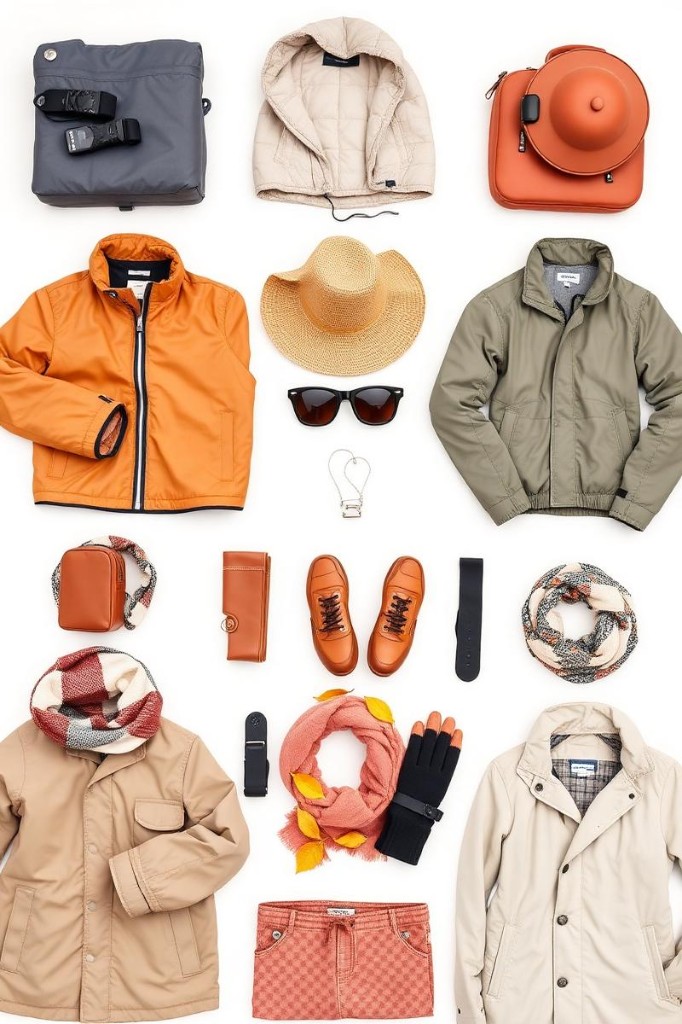
Austral Winter (May – August): Light fleece or waterproof windbreaker · Layering is essential · Closed walking shoes · Scarf and beanie for mornings at sea · Sunglasses and cap for afternoons

Austral Spring (September – November): T-shirt + light jacket for mornings · Lightweight hiking shoes · High-SPF sunscreen · Wide-brimmed hat

Austral Summer (December – February): Light cotton clothing · A warm layer for morning mists · Breathable shoes · Maximum sun protection · Light windbreaker for sea excursions

Austral Autumn (March – April): Versatile outfits adapted to daily variations · Light raincoat · Versatile trail/city shoes

Travel clothing and gear by season

💰 Seasonal budget

PeriodAccommodation (€/night)Transport (€/day)Restaurants (€/day)Attractions (€)Crowds
July – August (High)80 – 15015 – 3030 – 6050 – 120★★★★★
May – June60 – 11012 – 2525 – 5040 – 100★★★★☆
September – October55 – 10012 – 2525 – 5040 – 90★★★☆☆
November – December50 – 9010 – 2020 – 4535 – 80★★★☆☆
January – February50 – 8510 – 2020 – 4535 – 80★★★☆☆
March – April (Low)40 – 7010 – 1820 – 4030 – 70★★☆☆☆

💡 Money-saving tips

Book your excursions (Dolphin Cruise, Sandwich Harbour) directly with local operators to avoid middleman commissions. · Buy your fresh fish at the harbor market in the morning for a tasty and ultra-economical lunch. · Prefer local guesthouses over international lodges for an authentic experience and 30-40% lower rates. · In March-April, negotiate your off-season excursions; many providers offer significant discounts. · Rent a vehicle with other travelers to share the costs of 4x4 excursions to Sandwich Harbour.

🏥 Health and precautions

  • 💊 Consult your doctor for potential malaria treatment if you are extending your trip to northern Namibia
  • ☀️ Sun protection is mandatory: UV radiation is very high despite mild temperatures, especially at sea
  • 💧 Hydrate abundantly: the dry desert air dehydrates you insidiously even in cool weather
  • 🌬️ Windbreaker is essential for boat trips; the wind can be brisk in all seasons
  • 🦟 Use insect repellent during excursions in the lagoon wetlands
  • 🏥 The Walvis Bay clinic (Welwitschia Hospital) provides 24/7 care

Events in Walvis Bay

Calendar of must-see events in Walvis Bay

Events in Walvis Bay reflect its unique identity, a blend of Namibian cultures, maritime traditions, and community celebrations that transform the city and deeply enrich the traveler's experience.

🎭 Walvis Bay Kus Karnival – June

The Kus Karnival is the city's most festive event, a colorful community carnival that takes over the streets of Walvis Bay every June. Decorated floats, African music, traditional dances, and extravagant costumes create an authentic popular celebration atmosphere that contrasts beautifully with the usual serenity of the bay.

Location: Walvis Bay city center, Sam Nujoma Avenue and adjacent streets

Highlight: Community-led carnival, massive local participation, free entry for spectators

Impact: The city's activity level nearly doubles; accommodations fill up several days before the event

Access: Walking distance from all city center accommodations

Tip: Book your accommodation 2 to 3 months in advance for the carnival dates

🇳🇦 Namibia Independence Day – March 21st

Every March 21st, Namibia celebrates its independence (gained in 1990) with a national fervor that is particularly touching in Walvis Bay. The city lights up in the colors of the Namibian flag, parades march through the main arteries, and community festivities continue until the evening around the harbor and the lagoon.

Location: Main square, harbor esplanade, Walvis Bay lagoon

Highlight: A moment of authentic national communion, traditional music, official speeches in various Namibian languages

Impact: Many shops close on the day; festive atmosphere throughout the city center

Access: Walking distance from the center, reinforced public transport

Tip: Plan your nature excursions for the days leading up to the national holiday to enjoy both experiences

🐦 Annual Birdwatching Festival – August / September

Walvis Bay, a designated Ramsar site of international importance, attracts ornithologists and nature lovers every year during guided birdwatching outings organized around the lagoon. Flamingos, white pelicans, avocets, and migratory shorebirds can be seen in an absolutely breathtaking natural spectacle.

Location: Walvis Bay lagoon, salt pans, Bird Island

Highlight: Certified local guides, exclusive twilight observations, participation of local eco-lodges

Impact: High influx of international naturalists, boat excursions fill up quickly

Access: Excursions organized from the main wharf, 4x4 vehicles for certain sites

Tip: Book your guided outings at least 4 to 6 weeks in advance during high season

Seasonal events

Austral Winter (May – August):

  • 🎭 Kus Karnival (June – city center – community carnival)
  • 🦭 Seal season at Pelican Point (June-August – sea excursions)
  • 🐬 Dolphin Watching high season (May-August – catamaran from the harbor)

Austral Spring (September – November):

  • 🐦 Birdwatching Festival (August-September – Ramsar lagoon)
  • 🎣 Sport fishing season (October-November – sport fishing competitions)

Austral Summer (December – February):

  • 🎄 Community Christmas and New Year markets (December – city center)
  • 🌅 Organized sunset evenings (December-February – esplanade)

Austral Autumn (March – April):

  • 🇳🇦 Namibia Independence Day (March 21st – national festivities)
  • 🦩 Massive return of migratory flamingos (March-April – lagoon)

Responsible Walvis Bay

Walvis Bay is a natural destination of exceptional ecological fragility: its Ramsar-listed lagoon, Namib dunes, and unique marine wildlife deserve conscious and respectful tourism to preserve these treasures for future generations.

The Walvis Bay lagoon is home to one of the largest populations of southern African flamingos and is a wetland of global importance. Visitors are invited to scrupulously respect the imposed observation distances, not to disturb birds and marine mammals, to choose certified eco-responsible local tour operators, and to limit their plastic footprint in a particularly vulnerable marine environment.

🌱 Low-season advantages

Visiting Walvis Bay in low season (March-April or November-December) helps reduce pressure on the lagoon, directly supports independent local actors, and provides a more authentic natural experience, far from the organized groups that flock in July-August.

♻️ Sustainable travel tips

Choose local excursion operators certified by the Namibia Tourism Board rather than international agencies. · Respect the minimum observation distances imposed for wildlife (flamingos, seals, dolphins) and never feed wild animals. · Bring your reusable water bottle: tap water is drinkable in Walvis Bay; avoid plastic bottles. · Prefer walking or cycling for getting around town and the esplanade walk. · Stay in local guesthouses certified by Namibia Green Tourism to support the community economy. · Buy your souvenirs directly from local artisans at the harbor market rather than in large stores.

🏙️ Local sustainable initiatives

The city of Walvis Bay actively supports the conservation of its Ramsar lagoon in collaboration with BirdLife Namibia and the Namibian Ministry of Environment. Community beach cleaning programs are organized regularly, the salt pans are subject to eco-responsible management, and several local tour operators have obtained environmental certifications recognizing their exemplary sustainable practices.

Our recommendations

Recommendations for your city-trip to Walvis Bay

Walvis Bay is an exceptional destination to visit ideally between May and October, when the sky is clear, flamingos are omnipresent, and marine wildlife is at the peak of its activity. The July-August period represents the holy grail for the nature traveler, while September-October offers a perfect balance between favorable weather, moderate crowds, and reasonable prices. The March-April periods will appeal to travelers seeking authenticity and attractive prices. Regardless of your travel window, Walvis Bay never disappoints.

Optimal period: July – September

Recommended months: July, August, September

  • ✅ Clear skies and exceptional light for wildlife photography
  • ✅ Wildlife at its peak: flamingos, dolphins, seals, penguins
  • ✅ Ideal temperatures for hiking in the dunes
  • ✅ All excursions available and operational
  • ✅ Optimal city animation with the Kus Karnival in June

Key events: Kus Karnival (June-July), Birdwatching Festival (August-September)

Disadvantages: High season with accommodations and excursions that must be booked in advance. Slightly higher rates.

Ideal profile: Families, couples, photographers, nature and wide-open space lovers

Recommended duration: 4 to 5 days minimum

Interesting alternative: October – November

Alternative months: October, November

The Namibian autumn offers a remarkable compromise between summer weather conditions, lower tourist traffic, and more accessible rates. The sun is generous, wildlife is still very present, and operators often offer attractive deals to extend the season.

Specific advantages: Accommodation and excursion rates down by 20 to 30%, fewer tourists at natural sites, increased sunshine for sublime photos, active sport fishing season.

For whom: Budget travelers, couples on a romantic getaway, amateur photographers, visitors on a second trip seeking a more intimate Walvis Bay.

👥 Tips for your travel style

Family: July-August are ideal · Catamaran dolphin cruise (kids will love it) · Dune 7 (accessible sandboarding) · Guesthouses with kitchens to save money · Half-day excursions adapted for children

Budget: March-April are preferred · Local city center guesthouses (40-70 €/night) · Harbor market lunches · Free flamingo watching from public banks · Shared car rental for Sandwich Harbour

Culture/Nature: August-September are perfect · Local museum + salt pans + Ramsar lagoon · Certified birdwatching guides · Eco-lodge accommodation · Swakopmund-Walvis Bay combined circuit

Romantic: October-November are recommended · Sunset catamaran cruise · Seafood dinner facing the lagoon · Room with a bay view · Twilight walk on the esplanade

First trip: July is optimal · Start with the lagoon and flamingos · Pelican Point excursion is essential · Sandwich Harbour via guided 4x4 · 4 nights minimum to cover everything

Periods to avoid depending on your profile

Months to consider with caution: December, January, February

Reasons: Frequent morning sea fog that can limit some sea excursions. Occasional Bergwind gusts making Sandwich Harbour less accessible. Slight price increase during holiday periods (Christmas, New Year).

Nuances: These months remain quite interesting for lovers of mysterious atmospheres and photographers seeking unusual light on the foggy lagoon. Flexible and curious travelers will find a secret and enchanting Walvis Bay.

Villes du même pays

All cities

Frequently Asked Questions

Planning your trip to Walvis Bay and still have a few questions? Here are the essential answers to organize your stay with peace of mind.

What is the best month to visit Walvis Bay?

The best time to visit Walvis Bay is undoubtedly July and August, in the heart of the austral winter. The weather is dry and clear, temperatures remain mild (9 to 18°C / 48 to 64°F), and coastal wildlife is at its peak: record numbers of flamingos on the lagoon, active dolphins, seals at Pelican Point, and African penguins. If you prefer to avoid the high season, September and October offer an excellent compromise between favorable weather, moderate crowds, and more accessible rates.

How many days should I plan for Walvis Bay?

Plan for at least 3 days to discover the essentials of Walvis Bay: the lagoon and flamingos, a Pelican Point excursion, the fish market, and the esplanade. For a complete experience, allow 4 to 5 days to add Sandwich Harbour (a 4x4 half-day trip is essential), a catamaran dolphin cruise, and the climb up Dune 7. Nature and bird enthusiasts can easily extend their stay to 6 or 7 days by combining Walvis Bay with the neighboring town of Swakopmund.

What to do in Walvis Bay in case of fog or strong wind?

Morning sea fog is actually a fascinating atmospheric signature of Walvis Bay, ideal for artistic photography on the lagoon. On cloudy or windy days, enjoy the harbor fish market for a tasty lunch, explore the Walvis Bay Museum and its historical collections, or sit down at a seafood restaurant facing the bay. The salt pans remain accessible and photogenic in all weather, and the flamingos look even more mysterious in the mist.

Which events should not be missed in Walvis Bay?

Do not miss the Kus Karnival in June, a colorful community carnival that turns the streets of Walvis Bay into an unforgettable Namibian popular celebration. In March, Independence Day offers an authentic and moving moment of national communion. Between August and September, the Birdwatching Festival brings together ornithologists and nature lovers around the Ramsar lagoon. Finally, the months of July-August correspond to the high season for Dolphin Cruises and excursions to Pelican Point, which should not be missed under any circumstances.

What budget should I plan for Walvis Bay depending on the season?

In high season (July-August), expect 150 to 250 € per day per person, all expenses included (accommodation 80-150 €, excursions 50-120 €, meals 30-60 €). In mid-season (May-June, September-October), the budget drops to 100-180 €/day. In low season (March-April), a budget traveler can manage on 70-120 €/day by choosing local guesthouses, eating lunch at the market, and booking excursions directly with local operators. Free activities (lagoon, beach, esplanade) help keep your budget under control regardless of the time of year.