When to visit Guayaquil? City-Trip Guide

Discover the pearl of the Ecuadorian Pacific according to tropical seasons for an unforgettable urban stay.

  • 2.7 M population
  • Spanish language
  • 85 days rainy days/year
  • from June to November best time to visit
  • 3 to 5 days recommended stay

Tropical climate of Guayaquil

Understanding Guayaquil's tropical semi-arid climate

Guayaquil enjoys a tropical semi-arid climate influenced by the Humboldt Current. The urban heat island effect accentuates temperatures in the city center, while the proximity to the Pacific moderates extremes.

  • Historic Center: Warmer with urban heat island effect, high daytime temperatures
  • Malecón 2000: Refreshing sea breeze, milder temperatures
  • Residential neighborhoods: Slightly cooler, moderating urban vegetation
MonthMin Temp (°C / °F)Max Temp (°C / °F)Precipitation (mm / in)Sunshine (h/day)Tourist TrafficRecommended Activities
January23°C / 73°F31°C / 88°F15mm / 0.6in7⭐⭐⭐Malecón, museums
February24°C / 75°F32°C / 90°F25mm / 1.0in6⭐⭐⭐Parks, historic districts
March24°C / 75°F32°C / 90°F60mm / 2.4in6⭐⭐Shopping malls, galleries
April24°C / 75°F31°C / 88°F80mm / 3.1in5⭐⭐Museums, theaters
May23°C / 73°F30°C / 86°F25mm / 1.0in4⭐⭐Urban walks
June22°C / 72°F28°C / 82°F5mm / 0.2in3⭐⭐⭐⭐Outdoor exploration
July21°C / 70°F27°C / 81°F2mm / 0.1in3⭐⭐⭐⭐⭐Malecón, Cerro Santa Ana
August21°C / 70°F27°C / 81°F2mm / 0.1in3⭐⭐⭐⭐⭐Parks, walks
September21°C / 70°F28°C / 82°F5mm / 0.2in4⭐⭐⭐⭐Festivals, events
October22°C / 72°F29°C / 84°F8mm / 0.3in5⭐⭐⭐Neighborhood discovery
November22°C / 72°F30°C / 86°F10mm / 0.4in6⭐⭐⭐Markets, gastronomy
December23°C / 73°F31°C / 88°F12mm / 0.5in7⭐⭐⭐⭐Festivities, lights

Located at sea level, Guayaquil has few significant altitudinal variations. Surrounding hills like Cerro Santa Ana offer slightly cooler temperatures thanks to breezes.

The seasons

Must-sees by weather

Optimize your discovery of Guayaquil by adapting your visits to weather conditions to fully enjoy the urban treasures.

☔ In cloudy/rainy weather

Indoor & protected

Rainy days reveal Guayaquil's rich cultural heritage through its covered spaces and architectural treasures.

Must-see sites:
🏛️ Municipal Museum (2h, 3€, all year)
🎨 Anthropological and Contemporary Art Museum (1h30, 2€, ideal March-May)
🏪 Covered Malecón del Salado (1h, free, all year)
🛍️ Centro Comercial Malecón 2000 (2h, free, perfect wet season)
⛪ Metropolitan Cathedral (45min, free, remarkable architecture)
🎭 Teatro Centro de Arte (depending on program, 15-30€)
📚 Municipal Library (1h, free, colonial architecture)

Practical tip: Online reservations recommended for museums, cultural pass available for 3 sites for 8€

Extra tip: Logical sequence: historic center → covered Malecón → museums, perfect for avoiding showers

☀️ In good weather

Optimal outdoor

Clear skies reveal all the splendor of Guayaquil's urban spaces and exceptional panoramas.

Outdoor sites:
🌅 Full Malecón 2000 promenade (2-3h, free, sunrise/sunset)
⛰️ Cerro Santa Ana and Cerro del Carmen (2h, free, panoramic view)
🌳 Parque Histórico Guayaquil (3h, 5€, flora and fauna)
🏘️ Las Peñas colorful neighborhood (1h30, free, golden hour photo)
🌺 Parque Seminario with iguanas (1h, free, cool morning)
🚢 Puerto Santa Ana marina (1h, free, maritime promenade)
🎡 La Perla ferris wheel (30min, 8€, 360° view)

Best time of day: Sunrise on the Malecón (6:30 AM), sunset from Cerro Santa Ana (6:30 PM), golden hour perfect for photos

Season tip: June to September optimal, avoid 12 PM-3 PM in hot season, prioritize mornings and late afternoons

🌤️ Versatile all weather

Flexible

These sites combine covered and open spaces to adapt to all weather conditions.

Combined sites:
🏛️ Palacio Municipal (interior/gardens, 1h, free)
🎪 Mercado Artesanal (covered/terraces, 2h, free)
🍽️ Zona Rosa (terrace/indoor restaurants, evening)
🎨 Barrio del Astillero (galleries/pedestrian streets, 2h)
🌉 Puente 5 de Junio (structure/promenade, 45min)

Weather tip: Start outdoors if the weather is nice, retreat indoors if showers occur, maximum flexibility

Itinerary example: Morning Malecón → if rain, take refuge in Mercado Artesanal → afternoon museums or continue outdoors depending on conditions

💰 Free or budget-friendly

No cost

Free sites:
🚶 Full Malecón 2000 promenade
🏘️ Exploration of Las Peñas neighborhood
🌳 Parque Seminario and iguana observation
🏛️ Cathedral and historic churches
🎭 Weekend street performances

Free days: Municipal museums free on the first Sunday of the month, libraries always free

Budget tips: Free panoramas from Cerro Santa Ana, authentic local markets, residential neighborhoods for local atmosphere

Practical Guide

Essential tips to optimize your urban stay in Guayaquil according to tropical climate variations and the specifics of this dynamic Ecuadorian metropolis.

👕 Seasonal packing

Dry season (June-November): • Comfortable breathable walking shoes • Light jacket for cool evenings • Hat and sunglasses • Light backpack for excursions

Wet season (December-May): • Waterproof non-slip shoes • Compact rain jacket • Compact umbrella • Quick-dry clothing • Waterproof bag for electronics

All year round: • Light breathable clothing • Sun protection • Modest attire for churches • Layered clothing for air conditioning/outdoors
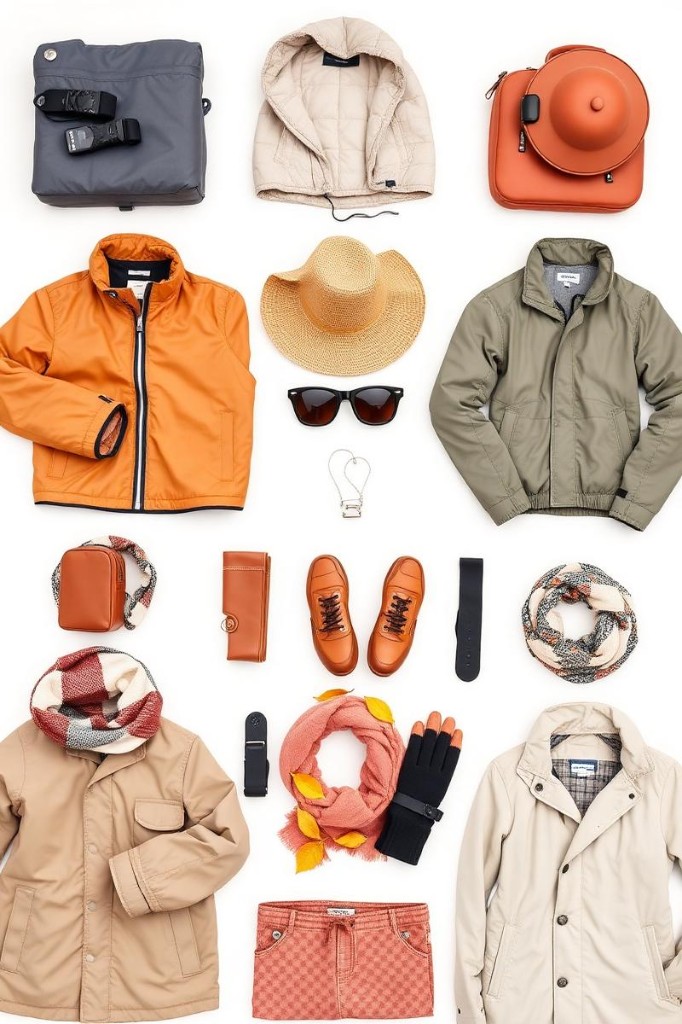
Travel clothing and gear by season

💰 Seasonal budget

PeriodCity Center Accommodation (€/night)Transport (€/day)Restaurants (€/day)Attractions (€)Attendance
Dry season (June-Nov)35-808-1520-3515-25⭐⭐⭐⭐
Wet season (Dec-May)25-606-1215-3012-20⭐⭐
High season (July-Aug)45-10010-1825-4018-30⭐⭐⭐⭐⭐
Holiday season40-908-1522-3815-25⭐⭐⭐⭐

💡 Money-saving tips

Cultural City Pass: 3 museums + transport for 15€, profitable from 2 visits
Local restaurants: lunch menus 8-12€ vs tourist dinner 20-30€
Alternative accommodation: Urdesa or Kennedy neighborhoods, 20% cheaper than the center
Unlimited transport: daily MetroVía card 2€ vs individual taxis
Free events: weekend Malecón shows, street festivals

🏥 Health and precautions

Increased hydration: tropical climate and intensive urban walking
Sun protection: intense UV all year, SPF 50+ sunscreen
Food precautions: bottled water, avoid ice in street food
24h Pharmacies: Fybeca and Pharmacys in shopping malls
Travel insurance: recommended for quality private care

Urban events

Essential events calendar for Guayaquil

Guayaquil's cultural richness is expressed through vibrant festivals that transform the urban atmosphere and pace local life.

🎭 Festival de las Artes (July)

International festival transforming the historic center into a giant artistic stage. Street theater, concerts, exhibitions, and performances in all iconic neighborhoods.

Location: Historic center, Malecón 2000, Las Peñas

Feature: Free access to most shows, international programming

Climate impact: Ideal dry season, maximum attendance, accommodation booking 2 months in advance required

Transport access: MetroVía line 1 Malecón station, special festival shuttles

Planning tip: Download the festival app for real-time schedule and event geolocation

🎊 Fiestas Julias (July 24-25)

Celebration of the founding of Guayaquil with parades, free concerts, and spectacular fireworks on the Guayas River. Festive atmosphere throughout the city.

Location: Malecón 2000, Plaza de Armas, popular neighborhoods

Feature: Centuries-old tradition blending folklore and modernity, massive local participation

Climate impact: Peak dry season, cool temperatures ideal for night festivities, absolute tourist peak

Transport access: Free public transport on the day, city center traffic closures

Planning tip: Accommodation fully booked 3 months prior, prioritize peripheral neighborhoods with good transport access

🎨 Guayaquil es mi Destino (September)

Gastronomic and cultural festival celebrating local identity with craft markets, culinary demonstrations, and contemporary Ecuadorian music concerts.

Location: Parque Histórico, Malecón del Salado, shopping centers

Feature: Focus on local gastronomy and crafts, accessible prices, family atmosphere

Climate impact: End of dry season, optimal conditions, moderate attendance allowing authentic discovery

Transport access: Free shuttles between sites, free parking on weekends

Planning tip: Participating restaurant reservations recommended, tasting pass available online

Seasonal events

Dry season (June-November): • International Film Festival (August, Malecón) • Noche en Blanco (September, free museums) • Gastronomic Festival (October)

Wet season (December-May): • Guayaquil Carnival (February/March, colorful parades) • Holy Week (March/April, processions) • Mother's Day shows (May)

All year round: • Weekend Malecón concerts • Las Peñas craft markets • Sunday Plaza de Armas street performances

Responsible city trip

Discovering Guayaquil responsibly helps preserve its urban heritage and support the authentic local economy.

Guayaquil is developing sustainable initiatives: electric public transport, expanded pedestrian zones, local organic markets, and urban recycling programs. Prioritizing family-owned businesses over international chains supports the local economy.

🌱 Low-season advantages

Visiting during the wet season reduces tourist pressure, allows for an authentic discovery of local life, and supports the economy during less favorable periods.

♻️ Sustainable travel tips

MetroVía and urban buses: modern and efficient network, avoid individual taxis
Family restaurants: Urdesa and Kennedy neighborhoods for authentic cuisine
Local markets: Mercado Caraguay for fresh fair-trade products
Certified accommodation: Ecuadorian ecotourism labels
Walking priority: historic center entirely pedestrian
Alternative tours: residential neighborhoods to avoid Malecón overtourism

🏙️ Local sustainable initiatives

The city is developing secure bike paths, participatory urban gardens, tourist waste recycling, and sustainable restaurant labels. Municipal program for roof greening and plastic reduction in the hotel industry.

Our recommendations

Recommendations for your city trip to Guayaquil

Our climate analysis and field observations reveal the optimal periods to discover Guayaquil according to your priorities: ideal weather, cultural atmosphere, controlled budget, or local authenticity. The city's tropical climate offers distinct urban experiences according to the seasons.

🏆 Optimal period: July-September

Advantages:
• Perfect weather conditions with cool temperatures (21-28°C / 70-82°F)
• Clear skies ideal for urban exploration and photography
• Major cultural festivals and festive atmosphere
• Terraces and outdoor spaces very pleasant
• Excellent visibility for urban panoramas

Key events: Festival de las Artes, Fiestas Julias, Malecón concerts

Disadvantages: Maximum tourist attendance, accommodation prices +30%

Ideal profile: First-time visitors, couples, photography enthusiasts, families

Stay duration: 4-5 days recommended

⚖️ Interesting alternative: October-November

End of dry season offering an excellent compromise between favorable weather conditions and moderate crowds. Pleasant temperatures and the first refreshing rains.

Specific advantages: Attractive prices (-20%), fewer tourists, gastronomic events, authentic local atmosphere

For whom: Experienced travelers, moderate budgets, local gastronomy lovers, flexible stays

👥 Tips for your travel style

Family: July-August, Urdesa neighborhood, Parque Histórico, MetroVía, hotels with pool
Budget: December-February, Kennedy/Alborada neighborhoods, local markets, public transport, city center hostels
Culture: June-September, historic center, museum pass, festivals, heritage boutique hotels
Romantic: August-September, Malecón sunset, terrace restaurants, river view hotels, Las Peñas
Weekend: Any dry season, city center, walking priority, concentrated sites, Malecón hotels
First-time visitor: July-August, organized tours, English-speaking guides, safe neighborhoods, international hotels

⚠️ Periods to avoid: March-April

Reasons: Peak of the rainy season with frequent showers, high humidity, some outdoor activities limited

Nuances: Acceptable for indoor culture lovers, tight budgets, or travelers appreciating tropical authenticity with fewer tourists

Villes du même pays

All cities

Frequently Asked Questions

Answers to essential questions for planning your city trip to Guayaquil according to the tropical climate.

What is the best month to visit Guayaquil?

July and August offer optimal conditions with a dry climate, pleasant temperatures (21-27°C / 70-81°F), and numerous festivals. It is the ideal period for first-time visitors and urban exploration. For better value, September-October still combines good weather with fewer crowds and more accessible rates.

How many days should I plan for Guayaquil?

3-4 days are enough to discover the essentials: Malecón 2000, historic center, Cerro Santa Ana, and main museums. 5-6 days allow for deeper exploration including residential neighborhoods, peripheral excursions, and gastronomic experiences. A long weekend of 3 days remains very satisfying for a city trip focused on the highlights.

What to do in Guayaquil if it rains?

The municipal museums (Anthropological, Municipal), the covered Malecón 2000, shopping malls with restaurants, and the Mercado Artesanal offer excellent alternatives. The city center's art galleries and historic churches allow you to discover cultural heritage. Tropical showers are generally short and followed by clear spells.

Which events should not be missed in Guayaquil?

The Fiestas Julias (July 24-25) celebrate the city's founding with spectacular fireworks. The Festival de las Artes (July) turns the city into a cultural stage. In the wet season, the Carnival (February-March) offers authentic colorful parades. The free Malecón concerts take place every weekend and create a permanent festive atmosphere.

What budget should I plan according to the season?

In high season (July-August): 80-120€/day for 2 people (accommodation, meals, transport, attractions). In shoulder season: 60-90€/day with good conditions. In wet season: 50-75€/day, ideal for tight budgets. City passes and lunch menus help optimize costs. Expect +30% during major festivals.