When to visit Ecuador? Complete Guide

Between the Amazon, the Andes, and the Pacific coast, Ecuador offers a fascinating climatic diversity that turns every season into a unique adventure.

  • 17.8 M population
  • Spanish language
  • 180 days rainy days/year
  • June to September best time to visit
  • 10 to 15 days recommended stay

Weather and Climate in Ecuador

Understanding Ecuador's diverse equatorial climate

Ecuador features four distinct climate zones influenced by altitude, the Pacific Ocean, and the Andes mountain range, creating a unique meteorological mosaic that transforms the travel experience depending on the region visited.

  • Pacific Coast: Warm and humid tropical climate with a marked dry season
  • Andean Sierra: Temperate high-altitude climate with variations based on exposure
  • Eastern Amazon: Humid equatorial climate with constant rainfall
  • Galápagos Islands: Oceanic subtropical climate with regulating marine currents
MonthCoastSierraAmazonGalápagos
Jan-MarWarm/HumidDry/SunnyVery humidWarm/Dry
Apr-MayTransitionShort rainsHumidTransition
Jun-SepDry/CoolOptimal dryLess humidCool/Dry
Oct-DecTransitionShort rainsHumidTransition

Altitude generates remarkable microclimates: tropical on the coast, temperate in Quito (2,850m / 9,350ft), and cold in the high mountains, creating an exceptional climatic gradient over short distances.

Climatic Seasons

Climate by Ecuadorian Region

Ecuador's geographic diversity creates radically different climates depending on the region, influenced by altitude, oceanic exposure, and vegetation, requiring planning adapted to each zone.

🏔️ Andean Sierra

Description: The Andes mountain range crosses Ecuador from north to south, creating a unique temperate high-altitude climate. Quito, at 2,850 meters / 9,350 feet, enjoys an eternal spring with stable temperatures year-round. Diurnal variations are marked: cool in the morning and evening, pleasant during the day.

PeriodWeatherTemperatureActivities
June-SeptemberDry and sunny15-24°C / 59-75°FTrekking, volcanoes
October-MayShort rains16-25°C / 61-77°FMarkets, museums

Specifics: Risk of altitude sickness above 3,000m / 9,840ft. Sun protection is essential due to altitude.

🌊 Pacific Coast

Description: The Ecuadorian coast stretches for 640 km / 400 miles with a tropical climate influenced by ocean currents. Guayaquil and the beaches offer a striking contrast to the Sierra, alternating between humid heat and a drier, more bearable period.

PeriodWeatherTemperatureActivities
June-NovemberDry and cool20-28°C / 68-82°FBeaches, whale watching
December-MayHot and humid25-32°C / 77-90°FSurfing, fishing

Specifics: Humpback whale watching from June to September. Risk of tsunami in some coastal areas.

🌿 Eastern Amazon

Description: The Ecuadorian Oriente represents 60% of the national territory with a constant humid equatorial climate. This region offers exceptional biodiversity but requires specific preparation for permanent humid tropical conditions.

PeriodWeatherTemperatureActivities
September-FebruaryLess humid24-30°C / 75-86°FCanoeing, wildlife watching
March-AugustVery humid23-29°C / 73-84°FCultural immersion

Specifics: Constant humidity of 80-95%. Mosquito prevention is essential. Access sometimes limited in the very humid season.

🐢 Galápagos Islands

Description: A volcanic archipelago located 1,000 km / 620 miles from the coast, the Galápagos benefit from a unique oceanic subtropical climate, regulated by marine currents. This Darwinian natural laboratory offers specific conditions depending on dominant currents.

PeriodWeatherTemperatureActivities
June-NovemberCool and dry18-24°C / 64-75°FDiving, hiking
December-MayHot and sunny22-28°C / 72-82°FSnorkeling, beaches

Specifics: Humboldt Current brings coolness and nutrients. Wildlife varies by season. Advance booking is mandatory.

Practical Guide to Ecuador

Traveling in Ecuador requires preparation adapted to the four distinct climate zones and extreme altitude variations. From the tropical coast to the snow-capped Andean peaks, your equipment must adapt to this exceptional climatic diversity.

👕 Seasonal packing

Equipment by climate zone:

Andean Sierra (year-round):

  • Layered clothing (3-layer system)
  • Waterproof and windproof jacket
  • Beanie and gloves for altitude
  • Waterproof hiking boots
  • Sun protection (sunscreen, sunglasses, hat)

Pacific Coast:

  • Light cotton clothing
  • Swimsuit and sarong
  • Sandals and closed-toe shoes
  • Light raincoat (humid season)

Amazon:

  • Long-sleeved mosquito-repellent clothing
  • Rubber boots
  • Full-coverage raincoat
  • Strong repellent

Galápagos:

  • Snorkeling gear
  • Water shoes
  • UV-protective clothing
  • Cap and sunglasses
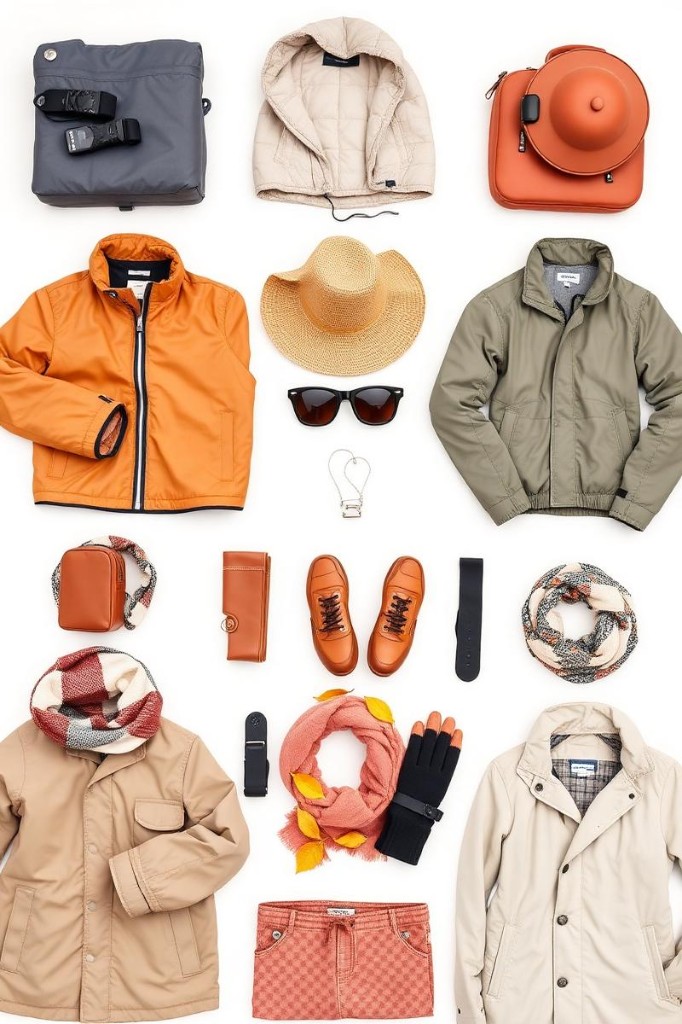
Travel clothing and gear by season

💰 Seasonal budget

PeriodAccommodation (€)Transport (€)Activities (€)Crowds (/5)Budget Tips
June-September40-12025-8030-1505/5Book 3 months ahead
October-November30-9020-6025-1203/5Good value balance
December-February35-10022-7028-1304/5Avoid Christmas-New Year
March-May25-8018-5520-1002/5Best annual rates

💡 Money-saving tips

  • Travel in low season (March-May) to save 30-40% on accommodation
  • Book the Galápagos 6 months in advance to avoid surcharges
  • Use local buses, which are very economical and well-developed
  • Eat in local comedores for meals at 3-5€ / 3.25-5.40$
  • Negotiate excursions directly with local guides

🏥 Health and precautions

  • Altitude: Gradual acclimatization above 2,500m / 8,200ft, increased hydration
  • Vaccinations: Yellow fever mandatory for the Amazon, Hepatitis A&B recommended
  • Malaria: Prophylaxis for the Oriente, strong mosquito repellent
  • Sun: Enhanced UV protection due to altitude and equatorial proximity
  • Water: Consume only bottled or purified water
  • Insurance: Medical evacuation coverage is essential for remote areas

Ecuadorian Events & Festivals

Cultural calendar and festivities not to be missed in Ecuador

Ecuador vibrates to the rhythm of colorful festivals blending indigenous traditions and colonial heritage, creating a rich cultural calendar adapted to the climatic seasons.

🎭 Inti Raymi (June)

The Sun Festival celebrates the Andean winter solstice with spectacular ceremonies in Otavalo and throughout the Sierra. Traditional dances, colorful costumes, and ancestral rituals transform villages into open-air theaters for several days.

Location: Otavalo, Cotacachi, Cayambe

Highlight: Unique fusion of Inca and Catholic traditions

Climate impact: Ideal dry period for outdoor festivities

🎨 Guaranda Carnival (February-March)

The most authentic carnival in Ecuador takes place in this Andean city with water fights, colorful powders, and traditional music. The festive atmosphere invades the cobblestone streets in a unique explosion of collective joy.

Location: Guaranda, Bolívar Province

Highlight: Authentic Andean carnival, less touristy

Climate impact: Humid season; showers are possible but do not stop the party

🌺 Flower and Fruit Festival (February)

Ambato transforms into a giant garden with spectacular flower-covered float parades, garden competitions, and horticultural exhibitions. This unique celebration honors the region's agricultural wealth in a warm, family-friendly atmosphere.

Location: Ambato, Tungurahua Province

Highlight: The only major Ecuadorian festival without alcohol

Climate impact: Takes advantage of the humid season for blooming

Seasonal events

Dry Season (June-September):

  • Yamor (September) - Otavalo
  • Mama Negra (September) - Latacunga
  • Quito Festival (December) - Capital

Humid Season (October-May):

  • Carnival (February-March) - National
  • Holy Week (March-April) - Processions
  • Flower Festival (February) - Ambato

Responsible Travel in Ecuador

Ecuador, a pioneer of the rights of nature in its Constitution, invites tourism that respects its exceptional biodiversity and ancestral indigenous communities.

Traveling responsibly in Ecuador means respecting the fragile ecosystems of the Galápagos, supporting Amazonian communities, and minimizing impact on the Andean highlands. Climatic diversity imposes specific precautions depending on the seasons and regions visited.

🌱 Low-season advantages

Traveling in the low season (March-May) reduces tourist pressure on fragile sites, distributes local income, and lowers your carbon footprint due to lower visitor numbers.

♻️ Sustainable travel tips

  • Respect distances from Galápagos wildlife (2 meters / 6.5 feet minimum)
  • Use biodegradable products in the Amazon
  • Support indigenous cooperatives for handicrafts
  • Prioritize land transport over domestic flights
  • Save water, a precious resource at altitude
  • Carry your trash out of protected areas

🏙️ Local sustainable initiatives

Ecuador is developing community-based ecotourism in the Amazon, marine protection in the Galápagos, and renewable energy. Reforestation and conservation projects directly involve local communities in preservation.

Our Expert Recommendations

Expert recommendations for your trip to Ecuador

After analyzing climate data and our field experience, we recommend periods optimized according to your priorities. Ecuador offers the unique advantage of complementary destinations depending on the season, allowing for a trip adapted year-round with intelligent regional planning.

🏆 Optimal Period: June to September

Recommended months: June, July, August, September

Advantages:

  • Perfect visibility of Andean volcanoes
  • Ideal trekking conditions in the Sierra
  • Calm sea for the Galápagos
  • Whale watching on the coast
  • Low humidity in the Amazon

Disadvantages:

  • Maximum tourist crowds
  • High rates (+30-40%)

Ideal profile: Hikers, photographers, families with children

⚖️ Balanced Alternative: October-November

Alternative months: October, November

Description: Transition period offering an excellent compromise between acceptable weather conditions and moderate crowds. Rains remain short and do not significantly impact activities.

Specific advantages:

  • Intermediate rates (-20% vs high season)
  • Fewer crowds at sites
  • Lush vegetation post-dry season
  • Conditions still favorable in the Sierra

👥 Tips for your travel style

👨‍👩‍👧‍👦 Family: June-August, stable climate, optimal infrastructure. Avoid excessive altitude with young children.

💰 Budget: March-May, substantial savings (-40%), accept variable weather. Negotiate on-site.

🥾 Adventure: September-November, excellent trekking conditions, fewer people on the trails.

🏖️ Luxury: July-August, all services available, book 6 months in advance for the Galápagos.

📸 Photographer: June-September for Andean landscapes, December-February for Galápagos wildlife.

⚠️ Periods to Avoid: March-April

Peak of the humid season with intense rains, reduced visibility in the mountains, and difficult access in the Amazon. However, this period is suitable for tight budgets and lovers of lush nature.

Cities to explore

Discover the must-sees of urban travel

All cities

Frequently Asked Questions

Find answers to essential questions to plan your trip to Ecuador according to optimal climatic conditions.

What is the best time to visit the Galápagos?

The Galápagos can be visited year-round with two distinct seasons: June-November (cool and dry, ideal for hiking and bird watching) and December-May (warm and sunny, perfect for diving and snorkeling). Each season offers different wildlife.

Can you go trekking in Ecuador during the rainy season?

Yes, but with precautions. Rains are generally short and occur in the afternoon. Prioritize morning starts, bring a raincoat, and choose well-marked trails. Some high-altitude treks remain accessible.

Do I need to acclimatize to the altitude in Quito?

Absolutely. Quito is at 2,850m / 9,350ft, which can cause discomfort during the first few days. Stay hydrated, avoid alcohol, ascend gradually, and consult a doctor if symptoms persist (headaches, nausea).

What budget should I plan for according to the season?

Expect 60-100€ / 65-108$ per day in high season (June-September), 45-80€ / 48-86$ in shoulder season, and 35-65€ / 38-70$ in low season. The Galápagos require a specific budget of 200-400€ / 215-430$ per day depending on the type of cruise chosen.

How should I dress to visit multiple regions?

Adopt a layering system: light clothing for the coast and Amazon, fleece and raincoats for the Sierra, and technical gear for the volcanoes. Bring long-sleeved clothing for mosquito protection and enhanced sun protection.