When to visit Quito? City-Trip Guide

The Ecuadorian capital perched at 2,850m / 9,350ft, Quito offers a unique tropical mountain climate all year round.

  • 2.8 M population
  • Spanish language
  • 120 days rainy days/year
  • June to September best time to visit
  • 3 to 5 days recommended stay

Climate and weather in Quito

Understanding Quito's equatorial mountain climate

Quito enjoys a unique equatorial mountain climate due to its altitude of 2,850 meters / 9,350 feet. This exceptional geographic position creates an urban microclimate with constant temperatures throughout the year but significant variations between day and night.

High-altitude equatorial zone with Andean influences

MonthMin Temp (°C / °F)Max Temp (°C / °F)Precipitation (mm)Sunshine (h/day)Tourist TrafficRecommended Activities
January9 / 4822 / 72996⭐⭐⭐Museums, historic center
February9 / 4822 / 721125⭐⭐Galleries, covered markets
March9 / 4822 / 721425⭐⭐⭐Churches, colonial architecture
April9 / 4821 / 701754⭐⭐Museums, shopping centers
May9 / 4821 / 70685⭐⭐⭐Urban walks, parks
June8 / 4622 / 72316⭐⭐⭐⭐Cable car, panoramas
July8 / 4622 / 72207⭐⭐⭐⭐⭐All outdoor sites
August8 / 4623 / 73316⭐⭐⭐⭐⭐Urban hiking
September8 / 4623 / 73695⭐⭐⭐⭐Historic districts
October9 / 4822 / 721125⭐⭐⭐Museums, nightlife
November9 / 4822 / 72976⭐⭐⭐Markets, gastronomy
December9 / 4822 / 72796⭐⭐⭐⭐Festivals, illuminations

The altitude of 2,850m / 9,350ft moderates equatorial temperatures, creating a permanent temperate climate.

The Seasons

Highlights by weather

Organize your discovery of Quito according to weather conditions to optimize every moment of your city trip in the Ecuadorian capital.

☔ In overcast/rainy weather

Indoor & protected

Quito's architectural and cultural treasures can be perfectly discovered sheltered from Andean bad weather.

Must-see sites:
🏛️ City Museum (2h, €4, all year)
⛪ Basilica of the National Vow (1.5h, €2, covered tower access)
🎨 Guayasamín Museum (2h, €8, exceptional Ecuadorian art)
🏰 Government Palace (1h, free, guided tours)
📚 Casa del Alabado Museum (1.5h, €6, pre-Columbian art)
🛍️ El Jardín Shopping Center (covered shopping)
☕ Colonial cafes of Plaza Grande

Practical tip: Online booking recommended to avoid queues. Museum pass available.

Additional tip: Link historic center sites on foot under colonial arcades to stay protected.

☀️ In good weather

Optimal outdoor

Quito's clear sky reveals spectacular Andean panoramas and allows you to fully enjoy the altitude.

Outdoor sites:
🚠 TelefériQo Cable Car (3h, €8, 360° view of the Andes)
🌍 Mitad del Mundo (half-day, €5, geographic equator)
🏔️ Panecillo Viewpoint (1h, free, winged Virgin statue)
🌳 La Carolina Park (2h, free, urban green lungs)
🚶 Historic Ronda (3h, free, architectural walks)
📸 Plaza San Francisco (30min, free, colonial facade)
🌺 Botanical Garden (2h, €3, Andean flora)

Best time of day: Morning 7am-10am to avoid afternoon clouds, golden hour 5pm-6pm for photography.

Seasonal tip: June to September is optimal, avoid 11am-3pm in the rainy season due to thunderstorm risk.

🌤️ Versatile all-weather

Flexible

Sites combining indoor and outdoor spaces, perfect for adapting to the rapid weather changes of the altitude.

Versatile sites:
🏛️ San Francisco Monastery (interior/cloisters)
🎭 Sucre Theater (shows/architecture)
🍽️ Central Market (covered/terraces)
🏨 Plaza Grande Hotel (terrace bar/colonial lobby)
🌆 La Ronda (covered street/open squares)

Weather tip: Start outdoors in the morning, retreat indoors if clouds arrive in the afternoon.

Itinerary example: Morning cable car (if clear) → lunch at Central Market → afternoon museums if rainy or continue outdoors if sunny.

💰 Free or economical

No cost

Free sites:
🏛️ Plaza de la Independencia (colonial architecture)
⛪ Historic churches (except tower access)
🌳 Urban parks and viewpoints
🚶 Historic center architectural circuit
🎨 Local art galleries

Free days: Some museums are free on Sunday mornings for Ecuadorian residents.

Budget tips: Free panoramas from Panecillo, local markets for the atmosphere, La Mariscal neighborhood for economical nightlife.

Practical Guide

Prepare for your city trip to Quito by considering the specific altitude climate and the significant temperature variations between day and night in the Ecuadorian capital.

👕 Seasonal packing

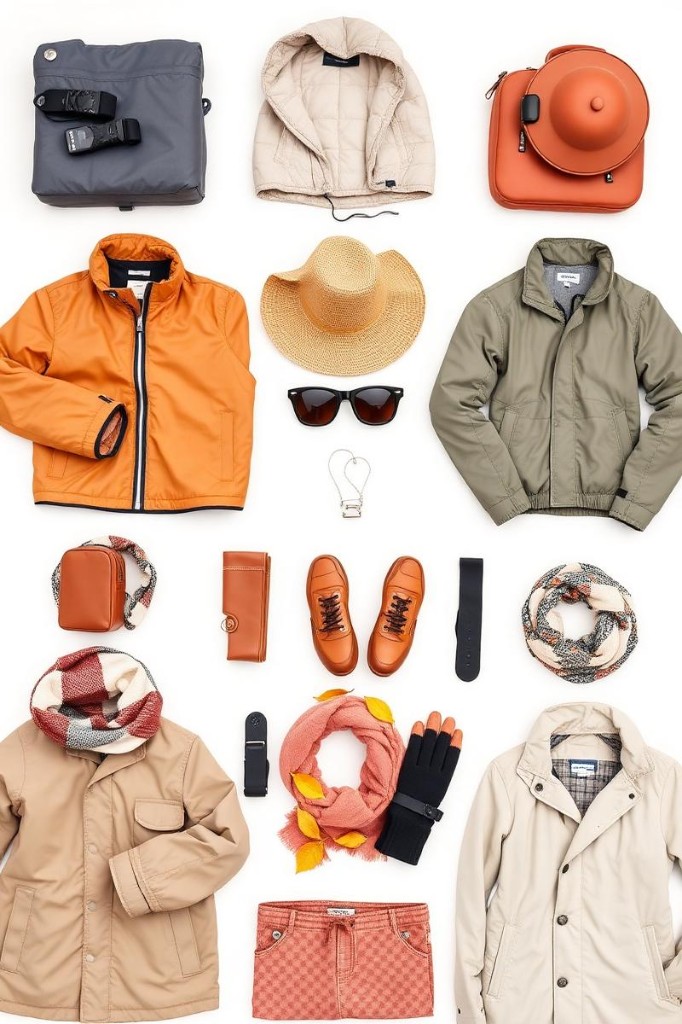
All year round: • Comfortable non-slip shoes for colonial cobblestones • Lightweight waterproof jacket (frequent rain) • Sweaters or fleeces for cool evenings • High-SPF sunscreen (intense altitude UV) • Hat and sunglasses • Waterproof backpack for camera gear

Dry season: • Breathable layered clothing • Windbreaker for the cable car

Wet season: • Compact umbrella • Waterproof shoes • Quick-dry clothing
Travel clothing and gear by season

💰 Seasonal budget

PeriodCenter Accommodation (€/night)Transport (€/day)Restaurants (€/day)Attractions (€)Traffic
June-Sept (dry)45-808-1225-4015-25⭐⭐⭐⭐⭐
Oct-Dec (transition)35-606-1020-3512-20⭐⭐⭐
Jan-May (wet)30-505-818-3010-18⭐⭐

💡 Money-saving tips

TelefériQo + museum pass: 30% savings on main attractions • Lunch in local mercados vs tourist restaurants (divide price by 3) • La Mariscal neighborhood accommodation is more economical than the historic center • Ecovía public transport is very economical (€0.25) • Frequent free cultural events in public squares

🏥 Health and precautions

Altitude sickness possible in the first few days (hydration, rest, avoid alcohol) • Enhanced sun protection (intense altitude UV) • Constant hydration due to dry mountain air • Gradual walking for altitude adaptation • 24h pharmacies available in the city center • Warm clothing for evenings (temperature gaps of 15°C / 59°F day/night)

Urban Events

Essential events calendar for Quito

Cultural events punctuate life in Quito and transform the atmosphere of the capital, creating special moments to discover the Ecuadorian soul.

🎭 Festival de Artes Vivas (May)

International theater and performing arts festival that turns Quito into a giant stage. Colonial plazas host free shows, street performances, and contemporary creations in an exceptional historic setting.

Location: Historic center, Plaza San Francisco, urban theaters

Feature: Unique blend of contemporary art and UNESCO colonial architecture

Climate impact: Seasonal transition period, bring layers. High cultural attendance, book accommodation in advance.

Transport: Trolleybus line Centre Historico, multiple stations

Tip: Book accommodation 2 months ahead, arrive early for free shows.

🏛️ Quito Festivals (December 6)

Celebration of the city's foundation with parades, free concerts, and fireworks. The festive atmosphere takes over every neighborhood, from bullfights at the Plaza de Toros to rock concerts at Plaza de la Independencia, creating a unique urban buzz.

Location: City-wide, concentrated in the historic center and La Mariscal

Feature: Blend of indigenous traditions, colonial history, and urban modernity

Climate impact: Favorable dry season, cool evenings require warm clothing. National tourist peak.

Transport: Reinforced public transport, limited car traffic in the center

Tip: Accommodation fills up 3 months ahead, arrive early for free concert spots.

🎨 Mes del Arte (October)

Month dedicated to contemporary Ecuadorian art with exceptional access to artist studios, private galleries, and temporary exhibitions. An urban art circuit allowing discovery of local creativity in bohemian neighborhoods.

Location: La Floresta neighborhood, Guápulo, historic center galleries

Feature: Exclusive access to private studios usually closed to the public

Climate impact: Start of the wet season, frequent afternoon rain. Indoor activities preferred, fewer international tourists.

Transport: Metrobus line Guápulo, walking between galleries

Tip: Detailed program available late September, some visits require booking.

Seasonal events

Dry season (June-September): • Festival Internacional de Música Sacra (August, cathedrals) • Noche de los Museos (July, free night access) • Quito Film Festival (August)

Wet season (October-May): • Carnival (February/March, colorful parades) • Holy Week (March/April, colonial processions) • Festival of Light (December, urban illuminations)

Public holidays: Numerous Ecuadorian holidays (museum/office closures), check the calendar before your stay to optimize cultural visits.

Responsible City-Trip

Quito, a UNESCO capital, requires tourism that respects its exceptional heritage and inhabitants to preserve the authenticity of this Andean pearl.

Quito's high altitude and capital status create specific environmental challenges. Prioritizing walking and public transport reduces critical air pollution at altitude, while supporting local crafts preserves ancestral know-how against tourist pressure.

🌱 Low-season advantages

Visiting Quito in the wet season drastically reduces the impact on saturated urban infrastructure. Local prices remain accessible to residents, and the cultural experience gains authenticity far from mass tourist flows.

♻️ Sustainable travel tips

Trolebús/Ecovía system: efficient public transport avoiding polluting traffic jams • San Roque/Central markets: local products vs international supermarkets • Family-run accommodation in residential neighborhoods vs chain hotels in the center • Personal water bottle (tap water is potable) • Prioritize walking in the compact historic center • Certified local guides vs international tour operators

🏙️ Local sustainable initiatives

Quito is developing a BiciQuito shared bike system, expanding its colonial pedestrian zones, and increasing urban green spaces. The municipal recycling program is intensifying, while local organic markets are developing in every neighborhood, creating a circular urban economy.

Our Recommendations

Recommendations for your city trip to Quito

After analyzing climatic data, tourist traffic, and urban specifics of Quito, our recommendations adapt to altitude constraints and Andean weather variations. The Ecuadorian capital is best discovered through a balance of favorable weather conditions, cultural authenticity, and a controlled budget.

🌟 Optimal period: June to August

Recommended months: June, July, August

Advantages:
• Clear skies revealing exceptional Andean panoramas
• Perfect conditions for the cable car and viewpoints
• Dynamic urban atmosphere, lively terraces
• Easy urban walking, dry streets
• Optimal photography with maximum visibility

Key events: Festival Internacional de Música Sacra, Noche de los Museos

Disadvantages: Peak tourist traffic, accommodation prices increased by 40%

Ideal profile: First-time visitors, photography enthusiasts, mountain panorama lovers

Stay duration: 4-5 days recommended

⚖️ Interesting alternative: May and September

Alternative months: May, September

Description: Transition periods offering an excellent compromise between acceptable weather conditions and moderate attendance, with softer prices.

Specific advantages: Fewer international tourists, accommodation rates -25%, local cultural events, weather still favorable for outdoor activities

For whom: Experienced travelers, intermediate budgets, lovers of authentic local culture

👥 Tips for your travel style

Family: June-August, La Mariscal neighborhood, cable car, practical Trolebús transport, family-friendly accommodation

Budget: January-February, historic center hostels, local market meals, public transport, free sites

Culture: October (Mes del Arte), colonial accommodation, local guides, authentic events, specialized museums

Romantic: September, boutique hotels in the center, panoramic terraces, gourmet restaurants, cable car sunsets

Weekend: Possible all year round, 3 days sufficient, concentrated historic center, regional direct flight

First visit: July-August, English-speaking guides, safe neighborhood, classic itineraries, predictable weather

⚠️ Periods to avoid: March-April

Months not recommended: March, April

Reasons: Peak rainy season limiting mountain visibility, intense daily afternoon rain, outdoor activities compromised, uncomfortable high humidity

Nuance: Acceptable for travelers prioritizing museums, very tight budgets, or exclusively indoor cultural stays

Villes du même pays

All cities

Frequently Asked Questions

Answers to essential questions for planning your discovery of Quito according to its specific Andean climatic features.

What is the best month to visit Quito?

July is the optimal month with almost constant clear skies, pleasant temperatures (8-23°C / 46-73°F), and exceptional visibility of the surrounding volcanoes. The cable car operates under perfect conditions and the urban atmosphere is dynamic. However, it is also the peak tourist season with prices 40% higher. For a balance of quality and price, September still offers good conditions with fewer crowds.

How many days should I plan for Quito?

3 to 5 days allow for a complete discovery at your own pace. 3 days are enough for the highlights: UNESCO historic center, cable car, main museums, and Mitad del Mundo. 5 days allow for deeper exploration of bohemian neighborhoods, nearby volcanic excursions, and gradual adaptation to the altitude. Acclimatization takes 24-48 hours, so plan light activities for the first day.

What to do in Quito if it rains?

Quito excels with its indoor treasures: Guayasamín Museum (exceptional Ecuadorian art), Basilica of the National Vow with covered tower access, City Museum, and remarkable colonial churches. Covered markets like the Mercado Central offer an authentic cultural immersion. Modern shopping centers and colonial cafes in Plaza Grande create the perfect atmosphere to wait out the rain, which is frequent after 5:00 PM.

What events should not be missed in Quito?

The Quito Festivals (December 6) turn the capital into a giant festival with free concerts and an exceptional atmosphere. The Festival de Artes Vivas (May) brings colonial plazas to life with unique contemporary performances. In July, the Noche de los Museos opens all cultural sites for free until midnight. Carnival (February-March) reveals colorful Ecuadorian traditions in a popular festive atmosphere.

What budget should I expect depending on the season?

In the dry season (June-September): €80-120/day including city center accommodation (€50-80), meals (€25-40), transport, and attractions. In the wet season (October-May): €60-90/day with more accessible accommodation (€30-50). The cable car (€8) and museums (€3-8) remain constant. Savings possible: local markets for meals (€8-12), public transport (€2-3/day), residential neighborhood accommodation (-30%).