When to visit Ho Chi Minh City? City-Trip Guide

Explore the pearl of Southern Vietnam according to tropical seasons for an unforgettable urban experience.

  • 9.3 M population
  • Vietnamese language
  • 150 days rainy days/year
  • from December to April best time to visit
  • 3 to 5 days recommended stay

Climate and weather

Understanding the tropical climate of Ho Chi Minh City

Ho Chi Minh City enjoys a tropical monsoon climate with two distinct seasons. The urban heat island effect intensifies temperatures, which are particularly noticeable in the dense downtown districts.

MonthMin Temp (°C / °F)Max Temp (°C / °F)Precipitation (mm / in)Sunshine (h/day)Tourist TrafficRecommended Activities
January21 / 7032 / 9015 / 0.68⭐⭐⭐⭐⭐Outdoor tours, markets
February22 / 7233 / 915 / 0.28⭐⭐⭐⭐⭐Urban walks, terraces
March24 / 7534 / 9310 / 0.47⭐⭐⭐⭐District exploration, cruises
April26 / 7935 / 9550 / 2.06⭐⭐⭐Museums, shopping malls
May25 / 7734 / 93220 / 8.75⭐⭐Indoor activities, spas
June24 / 7532 / 90330 / 13.04⭐⭐Galleries, indoor restaurants
July24 / 7532 / 90315 / 12.44⭐⭐Shopping, cinemas
August24 / 7532 / 90270 / 10.64⭐⭐Museums, covered markets
September24 / 7531 / 88335 / 13.24⭐⭐Indoor cultural activities
October24 / 7531 / 88270 / 10.65⭐⭐⭐Quick visits, cafes
November23 / 7331 / 88115 / 4.56⭐⭐⭐⭐District exploration, parks
December22 / 7231 / 8855 / 2.27⭐⭐⭐⭐⭐All outdoor activities

The seasons

Must-sees by weather

Optimize your stay by choosing your activities according to weather conditions to make the most of every moment.

☔ In cloudy/rainy weather

Indoor & sheltered

Rainy days reveal the cultural and gourmet Saigon through its exceptional covered spaces.

Must-see sites:
🏛️ War Remnants Museum (2-3h, 40,000 VND, air-conditioned)
🏢 Saigon Skydeck - Bitexco Tower (1h, 350,000 VND, panoramic view)
🛍️ Vincom Shopping Center (half-day, free, varied restaurants)
☕ Historic cafes of Dong Khoi (2-3h, 50-100,000 VND/coffee)
🎭 Saigon Opera House (2h, shows 200-500,000 VND)
🏛️ Fine Arts Museum (2h, 30,000 VND, Vietnamese art)
🍜 Covered food courts at Ben Thanh (1-2h, 100-200,000 VND)
🎪 Contemporary art galleries (1-2h, often free)

Practical tip: Book online to avoid queues. Museum pass available for 3 days.

Additional tip: Link multiple District 1 sites via covered walkways and connected shopping malls.

☀️ In good weather

Optimal outdoor

The tropical sun highlights colonial architecture and the bustle of Saigon streets.

Outdoor sites:
🏛️ Reunification Palace (2h, garden tour included)
⛪ Notre-Dame Cathedral (30min, facade under renovation)
📮 Saigon Central Post Office (45min, Eiffel architecture)
🌸 Tao Dan Park (1-2h, free, morning tai-chi)
🚤 Saigon River Cruise (2-3h, sunset)
🏮 Chinatown (Cho Lon) (half-day, colorful temples)
🌺 Ben Thanh Market exterior (2h, local crafts)
🏃 Nguyen Hue pedestrian street (evening, entertainment)

Best time of day: Sunrise 6am-8am and sunset 5:30pm-7pm for perfect golden light

Seasonal tip: Favor December-February, avoid 11am-3pm in March-April due to urban heatwave

🌤️ Versatile for all weather

Flexible

These sites combine covered and open spaces to adapt to tropical whims.

Mixed sites:
🏛️ Cu Chi Tunnels (half-day, history + nature)
🏮 Jade Emperor Pagoda (1h, interior/gardens)
🍜 Covered markets + terraces (Ben Thanh, Binh Tay)
🌆 Rooftop terraces with indoor spaces (EON, Chill Skybar)
🎨 Arts district with galleries + street cafes

Weather trick: Start outdoors in the morning, retreat indoors in case of a downpour

Example itinerary: Jade Pagoda (interior) → 23 September Park → Covered cafe if raining → Rooftop in the evening

💰 Free or economical

No cost

Free sites:
🌳 Tao Dan Park and its morning activities
🏛️ City Hall (exterior) and Nguyen Hue Square
🚶 Dong Khoi and Le Loi districts (colonial architecture)
⛪ Temples and pagodas (Jade Emperor, Cao Dai)
🌅 Saigon River banks at sunset

Free days: Some museums are free on Sunday mornings for locals

Budget tips: Street food in alleys, local markets, panoramas from accessible hotel terraces

Practical Guide

Prepare your city trip according to the specifics of Ho Chi Minh City's tropical urban climate for an optimal experience between modernity and Vietnamese traditions.

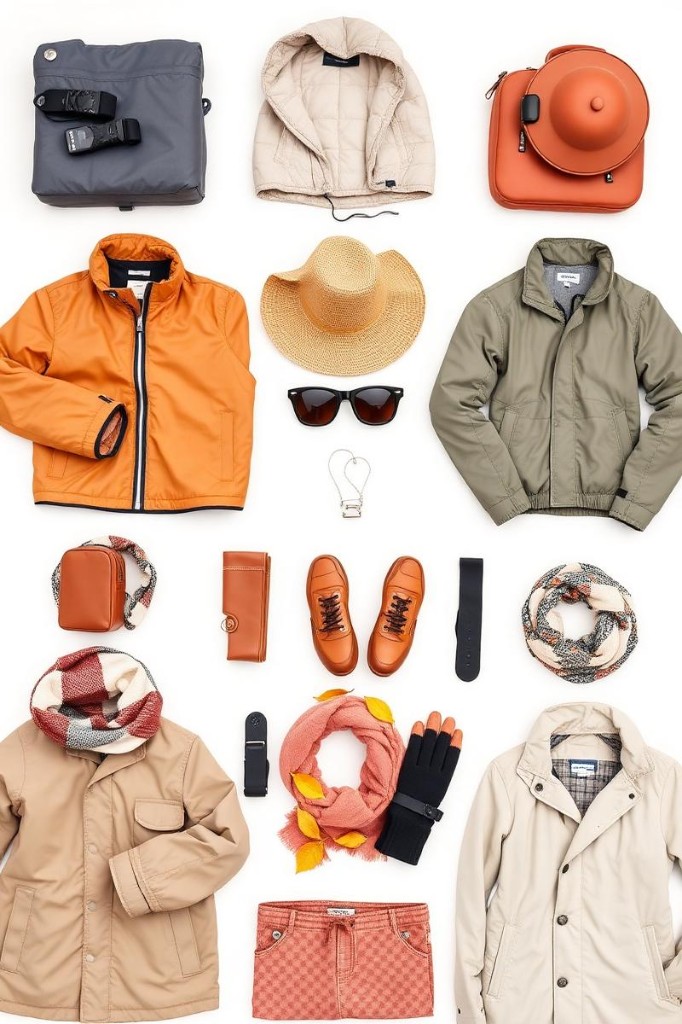
👕 Seasonal packing

Dry season (Dec-Apr): • Comfortable closed shoes for long walks • Cap and sunglasses mandatory • Lightweight but modest clothing (temples) • Light jacket for air conditioning • SPF50+ sunscreen

Wet season (May-Nov): • Quick-drying sandals • Poncho or compact umbrella • Breathable, quick-drying clothing • Waterproof bag for electronics • Change of clothes in backpack
Travel clothing and gear by season

💰 Seasonal budget

PeriodCity Center Accommodation (€/night)Transport (€/day)Restaurants (€/day)Attractions (€)Crowds
Dry Season40-808-1515-3020-40⭐⭐⭐⭐⭐
Wet Season25-506-1212-2515-30⭐⭐
Tet (Feb)60-12010-2020-4025-50⭐⭐⭐⭐⭐
Shoulder Season30-607-1313-2818-35⭐⭐⭐

💡 Money-saving tips

Grab is more economical than traditional taxis for urban travel • Local street food is 3-5x cheaper than tourist restaurants • Accommodation in Districts 3-7: 30-50% cheaper than the hyper-center • Local markets vs malls for authentic souvenirs • Daily transport pass is profitable after 4 trips

🏥 Health and precautions

Enhanced hydration: 3L/day minimum with electrolytes • Mosquito protection essential (dengue, Zika) • 24h pharmacies in every district • Avoid ice cubes and tap water • Soothing cream for humidity-related skin irritation • Anti-pollution mask for scooter travel

Urban events

Essential event calendar for Ho Chi Minh City

Vietnamese festivities transform the urban atmosphere and offer unique cultural experiences depending on the tropical seasons.

🎊 Tet - Vietnamese New Year (January-February)

The most important holiday in Vietnam turns Saigon into a spectacle of colors and ancestral traditions. The streets are adorned with spectacular floral decorations, especially Nguyen Hue Street, which is converted into a giant garden.

Location: Citywide, concentrated in District 1
Highlight: Night flower market and fireworks over the river
Climate impact: Ideal dry season, but maximum crowds; bookings essential 2 months in advance
Transport access: Metro line 1 extended, but heavy traffic
Planning tip: Many shops close for 3-4 days, stock up on essentials

🏮 Mid-Autumn Festival (September-October)

A touching family celebration where colorful lanterns illuminate the neighborhoods and children parade in traditional costumes. The night atmosphere becomes magical despite the wet season.

Location: Chinatown (Cho Lon) and District 5
Highlight: Mooncake tasting and dragon dances
Climate impact: Rainy season, but festivities are mostly covered
Transport access: Bus 1, 6, 11 to Cho Lon
Planning tip: Umbrella essential, book Chinese restaurants in advance

🎭 Ho Chi Minh City Cultural Festival (December)

A major artistic event gathering international performances, contemporary art exhibitions, and street performances throughout the metropolis during the optimal climatic period.

Location: Opera House, Cultural Center, pedestrian streets
Highlight: Fusion of Vietnamese traditions and modern creations
Climate impact: Dry season perfect for outdoor events
Transport access: Metro + walking, many streets closed to traffic
Planning tip: Online ticketing opens 1 month before, book accommodation early

Seasonal events

Dry season: • Saigon Centre Christmas Market (December) • Street Food Festival (January-March) • Rooftop concerts (February-April)

Wet season: • Asian Film Festival (June) • Contemporary art exhibitions (July-August) • National Day (September 2) • Monthly Buddhist festivals according to the lunar calendar

Impactful public holidays: Reunification Day (April 30), Labor Day (May 1) - administrative and museum closures

Responsible city trip

Adopting sustainable urban tourism in Ho Chi Minh City contributes to preserving local authenticity while reducing the environmental impact in this rapidly growing metropolis.

The Vietnamese megalopolis faces major environmental challenges: air pollution, waste management, urban congestion. Prioritizing gentle transport, supporting the local economy, and respecting traditions contribute to balanced tourism development.

🌱 Low-season advantages

Visiting during the wet season reduces tourist pressure, allows for authentic exchanges with residents, lowers the carbon footprint of transport, and supports the local economy during the off-season.

♻️ Sustainable travel tips

• Prioritize metro, bus, and bicycle over taxis to reduce pollution • Neighborhood restaurants vs tourist establishments in the center • Certified eco-friendly local accommodation • Reusable water bottle instead of single-use plastic • Walking in residential districts for authentic discovery • Alternative circuits avoiding over-crowded sites

🏙️ Local sustainable initiatives

Ho Chi Minh City is developing its green transport network: expanding metro, public bicycles, and widened pedestrian zones. Local organic markets are multiplying, and urban recycling initiatives are intensifying with emerging ecotourism labels.

Our recommendations

Recommendations for your city trip to Ho Chi Minh City

Our climate and cultural analyses converge toward distinct optimal periods depending on your priorities: ideal weather, local authenticity, or a controlled budget. The tropical climate requires precise timing to maximize your urban experience between frantic modernity and the preserved traditions of the former Saigon.

🌟 Optimal period: December to February

Advantages:
• Dry climate perfect for intensive urban exploration
• Pleasant temperatures 21-32°C (70-90°F), ideal for walking
• Clear skies optimal for photography and rooftops
• Tet festivities for total cultural immersion
• All sites accessible without weather constraints

Key events: Tet, Christmas markets, street festivals
Disadvantages: Maximum crowds, accommodation prices +50-80%
Ideal profile: First trip, romantic getaway, photography enthusiasts
Stay duration: 4-5 days for complete discovery

⚖️ Interesting alternative: March-April and November

Months: March, April, November
Description: Smart compromise between acceptable weather conditions and moderate attendance with attractive intermediate prices.
Specific advantages: Fewer tourists than in high season, accommodation prices -30%, first refreshing rains, local cultural events
For whom: Experienced travelers, medium budgets, weather flexibility

👥 Tips for your travel style

Family: District 1 + covered activities, December-February, metro + Grab, hotels with pool
Budget: Districts 3-7, wet season, street food, local hostels, public transport
Culture: Museums + temples, any season, local guides, boutique accommodation
Romantic: Rooftops + cruises, dry season, gourmet restaurants, boutique hotels
Weekend: District 1 concentrated, major sites, taxis to optimize time
First trip: Dry season mandatory, English-speaking guides, secure city-center accommodation

⚠️ Periods to avoid: June to September

Months: June, July, August, September
Reasons: Intense daily rains disrupting visits, stifling humidity 80-90%, occasional flooding in low-lying areas, complicated transport
Nuances: Acceptable for tight budgets, fans of authentic tropical atmosphere, trips focused on indoor culture

Villes du même pays

All cities

Frequently Asked Questions

Answers to essential questions to effectively plan your exploration of the former Saigon according to tropical climate constraints.

What is the best month to visit Ho Chi Minh City?

January and February offer optimal conditions with a dry climate, pleasant temperatures of 21-33°C (70-91°F), and the unique spectacle of Tet. December is also an excellent choice with fewer crowds. March remains acceptable, but temperatures begin to rise. Absolutely avoid June-September, when daily rains seriously disrupt outdoor visits despite attractive prices.

How many days should I plan for Ho Chi Minh City?

4-5 days allow for a complete discovery: historical sites in District 1, Cu Chi tunnels excursion, Chinatown (Cho Lon), and immersion in street food. A 3-day weekend is enough for the essentials if you focus on the city center. History and culture enthusiasts can easily spend a week by including the Mekong Delta and floating markets accessible via day trips.

What to do in Ho Chi Minh City in case of rain?

The city is full of exceptional covered alternatives: War Remnants Museum (must-see), Vincom shopping centers with restaurants, Saigon Skydeck for panoramic views, historic cafes of Dong Khoi, Saigon Opera House, and the covered Ben Thanh and Binh Tay markets. Contemporary art galleries and air-conditioned food courts offer the perfect refuge. Take the opportunity to discover local gastronomy in traditional restaurants.

What events should not be missed in Ho Chi Minh City?

Tet (January-February) remains the ultimate cultural experience with spectacular floral decorations on Nguyen Hue Street and ancestral traditions. The Mid-Autumn Festival (September-October) illuminates Cho Lon with colorful lanterns. In December, the Cultural Festival offers international performances during the ideal dry season. Monthly Buddhist festivals based on the lunar calendar offer authenticity all year round in local pagodas.

What budget should I plan according to the season?

In the dry season (December-April): 80-150€/day for city center accommodation + meals + transport + tours. During Tet: 50-100% surcharge on accommodation. In the wet season (May-November): 50-100€/day with significant discounts. Local street food: 3-8€/meal vs tourist restaurants 15-25€. Daily transport: 8-15€ high season, 6-12€ low season. Plan a souvenir budget of 20-50€ depending on the districts chosen.