When to visit Hue? City-Trip Guide

Between millennial temples and the Perfume River, Hue reveals itself differently according to the seasons.

  • 0.35 M population
  • Vietnamese language
  • 165 days rainy days/year
  • February to April best time to visit
  • 3 to 5 days recommended stay

Weather and Climate Trends in Hue

Understanding Hue's Tropical Monsoon Climate

Hue enjoys a tropical monsoon climate, heavily influenced by its location in Central Vietnam and the mountain ranges to the west. The Annamite Range traps clouds and intensifies rainfall in autumn, making Hue one of the wettest cities in Vietnam. The Perfume River amplifies the humidity felt throughout the year.

MonthMin Temp (°C / °F)Max Temp (°C / °F)Precip. (mm / in)Sunshine (h/day)Tourist TrafficRecommended Activities
January17°C / 63°F23°C / 73°F180 mm / 7.1 in3★★★☆☆Museums, pagodas, street food
February17°C / 63°F24°C / 75°F50 mm / 2.0 in4★★★★☆Tet, Imperial Citadel, Royal Tombs
March19°C / 66°F26°C / 79°F30 mm / 1.2 in6★★★★★Perfume River cruise, cycling, gardens
April22°C / 72°F29°C / 84°F40 mm / 1.6 in6★★★★★Hue Festival, outdoor sites, markets
May24°C / 75°F33°C / 91°F60 mm / 2.4 in7★★★☆☆Thien Mu Pagoda, Hoi An excursions
June25°C / 77°F34°C / 93°F50 mm / 2.0 in7★★☆☆☆Early morning tomb visits, Lang Co beach
July25°C / 77°F34°C / 93°F55 mm / 2.2 in7★★☆☆☆Early morning visits, air-conditioned interiors
August25°C / 77°F33°C / 91°F80 mm / 3.1 in6★★☆☆☆Museum of Royal Fine Arts, gastronomy
September24°C / 75°F31°C / 88°F200 mm / 7.9 in4★★☆☆☆Covered temples, Dong Ba market
October23°C / 73°F27°C / 81°F560 mm / 22.0 in3★★☆☆☆Museums only, imperial cuisine
November21°C / 70°F26°C / 79°F430 mm / 16.9 in3★★★☆☆Citadel in the rain (unique atmosphere)
December18°C / 64°F23°C / 73°F260 mm / 10.2 in3★★★☆☆Pagodas, craft workshops, gastronomy

The seasons in Hue

Attractions by Weather

In Hue, the weather dictates the itinerary. Organize your visits intelligently according to sky conditions to fully enjoy the imperial city, whether it rains or shines, without ever losing the wonder.

☔ In cloudy/rainy weather

Indoor & covered sites in Hue

When the rain invites itself, Hue reveals its interior treasures. The Imperial City has many covered spaces and museums offer hours of discovery sheltered from the downpours.

  • 🏛️ Museum of Royal Fine Arts (Bao tang Co vat Cung dinh) — 2 to 3h — ~40,000 VND — Open year-round; masterpiece of Nguyen architecture
  • 🏰 Interior halls of the Imperial Citadel (Dai Noi) — 2 to 4h — ~200,000 VND — Ideal in rain, large protective roofs
  • 🍜 Dong Ba Market (Cho Dong Ba) — 1 to 2h — Free entry — Covered entertainment, imperial street food
  • 🎨 Traditional craft workshops (embroidery, incense) — 1h — Variable rates — City center, guided tour possible
  • 🍵 Covered garden houses (Nha vuon) — 1h — ~50,000 VND — Kim Long and Vy Da, preserved imperial atmosphere

Practical tip: Book the Fine Arts Museum online during the Hue Festival; combined Citadel + museum tickets are available at the main ticket office.

Tip: The daily Citadel pass includes several interior pavilions; make the most of it from opening at 7 am before the groups arrive.

☀️ In good weather

Optimal outdoor: Hue under the sun

Under a clear sky, Hue unfolds all its imperial splendor. The royal tombs, nestled in nature, and the Perfume River reveal themselves in all their photographic majesty.

  • ⛩️ Minh Mang Tomb — 2h — ~150,000 VND — Best time: 7 am-9 am (golden light)
  • ⛩️ Tu Duc Tomb — 2h — ~150,000 VND — Golden hour at sunset over the lake
  • ⛩️ Khai Dinh Tomb — 1.5h — ~150,000 VND — Dazzling mosaics in bright sun
  • 🛕 Thien Mu Pagoda — 1h — Free entry — Visit in the early morning, view of the river
  • 🚣 Perfume River Cruise (Song Huong) — 3h — ~200,000 VND — Unmissable sunset
  • 🚴 Bike ride through Kim Long and Vy Da villages — 3 to 4h — ~50,000 VND/bike/day — Ideal March-April
  • 🌿 Citadel gardens and exterior ramparts — 1h — Included in the Citadel ticket — Maximum bloom in March

Best time of day: Sunrise on the Perfume River for photographers; golden hour for royal tombs in the forest.

Season tip: Prioritize March and April; avoid outdoor outings from 11 am to 3 pm in June-August.

🌤️ Versatile for all weather

Flexible sites: always accessible in Hue

Some places in Hue are appreciated regardless of the weather, alternating between covered spaces and outdoors depending on the conditions of the moment.

  • 🏰 Imperial Citadel (Dai Noi) — Full day — ~200,000 VND — Covered pavilions in rain, outdoor courtyards in sun
  • 🏘️ Vy Da garden house district — 2 to 3h — Free entry or ~50,000 VND — Walks or tea on the veranda depending on weather
  • 🛕 Tu Hieu Pagoda — 1h — Free entry — Serenity guaranteed in both rain and sun

Weather trick: Start with the tombs if the sun is out in the morning, retreat to the interior Citadel and museum if the sky clouds over in the afternoon.

Typical itinerary: 7 am Minh Mang Tomb → 10 am Thien Mu Pagoda → 12 pm Bun bo Hue lunch in town → 2 pm Citadel (interior pavilions) → 5 pm Perfume River cruise at sunset.

💰 Free or budget-friendly

At little to no cost: Hue accessible to everyone

  • 🛕 Thien Mu Pagoda — Free entry — The most iconic pagoda in Vietnam, accessible by boat or scooter
  • 🌊 Perfume River promenade — Free — Along Le Loi, sunset panorama
  • 🏘️ An Cuu district and imperial alleys — Free — Colonial architecture and authentic local life
  • 🌿 Exterior ramparts of the Citadel — Free — Walk under bougainvillea, remarkable photographs

Free days: The Museum of Royal Fine Arts offers reduced rates for students; some pagodas have free access for devotional visits.

Budget tips: Rent a bike (~50,000 VND/day) to reach the tombs; eat bun bo Hue in local stalls for less than 30,000 VND per bowl.

Practical Guide

Visiting Hue requires adaptation to its two extreme climatic faces: intense heat in summer and torrential rains in autumn. Whatever the season, good clothing and logistical preparation will allow you to fully enjoy the imperial city without unpleasant surprises. Flexibility is key for a successful stay in this city where the weather can change in a few hours.

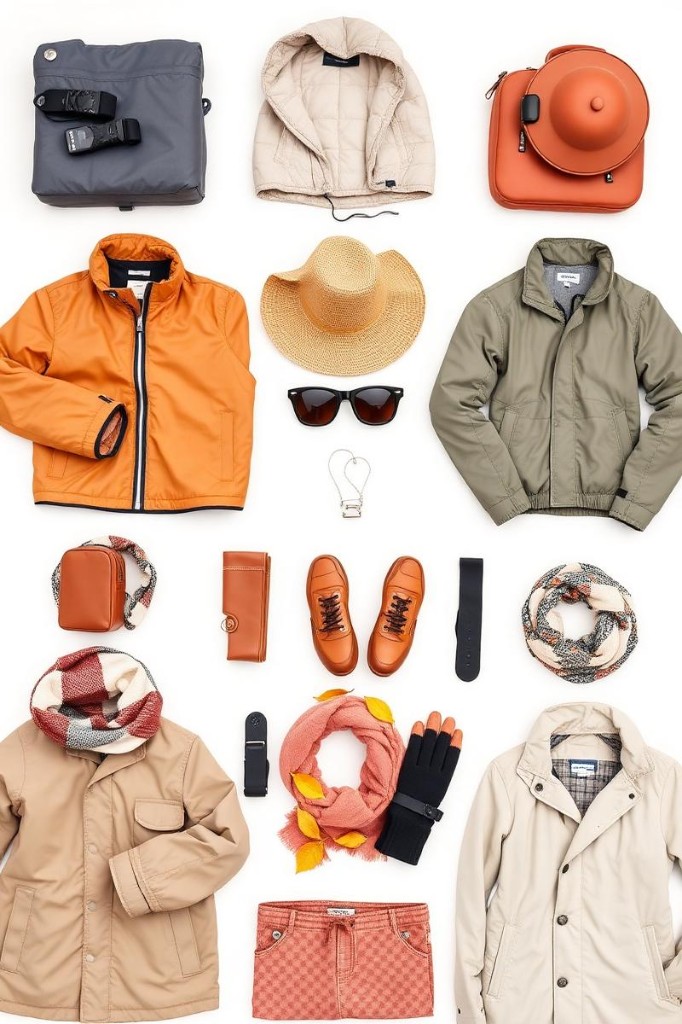
👕 Seasonal packing

Spring dry season (Feb.–Apr.): • Lightweight cotton clothing • Scarf or light shawl for pagodas (shoulders and knees must be covered) • Wide-brimmed hat • SPF 50+ sunscreen • Comfortable sandals for the Citadel's cobblestones

Hot season (May–Aug.): • Ultra-breathable clothing • Reusable water bottle is essential • Hand fan and mister • Change of clothes for transitions between air-conditioned interiors and outdoors • Lightweight closed-toe shoes for forest tombs

Rainy season (Sept.–Nov.): • Lightweight raincoat or poncho (sold everywhere in the city) • Waterproof shoes or rain sandals • Dry bag to protect cameras • Sturdy umbrella (avoid cheap umbrellas against typhoon gusts)

Mild winter (Dec.–Jan.): • Small light jacket for cool evenings • Thin cotton sweater • Comfortable closed-toe shoes for urban walking

Travel clothing and gear by season

💰 Seasonal budget

PeriodAccommodation (€/night)Transport (€/day)Restaurants (€/day)Attractions (€)Traffic
Feb.–Apr. (High season)30 – 805 – 1510 – 258 – 15★★★★★
Hue Festival (Apr. even years)50 – 1208 – 2012 – 3010 – 20★★★★★
May–June (Intermediate)20 – 605 – 128 – 208 – 15★★★☆☆
July–Aug. (Heat)15 – 455 – 108 – 188 – 15★★☆☆☆
Sept.–Nov. (Rain/Typhoons)12 – 353 – 87 – 157 – 12★★☆☆☆
Dec.–Jan. (Mild winter)15 – 504 – 108 – 188 – 15★★★☆☆

💡 Money-saving tips

Combined Citadel + Tombs Pass: buy the group ticket (~360,000 VND) including the Citadel, 3 tombs, and Thien Mu Pagoda — significant savings vs. separate tickets.

Lunch vs. Dinner at restaurants: restaurants serving imperial cuisine are 30 to 40% cheaper at lunch; take advantage of this for high-end establishments.

Bicycle or scooter rental: essential to reach the tombs without using expensive organized tours (50,000 VND/day for bike, 120,000 VND/day for scooter).

Accommodation outside the historic center: the An Cuu or Phu Nhuan districts offer charming guesthouses 20 to 30% cheaper than by the river.

Dong Ba Market: for ultra-local meals and souvenirs (incense, non la hats, embroidery) at prices not inflated for tourists.

🏥 Health and precautions

  • Hydration: drink at least 2 liters (approx. 0.5 gal) of water/day in summer; humidity masks sweating and heatstroke is common
  • Sun protection: SPF 50+ essential from March to September, even under cloudy skies
  • Mosquitoes: present year-round; DEET repellent recommended especially for forest tomb visits
  • Tap water: not potable; prioritize bottled water or filtered bottles to reduce plastic
  • Feet and walking: imperial sites involve 8 to 12 km (5 to 7.5 miles) of walking/day; comfortable walking shoes mandatory
  • 24h Pharmacies: available on Hung Vuong and Tran Hung Dao; anti-diarrheal and antimalarial medications advised depending on visited areas

Events in Hue

Calendar of Hue's Must-See Events

Hue's events transform the imperial city into a living stage, multiplying cultural excitement and tourist numbers. Anticipating the calendar is essential for a memorable stay.

🎊 Hue Festival – April (even years: 2026, 2028...)

The Hue Festival is one of the largest cultural events in Southeast Asia. For ten days, the imperial city reconnects with its Nguyen grandeur: royal dance performances, reenactments of imperial ceremonies, nha nhac (UNESCO-listed court music) concerts, period costume parades, and fireworks over the Perfume River. The atmosphere is grand and absolutely unique.

Location: Imperial Citadel, Perfume River, and the entire historic city

Highlight: Reenactment of the Nam Giao ceremony, an imperial offering to Heaven — a timeless experience

Impact: The city is fully booked; hotel prices sometimes triple during the event

Access: Direct flights to Da Nang (30-minute drive), then bus or taxi; train from Hanoi or Ho Chi Minh City

Tip: Book accommodation and transport at least 3 to 4 months in advance for the 2026 Festival.

🎆 Tet Nguyen Dan – January/February (variable date)

The Vietnamese Lunar New Year is experienced in Hue with particular intensity, inheriting its imperial traditions. Flower markets invade the avenues from mid-January, houses are adorned with kumquat and plum blossom trees, and ancestral ceremonies in pagodas create an unforgettable atmosphere. Fireworks light up the Perfume River at midnight.

Location: Dong Ba Market, Perfume River, Imperial Citadel, residential neighborhoods

Highlight: Hue's Tet cuisine (imperial banh tet, dua mon) — millennial flavors passed down from generation to generation

Impact: Many shops and restaurants closed for 2 to 5 days; free entertainment in the city

Access: Phu Bai Airport (15 min) — book air tickets early due to high national demand

Tip: Book your accommodation at least 2 months in advance; check site opening hours during public holidays.

🪷 Phat Dan – Buddha's Birthday – May (15th day of the 4th lunar month)

The celebration of Buddha's birth is observed with exceptional fervor in Hue, the spiritual capital of Vietnamese Buddhism. Pagodas are illuminated with thousands of lanterns, processions take place along the riverbank, and believers place floating offerings on the Perfume River (Song Huong). Even for non-Buddhists, the visual spectacle and collective emotion are deeply striking.

Location: Thien Mu Pagoda, Tu Hieu, Tu Dam — and all pagodas in the city

Highlight: Lantern release on the Perfume River — an absolutely magical photo opportunity

Impact: Influx of local pilgrims; heavy traffic around main pagodas

Access: Bicycle or scooter recommended to reach Thien Mu Pagoda early in the morning

Tip: Plan your accommodation in advance as visitors come from all over Vietnam for this event.

Seasonal events

Spring (Feb.–Apr.): • Tet Nguyen Dan (Jan./Feb. — citywide — national holiday) • Pre-Tet flower markets (2 weeks before — riverside) • Hue Festival (Apr. even years — Citadel — cultural)

Summer (May–Aug.): • Phat Dan — Buddha's Birthday (May — pagodas — spiritual) • Vietnamese National Day (Sept. 2 — parades and fireworks) • Hue Summer Night Market (June–Aug. — nights — local crafts)

Autumn (Sept.–Nov.): • Mid-Autumn Festival Tet Trung Thu (Sept./Oct. — lanterns — family) • Hue Heritage Days (Nov. — Citadel — cultural)

Winter (Dec.–Jan.): • Christmas markets for expats and tourists (Dec. — city center) • Tet preparations and flower markets (Jan. — Dong Ba Market — artisanal)

Responsible City-Trip in Hue

Hue is a fragile city in terms of heritage and environment. Choosing the right period and adopting responsible behaviors contributes directly to the preservation of its UNESCO sites and the quality of life of its inhabitants.

The imperial city of Hue concentrates an exceptional world heritage under increasing pressure from mass tourism. Favoring soft mobility (bicycle, walking, electric cyclo), supporting local artisans (embroidery, incense, lacquer) rather than mass-produced souvenir shops, and respecting visiting hours contribute to fair tourism. Waste sorting remains limited in the city; bring your reusable bottle and refuse single-use plastic.

🌱 Low-season advantages

Visiting Hue off-season (June–August or December–January) helps reduce tourist pressure on the Citadel and royal tombs, interact authentically with locals, and support the local economy year-round at fair prices.

♻️ Sustainable travel tips

Bicycle first: rent a local bike to reach the tombs (50,000 VND/day) rather than a tour in an air-conditioned minibus

Family restaurants: favor com hen and bun bo in neighborhood stalls (An Cuu, Vy Da) rather than establishments with menus translated into 10 languages

Local crafts: buy directly from embroidery or incense-making workshops — human experience and direct economy

Certified accommodations: choose family guesthouses displaying environmental commitments (selective sorting, solar hot water)

Reduce plastic: filtered bottle and reusable bags — Hue markets still sell a lot in plastic bags

Alternative circuits: explore peripheral craft villages (Phuoc Tich, Thanh Tien) often ignored by standard tours

🏙️ Local sustainable initiatives

The city of Hue is actively developing its pedestrian zones around the Perfume River and encourages electric cyclos in the historic center. Greening programs for the Citadel ramparts and preservation of traditional garden houses are underway, supported by UNESCO. The Hue organic market (Cho xanh) develops every weekend by the river.

Our Recommendations

Recommendations for your city trip to Hue

Local fruit seller wearing a mask in the bustling streets of Hue, Vietnam by Zero on Unsplash

After analyzing all climatic, event, and tourist data, the ideal period to visit Hue is between February and April. These three months combine pleasant weather (clear skies, moderate temperatures of 17 to 29°C / 63 to 84°F), manageable crowds outside the Festival, and an exceptional cultural program with Tet and, in even years, the Hue Festival in April. Prices remain reasonable outside of the Festival itself. For travelers sensitive to heat and crowds, November and December offer a beautiful alternative with attractive rates and a unique, melancholic atmosphere.

⭐ Optimal period: March – April

Recommended months: March and April (and late February after Tet)

  • Ideal weather: 19°C to 29°C / 66°F to 84°F, clear and sunny skies
  • All outdoor visits possible without constraints
  • Cruises and bike rides in perfect conditions
  • Hue Festival in April (even years 2026, 2028): unique cultural experience
  • Citadel gardens in bloom

Key events: Hue Festival (April even years), end of Tet (February)

Disadvantages: High tourist season; accommodations to be booked 2 to 3 months in advance during the Festival.

Ideal profile: Families, couples on a cultural trip, first-time visitors to Vietnam

Recommended duration: 3 to 5 days

🔆 Interesting alternative: November – December

Alternative months: November (late) and December

Once the last typhoons have dissipated, Hue regains an endearing winter serenity. Rains gradually lighten, tourists are rare, and rates are very accessible. The hushed atmosphere of the pagodas, morning mists on the river, and preparations for Tet in January create a deeply authentic experience.

Specific advantages: Hotel prices reduced by 30 to 50%, sites almost deserted, authentic local life, Tet preparations in January

For whom: Solo travelers, experienced backpackers, photography enthusiasts, and those on a budget

👥 Tips for your travel style

Family: March-April — Stay in a riverside hotel — Citadel + tombs by cyclo-taxi — Imperial cooking classes kids welcome — Avoid June-August (heat difficult for young children)

Budget: June-August or December — Guesthouses in An Cuu district (15-25€/night) — Bike rental — Meals in local street food stalls (2-4€) — Grouped site pass

Culture/History: April of even years (Hue Festival) — Historic riverside hotel — Citadel + 3 tombs + Royal Museum — Plan for at least 4 to 5 days

Romantic: March or late November — Sunset cruise on the Perfume River — Vy Da garden house — Gourmet imperial dinner — Boutique hotel with water view

Weekend / Short stay: March — 3 days minimum — Flight to Da Nang + 30 min drive — Priority Citadel + Minh Mang tomb + cruise — Combination possible with Hoi An

First trip to Vietnam: March-April — Historic center hotel — Half-day guided tours — Bun bo Hue cooking class — Combination with Hanoi or Ho Chi Minh City by scenic train

⚠️ Periods to avoid: October – November (early)

Months not recommended: October and early November

Reasons: Peak rainfall with up to 560 mm (22 in) in October (country record), risk of typhoons and flooding that can cut off roads, temporary site closures, disrupted transport, reduced visibility on all outdoor sites.

Nuances: Photographers and adventurous travelers may find these conditions dramatically beautiful; the Citadel under pouring rain is a spectacle in itself. Check weather alerts daily and purchase travel insurance covering typhoon-related cancellations.

Villes du même pays

All cities

Frequently Asked Questions

All the answers to plan your city trip to Hue according to the climate, seasons, and your travel desires.

What is the best month to visit Hue?

March and April are the best months to visit Hue, offering a perfect balance of pleasant weather (19 to 29°C / 66 to 84°F), low rainfall, and a rich cultural atmosphere. February is also excellent if you want to experience the Tet atmosphere. In April of even years (2026, 2028...), the Hue Festival transforms the imperial city into an exceptional living spectacle — an experience to be booked long in advance. Avoid October at all costs, the rainiest month in Vietnam (up to 560 mm / 22 in) with a risk of typhoons.

How many days should I plan for Hue?

Count on at least 3 days to visit the must-sees: Imperial Citadel, one or two royal tombs, Thien Mu Pagoda, and a cruise on the Perfume River. 4 to 5 days allow you to explore peripheral villages, garden houses, and imperial gastronomy in depth at your own pace. If you combine Hue with Hoi An (1.5-hour drive) or Da Nang, plan a full week to enjoy both destinations without rushing.

What to do in Hue when it rains?

Rainy Hue retains all its charm! The Museum of Royal Fine Arts (Bao tang Co vat Cung dinh) is worth several hours of exploration with its Nguyen court treasures. The interior pavilions of the Citadel offer vast covered spaces. Dong Ba Market is an unforgettable sensory experience under the arcades. Craft workshops (embroidery, incense) welcome visitors. And why not take advantage of the rain to linger in a local restaurant over a spicy bun bo Hue?

Which events should not be missed in Hue?

Top of the list: the Hue Festival in April (even years: 2026, 2028), a major cultural event in Southeast Asia with imperial reenactments and nha nhac concerts. Tet Nguyen Dan (January/February) transforms the city into an explosive national celebration with fireworks over the river. The Buddha's Birthday Phat Dan (May) and its floating lanterns on the Song Huong is a magical moment. In September-October, the Mid-Autumn Festival Tet Trung Thu illuminates the streets with multicolored lanterns.

What budget should I plan according to the period?

Hue remains a very affordable destination compared to other cultural capitals in Asia. In high season (March-April), expect 50 to 120 € per day for two people (3-star riverside hotel, mixed meals, sites). In low season (June-August, December-January), the same level of comfort costs 35 to 70 €/day. During the Hue Festival (April of even years), hotel rates can triple: expect a budget of 80 to 200 €/day. For budget travel (guesthouses, bicycles, street food), 25 to 40 €/day is sufficient year-round.