When to visit Vietnam? Complete Guide

From the Mekong Delta to the Northern mountains, Vietnam offers a fascinating climatic diversity that transforms your experience according to the season.

  • 97.3 M population
  • Vietnamese language
  • 150 days rainy days/year
  • October to April best time to visit
  • 10 to 21 days recommended stay

Weather and Climate of Vietnam

Understanding Vietnam's tropical monsoon climate

Vietnam stretches over 1,650 kilometers / 1,025 miles from north to south, creating three distinct climate zones. The monsoon, mountains, and the South China Sea drastically influence weather conditions depending on the region.

  • North Vietnam: Subtropical climate with four distinct seasons and cool winters
  • Central Vietnam: Transition zone with a dry season and intense monsoon
  • South Vietnam: Tropical climate with a dry season and a rainy season
MonthNorthCentralSouth
Jan-MarCool and dryDry and sunnyHot and dry
Apr-JunHot and humidVery hotVery hot
Jul-SepHot and rainyRainyMonsoon
Oct-DecCool and dryLate rainsEnd of monsoon

Altitude variations create unique microclimates, ranging from tropical beaches to the cool mountains of Sapa.

The Seasons in Vietnam

Climate by Region in Vietnam

Each Vietnamese region has its own climatic specificities. From the mountainous North to the tropical Mekong Delta, variations in relief and latitude create unique microclimates to discover.

🏔️ North Vietnam (Hanoi, Sapa, Halong Bay)

North Vietnam enjoys a subtropical climate with four distinct seasons. The Sapa mountains offer cool temperatures all year round, while Hanoi experiences relatively cold winters and hot, humid summers. Halong Bay reveals its most beautiful features during the dry season.

PeriodWeatherTemperatureRecommended Activities
Oct-MarDry and cool15-25°C / 59-77°FHiking, cruises, cultural tours
Apr-SepHot and humid25-35°C / 77-95°FMountains, lakes, avoid midday

Specifics: Morning fog in the mountains, possibility of snow in Sapa in winter, occasional typhoons in summer.

🌊 Central Vietnam (Hue, Hoi An, Da Nang)

Central Vietnam presents a transition climate with unique characteristics. The region is influenced by two different monsoons, creating a marked dry season and intense rains. Hoi An and Da Nang benefit from a milder coastal microclimate.

PeriodWeatherTemperatureRecommended Activities
Feb-AugDry and sunny22-35°C / 72-95°FBeaches, temples, cycling in Hoi An
Sep-JanRainy20-28°C / 68-82°FIndoor tours, spa, cuisine

Specifics: Typhoons possible in October-November, rough sea during the monsoon, very high temperatures in June-July.

🌴 South Vietnam (Ho Chi Minh City, Mekong Delta)

South Vietnam enjoys a stable tropical climate with only two distinct seasons. Temperatures remain high all year round; only precipitation varies significantly. The Mekong Delta reveals all its beauty during the dry season.

PeriodWeatherTemperatureRecommended Activities
Nov-AprDry and hot25-35°C / 77-95°FMekong cruises, Cu Chi tunnels, islands
May-OctMonsoon26-35°C / 79-95°FMorning tours, covered markets

Specifics: High constant humidity, intense but short tropical showers, possible flooding in the delta.

🏝️ Islands and Coasts (Phu Quoc, Con Dao)

Vietnamese islands enjoy a tropical island climate with refreshing sea breezes. Phu Quoc and Con Dao offer ideal conditions during the dry season with crystal-clear waters and generous sunshine.

PeriodWeatherTemperatureRecommended Activities
Nov-MarIdeal24-30°C / 75-86°FDiving, beaches, fishing, relaxation
Apr-OctVariable26-32°C / 79-90°FMorning snorkeling, spa, gastronomy

Specifics: Calm sea in the dry season, strong winds during the monsoon, exceptional marine biodiversity.

Practical Guide for Vietnam

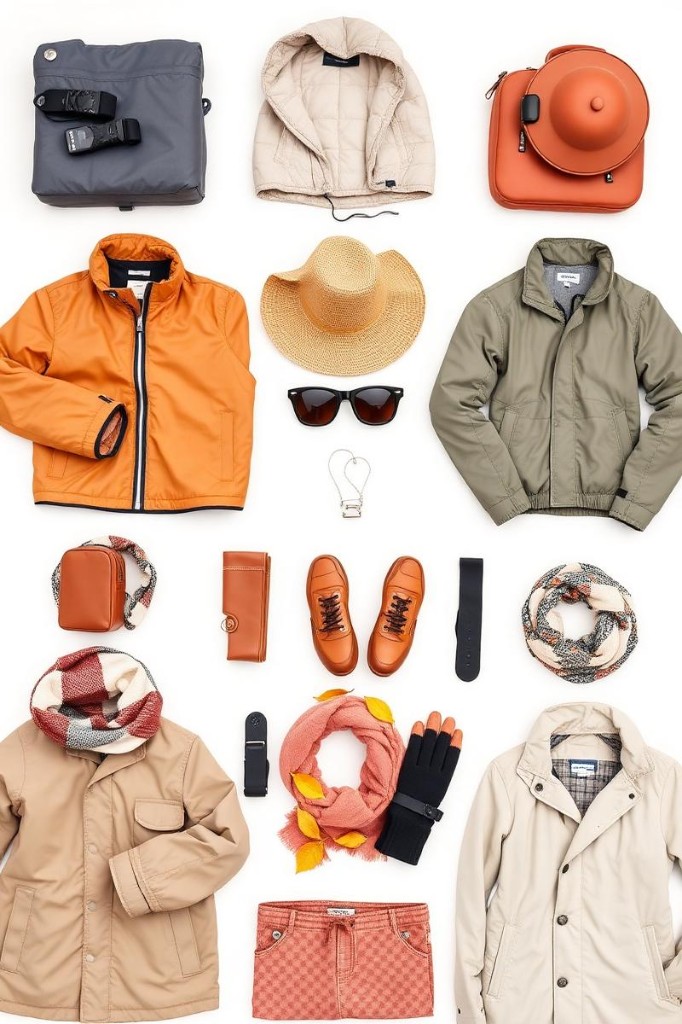
Packing for Vietnam requires anticipating significant climate variations between regions and seasons. From light clothing in the South to fleece for the mountainous North, here are our practical recommendations.

👕 Seasonal packing

Dry Season (Oct-Mar):
  • Light cotton clothing
  • Light jacket for evenings
  • Fleece for the North and mountains
  • Walking shoes
  • Hat and sunglasses
Rainy Season (Apr-Sep):
  • Breathable and quick-drying clothing
  • Raincoat or poncho
  • Waterproof sandals
  • Plastic bag for electronics
  • Compact umbrella
Travel clothing and gear by season

💰 Seasonal budget

PeriodAccommodation (€)Transport (€)Activities (€)Crowds (/5)Savings Tips
High season (Dec-Feb)40-12025-6015-405/5Book 2 months in advance
Mid-season (Mar-May, Oct-Nov)25-8020-4512-303/5Negotiate on-site
Low season (Jun-Sep)15-5015-358-252/5Last-minute deals

💡 Money-saving tips

  • Avoid December-February for the lowest prices
  • Book flights 3 months in advance to save up to 40%
  • Prioritize the low season for discounts up to 60% on accommodation
  • Negotiate excursions directly with local operators
  • Use local transport rather than organized tours

🏥 Health and precautions

  • Sun protection: SPF 50+ sunscreen, hat, covering clothing
  • Hydration: 3-4 liters / 100-135 fl oz of water per day, electrolytes during the monsoon
  • Vaccinations: Hepatitis A and B, Japanese encephalitis depending on regions
  • Anti-malarial: Consult a doctor for rural areas
  • First aid kit: Anti-diarrheal, antiseptics, waterproof bandages
  • Travel insurance: Mandatory with repatriation coverage

Events & Festivals in Vietnam

Cultural calendar and festivities not to be missed in Vietnam

Vietnamese festivals punctuate the year and offer authentic cultural experiences, closely linked to the seasons and millennial agricultural traditions.

🎊 Tet Nguyen Dan (January-February)

The Vietnamese New Year is the most important holiday in the country. Families gather, streets are adorned with red and gold decorations, and the atmosphere becomes magical. It is a special time to discover ancestral traditions.

Location: Throughout the country, particularly intense in Hanoi and Ho Chi Minh City

Note: Many businesses close for 3-7 days

Climate impact: Ideal cool period in the North, dry weather throughout the country

🌸 Sapa Peach Blossom Festival (March)

The Northern mountains transform into an ocean of pink and white flowers. Local ethnic groups celebrate spring with traditional dances and colorful markets in a fairy-tale atmosphere.

Location: Sapa and surrounding valleys

Note: Special guided hikes with local communities

Climate impact: Mild temperatures, optimal blooming thanks to the spring climate

🏮 Hoi An Lantern Festival (Monthly)

Every 14th day of the lunar calendar, the old town of Hoi An turns off its electric lights and illuminates with thousands of colorful lanterns. The romantic and mystical atmosphere is unforgettable.

Location: Hoi An Ancient Town, Thu Bon River

Note: Floating lantern release on the river

Climate impact: Most magical during the dry season (February-August)

Seasonal events

Dry Season (Oct-Mar):
  • Tet Nguyen Dan (Jan-Feb)
  • Hue Festival (Apr, even years)
  • Mid-Autumn Festival (Sep-Oct)
Rainy Season (Apr-Sep):
  • Perfume Pagoda Festival (Feb-Apr)
  • Wandering Souls Day (August)
  • Kate Festival (Oct-Nov)

Responsible Travel in Vietnam

Traveling to Vietnam in a responsible and sustainable way helps preserve its fragile ecosystems while supporting local communities according to seasonal specificities.

Vietnam is home to exceptional biodiversity threatened by climate change. Respecting natural cycles, marine wildlife breeding periods, and agricultural seasons contributes to the preservation of this unique heritage.

🌱 Low-season advantages

Traveling during the rainy season reduces tourist pressure, allows for the discovery of an authentic Vietnam, and supports the local economy during less frequented months.

♻️ Sustainable travel tips

  • Save water: A precious resource during the dry season
  • Avoid plastic: Use a reusable water bottle and bags
  • Local transport: Prioritize trains, buses, and bicycles
  • Respect biodiversity: Do not touch coral, avoid nesting periods
  • Local purchases: Support regional crafts and agriculture
  • Eco-friendly accommodation: Choose certified establishments

🏙️ Local sustainable initiatives

Vietnam is developing marine conservation projects, reforestation programs, and solar energy initiatives. Local communities are committed to ecotourism and the preservation of cultural traditions.

Our Expert Recommendations

Expert recommendations for your trip to Vietnam

After analyzing climate data, seasonal prices, and tourist crowds, our experts recommend optimal periods according to your priorities. These personalized tips are based on 15 years of field experience and feedback from thousands of travelers.

🌟 Optimal Period: November - March

Recommended months: November, December, January, February, March

Pros:
  • Ideal weather conditions throughout the country
  • Comfortable temperatures (20-28°C / 68-82°F)
  • Minimal precipitation
  • Calm sea for water activities
  • Perfect visibility in the mountains
Cons:
  • High tourist season (December-February)
  • Higher prices during holidays

Ideal profile: Families with children, comfort travelers, photographers, first-time visitors

⚖️ Balanced Alternative: April - May & September - October

Alternative months: April, May, September, October

Description: Transition periods offering an excellent compromise between acceptable weather conditions and moderate prices

Specific pros:
  • Rates reduced by 30-40%
  • Less tourist crowding
  • Lush, green nature
  • Temperatures still bearable

👥 Tips for your travel style

👨‍👩‍👧‍👦 Family: November-March, avoid monsoon, prioritize Southern coasts. 💰 Budget: May-September for maximum savings, negotiate on-site. 🎒 Adventure: April-May for hiking, October for diversity. ✨ Luxury: December-February, book 6 months in advance. 📸 Photographer: October-November for golden light, March for blossoms.

⚠️ Periods to avoid: June - August

Intense monsoon, scorching heat (35-40°C / 95-104°F), extreme humidity, and typhoon risks in the Central region. Difficult conditions for most tourist activities.

Cities to explore

Discover the must-sees of urban travel

All cities

Frequently Asked Questions

Find answers to essential questions to plan your trip to Vietnam according to optimal weather conditions.

What is the best time to visit all of Vietnam?

The period from November to March offers the best conditions to discover the entire country. The North enjoys cool and pleasant temperatures, the Central region benefits from its dry season, and the South avoids extreme heat. It is the ideal window for a complete North-South tour.

Can you travel to Vietnam during the rainy season?

Absolutely! The rainy season (May-October) reveals a lush and authentic Vietnam. Showers are often short and intense, giving way to beautiful clearings. It is the ideal period for tight budgets with discounts of up to 60% on accommodation.

Which region should I prioritize depending on the season?

In the dry season, the whole country is accessible. In the rainy season, prioritize the Central region (Hoi An, Hue) from February to August, and avoid this region from September to January. The South remains visitable all year round, while the North is more pleasant from October to April.

Should I avoid the Tet period (Vietnamese New Year)?

Tet (January-February) offers a unique cultural experience but requires special preparation. Pros: exceptional festivities, magnificent decorations. Cons: high prices, business closures, crowded transport. Book 3 months in advance if you choose this period.

How much time should I plan for a first trip to Vietnam?

For a first complete discovery, plan for at least 15-21 days. This allows you to visit the three main regions without rushing: 5-6 days in the North (Hanoi, Sapa, Halong Bay), 4-5 days in the Central region (Hoi An, Hue), and 5-6 days in the South (Ho Chi Minh City, Mekong Delta, islands).