When to visit Houmt Souk? City Break Guide

Between enchanting souks and golden beaches, Houmt Souk reveals itself differently depending on the season — it is up to you to choose your ideal moment.

  • 0.075 M population
  • Tunisian Arabic, French language
  • 55 days/year rainy days/year
  • April to June best time to visit
  • 3 to 5 days recommended stay

Weather trends and climate in Houmt Souk

Understanding the semi-arid Mediterranean climate of Houmt Souk

Houmt Souk, the capital of Djerba island, enjoys a semi-arid Mediterranean climate tempered by the Mediterranean Sea and the Gulf of Gabes. Summers are hot and dry, while winters are mild with little rainfall. The 33°N latitude ensures exceptional sunshine, perfect for a cultural and seaside city break.

MonthMin Temp (°C / °F)Max Temp (°C / °F)Precip. (mm / in)Sunshine (h/day)Tourist TrafficRecommended Activities
January8 / 4616 / 6150 / 2.05Museums, souks, heritage
February9 / 4817 / 6340 / 1.66Cultural visits, fondouks
March11 / 5219 / 6630 / 1.27⭐⭐Markets, walks, architecture
April13 / 5522 / 7225 / 1.08⭐⭐⭐Ghriba pilgrimage, souks, beaches
May17 / 6326 / 7915 / 0.69⭐⭐⭐Beaches, excursions, gastronomy
June21 / 7031 / 885 / 0.210⭐⭐⭐⭐Swimming, terraces, evenings
July24 / 7534 / 932 / 0.111⭐⭐⭐⭐⭐Djerba Festival, beaches, nightlife
August25 / 7734 / 935 / 0.210⭐⭐⭐⭐⭐Seaside, entertainment, crafts
September22 / 7231 / 8830 / 1.29⭐⭐⭐⭐Beaches, souks, Berber heritage
October18 / 6426 / 7950 / 2.07⭐⭐Museums, gastronomy, Meninx
November13 / 5521 / 7045 / 1.86⭐⭐Cultural visits, local markets
December10 / 5017 / 6355 / 2.25Local atmosphere, Tunisian cuisine

The seasons in Houmt Souk

Must-sees according to the weather

In Houmt Souk, every weather condition reveals a different facet of the city. Organize your visits intelligently according to the day's sky so you don't miss anything, whether it's windy, rainy, or sunny.

☔ In cloudy or rainy weather

Indoor & Protected Heritage

When the sky darkens over Djerba, the covered cultural richness of Houmt Souk offers beautiful alternatives so you don't lose an hour of your stay.

  • 🏛️ Berber Heritage Museum — 1h30 to 2h — Entry: ~5 DT — Open all year
  • 🕌 Mosque of the Strangers (Jemaa el Ghorba) — 30 min — Free exterior access — Best in the morning
  • 🔨 Blacksmiths' Fondouk — 1h — Free — Workshops open in the morning
  • 🏺 Guellala Museum (ceramics) — 1h30 — ~5 DT — 15 km / 9.3 miles away, accessible by shared taxi
  • 🍽️ Central covered market halls — 1h — Free — Ideal in the morning between 7 AM and 10 AM
  • 📚 Houmt Souk Municipal Library — 1h — Free — Rest and local reading

Practical tip: Prefer visiting the Berber Heritage Museum in the morning, when natural light passes through the skylights. No reservation required, but closed on Mondays.

Tip: Combine the Berber museum + blacksmiths' fondouk + covered market in one half-day on foot; everything is concentrated in the medina.
☀️ In good weather

Outdoor & Djerbian Fresh Air

Under the Djerba sun, Houmt Souk and its surroundings reveal all their architectural and seaside splendor. Enjoy every hour of light!

  • 🏰 Borj El Kebir (Spanish Fort) — 1h — ~3 DT — Best light: late afternoon
  • Houmt Souk Fishing Port — 1h — Free — Sunrise ideal for photographers
  • 🏺 Meninx Archaeological Zone — 2h — ~5 DT — Morning recommended before the heat
  • 🕍 Ghriba Synagogue (Er-Riadh) — 1h30 — ~3 DT — 7 km / 4.3 miles away, accessible by carriage or taxi
  • 🏖️ Sidi Mahrez Beach — Half-day — Free — Best between 9 AM and 11:30 AM
  • 🦩 Bou Ghrara Lagoon (flamingos) — 2h — Free — Early morning or late afternoon

Best time of day: The golden hour at the port of Houmt Souk, around 6 PM-7 PM depending on the season, offers sublime orange light on traditional fishing boats.

Season tip: The months of April, May, and October are optimal for outdoor visits: neither too hot nor too cold. In July-August, go out before 10 AM or after 5 PM.

🌤️ Versatile for all weather

Flexible Sites — Indoor & Outdoor

Some places in Houmt Souk can be enjoyed in any weather, combining covered spaces and open courtyards to adapt to any forecast.

  • 🛍️ Houmt Souk Central Souk — Covered and open-air alleys — 1h30 to 2h — Free
  • Traditional medina cafés — Indoor terraces and patios — Variable — Very economical
  • 🎨 Craft workshops (weaving, pottery) — Covered boutique-workshops — 1h — Free entry

Weather tip: If the sky clouds over during a walk in the souk, dive back into the covered alleys toward the spice and fabric area, which are naturally sheltered.

Example itinerary: Morning → covered market and spices → traditional café break → afternoon → artisan souk then port terrace if the sun returns.

💰 Free or economical

Free or almost free

Houmt Souk offers many ways to immerse yourself in Djerbian culture without spending much.

  • 🚶 Medina and white alleys — Free walk — Free — All day
  • Fishing port and traditional boats — Walk — Free — Sunrise and sunset
  • 🌿 Friday market (weekly souk) — Intense local atmosphere — Free — Friday morning only
  • 🕌 Exteriors of mosques and mausoleums — Ottoman and Andalusian architecture — Free — Morning recommended

Budget tips: The Friday market is an absolute must-see to observe local life. The panoramas from the roof of the Borj El Kebir offer the best view of the city for less than 3 DT.

Practical Guide

Preparing for your city break in Houmt Souk requires some adjustments depending on the chosen season. Between the cobbled alleys of the medina, open-air markets, and archaeological sites exposed to the sea breeze, the right gear makes the difference between a comfortable stay and a grueling day. Here is everything you need to know to travel with peace of mind.

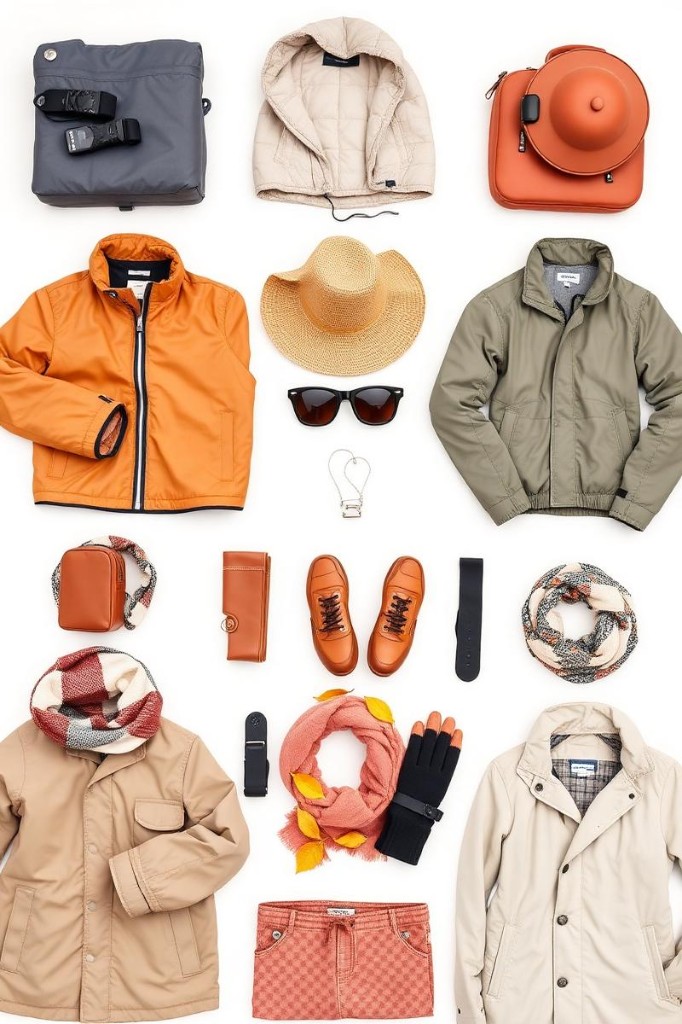
👕 Seasonal packing

🌸 Spring (March-May): Comfortable walking shoes with thick soles (uneven cobblestones) • Light jacket for cool evenings • Thin scarf (sea breeze) • Wide-brimmed hat • Lightweight backpack with integrated rain cover

☀️ Summer (June-September): Closed sandals and breathable shoes • Light, modest clothing (respecting cultural codes in the medina) • Hat, sunglasses, SPF 50+ sunscreen • Reusable insulated water bottle • Light stole for mosques

🍂 Autumn (October-November): Waterproof closed walking shoes • Mid-season jacket • Compact raincoat • Light sweaters for evenings • Waterproof bag for cameras

🌧️ Winter (December-February): Waterproof shoes are essential • Warm coat (cool evenings at 8°C / 46°F) • Compact umbrella • Layered clothing • Beanie and gloves for morning outings by the sea

Travel clothing and gear by season

💰 Seasonal budget

PeriodMedina Accommodation (€/night)Transport (€/day)Restaurants (€/day)Attractions (€)Traffic
Winter (Dec-Feb)30 – 553 – 610 – 185 – 10
Spring (Mar-May)50 – 904 – 815 – 258 – 15⭐⭐⭐
Ghriba Pilgrimage (Apr-May)90 – 1505 – 1015 – 288 – 15⭐⭐⭐⭐
Summer (Jun-Aug)80 – 2005 – 1218 – 3510 – 20⭐⭐⭐⭐⭐
Autumn (Oct-Nov)40 – 803 – 712 – 225 – 12⭐⭐

💡 Money-saving tips

Prioritize guest houses (dars) in the medina rather than seaside hotels: authentic charm and much lower prices for an experience closer to Djerbian culture.

Shared taxis (louages) are the local transport of choice: efficient, economical, and ideal for reaching the Ghriba or Guellala for less than 2 DT.

Eat lunch in local eateries around the central market rather than in restaurants facing the port: a homemade couscous or tagine costs 5-8 DT instead of 15-20 DT.

The Friday market is the best place to buy spices, olives, pottery, and textiles at local prices, without tourist markups.

Book well in advance during the Ghriba pilgrimage: accommodations across the island are in high demand and rates can double in a few days.

🏥 Health and precautions

  • Hydration: In summer, drink at least 2 liters / 0.5 gallons of water per day — public fountains are not potable, prefer bottled water
  • Intense sun: SPF 50+ mandatory from May to September, even on slightly cloudy days — reflection from sand and white walls multiplies the risks
  • Intensive walking: The uneven cobblestones of the medina are tiring — plan for adapted soles and breaks in shaded cafés
  • Sea breeze: The Chergui (hot desert wind) can be surprising in summer — bring sunglasses and nasal protection during strong winds
  • Pharmacies: Several on-call pharmacies in Houmt Souk — the central pharmacy near the market is the best stocked for common medications

Events in Houmt Souk

Calendar of must-see events in Houmt Souk and Djerba

Events in Houmt Souk set the pace for island life and radically transform the city's atmosphere. They can be reason enough to choose your travel dates.

🕍 Ghriba Pilgrimage — April or May (depending on the Hebrew calendar)

Description: The pilgrimage to the Ghriba synagogue is one of the most important Jewish gatherings in North Africa, attracting thousands of pilgrims from around the world who come to leave their prayers and votive candles in this ancient sacred site. The unique atmosphere blends spiritual fervor, Judeo-Tunisian music, and Mediterranean brotherhood against a backdrop of blue and white tiles.

Location: Ghriba Synagogue, village of Er-Riadh, 7 km / 4.3 miles from Houmt Souk

Special feature: Exceptional coexistence between Jewish pilgrims, Muslim residents, and tourists from all over the world — a living symbol of Tunisian tolerance

Impact: The entire island celebrates — Houmt Souk sees its accommodations fully booked as soon as dates are announced, and prices rise significantly

Transport access: Shared taxis (louages) from the Houmt Souk central market (2 DT) or horse-drawn carriage (15-20 DT round trip)

Planning tip: Book your accommodation at least 3 to 4 months in advance — some establishments require a minimum 3-night stay during this period

🎭 Djerba International Festival — July and August

Description: Every summer, Houmt Souk becomes an open-air stage for this multidisciplinary cultural festival that blends Malouf music, fusion concerts, dance performances, contemporary art exhibitions, and Mediterranean film screenings. Evenings at Place Farhat Hached, in the heart of the city, bring locals and visitors together in a unique festive communion.

Location: Place Farhat Hached, open-air amphitheaters, and the Borj El Kebir area, Houmt Souk

Special feature: Unique blend of Tunisian musical heritage, contemporary creation, and invited Mediterranean artists

Impact: Very lively nights until 2 AM, accommodations fully booked, electric atmosphere throughout the medina

Transport access: Everything is within walking distance from the medina — parking is impossible, use shared taxis

Planning tip: Book accommodation and tickets as early as January for the main events — the traditional houses (dars) in the city center within 200m of the stages sell out first

🫒 Olive and Craft Festival — November

Description: In November, Houmt Souk celebrates the olive tree, a pillar of Djerbian economy and culture since antiquity. This popular family festival turns the central market into a true agricultural and craft fair, where local olive oils, Guellala pottery, Berber weaving, and natural soaps are showcased by the island's own producers.

Location: Central market and main square of Houmt Souk

Special feature: Unique opportunity to buy directly from producers, taste new oils, and enjoy free folk entertainment

Impact: Slight increase in local foot traffic, authentic atmosphere without mass tourism — ideal for travelers seeking authenticity

Transport access: In the heart of the city, fully accessible on foot from all city-center accommodations

Planning tip: No special reservation needed — take the opportunity to stay during the off-season at very attractive rates

Seasonal events

🌸 Spring: • Ghriba Pilgrimage (April-May — Er-Riadh synagogue — international pilgrimage) • Ramadan (variable dates — intense night atmosphere, night markets, iftar) • Djerba Heritage Days (April — archaeological sites — free entry)

☀️ Summer: • Djerba International Festival (July-August — Place Farhat Hached — music and arts) • Rampart Nights (August — Borj El Kebir — sound and light shows) • Port Night Market (every Friday evening from June to September — crafts and gastronomy)

🍂 Autumn: • Olive and Craft Festival (November — central market — local products) • Cinema and Mediterranean Days (October — medina — open-air screenings) • Local Moussem of Sidi Zitouni (October — local popular celebration)

🌧️ Winter: • Holiday special souk (December — central market — local products and crafts) • International Women's Day (March — cultural activities in the medina) • Independence Day (March 20 — celebrations in the streets of Houmt Souk)

Traveling responsibly in Houmt Souk

Houmt Souk is an island city with a fragile ecosystem. Choosing the right season and adopting responsible behaviors contributes directly to preserving this exceptional natural and cultural heritage for future generations.

The island of Djerba, a UNESCO World Heritage site since 2023, deserves special attention. Prioritize soft modes of transport — cycling, horse-drawn carriage, walking — in the medina. Buy your crafts directly from artisans in the fondouks rather than from resellers in tourist areas. Respect dress codes in places of worship. Avoid periods of summer overtourism if you wish to minimize your footprint on this island already under pressure in July-August.

🌱 Low-season advantages

Visiting Houmt Souk outside the summer season (November to March) offers a radically more authentic experience: artisans have time to chat, prices remain fair, local transport is not saturated, and the island's water resources are under less pressure.

♻️ Sustainable travel tips

Prioritize cycling or horse-drawn carriage to reach the Ghriba or the beaches — bike rentals are available near the port of Houmt Souk starting at 10 DT/day

Eat lunch in medina eateries run by local families — you support the direct economy and reduce the impact of hotel chains

Choose certified accommodation in the medina (dar or guest house) rather than an energy-intensive and over-air-conditioned seaside resort

Bring a reusable water bottle and fill it with shared bottled water — the island is desperately short of fresh water in summer

Avoid buying corals, sea sponges, or seashells sold in markets — these extractions weaken Djerba's marine ecosystem

Walk in the medina rather than taking a taxi — the city is compact and the alleys are naturally explored on foot

🏙️ Local sustainable initiatives

Djerba is part of a growing sustainable tourism approach: development of marked hiking trails between menzels (rural houses), promotion of the UNESCO label to limit overbuilding, weekly organic markets supplied by local olive oil and vegetable producers, and beach cleanup initiatives coordinated by Djerbian associations.

Our recommendations

Recommendations for your city break in Houmt Souk according to your desires

After analyzing the climate, events, and tourist traffic, the ideal period to visit Houmt Souk is clearly between April and June and between September and October. These windows offer a perfect balance between pleasant temperatures, a sea that is already or still mild, reasonable accommodation rates, and moderate crowds allowing you to enjoy the medina and souks in good conditions. The Ghriba pilgrimage (April-May) is an exceptional cultural event to plan for in advance. Winter remains an attractive option for travelers seeking authenticity and small budgets.

🌟 Optimal period: April – June and September – October

Recommended months: April, May, June, September, October

  • Ideal temperatures for walking and sightseeing (13°C to 31°C / 55°F to 88°F)
  • Pleasant sea in June and September for swimming
  • Moderate crowds allowing you to enjoy the souks and sites serenely
  • Ghriba Pilgrimage in April-May (unique event in the world)
  • Accommodation prices still accessible, outside the summer peak

Key events: Ghriba Pilgrimage (April-May), start of the Djerba Festival (late June), Olive Festival (November)

Drawbacks: Accommodations must be booked 2 to 3 months in advance for April-May (Ghriba); some risk of rain in October

Ideal profile: Couples, families, cultural travelers, first-time visitors to Djerba

Recommended stay duration: 4 to 5 days to combine medina, heritage, beaches, and excursions

🔵 Interesting alternative: November – December

Alternative months: November, December

November and December offer a peaceful and deeply local Houmt Souk, where prices drop, artisans take the time to chat, and the Olive Festival (November) brings authentic festive animation without the international crowds. The sea is too cool for swimming, but cultural and gastronomic visits more than compensate.

Specific advantages: Accommodation prices down by 40 to 60% / No queues in museums / Authentic contacts with locals / Seasonal gastronomy (fresh olives, citrus, homemade harissa)

For whom: Budget travelers, seniors, retirees, photographers, lovers of authentic culture and gastronomy

👥 Tips for your travel style

👨‍👩‍👧 Family: Choose May or September — perfect temperatures, pleasant sea, no excessive heat for children. Stay in a dar with a patio. Visits: Borj El Kebir, Berber museum, Sidi Mahrez beach, horse-drawn carriage to the Ghriba.

💰 Budget: Choose November or March — accommodation prices at their lowest. Stay in a guest house in the medina. Enjoy the Friday market, local eateries, and sites for less than 5 DT.

🎭 Culture: Opt for April-May (Ghriba pilgrimage) or July (Djerba Festival). Do not miss the Berber museum, Ghriba synagogue, Meninx zone, and artisan fondouks.

💑 Romantic: October is perfect — golden light, empty terraces, sunsets at the port. Stay in a charming dar in the heart of the medina. Fish dinner at the port, night walk under the arcades.

⚡ Weekend / Short stay: June or September — direct flight from major European cities, 3 nights are enough for medina + Ghriba + beach. Choose accommodation within a 5-minute walk of the central souk.

🌍 First trip: May is ideal — perfect weather, Ghriba event, lively city without excessive crowds. Schedule a guided tour of the medina on day 1, Ghriba and Guellala on day 2, Borj El Kebir and port on day 3.

⚠️ Periods to avoid (or to plan for strictly)

Months not recommended without preparation: July, August

Reasons: Overwhelming heat (34°C / 93°F during the day, stifling medina alleys), maximum tourist crowds (the island receives the vast majority of its visitors in 2 months), peak accommodation prices, last-minute reservations impossible, crowded sites, and degraded experience in the souks

Nuances: If you are coming specifically for the Djerba International Festival (July-August) or for intensive seaside activities, the high season remains relevant — but absolutely book 3 to 6 months in advance and plan your cultural visits early in the morning (before 9 AM) or in the evening

Villes du même pays

All cities

Frequently Asked Questions

Here are the answers to the most frequently asked questions by travelers planning their city break in Houmt Souk, so you can set off fully prepared.

What is the best month to visit Houmt Souk?

The month of May is generally considered the best time to visit Houmt Souk. Temperatures reach 17 to 26°C / 63 to 79°F, ideal for wandering through the medina and going on excursions. The sea starts to be pleasant, and the Ghriba pilgrimage, which usually takes place in April-May depending on the Hebrew calendar, offers a unique cultural experience. September and October are excellent alternatives with a sea that is still warm, fewer tourists, and more attractive prices than in summer.

How many days should I plan for Houmt Souk?

3 to 5 days are sufficient to discover Houmt Souk and its surroundings in good conditions. Day 1: medina, central souk, covered market, and port. Day 2: Ghriba synagogue, village of Er-Riadh, Guellala Museum. Day 3: Borj El Kebir, Meninx archaeological zone, Sidi Mahrez beach. Days 4 and 5 allow for exploring rural menzels, strolling through craft markets, and extending the gastronomic experience. A 3-night weekend is the minimum to avoid leaving feeling like you missed out.

What to do in Houmt Souk when it rains?

Rain in Houmt Souk is often brief but can be intense, especially in autumn and winter. Take the opportunity to dive into the Museum of Berber Heritage, visit the blacksmiths' fondouk, and explore the covered weaving workshops. The shopping alleys of the medina are partially protected by arcades. A rainy afternoon is also the perfect occasion to linger in a traditional café over mint tea and chbakia, or to discover the hammams for an authentic experience.

Which events should not be missed in Houmt Souk?

Three events absolutely deserve to be included in your schedule. The Ghriba Pilgrimage (April-May) is a spiritual Judeo-Tunisian gathering of rare beauty, unique in North Africa. The Djerba International Festival (July-August) transforms Houmt Souk into a Mediterranean cultural stage with concerts and shows. The Olive Festival (November) celebrates Djerbian agricultural heritage with tastings and crafts. The Friday morning market is a weekly must-see regardless of the season.

What budget should I plan according to the season?

The budget varies significantly depending on the season. In high season (July-August), expect 80 to 200€/night for accommodation, 30 to 50€/day for meals and transport, for a total budget of 150 to 280€/day. In spring and September, the budget drops to 50 to 100€/night for accommodation and 20 to 35€/day for meals, or 80 to 150€/day. In winter, a comfortable stay is possible with 40 to 70€/night and 15 to 25€/day for meals, or 60 to 100€/day all-inclusive. Attractions (museums, sites) remain very accessible (3 to 10 DT per entry) regardless of the season.