When to visit Tunis? City Break Guide

Discover the Tunisian capital to the rhythm of Mediterranean seasons, between lively souks and urban modernity.

  • 2.4 M population
  • Arabic, French language
  • 65 days rainy days/year
  • from March to May and from September to November best time to visit
  • 3 to 5 days recommended stay

Climate and weather in Tunis

Understanding the semi-arid Mediterranean climate of Tunis

Tunis enjoys a semi-arid Mediterranean climate influenced by its position on the Gulf of Tunis. The urban heat island effect intensifies summer temperatures, while the proximity to the sea moderates climatic extremes, creating favorable conditions for city breaks throughout most of the year.

MonthMin Temp (°C / °F)Max Temp (°C / °F)Precipitation (mm / in)Sunshine (h/day)Tourist TrafficRecommended Activities
January6°C / 43°F16°C / 61°F59mm / 2.3in5⭐⭐Museums, covered medina
February7°C / 45°F17°C / 63°F54mm / 2.1in6⭐⭐Heritage, cafes
March9°C / 48°F20°C / 68°F47mm / 1.9in7⭐⭐⭐Urban walks
April12°C / 54°F23°C / 73°F38mm / 1.5in8⭐⭐⭐⭐Terraces, parks
May16°C / 61°F27°C / 81°F23mm / 0.9in10⭐⭐⭐⭐Full exploration
June20°C / 68°F31°C / 88°F10mm / 0.4in11⭐⭐⭐⭐⭐Coast, evenings
July23°C / 73°F34°C / 93°F3mm / 0.1in12⭐⭐⭐⭐⭐Beaches, nights
August24°C / 75°F35°C / 95°F7mm / 0.3in11⭐⭐⭐⭐⭐Coast, air-conditioned
September21°C / 70°F31°C / 88°F33mm / 1.3in9⭐⭐⭐⭐Return to city
October17°C / 63°F26°C / 79°F66mm / 2.6in7⭐⭐⭐Culture, gastronomy
November11°C / 52°F21°C / 70°F48mm / 1.9in6⭐⭐Medina, hammams
December8°C / 46°F17°C / 63°F67mm / 2.6in5⭐⭐Indoors, shopping

The seasons in Tunis

Must-sees according to the weather

Tunis reveals different faces depending on the climatic conditions. Organize your discovery by adapting your visits to the weather to fully enjoy this multifaceted capital.

☔ In overcast/rainy weather

Indoor & protected

Rainy days reveal the Tunis of interiors, rich in heritage and traditions. Take advantage of this weather to dive into the thousand-year history of the capital.

Must-see sites:
🏛️ Bardo Museum - Mosaic collection (2-3h, 11 DT, all year)
🕌 Zitouna Grand Mosque - Almohad architecture (1h, free, closed on Fridays)
🛍️ Medina Souks - Covered crafts (2-4h, free, haggling mandatory)
🏰 Dar Ben Abdallah Palace - Museum of Arts and Traditions (1h30, 5 DT)
🎭 Municipal Theater - Cultural programming (evenings, 15-30 DT)
🌡️ Traditional Hammam - Authentic relaxation (2h, 25-40 DT)
☕ Medina Cafes - Mint tea and hookah
🏢 Tunisia Mall - Modern shopping (full day)

Practical tip: Book online for the Bardo, avoid Fridays for religious sites
Additional tip: Combine Bardo and Medina via the tram, day pass 2 DT

☀️ In good weather

Optimal outdoors

The Mediterranean sun reveals the beauty of outdoor sites and Tunisian panoramas. It is time to discover the terraces and viewpoints of the capital.

Outdoor sites:
🏛️ Carthage Archaeological Site - Ancient ruins (3h, 12 DT, avoid 12pm-3pm)
🏘️ Sidi Bou Said - White and blue village (2h, free, sunrise/sunset)
🌳 Belvedere Park - Green lung and zoo (2-3h, 3 DT, morning recommended)
🏛️ El Jem Amphitheater - Day excursion (4h, 10 DT + transport)
🌊 Sidi Bou Said Marina - Seaside promenade (1h, free)
📸 Dar El Jeld Terrace - Medina panorama (30min, purchase required)
🚶 Habib Bourguiba Avenue - Main artery (1h, free)
⛰️ Byrsa Hill - Panoramic view of Carthage (45min, included in site)

Best time of day: Sunrise in Sidi Bou Said (7am), golden hour in Carthage (5pm-6pm)
Seasonal tip: March-May and September-October are optimal, avoid July-August 12pm-4pm

🌤️ Versatile for any weather

Flexible sites

These hybrid attractions adapt to weather changes thanks to their covered and open-air spaces.

Versatile sites:
🏛️ Ennejma Ezzahra Palace - Interior/gardens (2h, 5 DT)
🕌 Kasbah Mosque - Courtyard/covered galleries (1h, 3 DT)
🏪 Central Market - Covered with terraces (1h30, free)
🏛️ Villa Sebastian Sidi Bou Said - House/terrace (1h, 8 DT)
🍽️ Medina restaurants - Covered patios (2h meal)

Weather tip: Start outdoors if the weather is nice, retreat indoors if it deteriorates

Example itinerary: Morning in Sidi Bou Said (outdoors), lunch in a medina patio, afternoon in covered souks

💰 Free or economical

Discovery without cost

Free sites:
🚶 Historic Medina - Free wandering
🌅 Viewpoints and panoramas - Free views
🏛️ Mosques (exterior) - Visible architecture
🌊 La Goulette seafront - Seaside promenade
🎪 Street performances - Spontaneous entertainment

Free days: Bardo Museum free on the first Sunday of the month for residents
Budget tips: Flea market on Sunday morning, tea in popular cafes (1 DT), unlimited daily public transport (2 DT)

Practical Guide

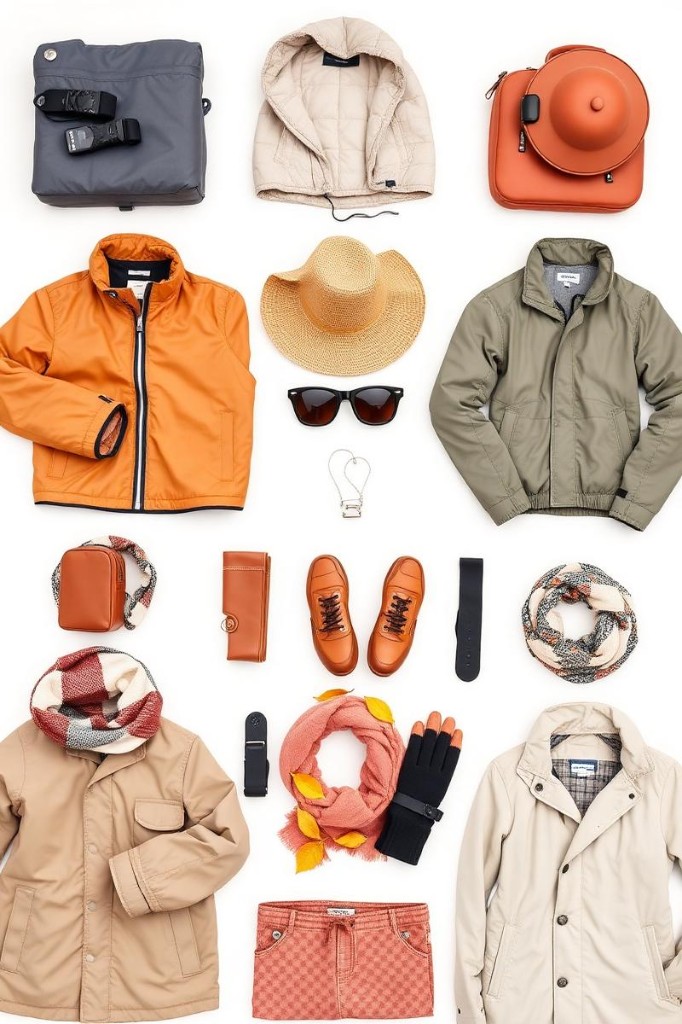
Prepare for your Tunis city break by adapting your gear to Mediterranean climatic variations. The capital requires specific preparations between intensive urban walking, frequent transitions between indoors and outdoors, and exploring historic sites.

👕 Seasonal packing

Spring (March-May): • Comfortable walking shoes for medina cobblestones • Light jacket for cool evenings • Compact umbrella for showers • Sun hat • Secure crossbody bag

Summer (June-August): • Breathable light clothing • Enhanced sun protection • Closed shoes for archaeological sites • Scarf for covering in mosques • Reusable water bottle

Autumn (September-November): • Layers for temperature variations • Waterproof shoes • Compact rain jacket • Light scarf • Waterproof bag for documents

Winter (December-February): • Warm coat for sea breeze • Non-slip shoes • Sturdy umbrella • Light gloves • Modest clothing for cultural respect
Travel clothing and gear by season

💰 Seasonal budget

PeriodCenter Accommodation (€/night)Transport (€/day)Restaurants (€/day)Attractions (€)Crowds
Winter (Dec-Feb)25-453-515-2520-30⭐⭐
Spring (Mar-May)35-604-620-3525-40⭐⭐⭐
Summer (Jun-Aug)50-855-825-4530-50⭐⭐⭐⭐⭐
Autumn (Sep-Nov)30-554-618-3025-35⭐⭐⭐

💡 Money-saving tips

Heritage Pass: 25 DT for 5 major sites (worth it from 3 visits onwards)
Lunch restaurants: Worker menus 8-12 DT vs tourist dinner 25-40 DT
Accommodation: Menzah or Ariana district -30% vs historic center
Transport: Weekly bus/metro pass 12 DT vs single tickets
Free events: Municipal festivals, Barcelona Square concerts

🏥 Health and precautions

Urban pollution: Mask recommended during traffic peaks on Bourguiba Avenue
Intense sun: SPF50+ sunscreen due to reflection from sea/white stones
Hydration: 2-3L/day in summer, public fountains are rare
Intensive walking: Irregular cobblestones in medina, wear appropriate shoes
Pharmacies: 24h rotating duty, French prescriptions accepted
Water: Tap water is potable but sensitive stomachs should prefer bottled water

Urban Events

Calendar of must-see events in Tunis

The Tunisian capital vibrates to the rhythm of cultural events that transform the urban atmosphere. These events enrich the visitor experience while influencing attendance and prices.

🎭 Carthage International Festival (July-August)

The most prestigious cultural festival in the Maghreb transforms the ancient amphitheater of Carthage into a global stage. Concerts, theater, and dance take over this thousand-year-old site under the Mediterranean stars, creating a unique magical atmosphere.

Location: Ancient Theater of Carthage, northern suburbs
Feature: Exceptional natural acoustics of the Roman site
Climate impact: Cool evenings are ideal; reservations are essential; special shuttles available
Transport access: TGM Carthage line + festival shuttles
Planning tip: Book accommodation 6 months in advance, prices triple

🌸 Jasmine Festival (April-May)

A celebration of the Tunisian spring that adorns the city with floral decorations. Free concerts, art exhibitions, and craft markets enliven public squares, turning Tunis into an urban garden scented with jasmine.

Location: Habib Bourguiba Avenue and Belvedere Gardens
Feature: Massive participation by locals, family-friendly atmosphere
Climate impact: Takes advantage of mild spring temperatures; outdoor events
Transport access: City center accessible by light rail
Planning tip: Recent event, less pressure on accommodation

🎬 Carthage Film Festival (October-November)

An African and Arab film festival that takes over the historic cinemas of Tunis. Screenings, meetings, and debates create an autumnal cultural buzz, attracting filmmakers and cinephiles from around the world.

Location: City center cinemas and City of Culture
Feature: Discovery of contemporary African cinema
Climate impact: Ideal autumn period, perfect for indoor activities
Transport access: République and Mohamed V light rail stations
Planning tip: Online ticketing, festival passes are cost-effective

Seasonal events

Spring: • International Book Fair (March, Kram) • Musical Nights of Carthage (May) • Labor Day festivities (May 1st)

Summer: • Dougga Festival (July, excursion) • Ramadan Nights (if applicable, variable dates) • Hammamet Festival (July-August, 1h drive)

Autumn: • Medina Festival (September) • Heritage Days (October) • Book Fair (November)

Winter: • New Year's Eve festivities (December 31st, Bourguiba Avenue) • Jazz Festival (February) • Tunis Carnival (March, depending on calendar)

Responsible City Break

Tunis faces the challenges of sustainable urban tourism. Your choice of period and travel practices directly influence the preservation of heritage and the well-being of local communities.

The Tunisian capital is developing urban ecotourism favoring soft transport, local crafts, and heritage preservation. Avoid international chains in favor of family-run guesthouses, use efficient public transport, and respect cultural codes in the historic medina.

🌱 Low-season advantages

Visiting Tunis outside the summer season reduces pressure on infrastructure, allows for authentic exchanges with locals, supports the local economy during the off-season, and limits the environmental impact of urban air conditioning.

♻️ Sustainable travel tips

Soft mobility: Light rail, bus, walking in the pedestrian medina
Accommodation: Renovated traditional dars vs international hotels
Dining: Popular eateries, local markets, regional specialties
Shopping: Medina crafts direct from producers, refuse plastic bags
Visits: Certified local guides, respect prayer times, appropriate dress code
Waste: Reusable water bottle, hotel recycling, limited packaging

🏙️ Local sustainable initiatives

Tunis is developing its self-service bicycle network, extending pedestrian zones in the medina, increasing recycling containers, and certifying eco-responsible accommodation. Organic markets are growing while local restaurants favor short supply chains from Cap Bon.

Our Recommendations

Expert recommendations for your city break in Tunis

After analyzing climatic data, tourist traffic, and seasonal rates, our recommendations optimize your experience in Tunis. The choice of period drastically influences your discovery: between spring mildness, summer excitement, autumnal authenticity, and winter intimacy, each season reveals a different face of this Mediterranean capital rich in 3000 years of history.

🌟 Optimal Period: April-May and September-October

Recommended months: April, May, September, October

Advantages:
• Ideal temperatures 20-27°C / 68-81°F for urban walking
• Generous sunshine without extreme heat
• Pleasant outdoor terraces and cafes
• Perfect balance of crowds/authenticity
• High-quality cultural events (Jasmine Festival, JCC)

Flagship events: Jasmine Festival (April-May), Carthage Film Festival (October)

Disadvantages: Slight price increase, booking recommended

Ideal profile: All types of travelers, first-time visitors, families, couples

Stay duration: 4-5 days is optimal

💡 Interesting Alternative: March and November

Alternative months: March, November

Description: Transition periods offering an excellent compromise between acceptable weather conditions and attractive rates. The authentic local atmosphere compensates for the occasional showers.

Specific advantages: Accommodation prices -25%, fewer tourists, intense local life, exceptional photographic light

For whom: Experienced travelers, tight budgets, photographers, lovers of authenticity

👥 Tips for your travel style

Family: April-May is optimal, Menzah district, Belvedere activities, public transport, family dar
Budget: November-March, Ariana accommodation, popular medina restaurants, transport pass, free sites
Culture: October-November, historic center, specialized guides, heritage pass, JCC events
Romantic: April-May, Sidi Bou Said, charming dar, terrace restaurants, Carthage sunsets
Weekend: March-May/September-October, city center, concentrated major sites, efficient light rail
First-time visitor: April-May, medina + Carthage, French-speaking guide, central accommodation, 4 days minimum

⚠️ Periods to avoid: July-August and December-January

Months not recommended: July, August (heatwave), December, January (rain)

Reasons: Excessive urban heat 35°C+ / 95°F+, overcrowding of tourist sites, prohibitive summer prices, frequent rains and winter chill limiting outdoor activities

Nuances: Summer is acceptable for heat lovers and nightlife, winter is interesting for very tight budgets and in-depth cultural discovery

Villes du même pays

All cities

Frequently Asked Questions

Answers to essential questions to plan your Tunis city break according to the climatic and urban specifics of the capital.

What is the best month to visit Tunis?

April and October offer optimal conditions with temperatures of 20-25°C / 68-77°F, generous sunshine, and moderate crowds. April benefits from the Jasmine Festival and urban blooming, while October offers the Carthage Film Festival and exceptional golden light. These months perfectly combine climatic comfort, cultural richness, and reasonable prices to discover the Tunisian capital.

How many days should I plan for Tunis?

4 to 5 days allow for a complete discovery: 2 days for the medina and souks, 1 day for Carthage and Sidi Bou Said, 1 day for museums (Bardo) and modern districts, plus 1 optional day for Dougga or relaxation. A 3-day weekend is possible by focusing on the essentials: medina, Bardo, and Carthage. Travelers in a hurry can see the highlights in 2 intensive days.

What to do in Tunis in case of rain?

Tunis reveals its covered treasures during rainy weather: explore the Bardo Museum and its exceptional mosaics, get lost in the covered souks of the medina, relax in a traditional hammam, visit historic palaces like Dar Ben Abdallah, or discover the cultural scene in the literary cafes of Bourguiba Avenue. Modern shopping malls and cinemas also offer contemporary alternatives.

Which events should not be missed in Tunis?

The Carthage International Festival (July-August) remains the flagship event with its shows in the ancient amphitheater. The Jasmine Festival (April-May) celebrates the Tunisian spring, while the Carthage Film Festival (October) showcases African cinema. In winter, the Jazz Festival (February) enlivens the cultural season. Check the calendar as some event dates change annually.

What budget should I plan according to the season?

Expect 60-80€/day in high season (summer) with city center accommodation, compared to 40-60€/day in low season (winter). Spring and autumn require 50-70€/day. These budgets include decent accommodation, local meals, public transport, and major site entries. Savings possible: peripheral accommodation (-30%), popular medina restaurants (-50%), weekly transport pass, free sites, and local markets.