When to visit Tunisia? Complete Guide 2026

Between the Mediterranean and the Sahara, Tunisia offers a fascinating climatic mosaic that transforms your experience depending on the chosen season.

  • 12.1 million population
  • Arabic, French language
  • 45 days rainy days/year
  • April to June and September to November best time to visit
  • 7 to 14 days recommended stay

Weather and Climate in Tunisia

Understanding Tunisia's Mediterranean and Saharan climate

Tunisia features three distinct climate zones influenced by the Mediterranean to the north and the Sahara to the south. This geographical diversity creates microclimates that significantly transform your travel experience depending on the region and season.

  • Mediterranean coastal zone: Mild and humid climate, temperate winters and warm summers with sea breezes
  • Mountainous inland zone: Cooler temperatures, significant rainfall in winter, potential for snow
  • Southern Saharan zone: Arid and dry climate, high temperature variations, very rare rainfall

The Seasons in Tunisia

Climate by Tunisian Region

Tunisian geographical diversity creates distinct microclimates between the coast, mountains, and desert. Each region offers specific climatic conditions that directly influence your choice of destination according to your activities.

🏖️ North Coast (Tunis, Bizerte, Tabarka)

The north coast enjoys a classic Mediterranean climate with mild winters and summers tempered by sea breezes. This region concentrates the country's major historical heritage.

PeriodWeatherTemperatureActivities
March-MayMild, some rain15-25°C / 59-77°FCultural visits, hiking
June-AugustHot and dry22-32°C / 72-90°FBeaches, festivals, nightlife
Sept-NovPleasant, warm sea18-28°C / 64-82°FAll activities
Dec-FebMild, rainy8-16°C / 46-61°FMuseums, medinas, gastronomy

Specifics: Moderating marine influence, UNESCO heritage, fine sandy beaches, cork oak forests.

🏜️ Center and South (Kairouan, Tozeur, Douz)

The center and south offer an arid continental climate with large temperature fluctuations. This region reveals Saharan authenticity and legendary oases.

PeriodWeatherTemperatureActivities
March-MayMild, ideal18-28°C / 64-82°FDesert trekking, oases
June-AugustVery hot25-45°C / 77-113°FLimited to mornings
Sept-NovPerfect20-32°C / 68-90°FHiking, 4x4, bivouacs
Dec-FebCool, dry5-20°C / 41-68°FCultural discovery

Specifics: Cool nights even in summer, sand winds possible, lush oases, unique Saharan architecture.

🌊 East Coast (Sousse, Monastir, Djerba)

The east coast enjoys the mildest climate in Tunisia with less rainfall and moderate temperatures. It is the seaside region par excellence.

PeriodWeatherTemperatureActivities
March-MayMild and dry16-26°C / 61-79°FBeaches, golf, discovery
June-AugustHot, sea breeze24-34°C / 75-93°FRelaxation, water sports
Sept-NovIdeal19-29°C / 66-84°FAll seaside activities
Dec-FebMild, little rain10-18°C / 50-64°FThalassotherapy, golf, culture

Specifics: Maximum sunshine, white sand beaches, Berber influence, traditional crafts.

⛰️ Mountainous Northwest (Ain Draham, Jendouba)

The northwest mountains present a unique mountain climate in North Africa with cool and humid winters, sometimes snowy.

PeriodWeatherTemperatureActivities
March-MayCool, lush12-22°C / 54-72°FHiking, thermalism
June-AugustPleasant, less hot18-30°C / 64-86°FSummer coolness, nature
Sept-NovMild, colorful14-24°C / 57-75°FTrekking, hunting, fishing
Dec-FebCold, snow possible3-15°C / 37-59°FThermal spas

Specifics: Oak and pine forests, thermal springs, occasional winter snow, preserved wildlife.

Practical Guide for Tunisia

Prepare your trip to Tunisia with our practical advice adapted to seasonal climate variations. From clothing recommendations to budgets by period, optimize your Tunisian stay.

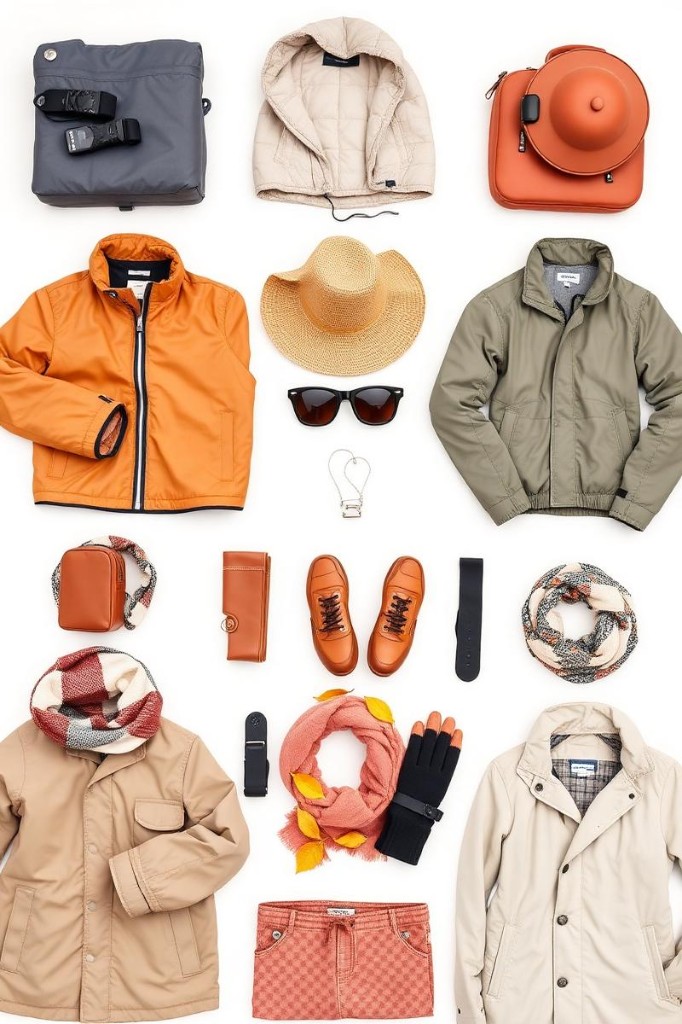
👕 Seasonal packing

Spring (March-May): • Lightweight layered clothing • Light jacket for evenings • Comfortable walking shoes • Sun protection

Summer (June-August): • Very light and breathable clothing • Hat and sunglasses essential • Swimwear • Sandals and closed-toe shoes

Autumn (Sept-Nov): • Mid-season clothing • Light sweater for evenings • Light raincoat • Versatile shoes

Winter (Dec-Feb): • Warm clothing for evenings • Raincoat and umbrella • Waterproof shoes • Scarf and beanie for the north

Travel clothing and gear by season

💰 Seasonal budget

PeriodAccommodation (€)Transport (€)Activities (€)Crowd (/5)Budget Tips
March-May40-80200-40020-503/5Early booking recommended
June-August80-150300-60030-705/5Avoid July-August, prefer June
Sept-Nov45-90250-45025-553/5Excellent value for money
Dec-Feb30-60180-35015-402/5Negotiation possible, advantageous packages

💡 Money-saving tips

  • Avoid July-August for rates up to 40% cheaper
  • Book 2-3 months in advance for optimal periods (April-May, September-October)
  • Take advantage of winter promotions for discovery stays at reduced prices
  • Compare prices between the east coast (more expensive) and the interior (more authentic and affordable)
  • Negotiate in the souks and for excursions, especially in the low season

🏥 Health and precautions

General precautions:

  • Enhanced sun protection: SPF 50+ cream, hat, sunglasses (intense sun all year round)
  • Constant hydration: 2-3L / 0.5-0.8 gal of water per day, especially in summer and in the south
  • Rainy season: be careful of slippery roads and local flooding (November-February)
  • Desert: covering clothing, protection against sand, guide mandatory
  • Vaccinations: DTP update recommended, Hepatitis A advised
  • Pharmacy: anti-diarrheal, disinfectant, bandages, personal medications

Events & Festivals in Tunisia

Cultural calendar and festivities not to be missed in Tunisia

Tunisian cultural richness is expressed through authentic festivals paced by the seasons, offering a unique immersion into local traditions.

International Festival of Carthage (July-August)

The most prestigious cultural festival in Tunisia transforms the ancient ruins of Carthage into a magical stage. Theater, music, dance, and cinema attract international artists and passionate audiences in an exceptional historical setting.

Location: Ancient Theater of Carthage, Tunis

Highlight: Open-air performances in a Roman amphitheater facing the sea

Climate impact: Warm and dry evenings, refreshing sea breeze, guaranteed starry skies

Festival of the Sahara (December)

Douz becomes the beating heart of the desert during this festival celebrating nomadic culture. Camel races, Bedouin poetry, traditional dances, and Saharan crafts create a magical atmosphere.

Location: Douz, gateway to the Sahara

Highlight: Total immersion in nomadic culture with bivouacs under the stars

Climate impact: Ideal winter temperatures for the desert, cool nights perfect for evening gatherings

Symphonic Music Festival (September)

El Jem hosts exceptional classical concerts in its perfectly preserved Roman amphitheater. The natural acoustics and historical setting create an unforgettable musical experience.

Location: Amphitheater of El Jem

Highlight: Exceptional natural acoustics in the 3rd largest Roman amphitheater

Climate impact: Perfect autumn temperatures, mild evenings without excessive heat

Seasonal events

Spring: • Tabarka Jazz Festival (May) • Rose Festival of Kelaat M'Gouna (April) • Andalusian Music Festival (April)

Summer: • Hammamet Festival (July-August) • Monastir Festival (July) • Musical Nights of Sidi Bou Said (June-September)

Autumn: • International Amateur Film Festival (September) • Carthage Theater Days (October) • Oasis Festival (November)

Winter: • Documentary Film Festival (December) • Berber New Year Celebrations (January) • Pottery Festival (February)

Responsible Travel in Tunisia

Discovering Tunisia in an eco-responsible way helps preserve its fragile ecosystems while supporting local communities according to seasonal climatic specifics.

Tunisia is home to fragile ecosystems from the Mediterranean coast to the Saharan desert. Respecting sea turtle nesting periods (May-September), avoiding trampling the dunes, and saving precious desert water are essential actions.

🌱 Low-season advantages

Traveling off-season (November-March) reduces your carbon footprint, limits pressure on fragile sites, and supports the local economy spread throughout the year.

♻️ Sustainable travel tips

  • Save water, a precious resource especially in the desert south
  • Use public transport (louages, trains) to reduce emissions
  • Respect marine life when diving and avoid nesting beaches
  • Buy local in the souks to support traditional craftsmanship
  • Avoid single-use plastics, particularly dangerous for the Mediterranean
  • Respect archaeological sites and do not remove any artifacts

🏙️ Local sustainable initiatives

Tunisia is developing eco-innovative projects: wind farms in the Gulf of Gabès, sea turtle conservation programs in Kuriat, reforestation of the northwest mountains, and ecotourism initiatives in the southern oases.

Our Expert Recommendations

Expert recommendations for your trip to Tunisia

After analyzing climatic data and field feedback, we offer personalized recommendations to optimize your discovery of Tunisia. These tips incorporate weather conditions, tourist crowds, seasonal rates, and regional specifics to ensure a successful trip.

Optimal Period

Months: April-May and September-October

Advantages:

  • Ideal temperatures (20-28°C / 68-82°F) for all activities
  • Pleasant sea in autumn, blooming nature in spring
  • Moderate crowds and reasonable rates
  • Perfect conditions for the desert and the coast
  • Exceptional light for photography

Disadvantages:

  • Some showers possible in spring
  • Early booking recommended

Ideal profile: All travelers, especially families, cultural discovery, hikers

Balanced Alternative

Months: March and November

Description: Transition periods offering an excellent compromise between acceptable weather conditions and very attractive rates, ideal for tight budgets.

Specific advantages:

  • Prices up to 30% cheaper than in high season
  • Authenticity preserved with fewer tourists
  • In-depth discovery of local culture

👥 Tips for your travel style

Family: April-May and September-October, avoid excessive summer heat. Prioritize the milder east coast.

Budget: November-March for reduced rates. Negotiate in the low season, choose the cheaper interior.

Adventure: March-May and October-November for the desert. Avoid the Saharan summer, prioritize the shoulder seasons.

Luxury: May and October for optimal conditions. Book premium establishments very early.

Photographer: April-May for golden light and blooming landscapes. Autumn for warm colors and crystal-clear sea.

Periods to Avoid

July-August: Excessive heat in the interior (45°C+ / 113°F+), maximum prices, significant crowds

December-January: Frequent rain, cold sea, reduced tourist services

Cities to explore

Discover the must-sees of urban travel

All cities

Frequently Asked Questions

Find answers to essential questions to plan your trip to Tunisia according to optimal weather conditions.

When is the best time to visit Tunisia?

The ideal periods are April-May and September-October. You will enjoy perfect temperatures (20-28°C / 68-82°F), pleasant sea temperatures in autumn, moderate prices, and reasonable crowds. These months allow you to enjoy both the beaches and the desert under optimal conditions.

Can you visit the Tunisian desert in summer?

It is strongly discouraged. Temperatures regularly exceed 45°C / 113°F in the Tunisian Sahara during summer, making excursions dangerous. Prefer October-April to discover the desert, with pleasant daytime temperatures (25-30°C / 77-86°F) and cool nights suitable for camping.

Is Tunisia pleasant in winter?

The Tunisian winter remains mild compared to Europe (8-18°C / 46-64°F) but with frequent rain. It is ideal for cultural discovery, museums, medinas, and local authenticity. Avoid this period for seaside activities as the sea is cold (15-17°C / 59-63°F).

Are there significant climate differences between regions?

Absolutely! The north coast enjoys a temperate Mediterranean climate, the east coast is drier and sunnier, the northwest mountains can have snow in winter, and the desert south experiences large temperature fluctuations. Adapt your itinerary according to your climate preferences.

When should you absolutely avoid Tunisia?

Avoid July-August if you struggle with heat (35-45°C / 95-113°F), crowds, and high prices. Also avoid December-January for seaside activities as it is cold and rainy. These periods remain acceptable, however, depending on your priorities and budget.